
Jungle times at Rurrenabaque
The flight to Rurrenabaque was a very early morning one, and I had serious trouble getting out of my warm bed. I even once considered canceling the plan, but pampas balminess beckoned wholeheartedly, and the steep price of the ticket sat heavily on my conscience. Sleepily, I managed to check out, stumble into the waiting taxi, and considered napping, but when the early morning glitter of the snow-clad Mt Illimani made me feel incredibly alive. I stared at it from my rolled-down taxi window and took in deep lungs full of fresh pine-scented air.
The El Alto airport stood atop a hill and looked down upon La Paz. It was fantastically provincial for a national capital aerodrome, and I stared at cholitas sporting bowler hats and mustaches crowding at the check-in counters. A steaming cup of coffee and interesting conversations with a musician fellow traveler helped me pass the time at the super boring airport. Just when I had nearly nodded off from monotony, a strange military aircraft rumbled to a stop at the bay in front of us. It was the TAM airplane, which was to ferry us to Rurrenabaque, and my heart skipped a beat. Passengers spilled out of its hollow interiors, and despite all my professional flying years, I felt butterflies in my stomach at the prospect of being airborne in that.
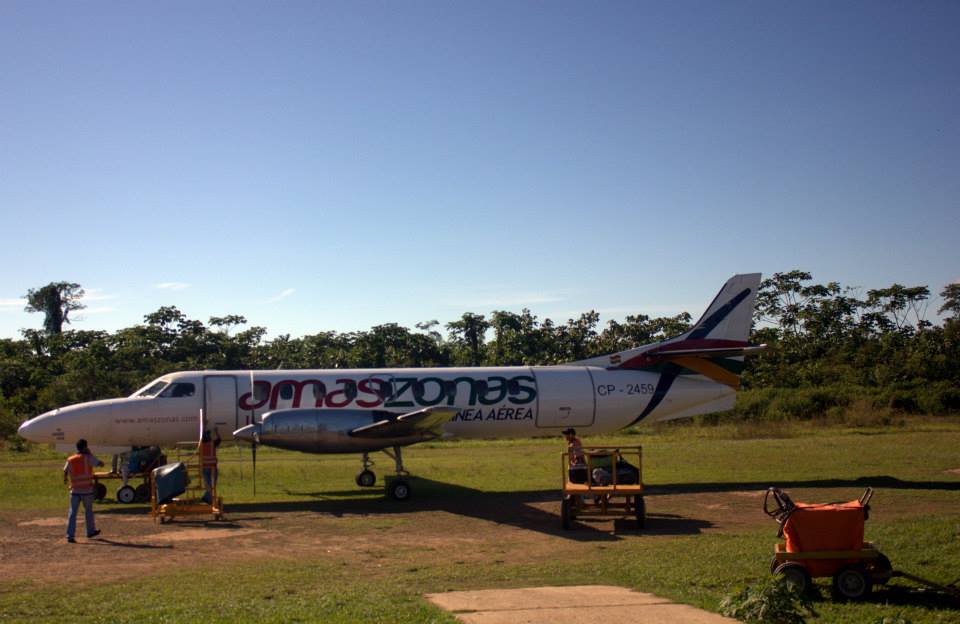
Pampas dreams in Rurrenabaque
Marty, my newfound Aussie musician friend, assured me that it was perhaps the safest option ( and only one) and lured me to board it with wild, wild pampas dreams. The boarding process, although delayed, was silky smooth, and the sturdy plane took off with a terrifying rattle. I prayed silently, glanced around at the other passengers who sat facing each other, knee to knee, and found nearly all of them praying/looking around with scared expressions. La Paz soon got left behind, and the snowy peaks of the La Paz department dazzled outside the windows.
Apart from a few air bumps and at times getting too close to be comfortable to the mountains, the 1-hour flight to Rurrenabaque was as uneventful as possible in a military carrier aircraft. I slept, listened to some music, polished off the sparse TAM breakfast, and chatted with Marty. The service was crisp, polite, and the minimally efficient crew did not even bother demonstrating any safety skills. Mountains soon melted away, and flat land started appearing in huge stretches. We were flying towards the warm and sunny Beni department to visit the Madidi National Park. Although the park fell within the La Paz department, the jumping-off point for Bolivian Amazon Basin adventures, Rurrenabaque, stood on the banks of the Río Beni in the Beni department.
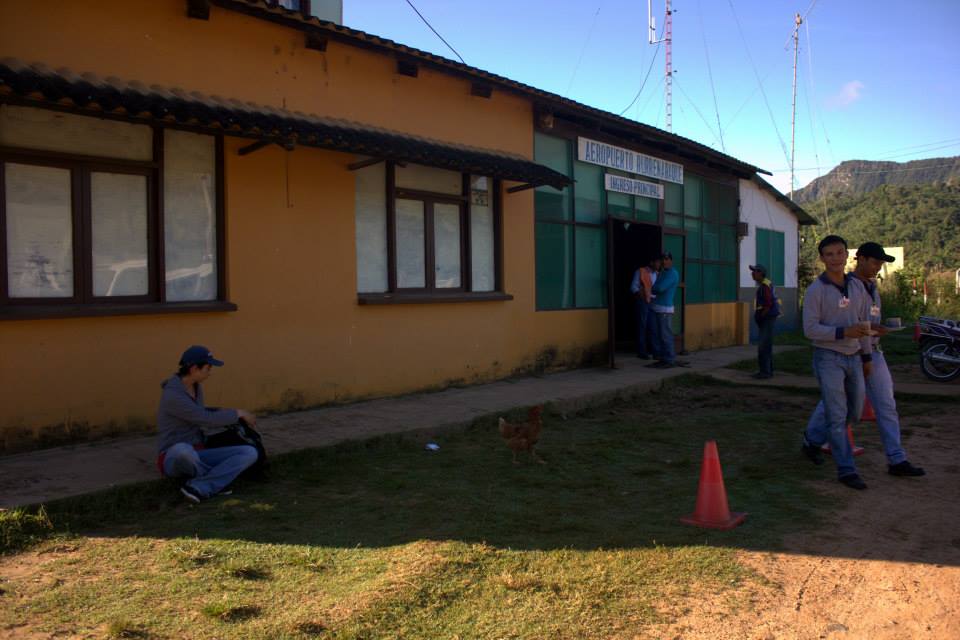
A very unique flight to Rurrenabaque
Lush green Bolivian lowlands came into view shortly, and my stomach flipped from fear. South America had a horrible aviation history, and the combination of it with my military aircraft flight made me extremely nervous. I held my breath as the glistening green tree tops rose to meet us and nearly cried out in relief when the plane landed on the grassy strip with a thump. We all tumbled out in the bright Rurrenabaque sunshine, relieved to be in one piece and happy to be back in singlets and shorts again.
A sleepy tropical town, Rurrenabaque shot into popularity with international tourists in recent years as an easy gateway to Madidi National Park for Amazon jungle and pampas tours. While the Brazilian part of the Amazon rainforest hogs the limelight for its supposedly hardcore “cattle boat and ranch trips”, it’s actually the Bolivian jungles that are pristine and less touristy. Madidi National Park is one of the most biologically diverse protected areas on the planet and has an incredible variety of fauna. It is home to large populations of Latin America’s most charismatic wildlife species like jaguar, spectacled bear, maned wolf, giant otter, Andean condor, military macaw, etc, along with a newly discovered and endemic monkey species. It also has over 1000 varieties of avifauna and represents 11% of 9000 bird species in the world. The national park stretches from snow-capped peaks in the Apolobamba range of the Andes to tropical lowland basins of the Amazon. The landscape is incredibly diverse and includes a huge range of ecosystems, from high altitude grasslands, cloud forests, lowland tropical forests, and pristine lowland savannas.
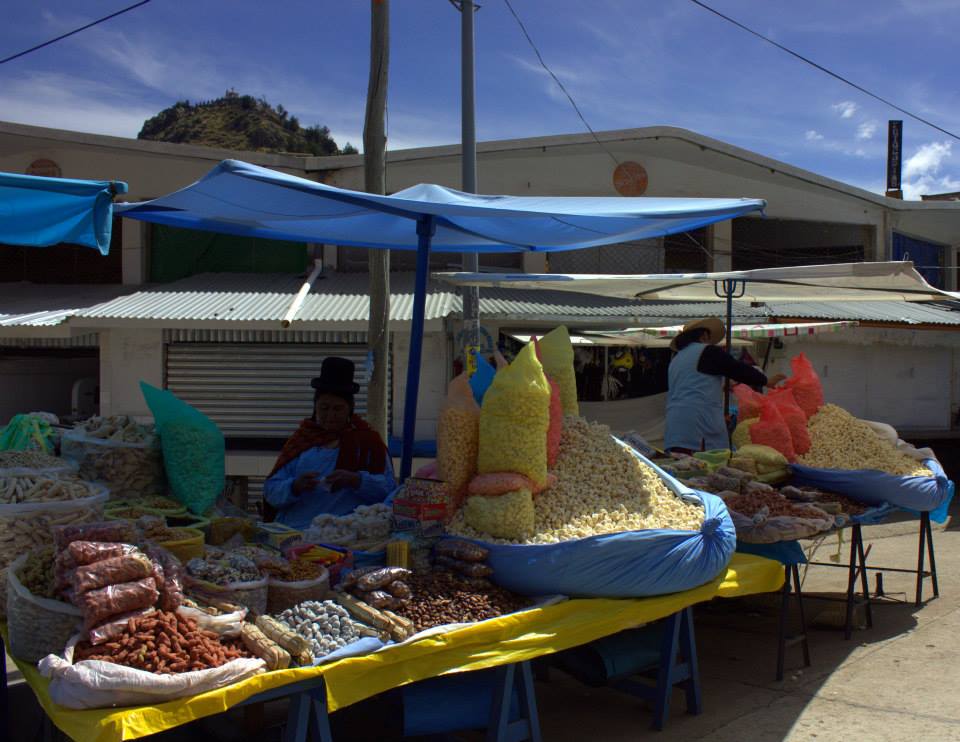
Relaxing jungle days
After my recent Amboro scare, I was not keen on a jungle adventure and happily settled for the pampas tour instead. Moreover, endless trawling on the net for comparative reports and blogs suggested better wildlife spotting chances at the pampas. The animals frequented the pampas to drink water and were more easily spotted there, especially in the mornings and evenings. The thick foliage of the jungles hid them from getting easily spotted, and since wildlife watching was my priority for the trip, I had sacrificed the spectacular Sajama and Noel Kempff National Parks for a Madidi pampas tour.
Rurrenabaque, or Rurre as it is lovingly called, stole my heart at first sight. Surrounded by dense tropical rainforests, the airport was filled with busy hens and roosters clucking for worms, and passengers just walked up to the airstrip to collect their bags and hop off in shared jeeps or buses. Bright sunshine warmed our backs, flowers shone in brilliant colours, and it was idyllic as it could get. We also claimed our bags straight from the hold, piled into a shared minivan, and rattled along for 10 minutes down green tree-filled dirt tracks. The peaceful, sleepy international village of Rurrenabaque arrived, and the charming equal mix of foreign and residents immediately made us feel at home.
The local international life in Rurrenabaque
Marty and I decided to explore Rurrenabaque together to share costs, and we had an amazing time on the cheap. A sensitive, talented Polish musician living in Sydney, he was a fun traveler, intelligent conversationalist, and enjoyed life in the delightfully laidback Aussie way. We stayed at the Beni hostel overlooking the Beni River, and thanks to Marty’s infectious, happy ways, fell into an easy pattern of pleasant Rurrenabaque days. Food, music, swimming, and conversation filled our days, and life had delightfully slowed down. Our days started with big breakfasts of egg pastries and fruit salads from the local market, pizza lunches, and dinners at Luna Lounge with a Swiss Playboy and an Ecuadorian businessman. Both were incredibly traveled, were notorious gossip mongers, and our dinners always stretched past midnight. Sunsets always saw us heading towards Oscar’s swimming pool, and we tossed and cursed noisy fireworks bursting over Rurrenabaque villagers every night. Rurrenabaque was a charming blend of cosmopolitan and rustic and had local karaoke bars, cafes, and shops jostling for space next to international cuisine serving restaurants, music lounges, and pubs. Its most popular resident was the mad American banana bread and brownie seller called Ron, and he loved sharing goofy conspiracy theories with people who thronged for his baked goodies. Rurre days were good, and when on a break from eating and gossiping, we used to binge on back-to-back movies on our laptops, hike up the hills for spectacular sunsets on the Rio Rivers, and swim under starry skies at Oscar’s swimming pool.
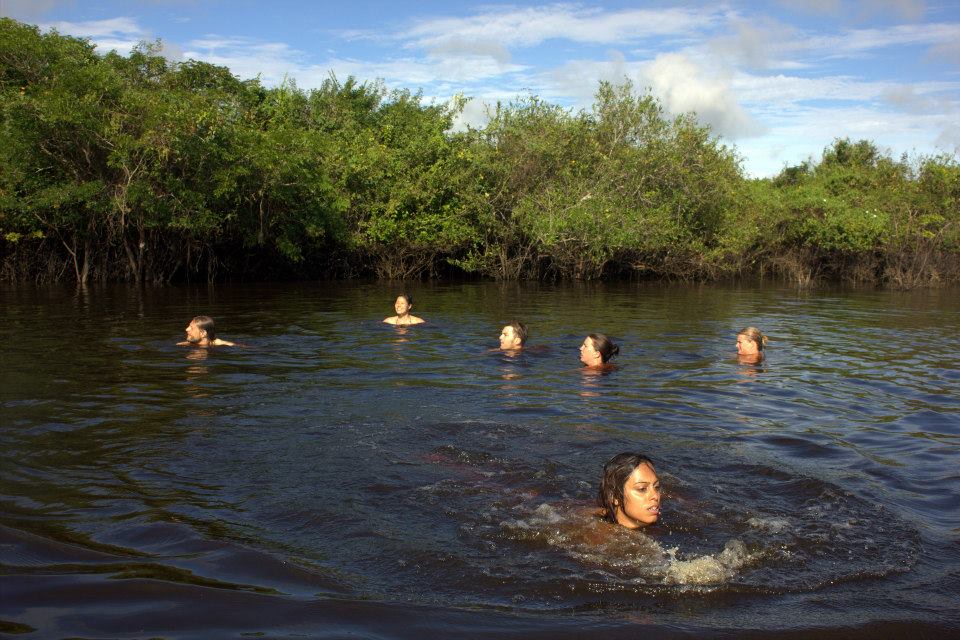
Madidi National Park
Rurrenabaque was also a mini Israel, and nearly all restaurants had menus printed in Hebrew along with English and Spanish. Israelis love traveling, make great travel companions, and are well known for their bonhomie. It rained for a few days, thus delaying our planned trip, and finally, one bright morning after a delicious breakfast of croissants and pastries at the French bakery, we set off with a group for the pampas tour. Our agency, Fluvial Tours, was very good, and we had a great time with them in the Amazon basin. It took 3 hours of dusty, breathtakingly pristine rural drive to reach the Madidi National Park and another hour in an open boat to reach our jungle lodge. Technically, we were heading for the mangrove and brush vegetation-filled wetlands, which were in the periphery of the Amazon jungle, and while the concentration of wild animals living there was no way close to the jungles, it was thrilling enough for us.
It was remote, pristine, and teeming with anacondas, piranhas, caimans (alligator species), and dolphins. Caimans basked with open snouts next to our elbows as we squeezed into tiny, cramped mangrove waterways, and playful pink dolphins nudged our boats wildly. Monkeys whooped, macaws squawked, and giant anteaters scrambled along the banks. Although spotting jaguars was next to impossible, porcupines and other endangered animals also frequented the area in abundance, and we gladly gave the jungle tour a miss. The jungle lodge was wooden, basic, with river water showers and built on stilts to avoid wandering snakes, prowling wild animals, and caimans. The food was amazingly wholesome and delicious, and our guide, Max, was an experienced, friendly man who was born and bred in the pampas.
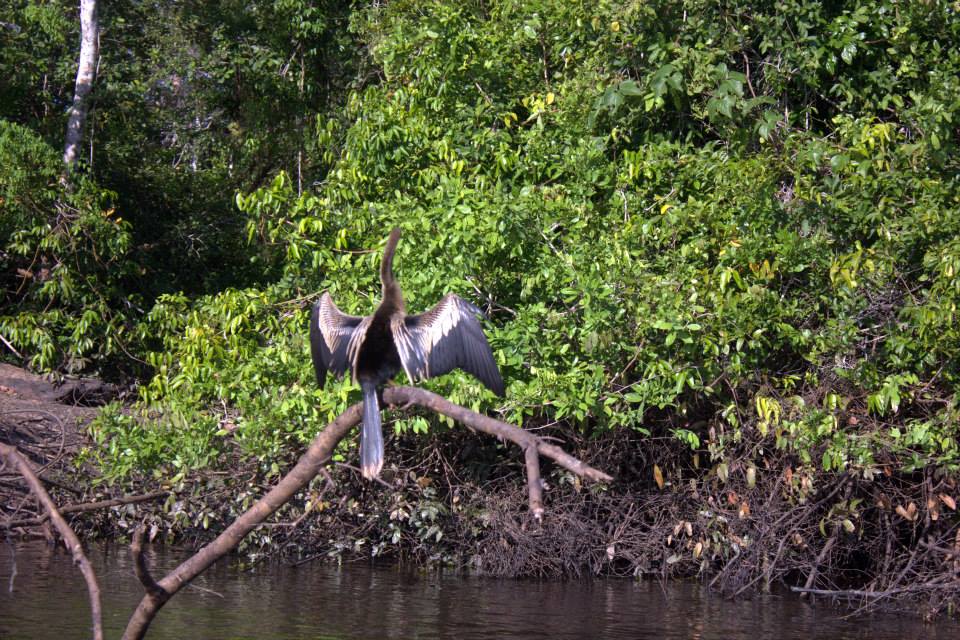
Pampas experience
The pampas days were primal, captivating, and an incredible explosion of sights and sounds. The sunsets used to be always raw and vividly coloured, and the pitch dark nights pregnant with animal noises, were filled with fireflies and red eyes of reptiles submerged in water. We spent 4 nights and 5 days there simply unwinding, lazing on the hammock, reading, and practicing music at sunsets. It was an easy-paced tour unlike the jungle trip, and our activities took us swimming, fishing, and once, anaconda hunting. The first night after dinner, we went for caiman spotting, and it was a very scary experience. We were sitting cross-legged on a very low boat and sailing down a pitch-dark river full of glowing red eyes. It was a moonless night, and only huge colonies of fireflies along the banks created any illumination. The trees were filled with the glowworms, and they formed tunnels of twinkling stars. It was very magical to sail down our own galaxies of millions of twinkling fireflies, and they sprinkled stardust into our eyes. Glowing red eyes soon got forgotten as we got lost in our thoughts in the firefly tunnel.
The next dawned cloudy and marred our first pampas sunrise. The sun, however, shone post breakfast, and we spent the whole afternoon tramping the swamps for anacondas. It was hot, muggy, and the rain boots provided were mostly too big or broken in. Uncomfortable and apprehensive, it was not exactly fun to hunt slimy snakes for hours in the hot sun and mosquitoes, with our boots getting stuck in wet, squelchy mud. I gave up quickly, made a beeline for a hammock with an ice-cold beer, and rocked the afternoon away. However, thanks to Ma,x others managed to find a baby anaconda coiled peacefully on a tree. Our excited shrieks at seeing the “big bad anaconda” (credits to the disgusting Hollywood movie) disturbed its siesta and scared it into immediate hiding, before we could even photograph it.
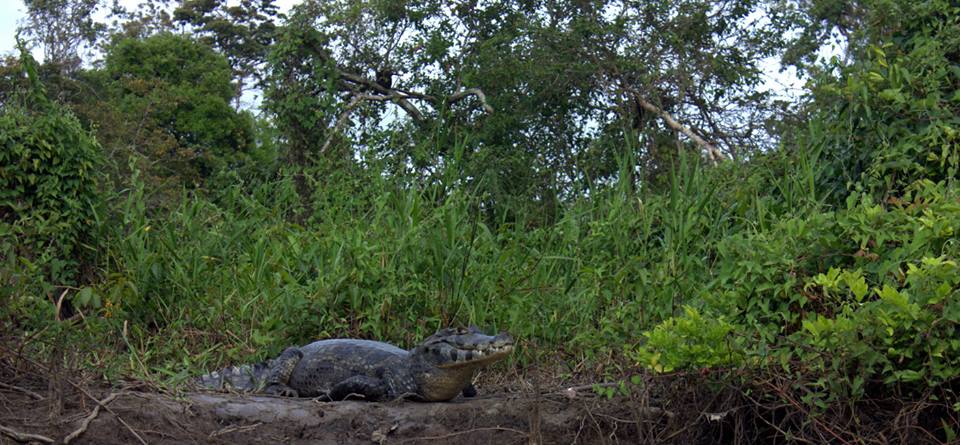
Piranha hunting and swimming with the dolphins
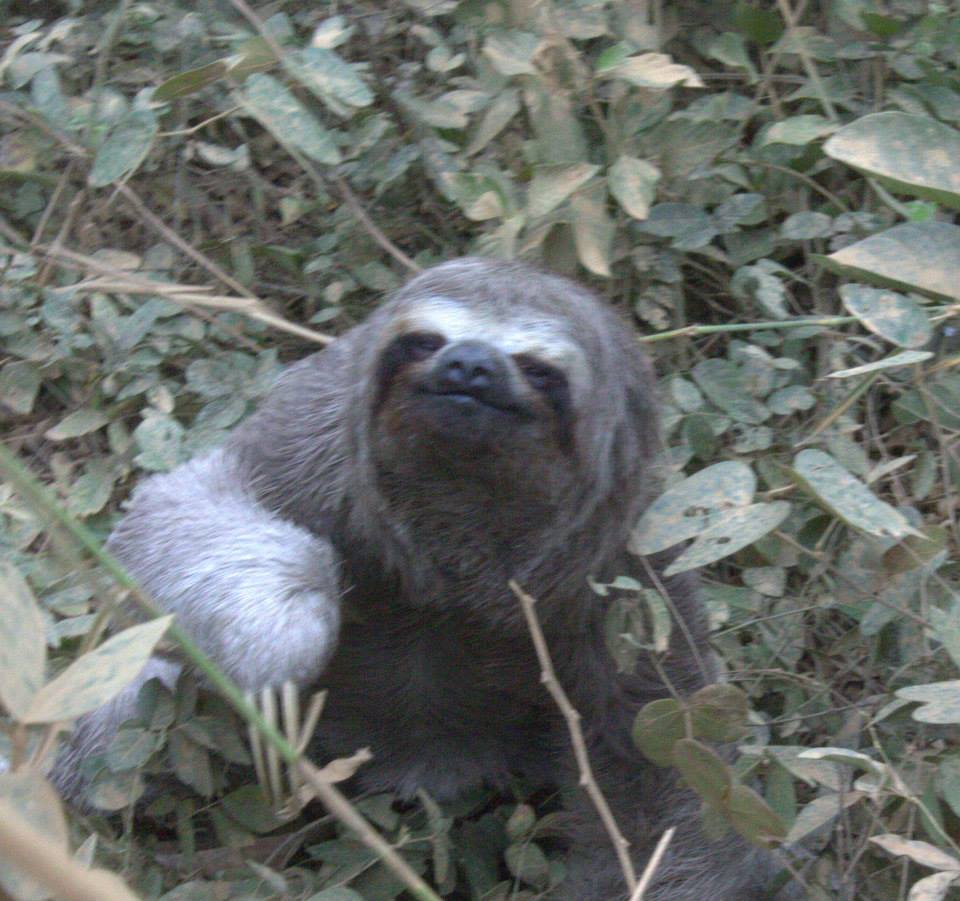
Piranha hunting was also a big failure. Once again, bad Hollywood movies played the spoilsport and upped our horror expectations to no limits. The real innocent fishy-looking piranha disappointed us by its normalcy, and we dozed on our boats in the afternoon shade while our fishing lines caught a few of the supposed to be flesh-eating fearsome fishes for dinner. Swimming with the dolphins (and some caymans who were sunning on the banks), however, was a lot of fun, and Max expertly shepherded us to a dolphin-infested area for safety. River dolphins are supposedly very territorial and keep caimans away, thus making that area in the river safe for swimming. Even then, swimming there took a lot of effort because the inky dark water revealed nothing, and we imagined anacondas, piranhas, and caimans lurking underneath. They inhabit the river too, and every time the playful dolphins nibbled our toes/nudged us, our hearts pounded with fear. Twilight table tennis sessions, sunset soccer games, and rescuing a sloth bear on our way back from the national park made up for the rest of the extracurricular activities, and Rurre turned out to be the highlight of my Bolivian trip.
Off to Cuba
A huge storm followed us back to Rurrenabaque, cancelling all flights, and all of us got stranded till it cleared. The only ATM ran out of cash soon, and I seriously considered extending my Bolivian visa. Aerolinas Argentinas, however, curtly informed me that my onward ticket out of Bolivia could not be rescheduled/cancelled, and I struggled to get out of Rurrenabaque. Time was running out, and torrential rain made road travel nearly impossible. Somehow I managed to barter a flight seat in exchange for a hotel stay with a generous Israeli and flew back by Amazonas. It was more expensive, had a smaller aircraft, and provided a rougher ride back to La Paz than TAM, but I was just in time for my international connection to Cuba.
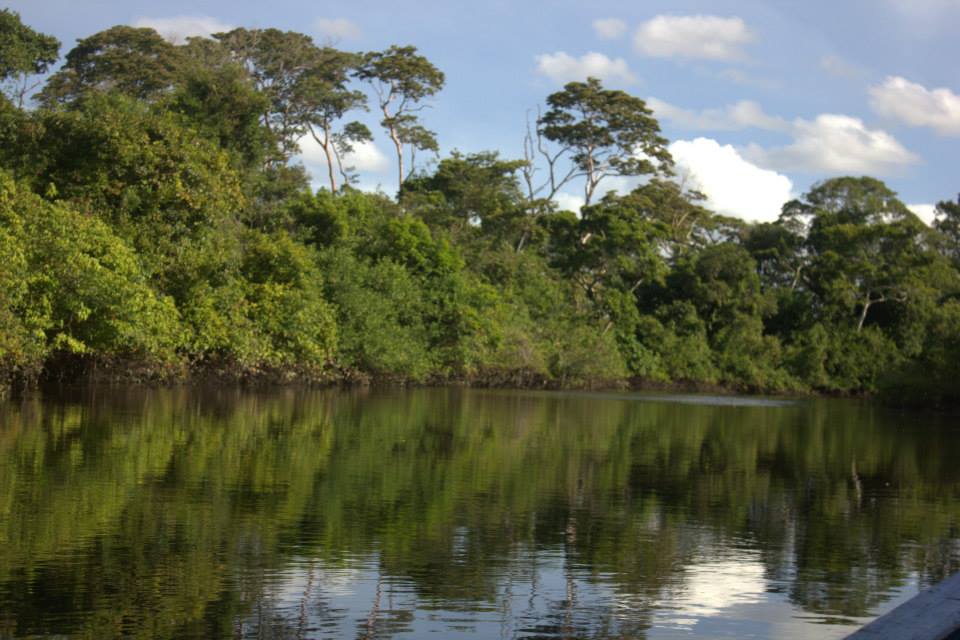
Rurrenabaque Travel Tips
Carry loads of white/light colored clothes to avoid mosquitoes, some books, extra cash for beer and room upgrade (perhaps), swimsuit, and raincoat. Animals are hard to find and depend on luck and the expertise of the guide, but the sunsets and landscapes are awesome. The experience of finding a caiman under your room in the pampas is unforgettable, and in Rurrenabaque, come prepared with earplugs for really bad all-night loud karaoke sessions and erratic bursts of Chinese crackers, especially early in the mornings. The rice crispy covered egg patties found in the local markets are delicious and complement the absolutely divine maracuya juice, and do try Ron’s banana bread and brownies. You can buy cheap white T-shirts and bikinis at the village stores (50 Bolivianos) as well as inexpensive bike rentals. Refunds from airlines take 3 months and are a formidable task, so avoiding rescheduling/cancelling makes sense. It is possible to hire a local fishing boat and a fisherman guide to go on week-long trips down the virgin and unexplored Yacuma River.
Follow the rest of the Bolivia series
- PHOTOS FROM MY BOLIVIA TRIP
- ARRIVING IN BOLIVIA ALL THE WAY FROM INDIA
- THE CHARMING CITY OF SANTA CRUZ
- BOLIVIA TRAVEL PHOTOS
- THE RELAXING DAYS OF SANTA CRUZ
- TRIP TO SAMAIPATA
- A SCARY HIKE IN AMBORO NATIONAL PARK
- SUCRE, A CHARMING COLONIAL TOWN
- TARABUCO; A LIVELY, INDIGENOUS MARKET
- A LONG RIDE TO POTOSI
- SALAR DE UYUNI TOUR DAYS 1 and 2
RESPONSIBLE TRAVELING-BECAUSE I CARE


I thoroughly enjoyed my vicarious trip to the Amazon. Thank you.
Looks like that’ll always be a very memorable trip for you.
Yes Amazon trip was amazing,I am very happy that you enjoyed your Amazon journey with maverickbird.
I could not mention rafting down Yacuma River,spear fishing and living in the jungle since I did not have images(forgot to carry my camera like an overexcited fool),but if you go there(physically..lol) do let me know.I can help arrange my fisherman friend to guide you around the river channels and jungle
Wow! this is seriously adventures! This is sure going to be memorable. interesting pics 🙂
Thank you. It was a lot of fun.
Wow, what a trip into the Amazon heartlands! The pampas nights sound a wee bit scary, but this was all SO adventurous. South America is right up there on my bucket list, I hope it pans out someday. Have you written more posts on Bolivia? Would love to read more.
Thank you. Yes there around 7 more posts on Bolivia.
Ah great, I’ll hunt them down and go through them. 🙂 Sorry, I seem to have some trouble navigating around the site, but I’ll figure it out now!
I hope you can find them. The site is undergoing some changes. So please bear with me.