Trip to Samaipata
My last morning in Santa Cruz was a difficult one. Loud weekend party noise gave me a restless night, and by the time I checked out, all the English-speaking people of Santa Cruz de la Sierra I knew were sleeping. I somehow managed to hail a taxi, had to agree to his atrocious fare, and tiredly waited for the truffi stand to arrive. I had decided on going by truffi (shared taxi) to Samaipata, and the taxi stand was somewhere in the city. The taxi driver was a slim shady and relentlessly shared with me the highs of cocaine. I wondered what he wanted and ignored him in silence till I could take it no more. Unrequited coffee craving had triggered off a dull headache, and I started singing loudly in Hindi to shut him off.
That somehow worked like magic, and silence ensued in our taxi till the truffi stand arrived. The taxi stop was bustling even in the wee hours of the morning, and a mistaken identity of being taken as a Bolivian unleashed a rapid torrent of Spanish on me. I staggered back, reeling from it, when finally my weak hello broke the misconception. Immediately on being identified as a foreigner, I got offered the spacious front seat and sweet, patient replies to my undecipherable questions in very bad Spanish.
Samaipata, a sleepy, international village
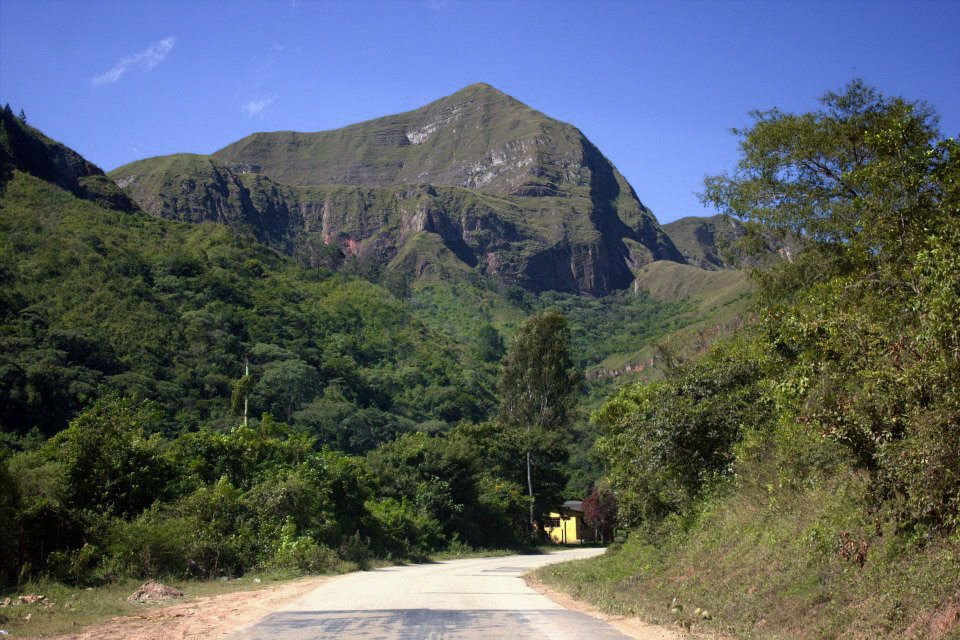
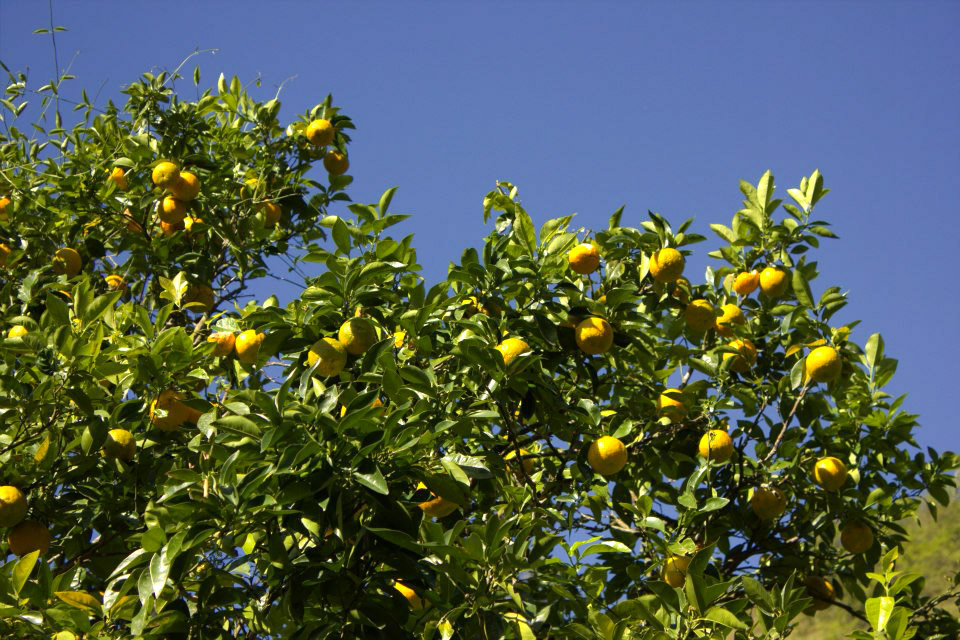
30 bolivianos and 3 hours took me from Santa Cruz de la Sierra to the sleepy international village of Samaipata. Meaning the “Heights to Rest” in Quecha language (an old Indian language), Samaipata was situated at the foothills of the mighty Andes. It was cool, lush, and very, very beautiful. The ride to Samaipata was no less spectacular, and the highway went through the beautiful Bolivian countryside. We zipped past some more Chinese fried chicken shops, factories, and sprawling government institutions before finally entering the Andean foothills. Flat orange country spread on both sides of the highway, and quaint little villages, farmer’s markets, and toll booths bustled merrily in the morning. Andes constantly loomed on the horizon, and after a couple of twists and turns, our truffi suddenly puttered into a densely forested area. We trailed along broken roads amidst red sandstone hills where tinkling streams curved along and oranges hung from trees like a million little suns. The air was fresh, crisp, and I took in huge lungfuls of the cool mountain breeze.
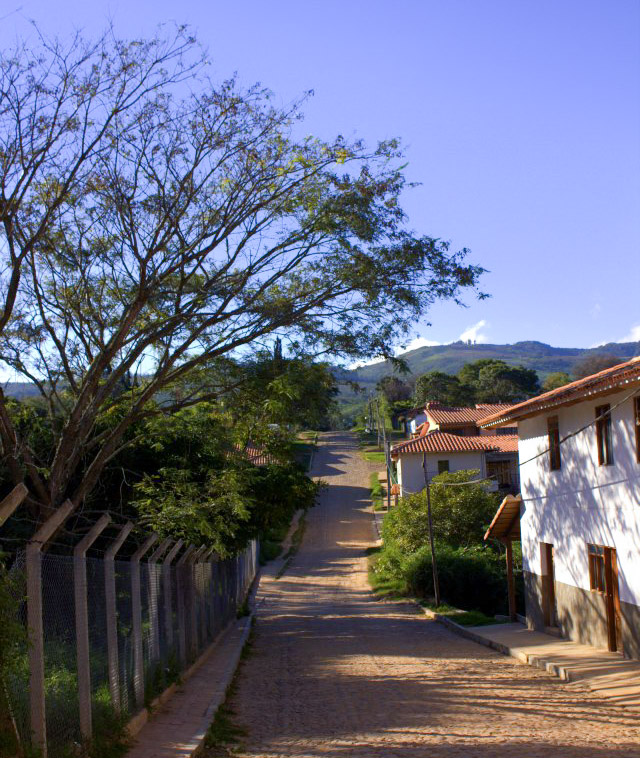
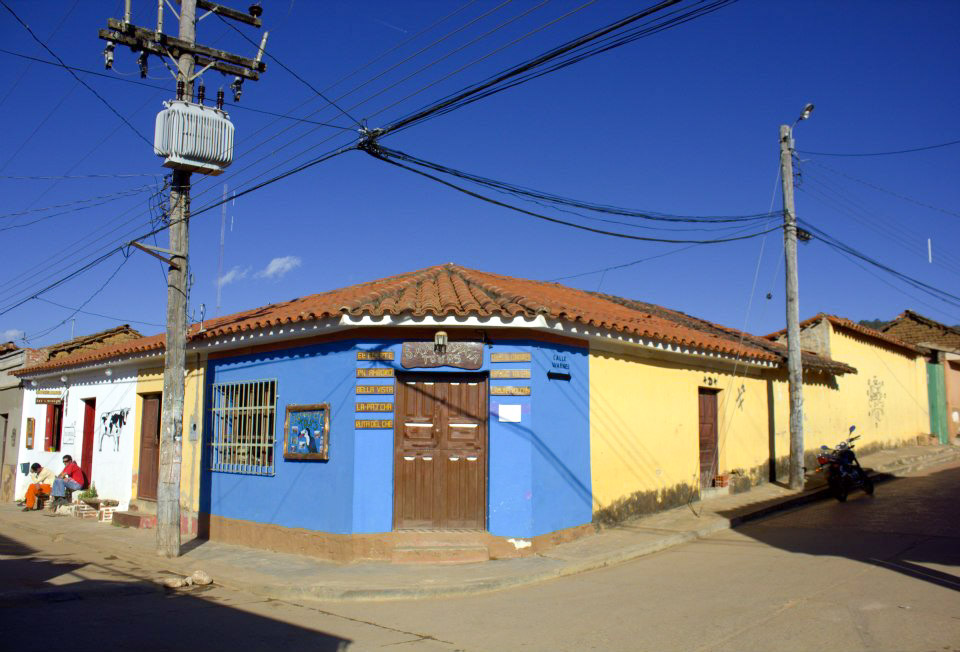
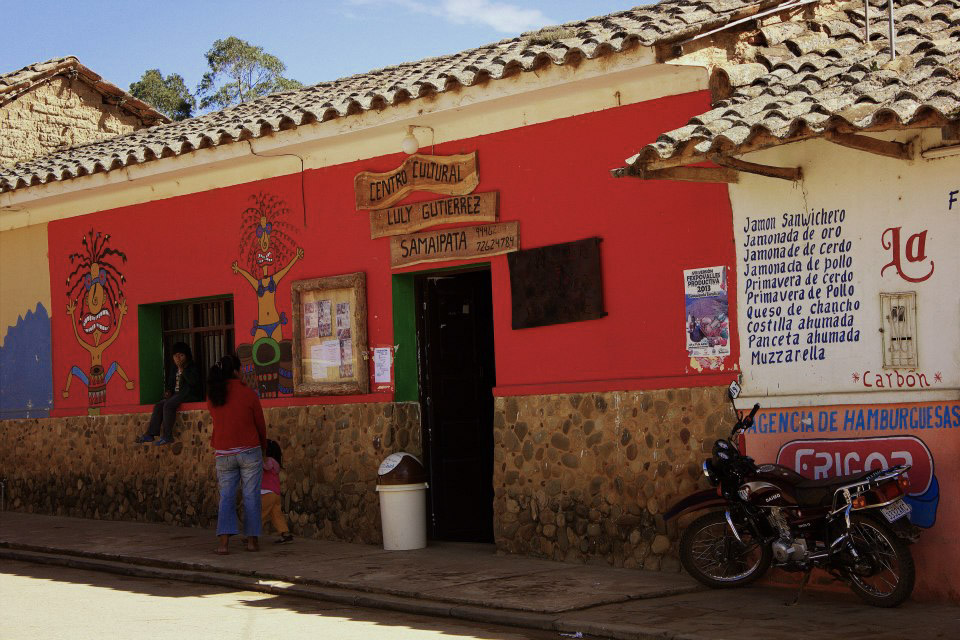
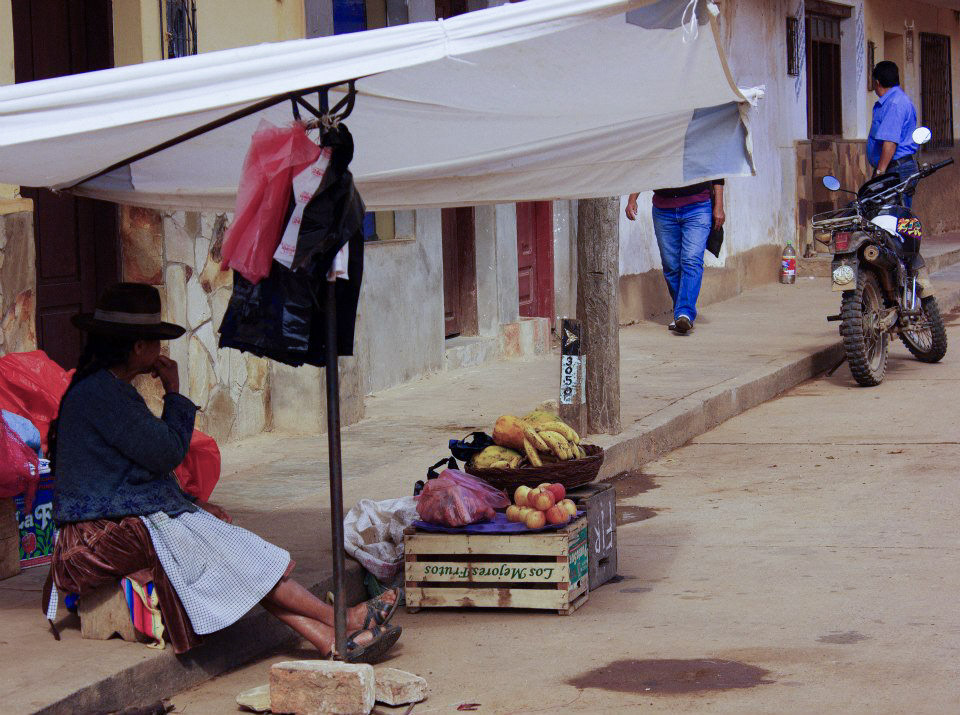
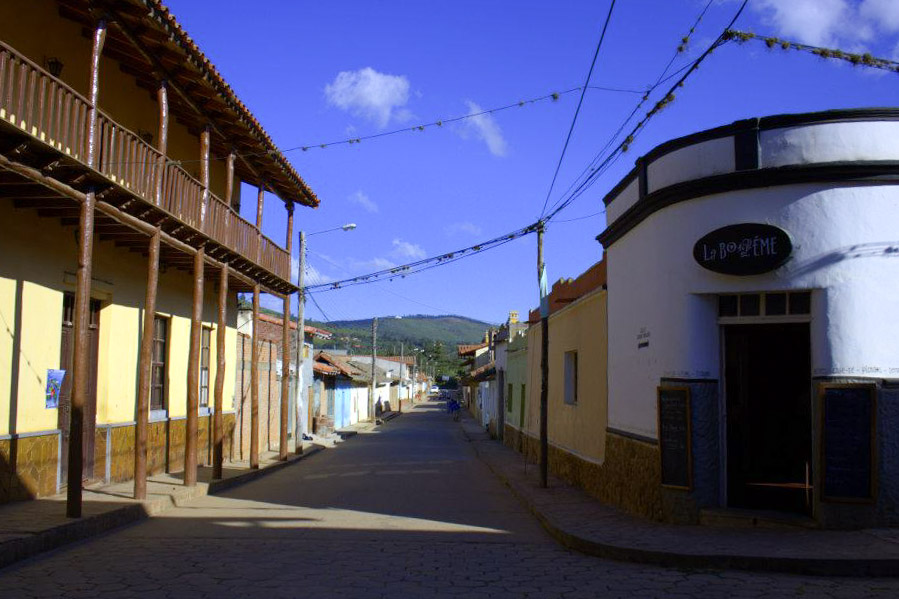
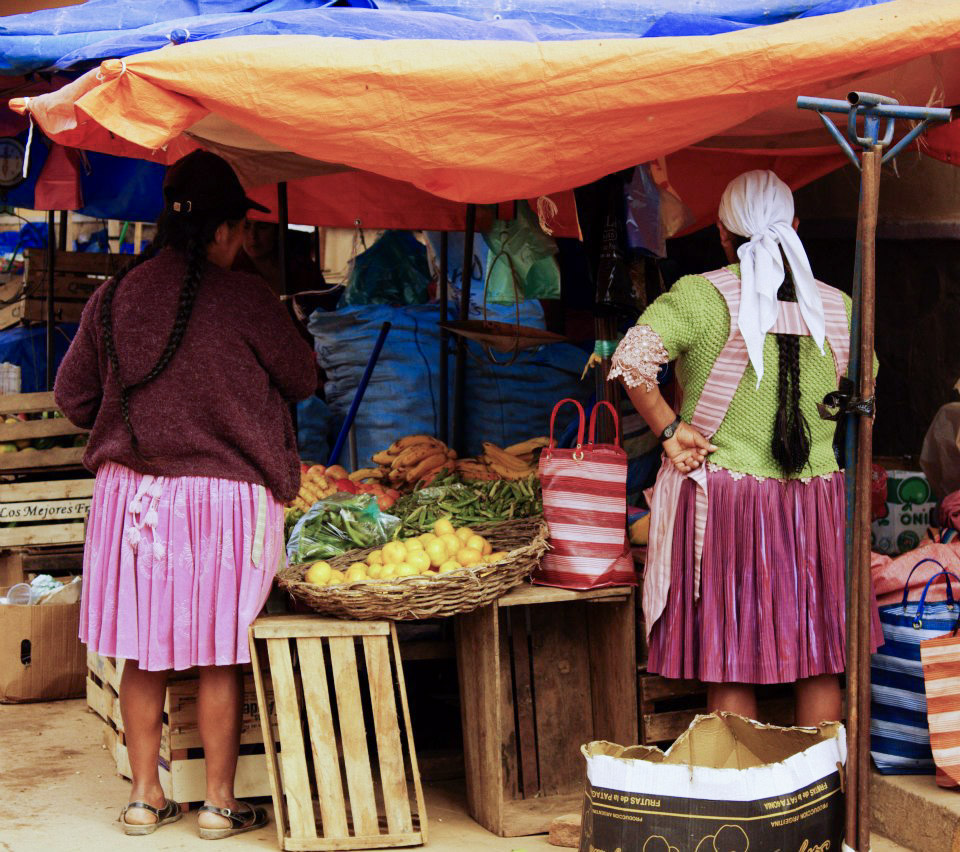
The beautiful drive finally came to an end, and we reached Samaipata at siesta time. As usual, the village was centered around a square, but it was completely deserted by the time I got dropped off by the truffi. I explored a bit, went around in circles till I found my Hostal Andorinawith some difficulty. Although the Andean sun was high in the sky, my hostel hunt was a very pleasant one. Samaipata was a very picturesque village. Colourful tiled houses stood in rows, and narrow cobbled streets went winding up and down the flower-filled slopes. A few curious old cholitas (a traditional Bolivian lady) in bright shawls and braids stopped their gossiping to eye me curiously, and their friendly Spanish inquiries flew past me like alien words. I managed to fumble out the name of my hostel shamefacedly as they laughed and tutted at my awkward attempts at Spanish.
“Heights to Rest” in Quecha language
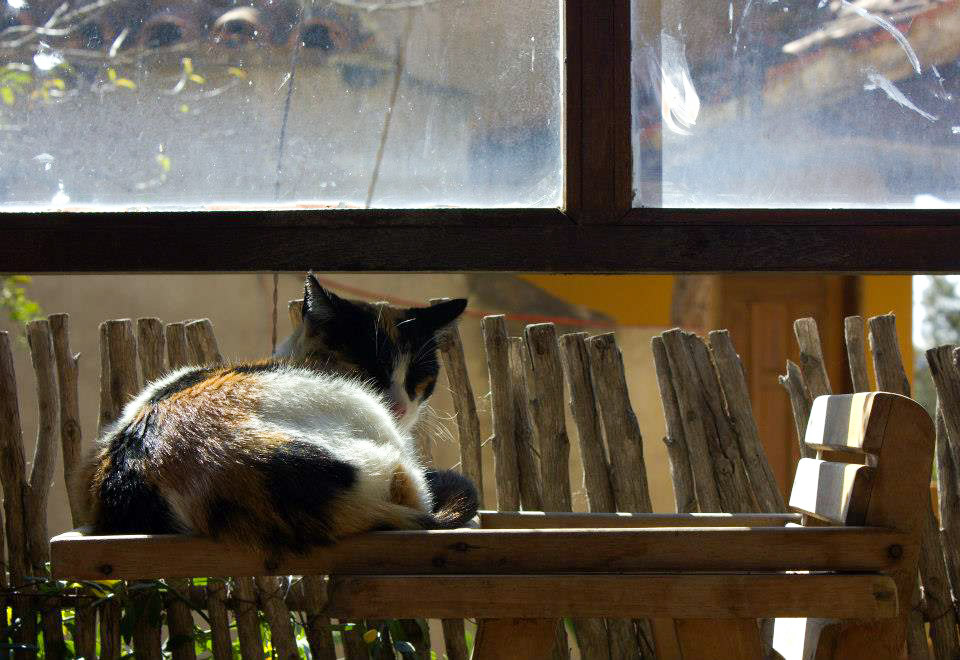
Their laughter and jokes went on for some time until one friendly cholita took pity on me and showed me the way. I trudged under a pitiless mountain sun up the winding roads once again and took in the stunning, simple beauty. Big butterflies, the size of small birds, flew around the copious multi coloured bloom, and the cute shaggy street dogs followed me around. I finally reached the hostel and fell in love with its bright, cheerful settings. A nice, bright, artsy place, it had brilliant patches of sunshine, lots of local art, and a beautiful garden. My room was in a Heidi-like loft, and I could see the mountains from my window. Inti, the house cat, befriended me immediately and during my entire stay chose to sleep under my blanket at night and wake me up every morning with her loud demands for food. Samaipata beautifully did justice to its Quecha name, “Heights to Rest”. I relaxed and rejuvenated there in the quiet Andean sun until Samaipata life seduced me into its easy, languid pace.
My days slowed down, became peaceful, uneventful, and were spent playing with Inti, walking around the village and the surrounding vineyards, and learning to play panpipes. Starry nights, friendly cholitas at the local market, luxuriating siestas on the deckchair, and smiling morning glories around my bedroom window gave me many pleasant memories, and I happily indulged in something I rarely do on my travels – RELAX and just DO NOTHING.
The art of doing nothing in “Heights to Rest”
Samaipata evenings were cold and brought out brightly coloured ethnic Aztec printed woollies, spiked coffees, and gossip with other travelers at La Boheme, the only bar and watering hole for wanderlust souls. Being the jumping off base for Amboro National Park and beyond, Samaipata attracted many travelers throughout the year and was very global for its quaint charm. It’s a peaceful, quiet, and stress-free ambiance that rejuvenated all road-weary souls before they went ahead with the rest of their travels. I too fell into its lazy pace, let my guards down, and foolishly signed up for the Amboro Trek with Samaipata tours.
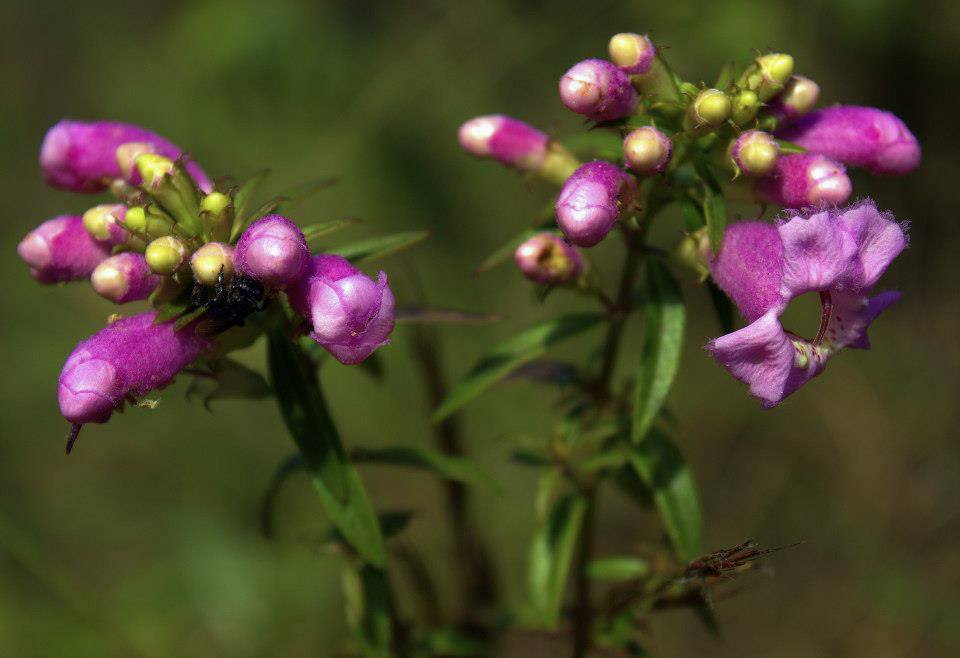
Che-inspired tours and unique desert flowers near Samaipata triggered my interest in regions beyond the village, and I stumbled upon photos of the mysterious cloud forests of Amboro. Bolivia has amazing wildlife, and in spite of being a culture lover, I could not pass up the chance of exploring some of South America’s most famous jungles. Samaipata Tours seemed cheap, efficient, and I looked forward to my Amboro trek. Little did I know at that time that my hasty decision would turn everything upside down, endanger my life badly, and nearly shatter my Bolivian dream.
Follow the rest of the Bolivia series
- PHOTOS FROM MY BOLIVIA TRIP
- ARRIVING IN BOLIVIA ALL THE WAY FROM INDIA
- THE CHARMING CITY OF SANTA CRUZ
- BOLIVIA TRAVEL PHOTOS
- THE RELAXING DAYS OF SANTA CRUZ
RESPONSIBLE TRAVELING-BECAUSE I CARE
FAQs
What are the best attractions in Samaipata?
The article centers on Samaipata’s overall atmosphere rather than specific sights — its lush Andean-foothill setting, red sandstone hills, colourful gardens, and easygoing hostel life. It also mentions the village as a jumping-off point for the Amboro cloud forest trek and Che Guevara-inspired tours in the surrounding region.
Is Samaipata worth visiting?
Yes, based on the author’s experience — they describe falling into its ‘lazy pace’ and found it a genuinely rejuvenating, stress-free stop that lived up to its Quechua name, ‘Heights to Rest,’ after a tiring stretch of travel through Santa Cruz de la Sierra.
How much time should I spend in Samaipata?
The article doesn’t state an exact duration, but the author’s stay involved settling into a slow, restful rhythm at a hostel before eventually signing up for a multi-day trek into nearby Amboro National Park, suggesting a few relaxed days is a natural pace for the village itself.
What is Samaipata famous for?
Samaipata means ‘Heights to Rest’ in Quechua and is known as a sleepy, international village nestled in the foothills of the Andes, popular as a rest stop for road-weary travelers and as a base for exploring the nearby Amboro cloud forests.
Is Samaipata tourist-friendly?
The article portrays it as welcoming, with the author quickly making local friends (including a friendly cholita who helped with directions) and settling comfortably into an artsy, bright hostel. That said, the author is candid that the journey there involved an uncomfortable shared-taxi ride, and that a hastily booked trek from the village later put them in real danger — a reminder to vet local tour operators carefully.
I’m planning a trip to Samaipata — what should I prioritize seeing and doing there?
Prioritize simply slowing down — the article’s core recommendation is embracing the village’s restful pace, enjoying its gardens and local art scene, and if you’re drawn to adventure, researching Amboro National Park trekking options carefully, since the author’s own last-minute booking through a local operator led to serious safety issues on the trail.
Can you give me an honest, first-hand take on what Samaipata is actually like to visit?
The author’s honest take is genuinely affectionate — despite an exhausting and slightly unnerving shared-taxi ride to get there, they describe falling for Samaipata’s beauty, quiet charm, and welcoming hostel life, though they’re candid that impulsively booking an Amboro trek with a local tour company from the village nearly turned dangerous.
What’s the best time of year to visit Samaipata, and why?
The article doesn’t specify a best season, but describes the author’s visit involving a pitiless midday sun on the walk up to their hostel, suggesting travelers should be prepared for strong sun and warm daytime conditions in the village.
What should a first-time visitor to Samaipata know before they go?
First-time visitors should know it’s about a 3-hour, 30-Boliviano shared-taxi (truffi) ride from Santa Cruz de la Sierra, that it sits in the cool, lush Andean foothills, and that while the village itself is relaxing, the author strongly cautions against booking adventure tours (like an Amboro trek) hastily or without proper vetting, based on their own experience.
How does Samaipata compare to nearby destinations for someone deciding where to go?
Compared to the bustle of Santa Cruz de la Sierra, Samaipata offers a much quieter, slower-paced alternative — the author explicitly contrasts their restless last night in noisy Santa Cruz with the calm, rejuvenating atmosphere they found upon arriving in the village.


