Chengdu Local Market Food Tour & Cooking Class: Discover Sichuan’s Spices, Tea, and Traditions
Chengdu conjures up images of giant pandas and a laidback city. Those are all true because Chengdu is probably China´s friendliest and easiest-going city. It is a place where people love to yarn about nostalgic things, sip tea in a leisurely way, play mahjong, and eat. It is also a city that loves to eat, and the sheer number of eateries that line the streets of Chengdu will take your breath away. I often wondered how they manage to stay afloat amidst such tough competition, but they do, and the food is delicious, if on the spicy side. In my opinion, the best way to explore a place is to feel it, and in Chengdu, it means a combination of soaking in the city´s vibe and sampling its delicious treats. The true heart of Sichuan beats in its local markets, tea houses, and kitchens, and what can be better than exploring them together?
A Chengdu food tour and cooking class is the ultimate way to dive into Sichuan culture—tasting unique snacks, exploring fresh markets, and cooking with the iconic Sichuan peppercorns, chili paste, and chili oil that make this cuisine so sizzling hot and world-famous. I explored the culinary side of the city with a Chengdu food tour. It included a visit to the local market and a cooking class with Chilli Cool China.
A Chengdu Food Tour starts with a Local Market Tour
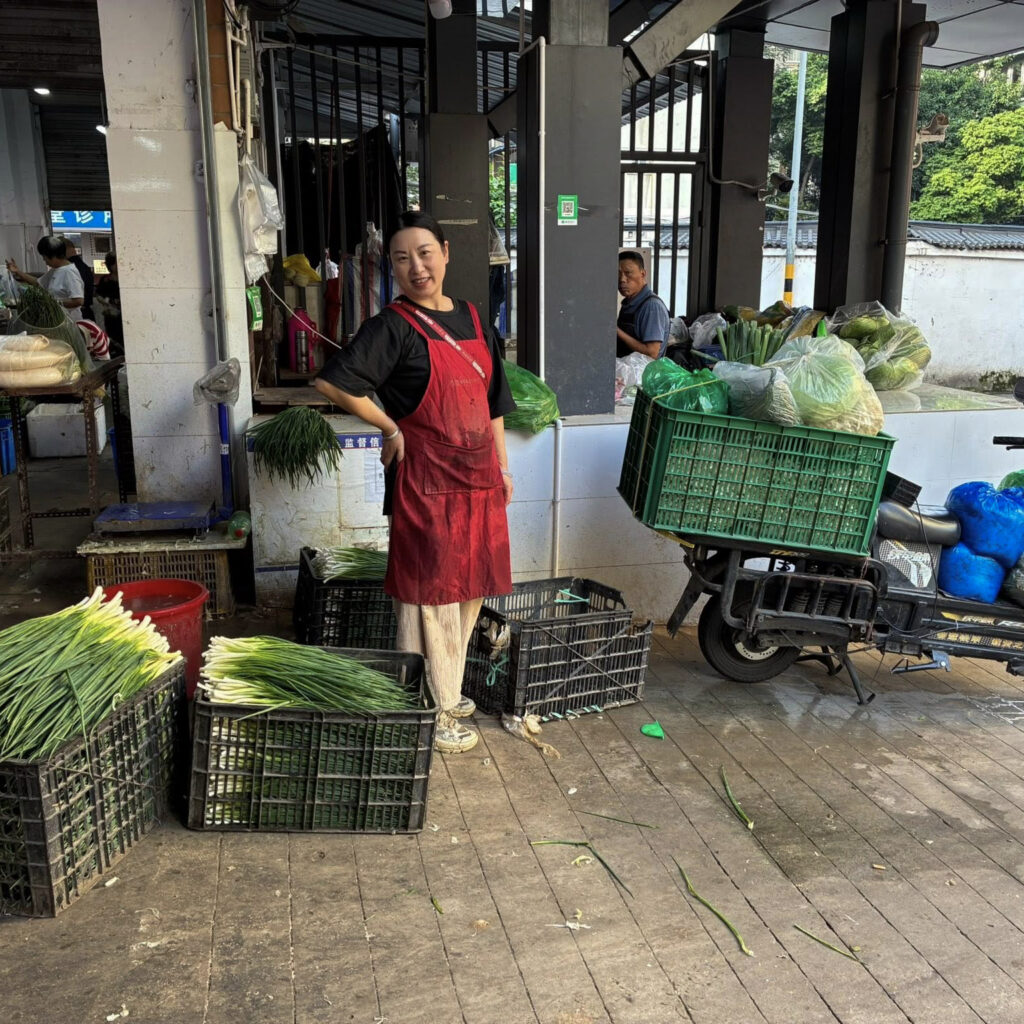
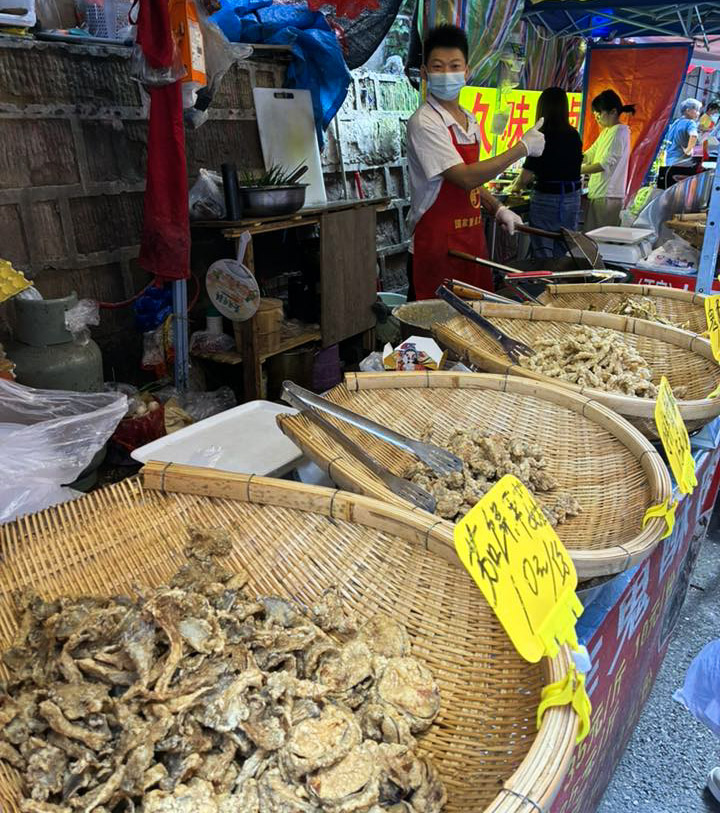
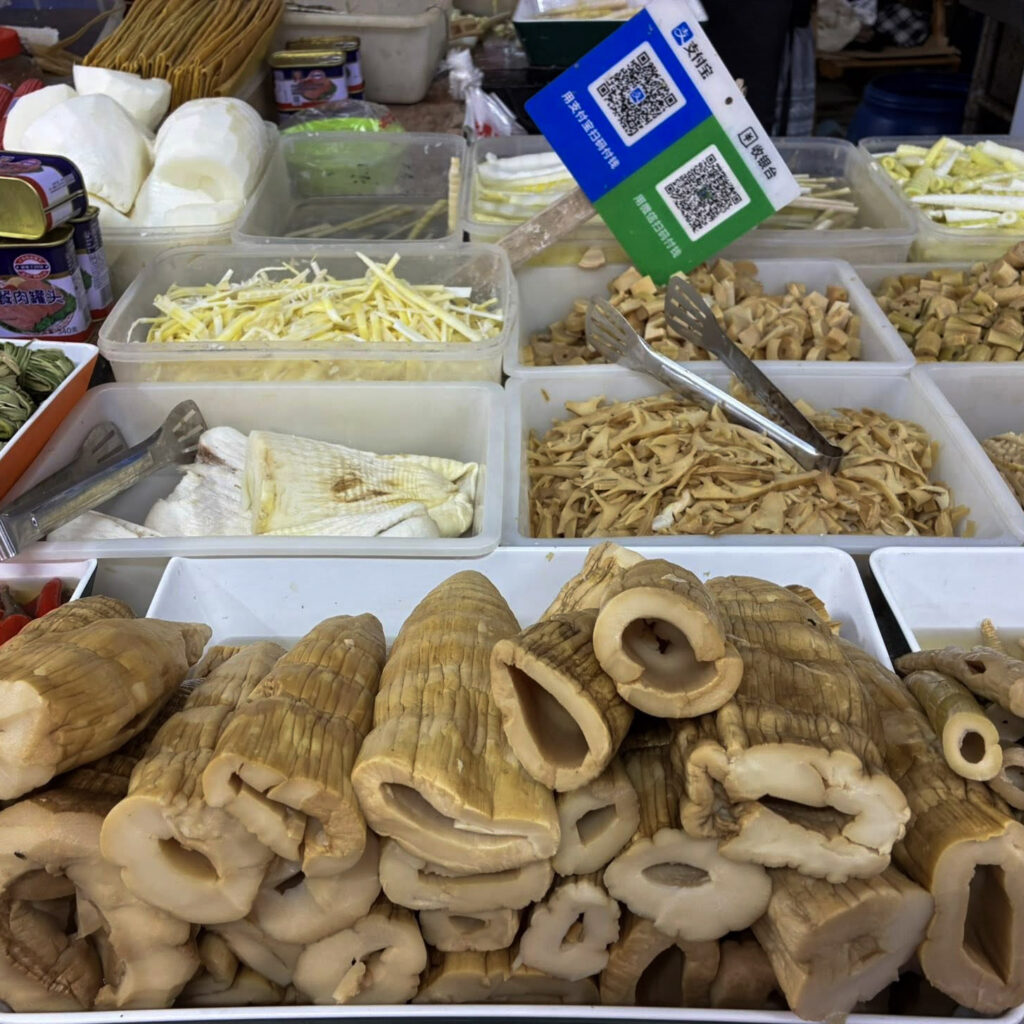
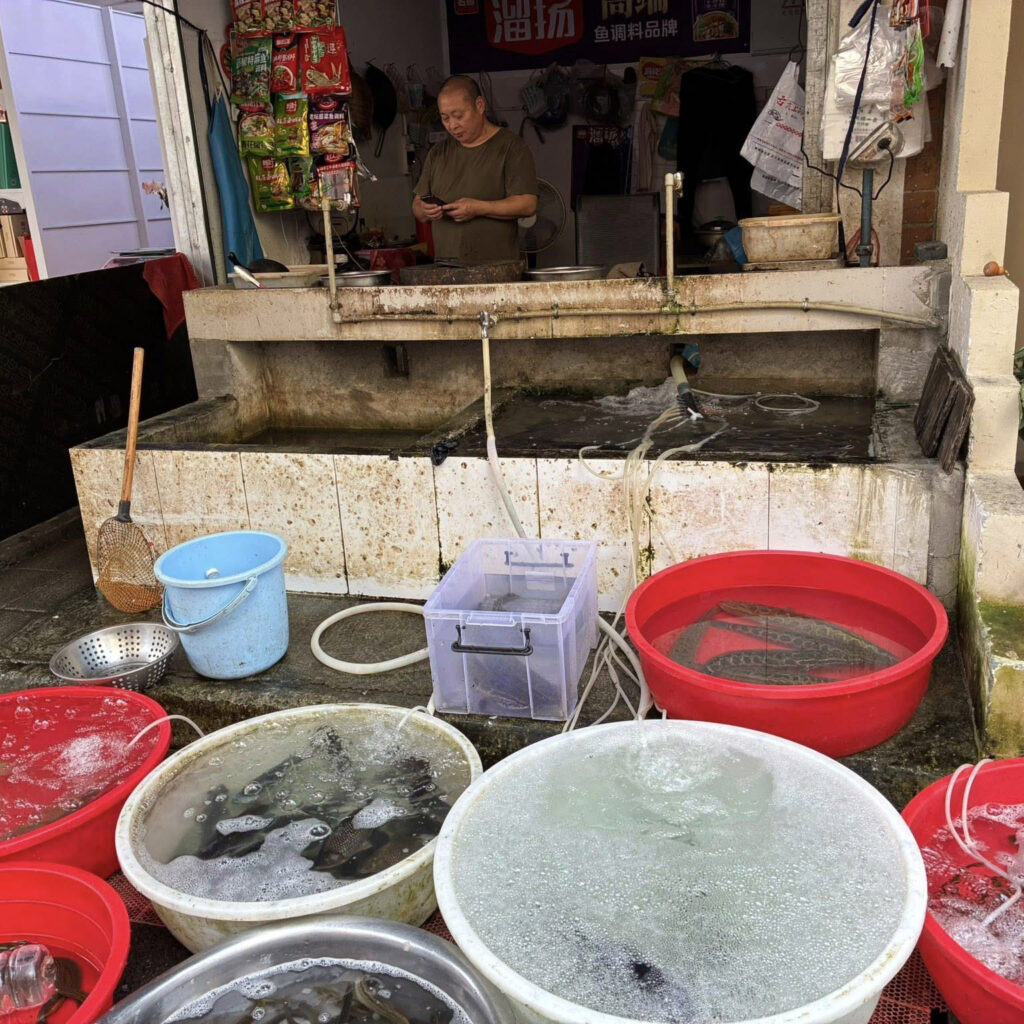
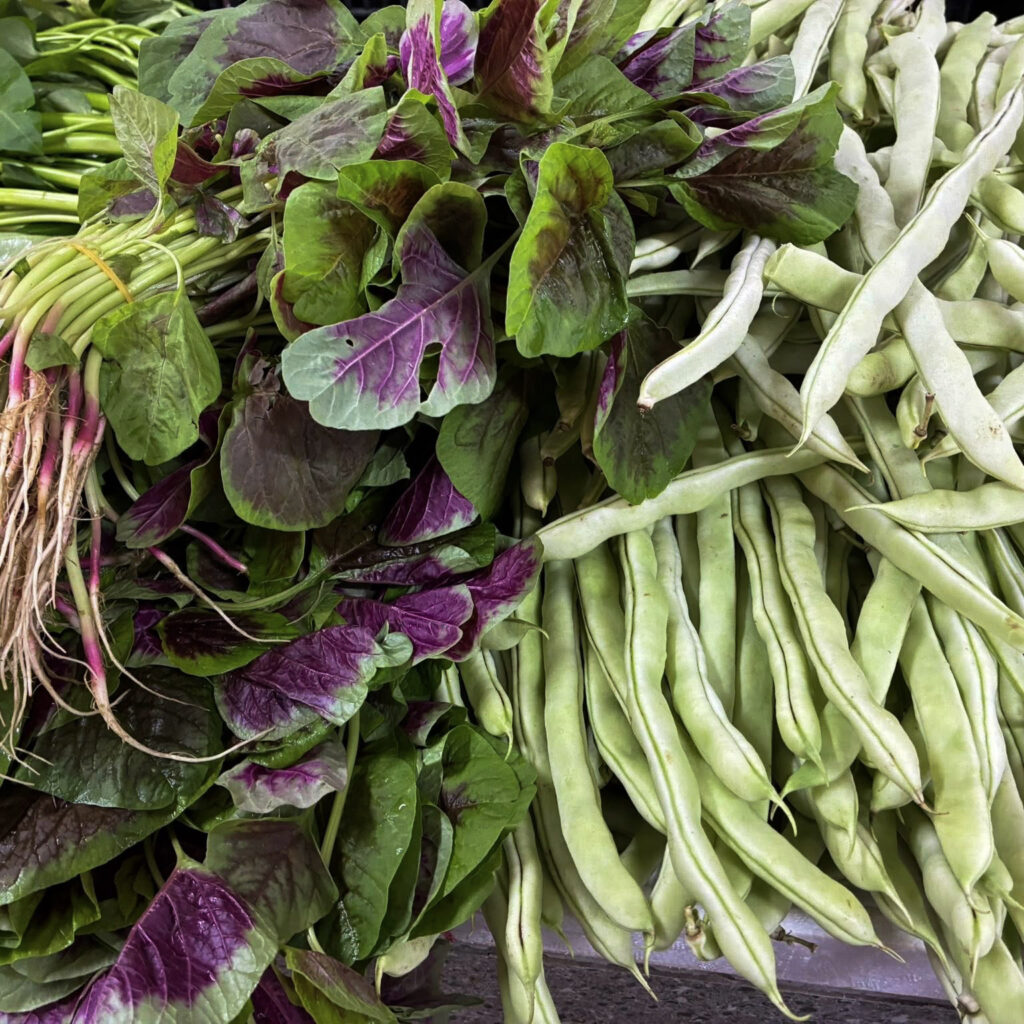
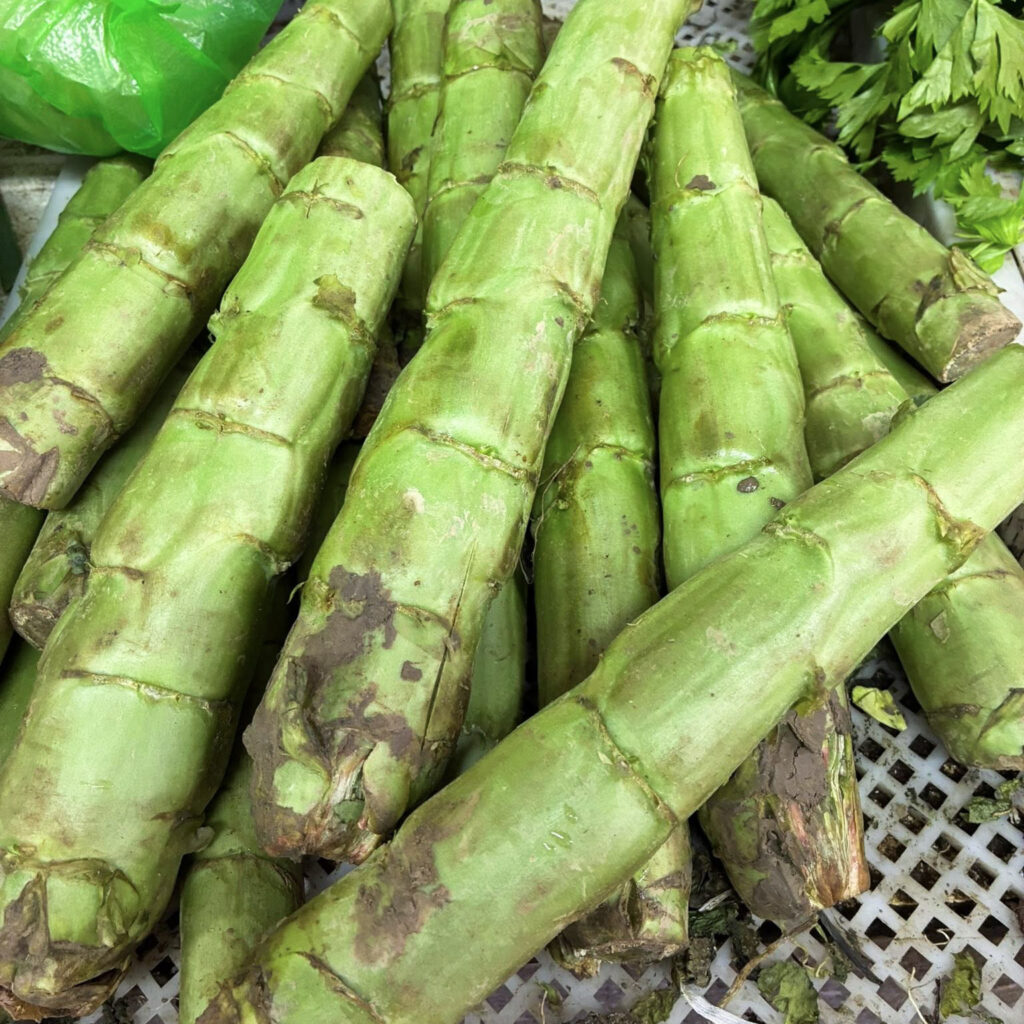
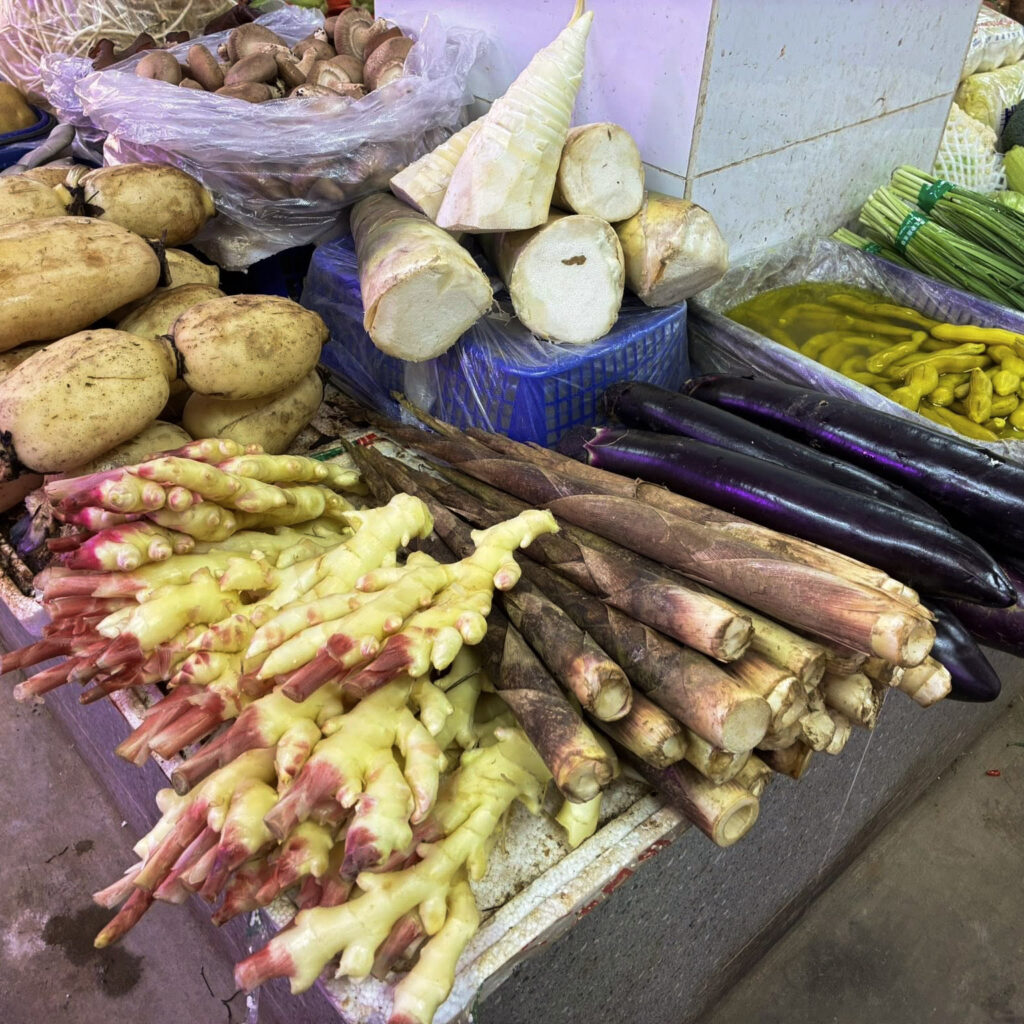
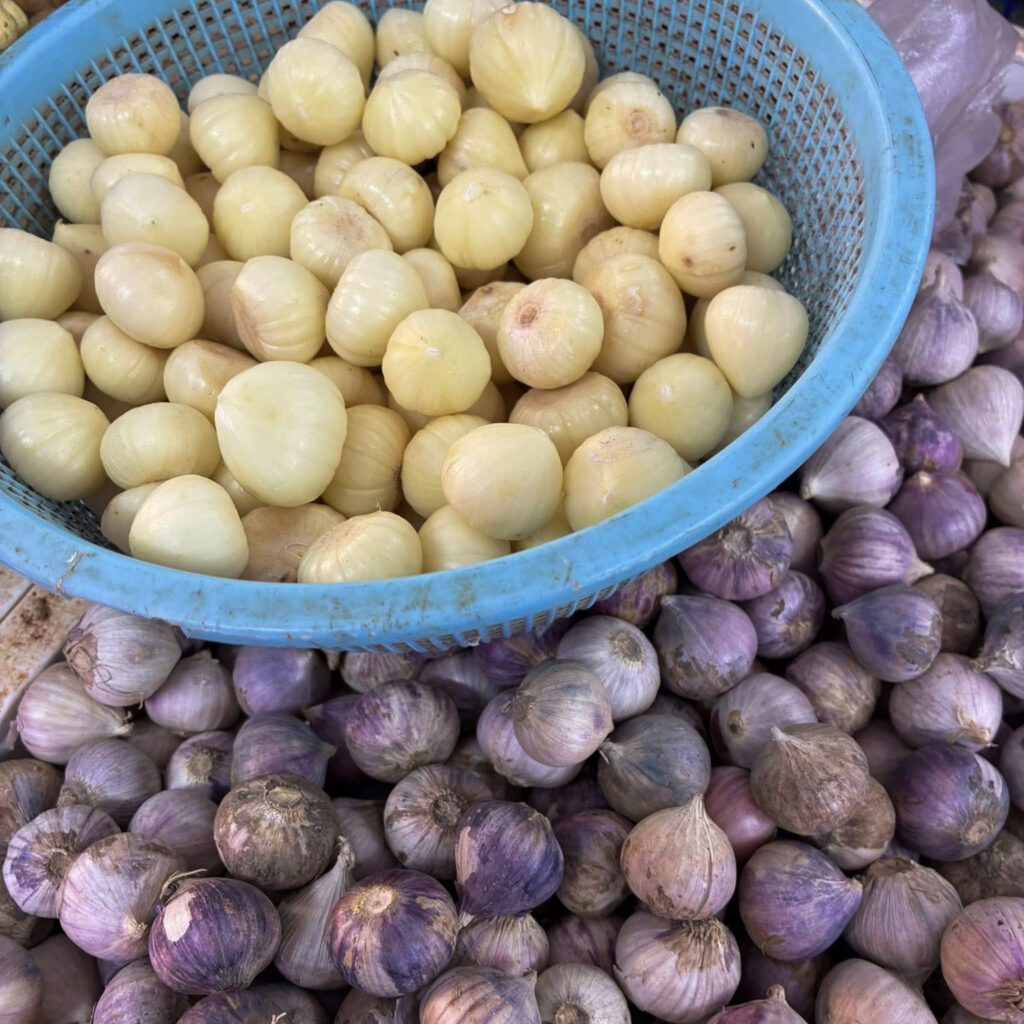
A local market is every street photographer´s delight, and the ones in Chengdu are a feast for the senses. Imagine stalls piled high with exotic ingredients like lotus roots, celery stems, banana flowers, giant winter squashes, fresh tofu, and glistening chili peppers. Vendors sell braised ducks, fresh bread, handmade dumplings and baos, while woks sizzle, and eels glisten in the fishmonger´s tubs. Fat green frogs sit grouped for sale, the smell of spices fills the air, and tea vendors´ shops showcase wheels of expensive, fragrant teas. While all this is mindboggling, the local ingredients listed below stand apart. Make sure to give them a try if you are in Chengdu.
The Local Market Highlights:
- Sichuan Peppercorns (花椒 huājiāo) – Despite their fiery reputation, Sichuan peppercorns do not burn your senses. Instead, they numb them. While not actually spicy, these small jewels famously numb your tongue, thus creating the addictive mala (麻辣) sensation.
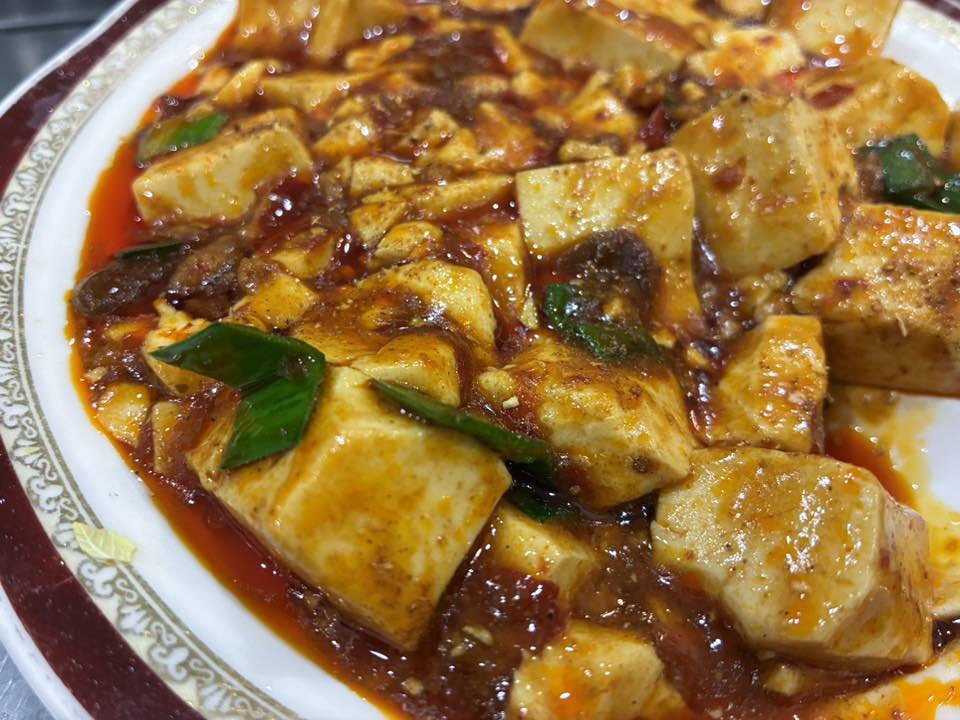
- Doubanjiang (豆瓣酱) – A fermented broad bean and chili paste, it is the base of many Sichuan classics like Mapo Tofu. Try buying one at a local market. You´ll love it. It adds that perfect umami to any stir-fry.
- Chili Oil (辣椒油 làjiāo yóu) – While the best ones are made at home by moms, aunts, and grandmothers from recipes that have been handed down through generations, the commercial version is not bad. Bright red, smoky, and aromatic, and drizzled on everything from dumplings to noodles, the local Chilli Oil can pep up any dish.
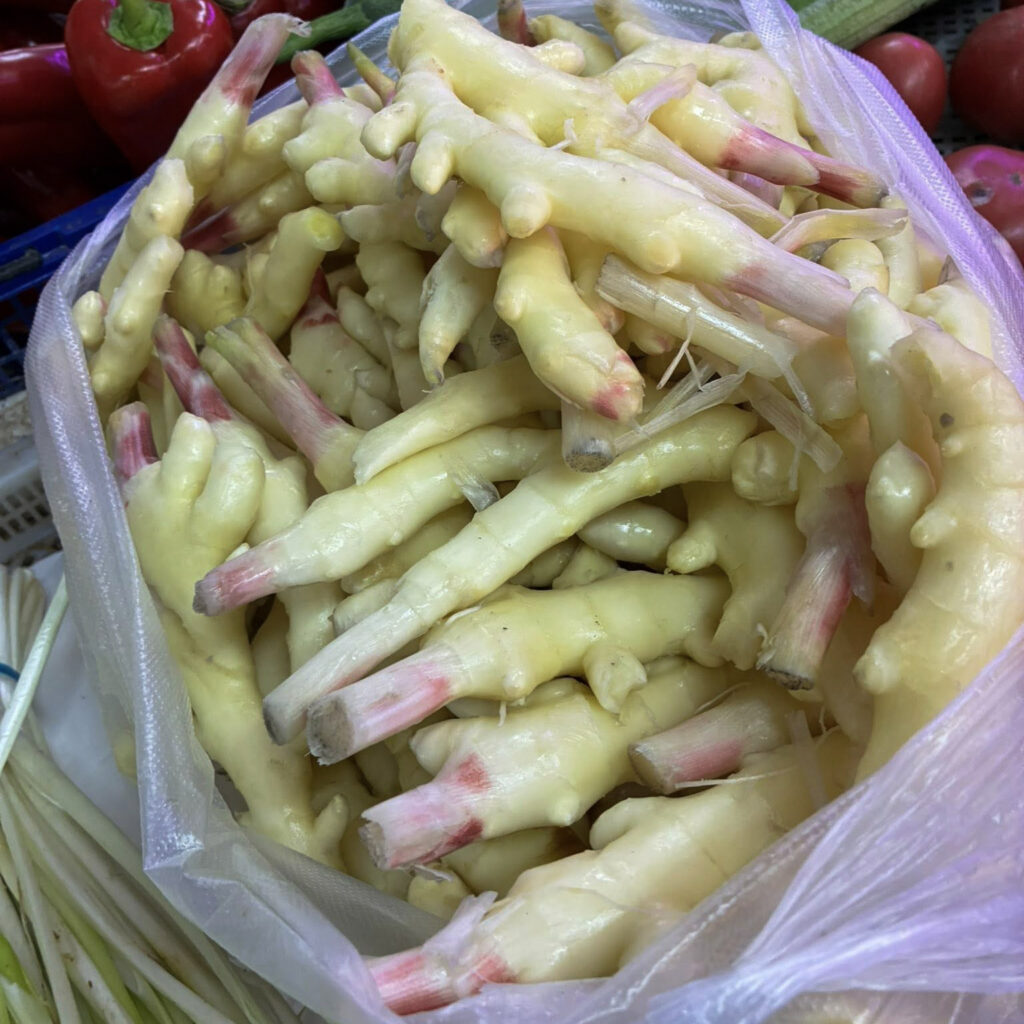
- Century Eggs (皮蛋) – Now this is an acquired taste. While most are put off by their unbecoming look, many can´t stand its saltiness. A local delicacy, preserved duck eggs have a creamy, umami flavor, and are often served with pickled ginger.
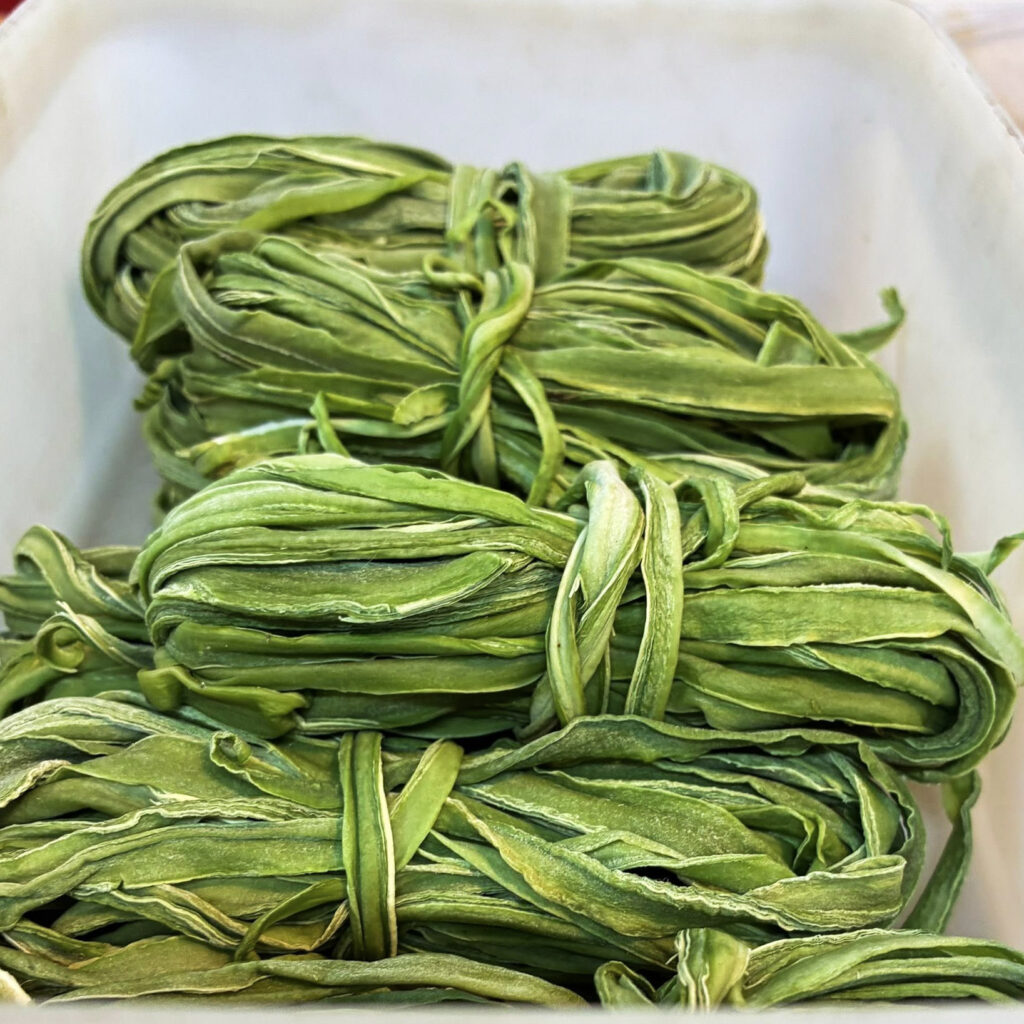
- Fresh vegetables, handmade noodles, and delicate pastries like sesame cakes.
Walking around Chengdu local markets isn’t just shopping—it’s sampling a part of the local time, and it can get exhausting. That is when you head over to a local teahouse to cool your toes, sip a cup of fragrant brew, and perhaps get your ears cleaned or your tarot cards read.
Pause at a Traditional Tea House on a Chengdu Food Tour
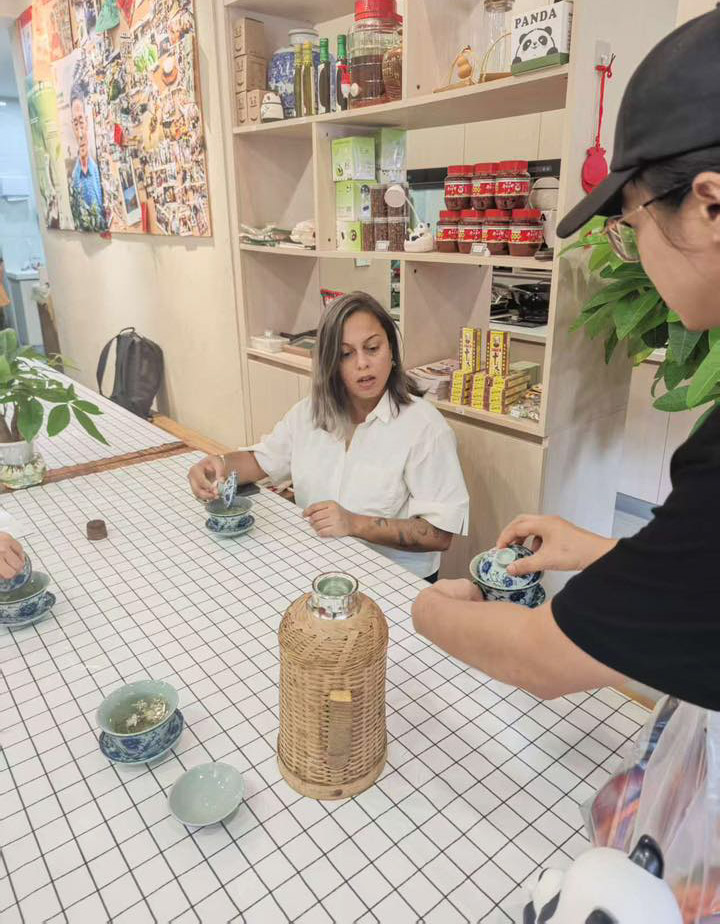
Teahouses are a part and parcel of China´s cultural heritage. That is why no Chengdu food experience is complete without tea. The city is dotted with teahouses where locals gather to sip, chat, and play mahjong, and visiting one is quite an experience.
- Watch the famous long-spout tea pouring performance, where hot tea is poured with grace and precision.
- Taste different varieties, from green tea (light and refreshing) to Pu’er tea (earthy and aged), and flower teas like jasmine or osmanthus.
- Learn how tea complements the fiery flavors of Sichuan food, balancing heat with calm.
Taste Chengdu’s Sweet & Savory Traditions
One of the most frequently asked questions on the Chengdu food tour was about desserts. Although the Chinese meal doesn´t traditionally end with a dessert, a local friend told me that the Chengduese have quite a sweet tooth. So, while spicy food is Chengdu’s calling card, its snacks and sweets are just as fascinating.
- Mooncakes (月饼) – These pretty, round pastries are eaten during the Mid-Autumn Festival, symbolizing family reunion.
- Flower Cakes (鲜花饼) – Although not as pretty as the mooncakes, these filo pastry buns are filled with rose or osmanthus petals, and are both delicate and fragrant.
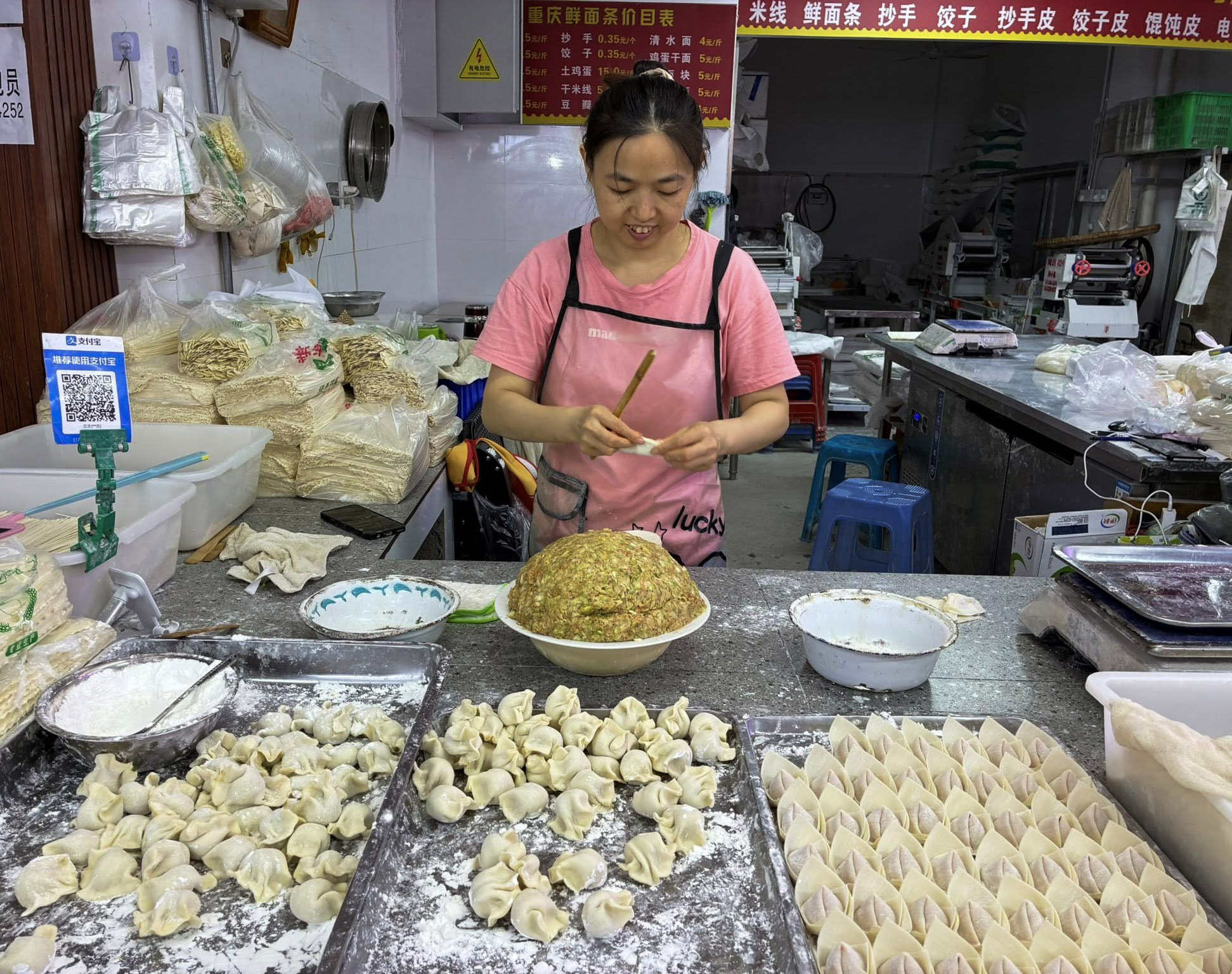
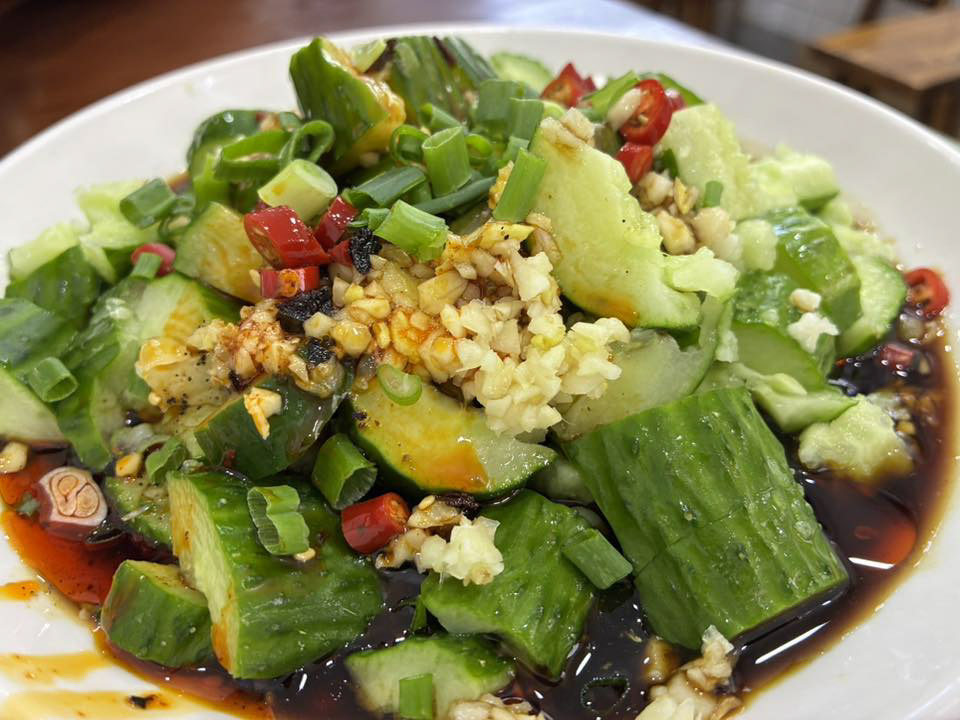
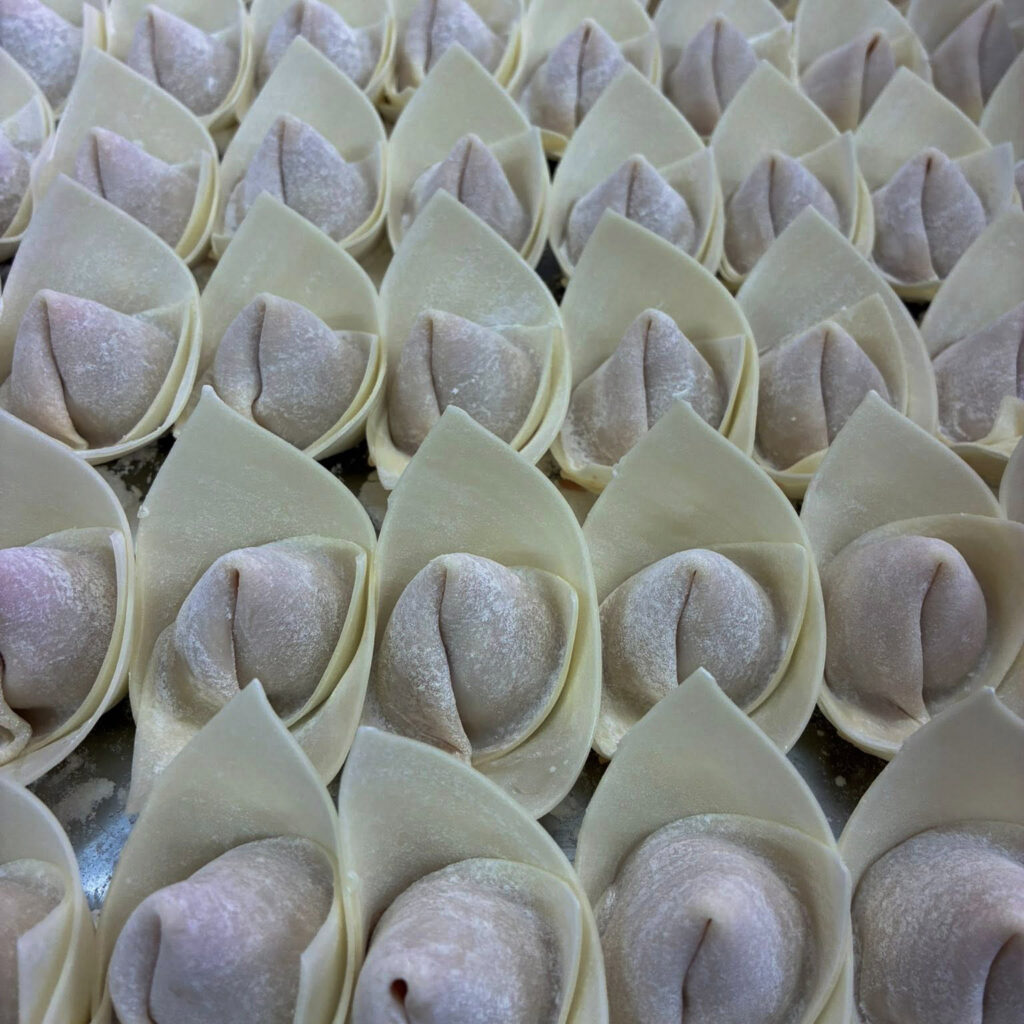
- Street Snacks – My go-to snacks at the local Āyí (aunt´s) shop were dumplings in chili oil, wontons, and rice cakes, and these are filling while being easy on the pocket. By the way, I love the Āyí culture of China, in which any middle-aged/elderly lady is respectfully addressed as Āyí or aunt.
Cook Sichuan Classics in a Hands-On Class
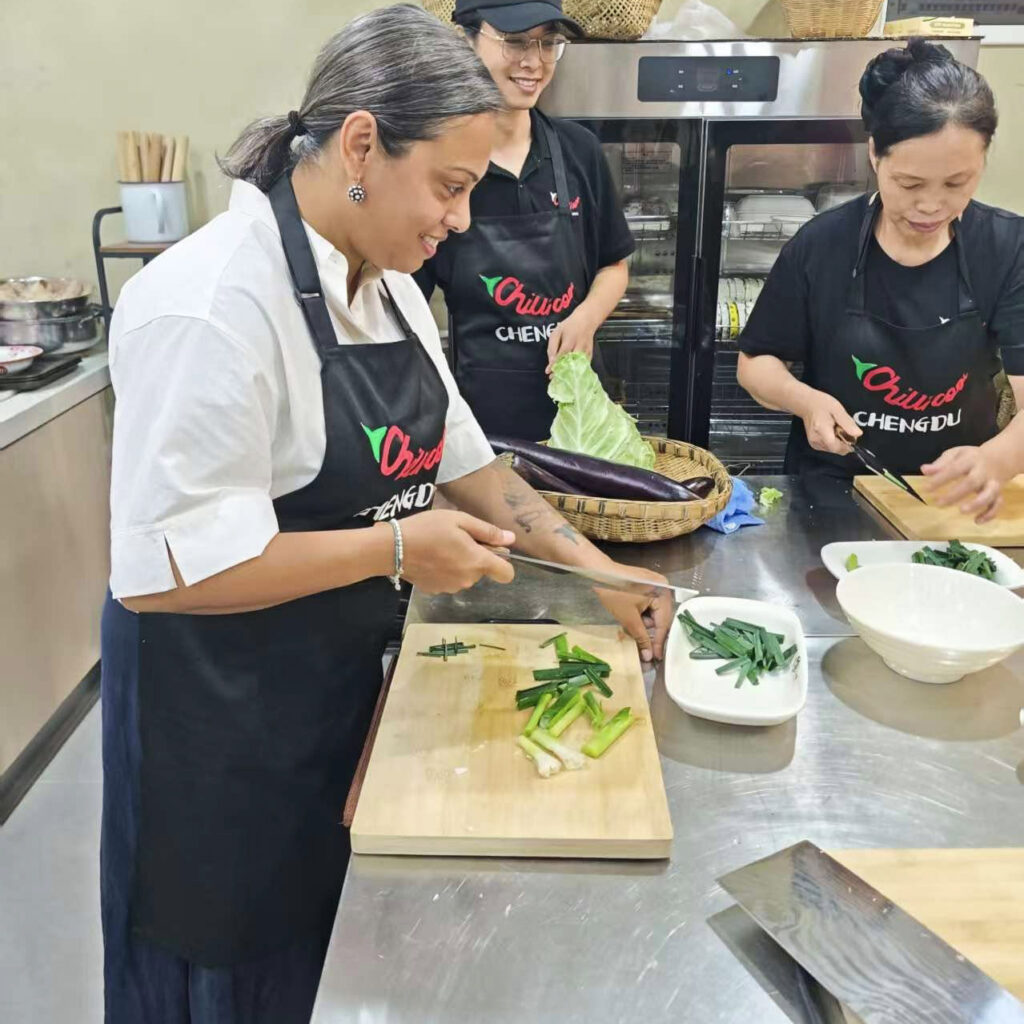
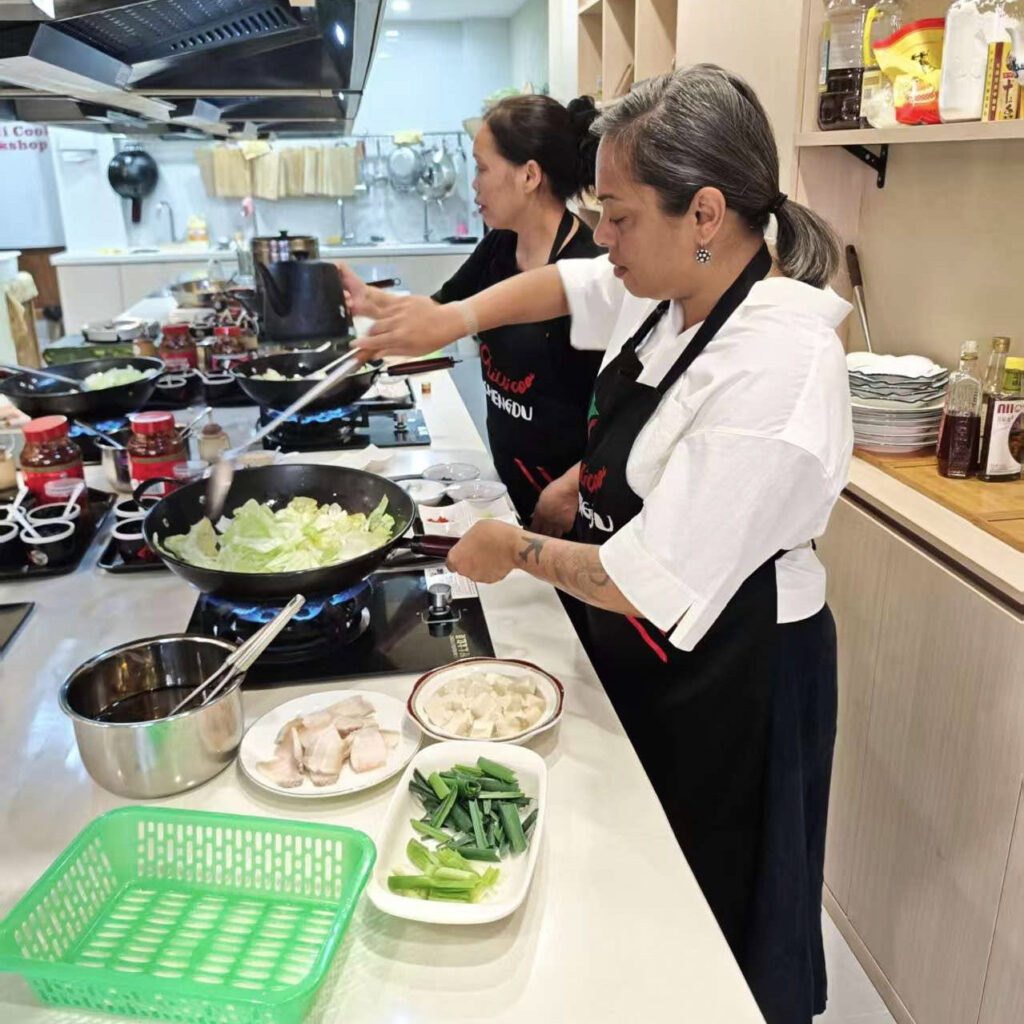
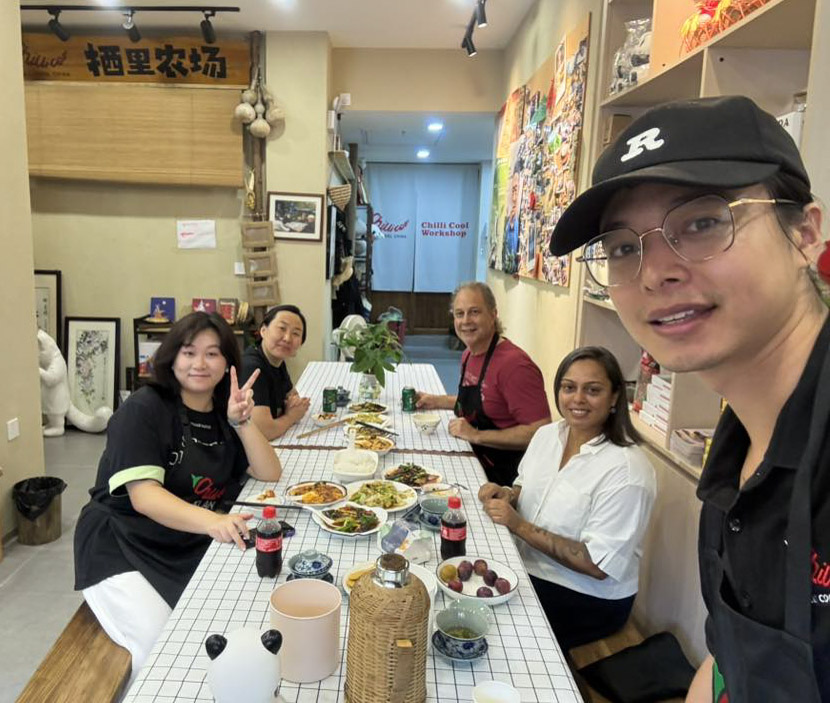
I went on a Chengdu food tour with Chilli Cool China, and it combined a market visit with a cooking class. So, after shopping for local ingredients at the market, we rolled up our sleeves and got going to make some classic Sichuan dishes.
Typical Dishes You’ll Learn:
- Kung Pao Chicken (宫保鸡丁) – sweet, spicy, and nutty with peanuts and dried chilies.
- Mapo Tofu (麻婆豆腐) – silky tofu simmered with doubanjiang, Sichuan pepper, and chili oil.
- Hand-Pulled Noodles – fresh and chewy, perfect with spicy sauce.
- Seasonal stir-fried vegetables, flavored with chili paste and peppercorns.
We practised knife skills, stir-frying, and the art of balancing flavours: spicy, numbing, salty, and savoury. Trust me, wielding the traditional Chinese kitchen knife takes both concentration and effort.
Final Thoughts
A Chengdu local market tour and cooking class isn’t just about food—it’s about understanding a culture through its most important rituals: shopping, cooking, eating, and sharing.
From the numbing tingle of Sichuan peppercorns to the delicate sweetness of flower cakes, from sipping tea in a lively teahouse to mastering chili oil in the kitchen, this is the experience that makes Chengdu unforgettable.
If you’re planning your Chengdu itinerary, leave time for this spicy, flavorful, and truly local journey. Exploring Chengdu is quite easy, but if you want to go deeper into the remote and jaw-droppingly beautiful western Sichuan province, then I recommend this reliable local company.
Follow the rest of the Top Experiences series
- CHINA FOR FIRST TIMERS
- TOP TWENTY THINGS TO DO IN EGYPT
- WHY YOU SHOULD VISIT MALTA
- TOP FUN THINGS TO DO IN HAMPI
- 10 HISTORICAL PLACES TO ROAM ACROSS THE WORLD
- 10 HISTORICAL MARVELS OF ITALY
- 10 BEST SHOWS IN EUROPE YOU MUST SEE
- DUBAI THRILLS: 7 MUST-DO ACTIVITIES
- 10 HISTORICAL MARVELS IN TURKEY TO ENJOY WITH KIDS
- MOST ENCHANTING PALACES IN EUROPE
RESPONSIBLE TRAVELING-BECAUSE I CARE
FAQs
What food is Chengdu known for?
Chengdu is famous for Sichuan cuisine’s signature ‘mala’ (numbing-spicy) sensation, driven by Sichuan peppercorns that numb the tongue rather than simply burning it. Key staples include doubanjiang (fermented broad bean and chili paste, the base of dishes like Mapo Tofu), chili oil drizzled on everything from dumplings to noodles, and century eggs (preserved duck eggs) as a more acquired-taste local delicacy.
What should you eat in Chengdu?
The article recommends Kung Pao Chicken (sweet, spicy, and nutty with peanuts and dried chilies), Mapo Tofu (silky tofu simmered with doubanjiang, Sichuan pepper, and chili oil), hand-pulled noodles, and seasonal stir-fried vegetables seasoned with chili paste and peppercorns — all dishes the author learned to cook hands-on during a local cooking class.
Where can you find the best local food in Chengdu?
The article points to Chengdu’s local markets as a great starting point, offering fresh vegetables, handmade noodles, and delicate pastries like sesame cakes, alongside small family-run food stalls — the author specifically mentions an ‘Āyí’s’ (aunt’s) shop selling dumplings in chili oil, wontons, and rice cakes that were both filling and easy on the wallet.
What is a must-try dish in Chengdu?
Mapo Tofu stands out in the article as a quintessential Sichuan classic — silky tofu simmered with doubanjiang, Sichuan pepper, and chili oil, balancing the region’s signature spicy, numbing, salty, and savory flavor profile.
Is street food in Chengdu safe to eat?
The article doesn’t address food safety directly, but it describes street-side and market food warmly, including affordable dumplings, wontons, and rice cakes from small local stalls, suggesting these everyday eateries are a normal and valued part of the Chengdu food scene.
Can you take me on a food tour of Chengdu through someone’s actual experience?
The author’s own food tour, run with Chilli Cool China, combined a local market visit with a hands-on cooking class — shopping for ingredients like doubanjiang and chili oil, then learning to cook Kung Pao Chicken, Mapo Tofu, and hand-pulled noodles while practicing knife skills and balancing Sichuan’s signature spicy, numbing, salty, and savory flavors.
What local dishes in Chengdu should I seek out that most tourists miss?
Century eggs (preserved duck eggs with a creamy, umami flavor, often served with pickled ginger) are flagged as a genuinely acquired taste that many visitors are put off by due to their appearance and saltiness — worth trying if you want an authentic, less tourist-friendly local delicacy.
What makes the food culture of Chengdu distinct from its neighbors?
The article describes Chengdu as one of China’s friendliest, most laid-back cities, where eating is deeply woven into daily social life alongside sipping tea leisurely and playing mahjong. Its food culture centers distinctly on the ‘mala’ numbing-spicy sensation from Sichuan peppercorns, a flavor profile unique to the region.
What should a first-time visitor know before eating their way through Chengdu?
First-timers should know Chengdu’s food leans genuinely spicy — the numbing mala sensation from Sichuan peppercorns is central to much of the cuisine — so those sensitive to spice should ask about heat levels. It’s also worth knowing the local custom of respectfully addressing middle-aged or elderly women running food stalls as ‘Āyí’ (aunt), a warm cultural touch the author specifically came to love.
Are there any food memories or traditions from Chengdu worth knowing about?
Yes — the article highlights Chengdu’s tradition of pausing at traditional tea houses as part of the food experience, and describes how the best chili oil is still made at home by moms, aunts, and grandmothers using recipes passed down through generations, even though good commercial versions are also widely available.


