Wolong Panda Reserve Travel Guide: How to experience China´s national treasure
Wolong Panda Reserve is located deep in the rugged, misty mountains of western Sichuan. Known as one of the oldest and largest panda sanctuaries in the world, biodiversity, phenomenal conservation efforts, and China´s cultural heritage blend seamlessly in this UNESCO-listed area. Travelers looking for a more authentic and less crowded panda experience can skip the more popular Chengdu panda base and head over to Wolong for a wonderful day trip. Here you can see these adorable giants in the lap of tranquil nature.
A bit about Wolong National Nature Reserve
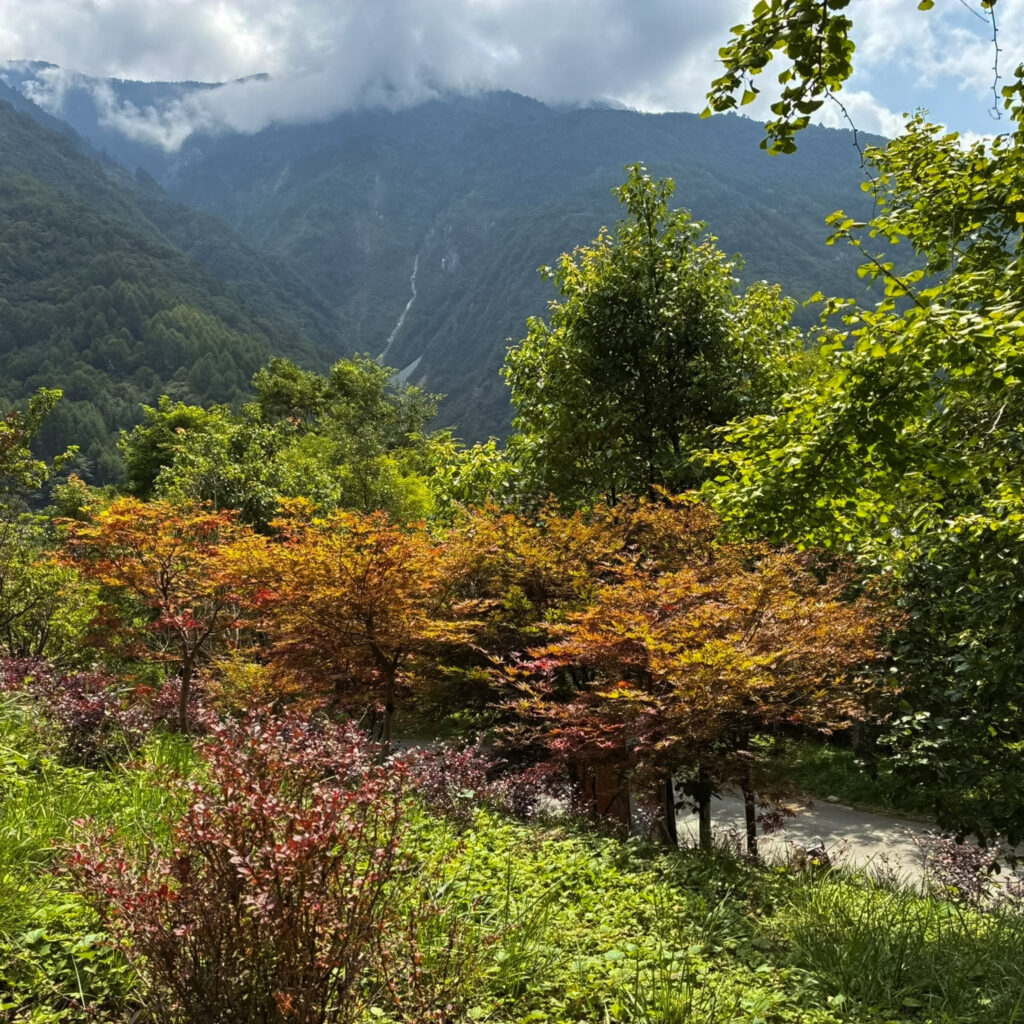
Wolong Panda Reserve spans over 2,000 square kilometers. It was founded in 1963, and shelters over 150 wild giant pandas. According to its official statement, this reserve also protects other endangered species, including the red panda, golden snub-nosed monkey, and clouded leopard. A devastating earthquake nearly destroyed this reserve in 2008; however, it was subsequently rebuilt and modernized. Today, it is a proud representation of China´s dedication to protecting its national treasure from extinction.
Smart Travel Planning & Global Lifestyle Trends
Modern tourists are considering long-term lifestyle options, worldwide mobility, and cultural immersion in addition to merely seeing sites. For those who seek meaningful experiences, environmental preservation, and sustainability, places like Wolong Panda Reserve draw travelers. This change in travel perspective fits with more general worldwide tendencies in which people search for lasting relationships with various areas of the earth, in addition to brief thrills.
For instance, several world travelers who visit unusual sites throughout Asia also think about European residency schemes like the Portugal Golden Visa, which allows people to invest and get residency in Europe while still enjoying visa-free travel all across the Schengen Area. Though it reminds guests of the beauty of nature and conservation, a trip to a far-off and calm site like Wolong also motivates them to reflect on flexible lifestyles combining travel, investment, and global accessibility.
Good travel habits are developed mostly via eco-tourism destinations like Wolong nearby. Guests become better aware of sustainable tourism methods, environmental protection, and biodiversity preservation. These principles often influence big life choices, including where to invest, where to build a second home base, or even where to travel next.
Top Things to Do at Wolong Panda Reserve
1. Experience Giant Pandas in Semi-Wild Enclosures
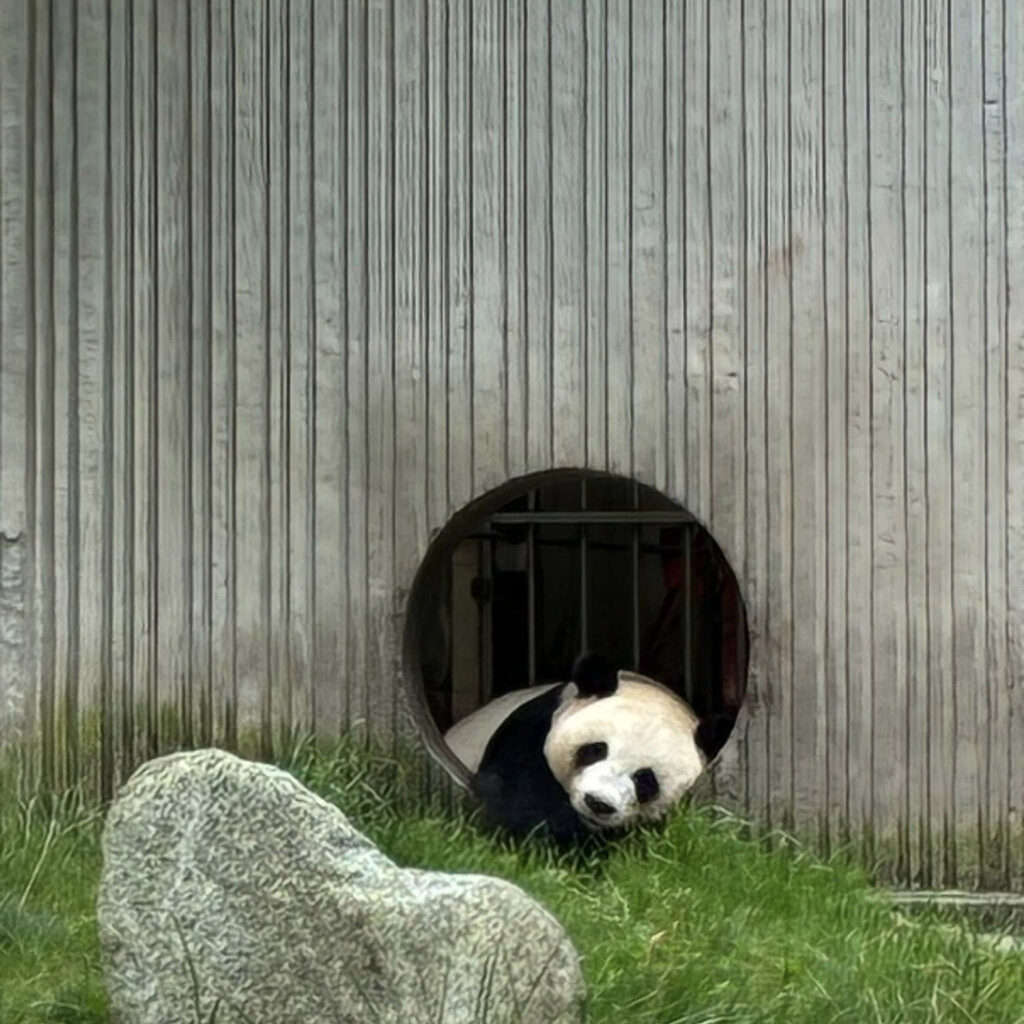
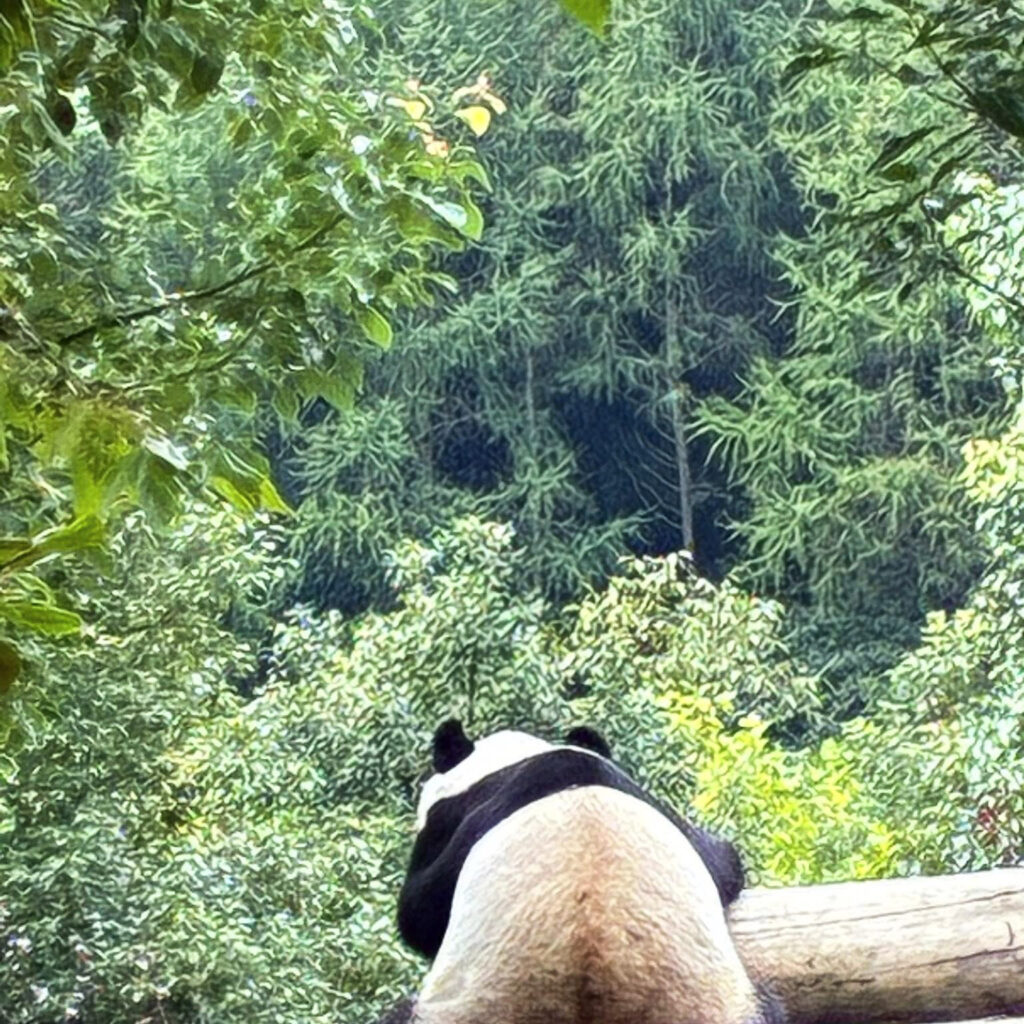
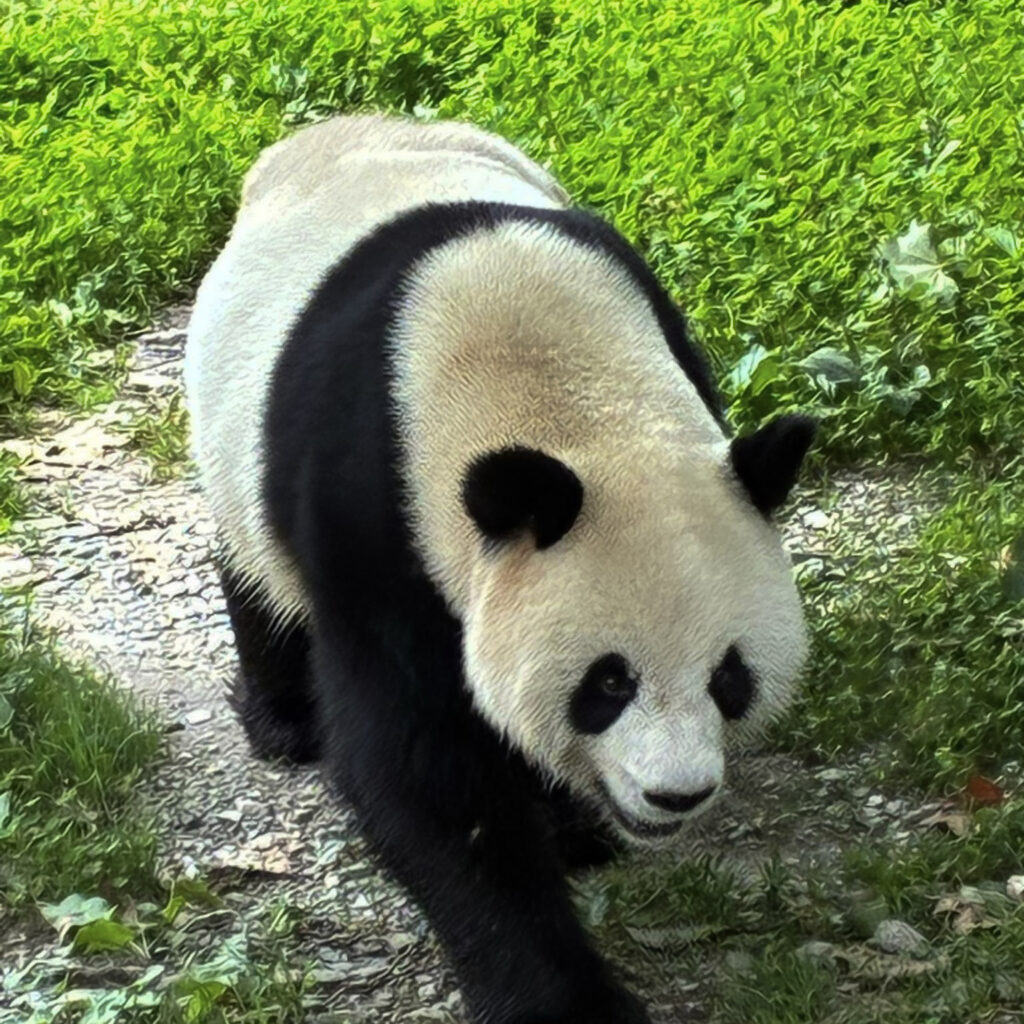
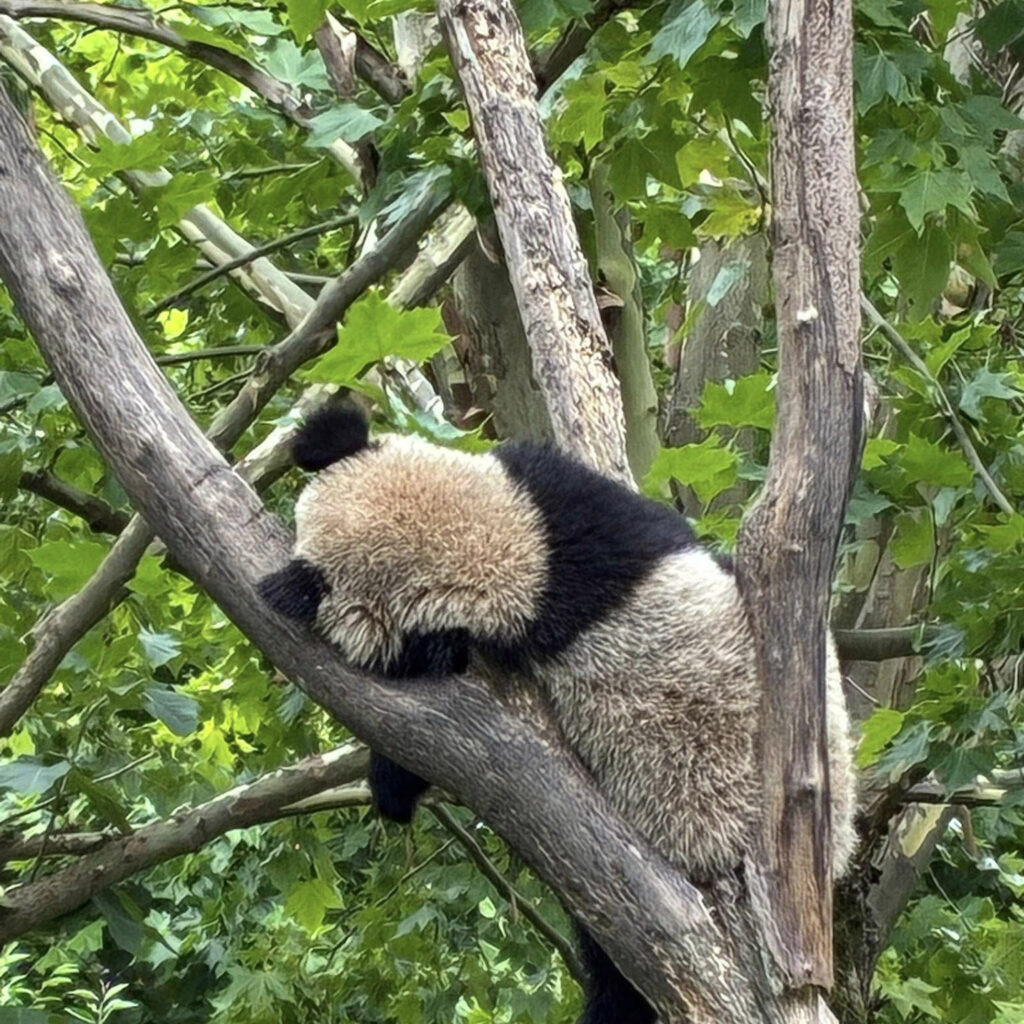
Visitors can watch pandas up close as they climb trees, roll around, gambol, nap, and munch bamboo in beautifully maintained natural surroundings. Early mornings (feeding times) are best for observation.
2. Join a Panda Volunteer Program
Few experiences match the joy of feeding a panda or cleaning its enclosure under the supervision of caretakers. The volunteer programs, ranging from half-day to week-long, allow you to directly contribute to panda conservation.
3. Explore the Wolong Valley Trails
Wolong is not just about pandas — it’s a paradise for hikers. Trails wind through lush bamboo forests, glacial rivers, and mist-covered peaks. Birdwatchers will love spotting rare species in the Shenshuping Panda Base area. Check with the reserve’s officials before starting the hike.
4. Visit Local Tibetan and Qiang Villages
Cultural immersion completes the experience. Stay in small guesthouses or homestays where locals serve home-cooked Sichuan dishes and share traditional dances, crafts, and stories.
Best Time to Visit Wolong
- Spring (April–June): Mild weather, lush vegetation, and active pandas.
- Autumn (September–November): Crystal-clear skies and colorful forests—ideal for photographers.
- Avoid winter if you’re not used to cold, as temperatures can drop sharply in the mountains.
How to Get to Wolong
- From Chengdu: Wolong lies about 120 km (3–4 hours) west of Chengdu. Private car hire or small-group tours are the most comfortable options.
- By Public Bus: Buses from Chengdu to Xiaojin or Siguniangshan stop at Wolong. However, check schedules in advance, as routes can change with weather and roadwork.
- Tip: Combine your trip with a stop at Dujiangyan Panda Base or Mount Siguniang, often called “the Alps of Sichuan.”
Eco-Tips and Travel Advice
- Respect panda enclosures — no flash photography or loud noises.
- Book volunteer programs through official channels only.
- Pack warm clothes and rain gear; mountain weather is unpredictable.
- Stay overnight to enjoy the tranquil forest and starry skies.
Where to Stay in Wolong
- Wolong Panda Base Guesthouses – Comfortable, eco-friendly stays within the reserve.
- Local Tibetan Homestays – A chance to taste homemade yak butter tea and immerse in local hospitality.
- Siguniangshan Town (1 hour away) – Offers boutique hotels and mountain views for travelers seeking more comfort.
Visiting Wolong Panda Reserve is not just a trip — it’s a journey into China’s wild heart. Between the emerald bamboo forests, crisp mountain air, and playful black-and-white pandas, it’s easy to understand why this reserve holds a special place in the world’s collective imagination.
Whether you come to volunteer, photograph, or simply admire, Wolong will leave you with a profound appreciation for nature, conservation, and the quiet magic of Sichuan’s mountains.


Follow the rest of the China series
RESPONSIBLE TRAVELING-BECAUSE I CARE
FAQs
What are the top things to do in Wolong Panda Reserve?
Top activities include watching giant pandas in semi-wild enclosures as they climb trees, roll around, and munch bamboo (best observed early morning during feeding times), joining a panda volunteer program (ranging from half-day to week-long experiences like feeding pandas or cleaning enclosures), hiking the Wolong Valley trails through bamboo forests and glacial rivers, and visiting local Tibetan and Qiang villages for cultural immersion.
Is a trip to Wolong Panda Reserve worth it?
Yes, especially for travelers wanting a more authentic, less crowded alternative to the popular Chengdu panda base. The article describes Wolong as offering a chance to see pandas in the lap of tranquil nature, within one of the oldest and largest panda sanctuaries in the world.
How many days do you need in Wolong Panda Reserve?
The article suggests it works well as a day trip from Chengdu, though volunteer programs can extend the experience — ranging from half a day up to a full week for those wanting a deeper, hands-on conservation experience.
What is Wolong Panda Reserve known for?
Wolong is known as one of the oldest and largest panda sanctuaries in the world, spanning over 2,000 square kilometers since its founding in 1963. It shelters over 150 wild giant pandas and also protects other endangered species like the red panda, golden snub-nosed monkey, and clouded leopard, within a UNESCO-listed area.
Is Wolong Panda Reserve safe for tourists?
The article doesn’t address safety directly, but it does mention hiking trails should only be attempted after checking with reserve officials first, and it’s honest about the reserve’s history — a devastating earthquake nearly destroyed it in 2008, though it has since been rebuilt.
I’m planning a trip to Wolong Panda Reserve — what should I prioritize seeing and doing there?
Prioritize an early-morning panda viewing during feeding time, when the animals are most active, and consider joining a volunteer program if you want hands-on involvement. Don’t skip the Wolong Valley trails for hiking and birdwatching (especially around the Shenshuping Panda Base area), and round out the visit with a stop at nearby Tibetan and Qiang villages.
Can you give me an honest, first-hand take on what Wolong Panda Reserve is actually like to visit?
The article positions Wolong as the more authentic, tranquil alternative to Chengdu’s busier panda base — a place where biodiversity, conservation work, and cultural heritage blend together. It’s also candid about the reserve’s resilience: a devastating 2008 earthquake nearly destroyed it, but the site was rebuilt and continues its conservation mission today.
What’s the best time of year to visit Wolong Panda Reserve, and why?
The article doesn’t specify a best season, but it does recommend visiting early in the morning specifically, since that’s feeding time and pandas are most active and observable then.
What should a first-time visitor to Wolong Panda Reserve know before they go?
First-time visitors should know that Wolong offers a quieter, more nature-immersed alternative to the more commercialized Chengdu panda base. It’s also worth knowing that hiking trails in the Wolong Valley should be checked with reserve officials before setting out, and that the reserve protects more than just pandas — including red pandas, golden snub-nosed monkeys, and clouded leopards.
How does Wolong Panda Reserve compare to nearby destinations for someone deciding where to go?
The article positions Wolong as the better choice for travelers seeking authenticity and fewer crowds compared to the more popular Chengdu panda base, while still being reachable as a day trip — combining panda viewing with hiking, birdwatching, and visits to local Tibetan and Qiang villages that the Chengdu base doesn’t offer.