
Yunnan’s Famous and Offbeat Ancient Towns
Last updated: October 25, 2026
Yunnan province is a land of breathtaking landscapes, vibrant ethnic cultures, and centuries-old towns that seem suspended in time. While many travelers flock to the well-known names like Lijiang and Dali, some of Yunnan’s lesser-known ancient towns—such as Shuhe, Baisha, Xizhou, and Shaxi—offer quieter, more authentic experiences.
Yunnan Ancient Towns: Quick Facts
| Famous towns | Lijiang (Dayan), Shuhe, Baisha, Dali, Xizhou |
| Offbeat gems | Shaxi, Heshun, Nuodeng, Tuanshan |
| Gateway | Kunming – high-speed trains to Dali (about 2 hrs) and Lijiang (about 3–3.5 hrs) |
| Best time | March–May and September–November |
| Entry | Lijiang charges an Ancient Town maintenance fee (about CNY 50); most others are free |
| Time needed | 7–10 days for a classic Kunming–Dali–Shaxi–Lijiang loop |
This guide will help you discover both the famous ancient towns and the offbeat gems, along with practical tips on what to really expect when traveling here.
Well-Known Classics of Yunnan´s ancient towns
1. Lijiang / Dayan Old Town (大研古城)
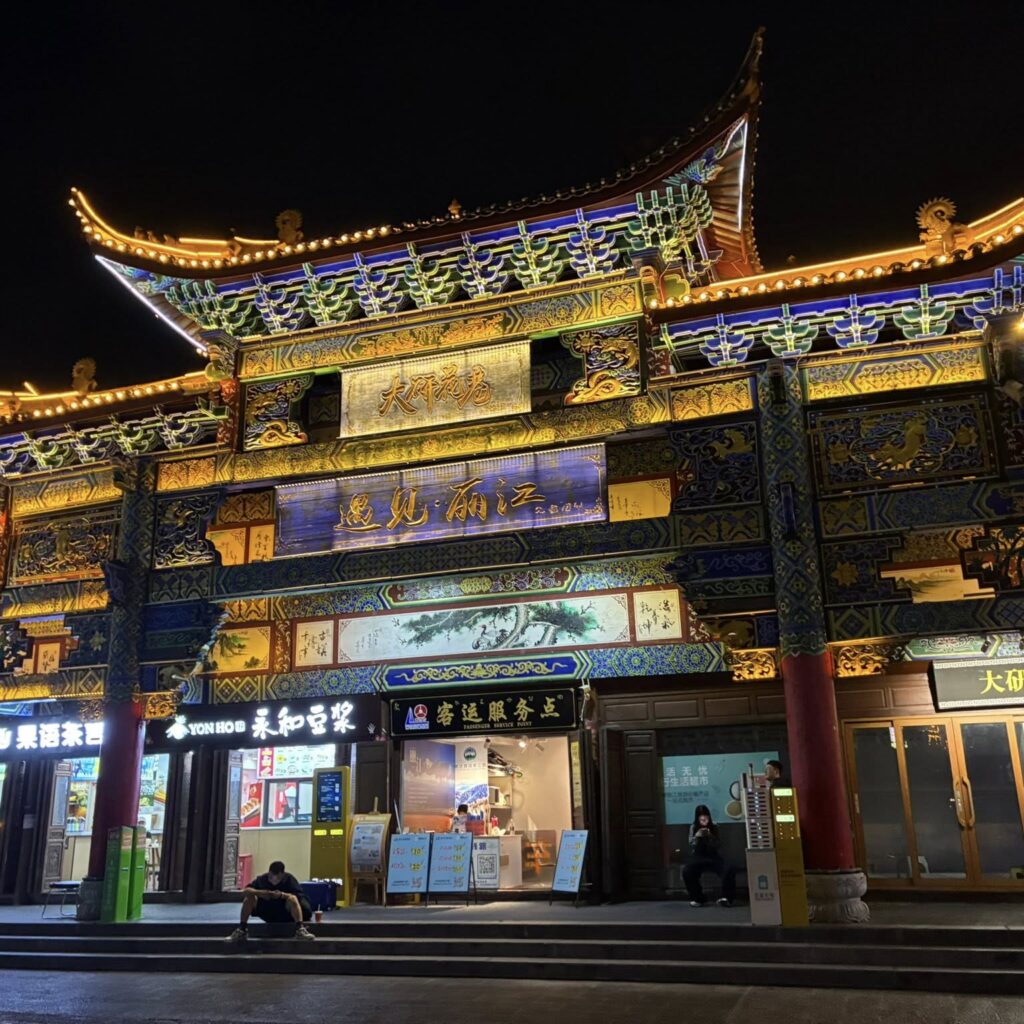
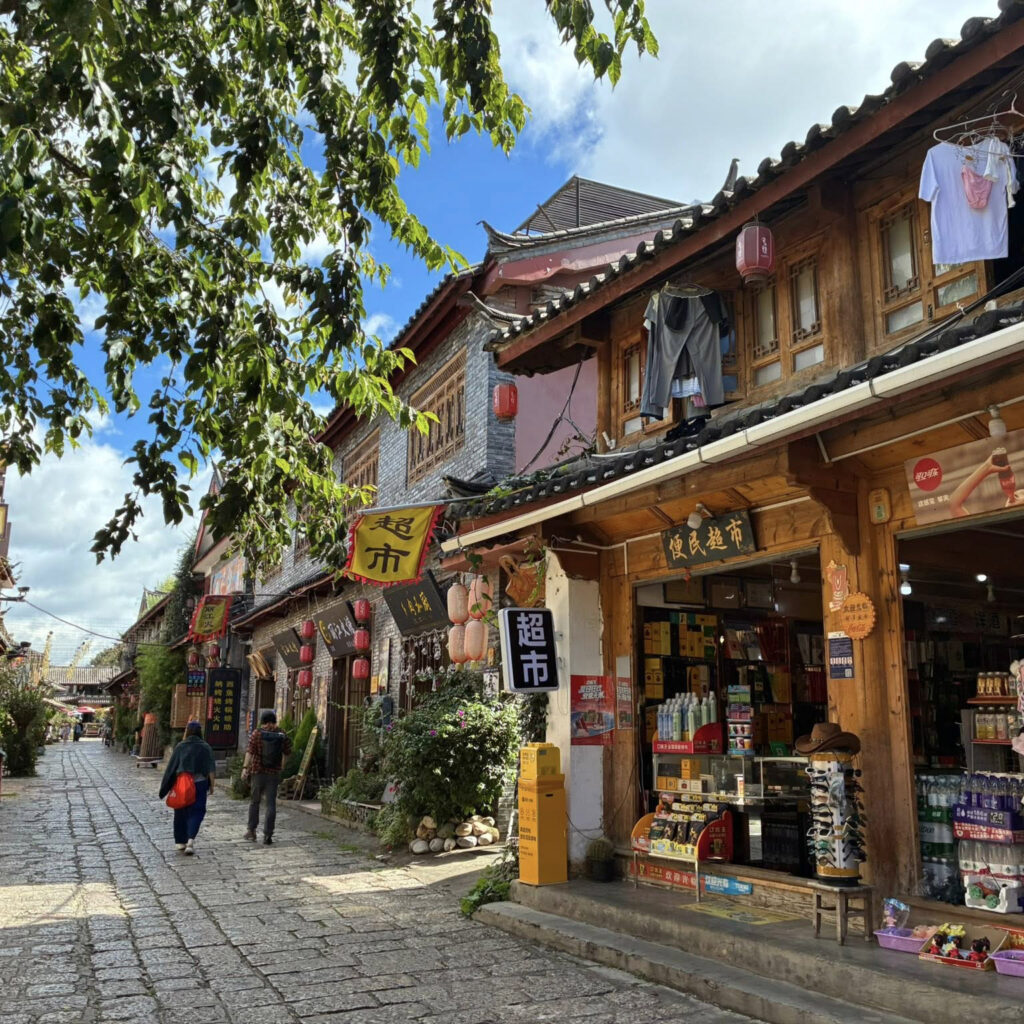
A UNESCO World Heritage Site and the most famous of Yunnan’s old towns. Its cobbled streets, canals, and Naxi architecture are stunning but crowded.
- Tip: Visit in the early morning or stay overnight for peaceful hours.
2. Shuhe Ancient Town (束河古镇)
Once a vital Tea Horse Road stop, Shuhe is Lijiang’s quieter sister. It offers relaxed streets, old bridges, and family-run guesthouses.
- Best for: Travelers wanting heritage without heavy crowds.
3. Baisha Village (白沙古镇)
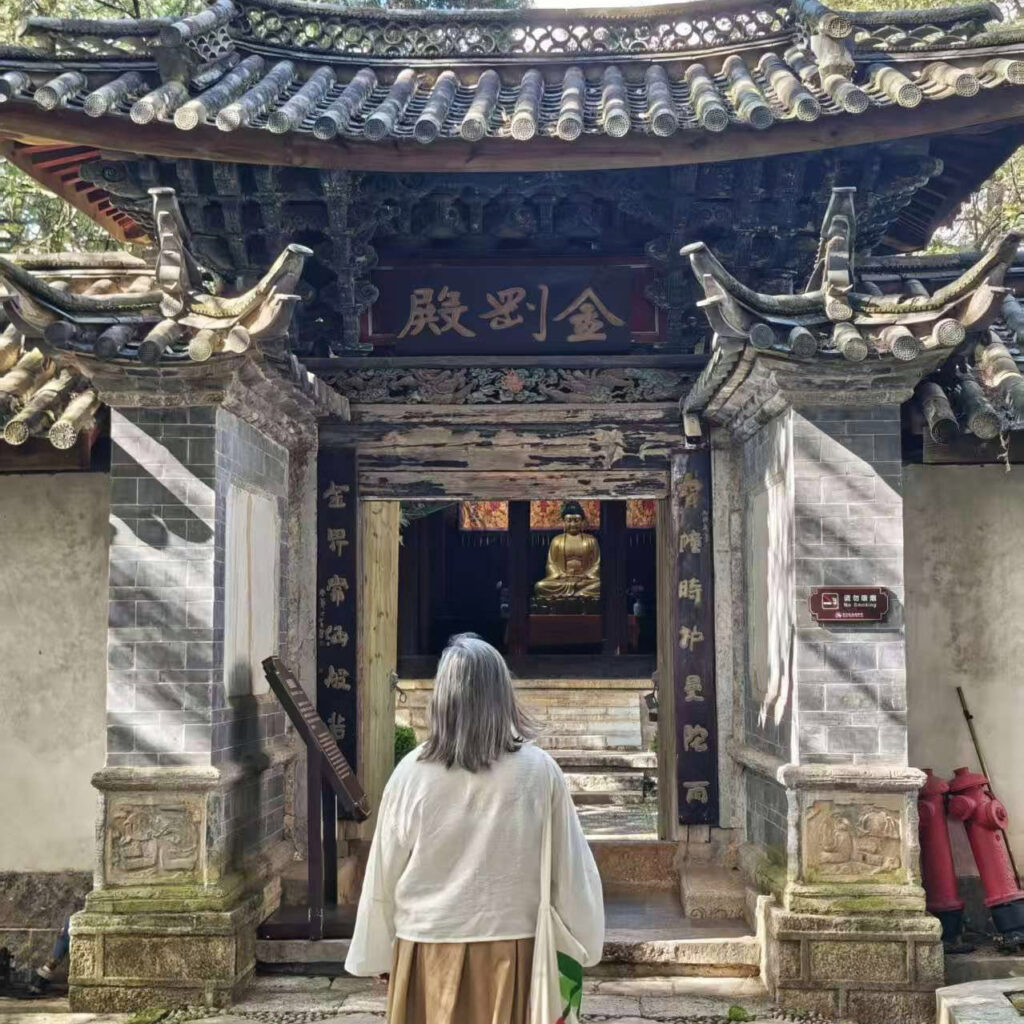
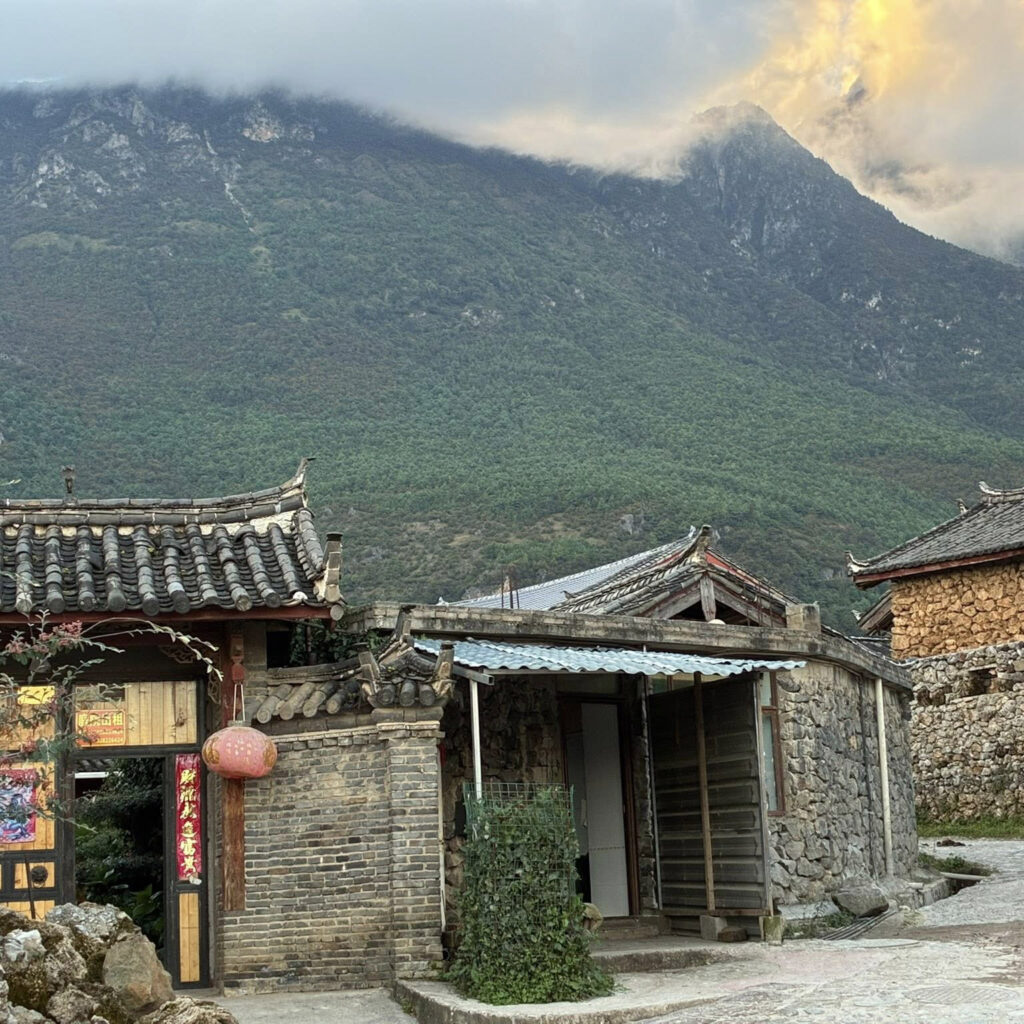
Located just 12 km from Lijiang, Baisha is one of the oldest Naxi settlements. Unlike Dayan or Shuhe, Baisha feels lived-in and less commercialized.
- Highlights:
- Ancient Baisha Murals (Ming & Qing dynasty frescoes)
- Local embroidery workshops
- Charming streets where villagers still lead daily life
- Why visit: To experience authentic Naxi culture in a setting largely untouched by mass tourism.
4. Dali Ancient City (大理古城)
A laid-back town with ancient walls, bustling markets, and a gateway to Erhai Lake.
5. Xizhou Ancient Town (喜洲古镇)
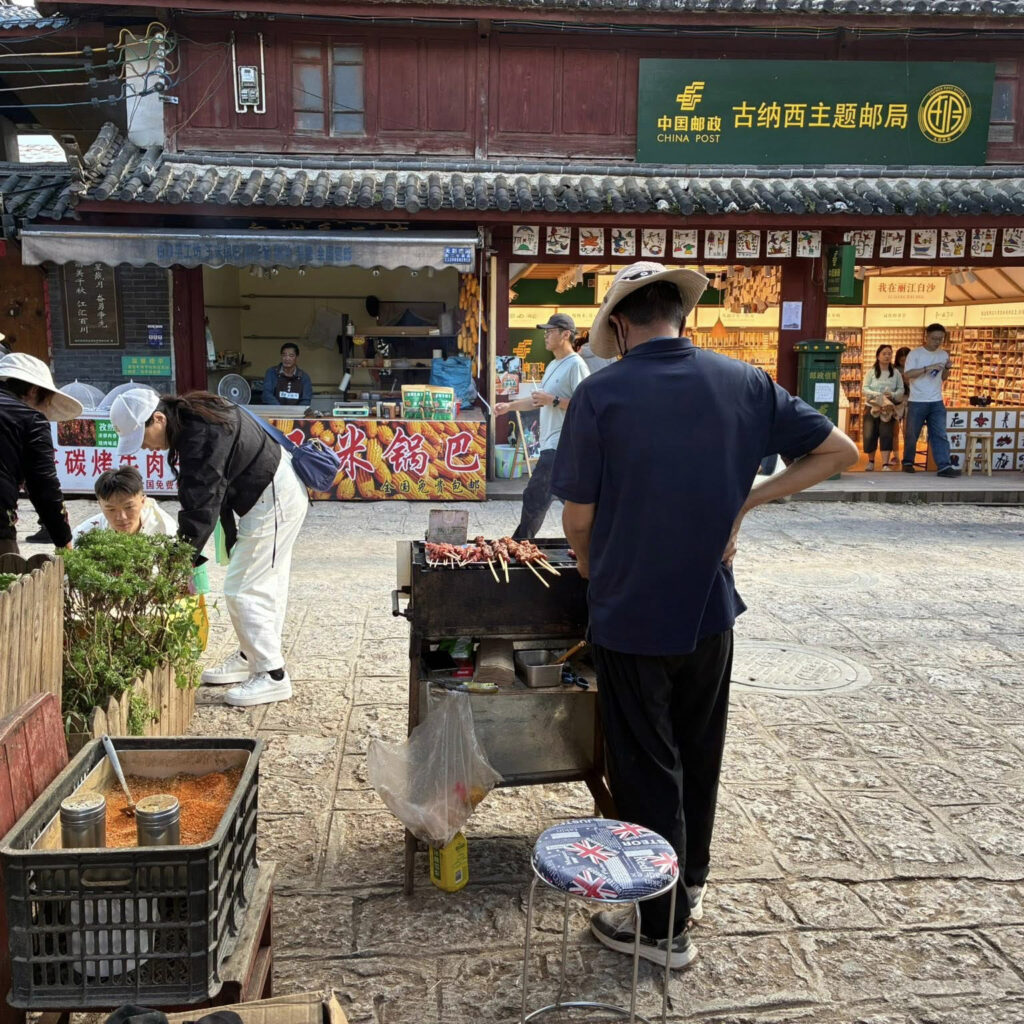
A Bai minority town known for grand courtyards, tie-dye traditions, and Xizhou baba flatbread.
- Tip: Rent a bike from Dali and cycle through the lakefront villages.

Offbeat and Hidden Gems
1. Shaxi Ancient Town (沙溪古镇)
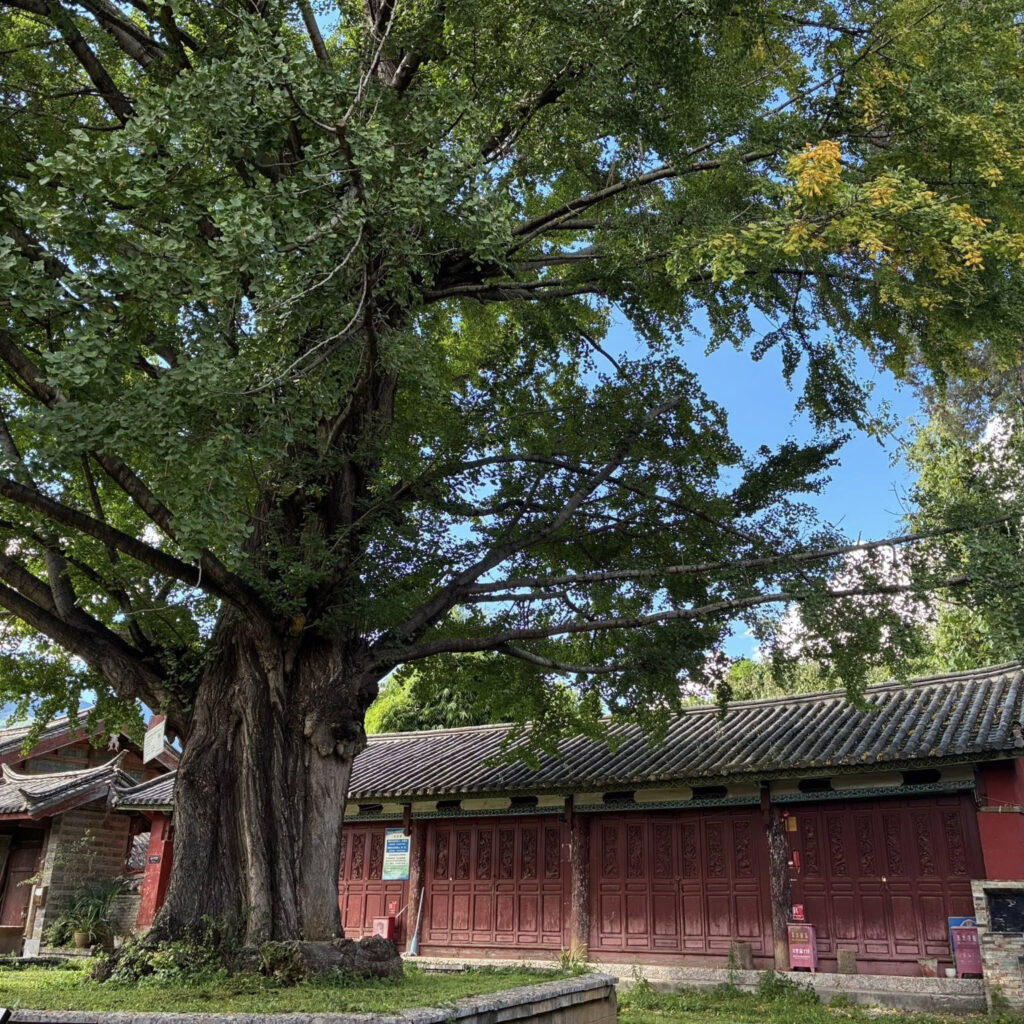
Once a caravan stop on the Tea Horse Road, Shaxi remains Yunnan’s most atmospheric old town.
- Highlights: Sideng Square, Friday market, cobbled alleys, opera stage.
- Best for: Slow travelers, photographers, and history buffs.
2. Heshun (腾冲 和顺古镇)
Wooden homes, wetlands, and a peaceful, rural rhythm.
3. Nuodeng (诺邓古村)
Known for its ham-curing tradition and earth-walled houses.
4. Tuanshan Village (团山村)
A Qing-dynasty time capsule near Jianshui with ancestral halls and preserved courtyards.
Travel Realities: What to Expect in Yunnan’s Ancient Towns
While Yunnan’s ancient towns are magical, they also present real challenges for first-time travelers. Here’s what you should know:
1. Cultural Challenges
- Language barrier: English is rarely spoken outside of Lijiang or Dali. Learning a few phrases in Mandarin—or even local dialect greetings—goes a long way.
- Photography etiquette: Villagers may dislike intrusive photography. Always ask before taking photos.
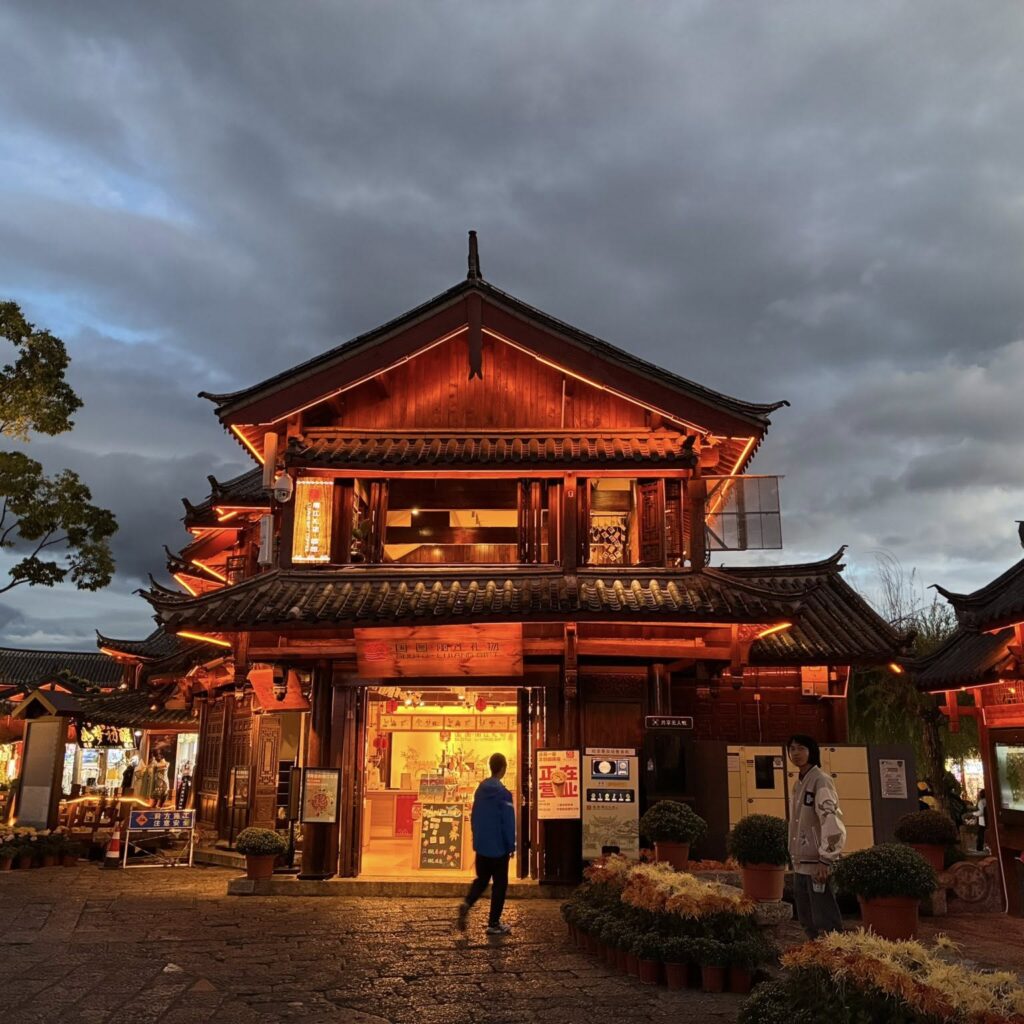
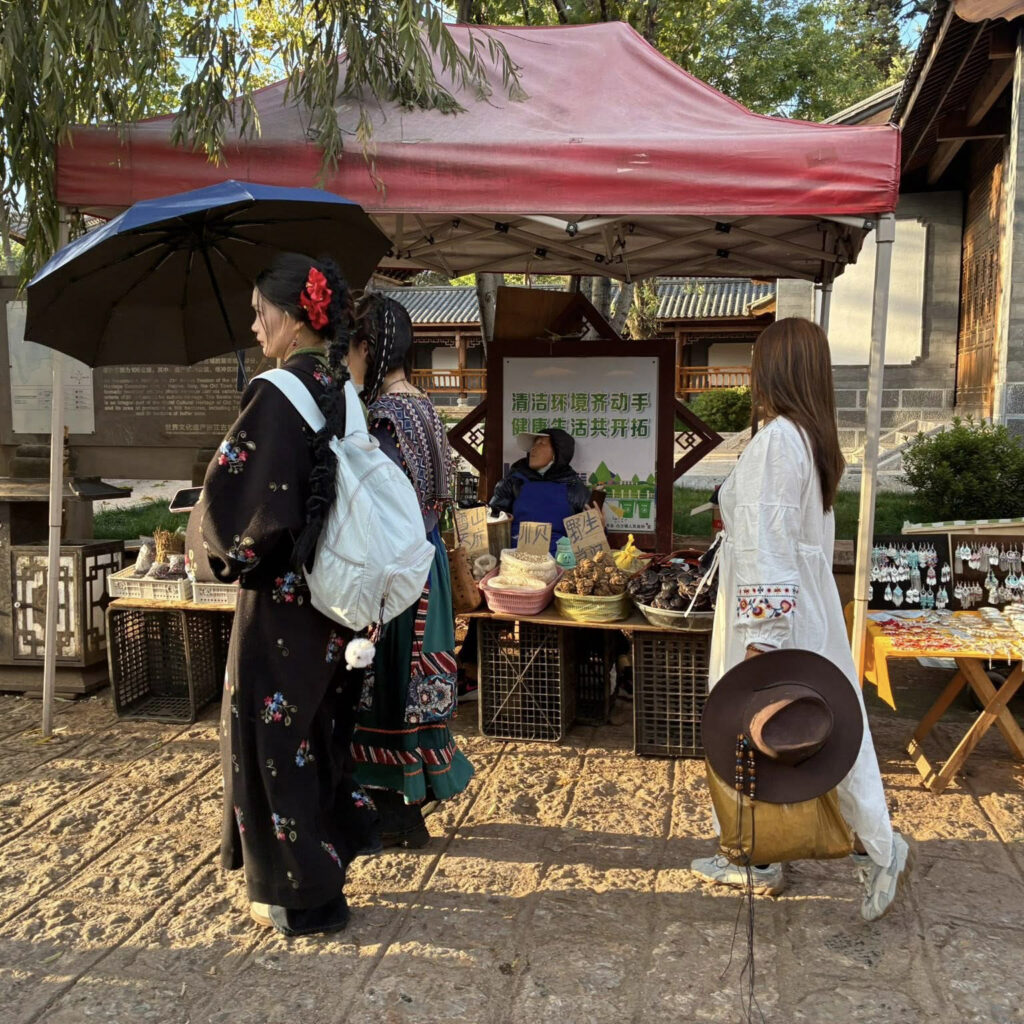
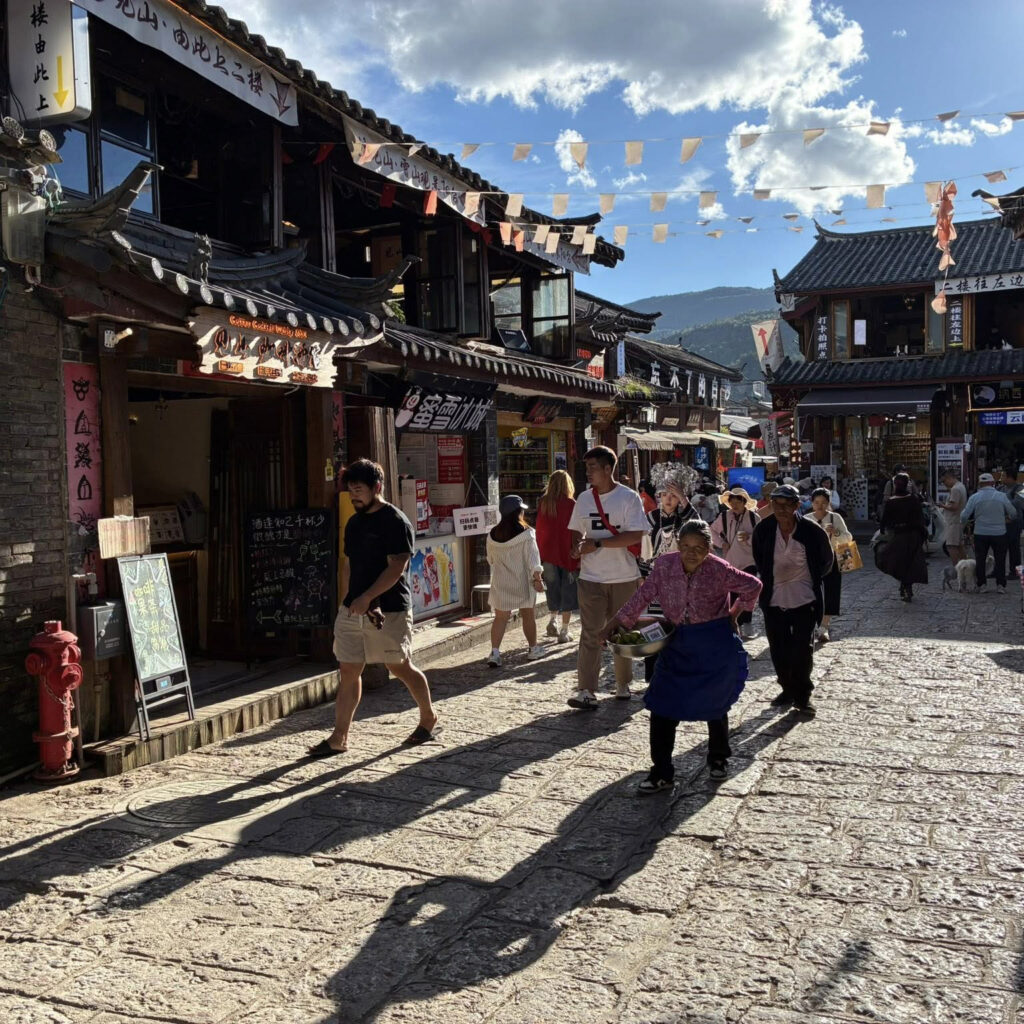
- Selfie mania: These villages are very popular among the young generations of Chinese, and they throng these ancient towns to get photographed in traditional local attire for social media photography. It may get overwhelming.
- Different rhythms: Shops may close early, and nightlife is limited outside tourist hubs.
2. Infrastructure Realities
- Toilets: Squat toilets are common, especially in smaller villages. Carry tissues and sanitizer.
- Cash vs. Apps: Many locals use WeChat Pay or Alipay, but foreigners without Chinese bank accounts may find cash more reliable in rural towns.
- Accommodation: Guesthouses can be charming but basic. Don’t expect luxury in offbeat towns.
- Limited public transportation: Even though some of these ancient towns are not too far from one another, limited public transportation makes it difficult to access them without a taxi or a rental car. Alternatively, one can hire a taxi via the DiDi app.
3. Food & Dining
- Chopsticks only—forks are rare. Practice or carry a travel fork if needed.
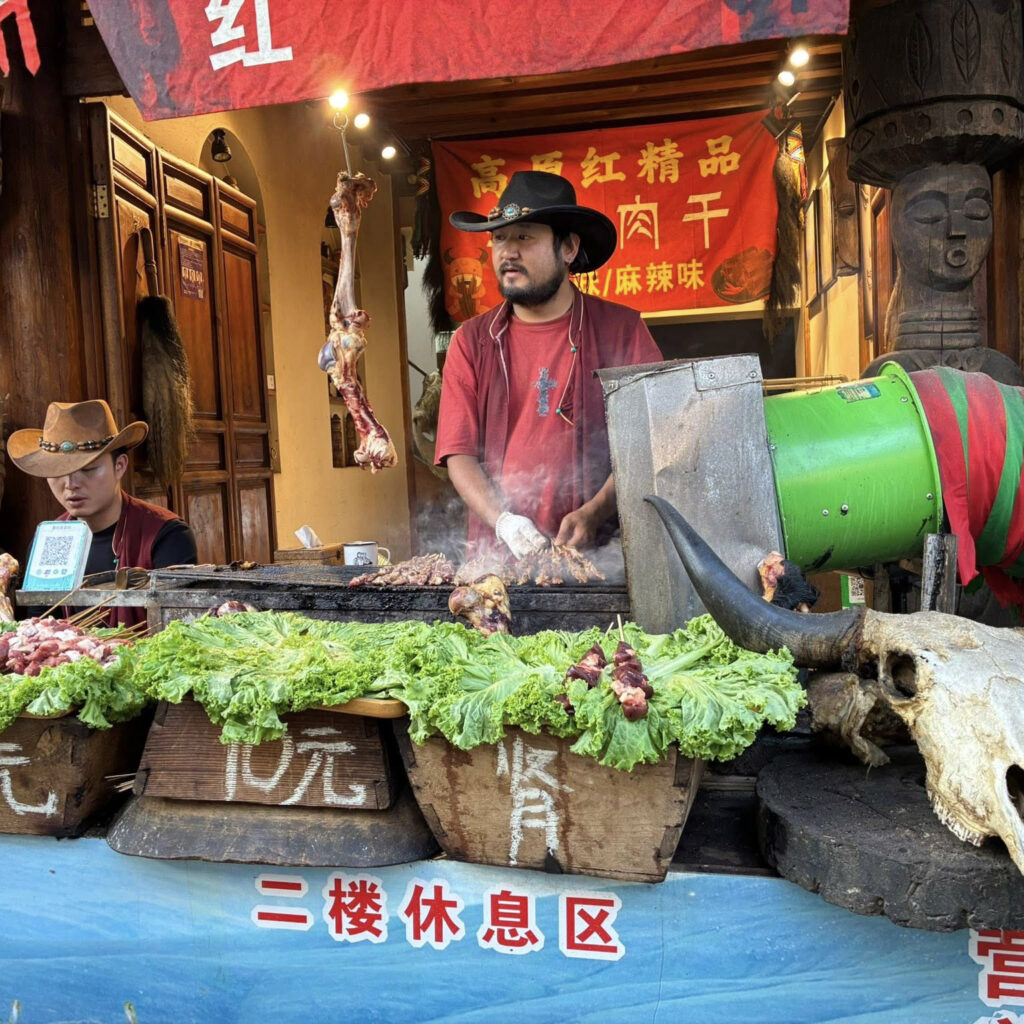
- Some dishes may be oily or spicy—adapt by asking for “bù là” (not spicy) if you prefer mild flavors.
4. How to Adapt & Thrive
- Pack patience: Transport connections can be slow or irregular.
- Travel light: Cobbled streets make dragging heavy luggage a nightmare.
- Respect traditions: In villages like Baisha or Xizhou, showing interest in crafts or food creates genuine cultural exchanges.
- Slow down: The real joy of Yunnan is lingering in tea houses, chatting with locals, and watching village life unfold.
- Enjoy the local delicacies: Yunnan is famous for its wild mushrooms, apples, peaches, and pears. Make sure to enjoy these local products at restaurants in the form of stir-fries or hot pots.
Suggested Itinerary (7–10 Days)
- Kunming → Dali (Ancient City + Xizhou)
- Shaxi (2 nights)
- Lijiang (Dayan, Shuhe, Baisha)
- Optional extension to Shangri-La (express train from Dali/Lijiang to Shangri-La is available, and the journey takes around 4 hours.)





Follow the rest of the China series
- CHINA FOR FIRST TIMERS
- Chengdu Local Market Food Tour & Cooking Class
- CHENGDU IN A DAY
- ZHONGLU TIBETAN VILLAGE
- TAGONG GRASSLANDS IN WESTERN SICHUAN
RESPONSIBLE TRAVELING-BECAUSE I CARE
Yunnan Ancient Towns Compared
| Town | Vibe | Crowds | How to get there |
|---|---|---|---|
| Lijiang (Dayan) | UNESCO canals, Naxi culture, nightlife | Very busy | Train or flight to Lijiang |
| Shuhe | Quieter old tea-horse stop near Lijiang | Moderate | 10 min taxi from Lijiang |
| Baisha | Naxi village with Ming-era murals | Low | 20 min from Lijiang |
| Dali Ancient City | Backpacker cafés, Erhai Lake, Cangshan views | Busy | Train to Dali station |
| Xizhou | Bai architecture, xizhou baba bread | Moderate | Bus or bike from Dali |
| Shaxi | Best-preserved Tea Horse Road market town | Low | Bus/car from Dali or Jianchuan (about 2–3 hrs) |
| Heshun | Overseas-Chinese heritage village near Tengchong | Low | Flight or train to Tengchong |
| Nuodeng | 1,000-year-old salt-making village in the hills | Very low | Car from Dali via Yunlong |
| Tuanshan | Honghe village of Qing-era mansions | Very low | Train to Jianshui, then taxi |
Suggested Yunnan Ancient Towns Itinerary
| Days | Route |
|---|---|
| Day 1–2 | Kunming, then train to Dali – old town and Erhai Lake by bike |
| Day 3 | Xizhou and Bai villages |
| Day 4–5 | Shaxi – Sideng market square, Friday market, Tea Horse Road walks |
| Day 6–8 | Lijiang, Shuhe and Baisha; optional Jade Dragon Snow Mountain |
| Day 9–10 | Tiger Leaping Gorge trek or fly back from Lijiang |
FAQs
Which is better, Lijiang or Dali?
Dali is more laid-back with lake and mountain scenery, while Lijiang has the grander canal-side old town but more crowds. Many travellers visit both, plus Shaxi in between.
Is Shaxi worth visiting?
Yes. Shaxi is one of the best-preserved Tea Horse Road towns in Yunnan, with a quiet market square, old theatre and far fewer tourists than Lijiang.
How many days do you need for Yunnan ancient towns?
Plan at least 7 days for Dali, Shaxi and Lijiang, or 10 days if you add Tiger Leaping Gorge or offbeat villages like Nuodeng.
Do Yunnan old towns charge an entry fee?
Lijiang charges an Ancient Town maintenance fee of around CNY 50, while Dali, Shuhe, Xizhou and Shaxi are free to wander.


