
Pench National Park Travel Guide: Best Time To Visit, Safari Zones & Things To Do
Pench National Park is one of the most popular wildlife destinations in India. Every year, many people visit this park to enjoy nature, see wild animals, and spend time in a quiet forest. The park is known for its rich wildlife, green forests, and well-managed safari routes. Visitors can enjoy a well-organised safari experience while exploring different parts of the forest. Nature lovers, wildlife photographers, families, students, and adventure travellers all come here for a memorable trip. Planning your trip in advance helps you save time and avoid problems. This guide explains the best time to visit, safari gates and zones, park timings, and popular activities. It also gives important information about Pench safari booking, so you can plan your safari more easily and enjoy a smooth wildlife trip.
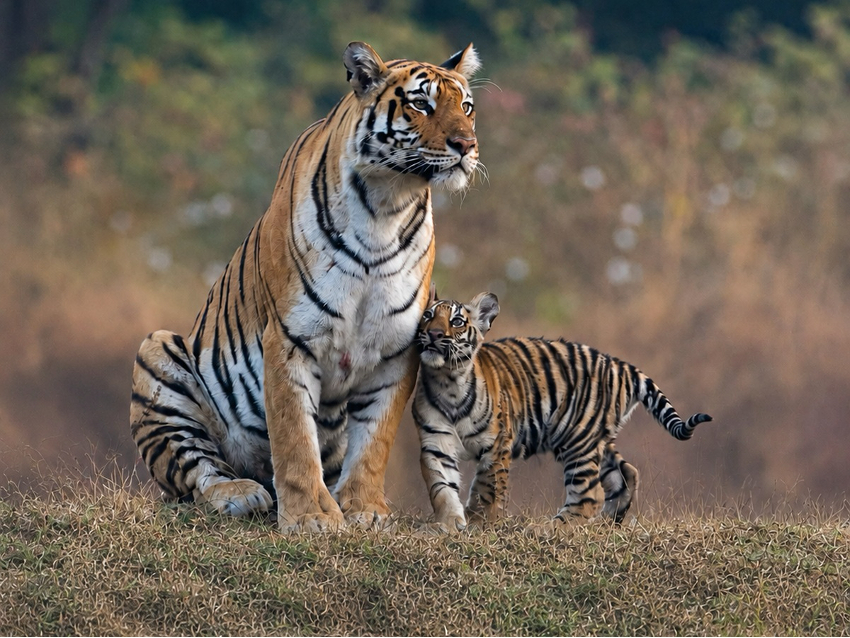
Best Time to Visit
Tourists can access this national park from 1st October to 30th June. Each season provides unique wildlife sightings that differ from one another. Visitors will have a variety of reasons to visit the park based on what each season offers.
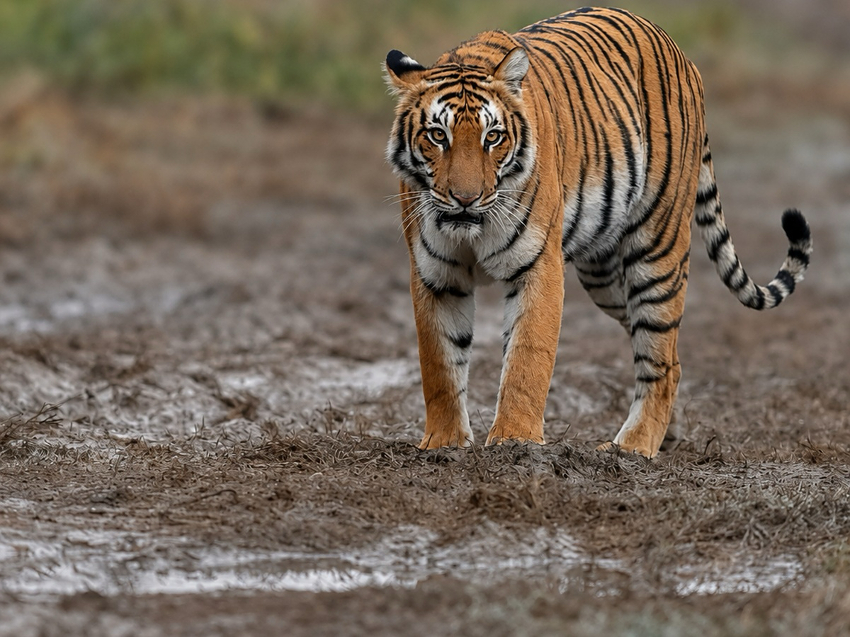
Winter Season (November to February)
The winter season is the best time to visit the park since it is very pleasant. The weather is cool and pleasant throughout the day, making the safari experience enjoyable. Tourists can spend up to several hours in the forest due to the pleasant weather. This season is recommended for families, elderly people, and first-time visitors since the weather is great for travel. Visitors can also enjoy seeing a variety of animals at this time, and visiting the forest would be comfortable. The winter season being the busiest one, safari seats tend to book up fast. It is always a good idea to book your Pench safari beforehand.
Summer Season (March to Mid-June)
Summers are hotter, particularly in the afternoon. Despite that, a number of wildlife enthusiasts prefer summer since wildlife sightings can be more frequent. Summer is when natural water sources become less abundant and difficult to find for the animals. Many animals, such as tigers, deer, and gaur, among others, go to rivers, ponds, and available watering holes to get hydrated. As a result, there is an increased probability of spotting the animals on safari. This season is also preferred by wildlife photographers since many animals are found near water. The tourists must wear cotton clothes, drink water, apply sunscreen lotion, and wear hats. Morning safari tours are easier due to cool weather compared to the afternoon. If you are comfortable traveling in hot conditions, then summer could be a perfect time.
Monsoon Season
The monsoon season begins after the summer season, and there are changes in the functioning of the safaris. The core area is closed for tourists from 1 July to 30 September. This annual closure of the core area ensures that the wild animals in the region are protected and enables forest department authorities to conserve the forest area. The core area is closed, but some buffer safaris are still operational. People are still able to visit the forest during the rainy season via these buffer zones.
These buffer safari options include:
- Nagalwadi Buffer Area through Surewani Gate
- Paoni U.C Buffer Area through Sillari Gate
The buffer safaris enable the tourists to appreciate the greenness of the forests following the rains. This is an interesting period as far as the scenery goes, and tourists can still appreciate nature while the main safari areas are closed.
Safari Gates And Zones
Pench National Park is situated within the states of Maharashtra and Madhya Pradesh. Because the park covers a large area, there are several safari gates that provide entry into different safari zones. Every gate leads to a specific part of the forest. The gate mentioned on your safari permit depends on your reservation, selected safari zone, hotel location, and travel route. Before leaving for your safari, always check your booking confirmation carefully. Getting to the right gate makes your journey easy and on time. While making your safari booking, always check that your entry gate and safari details are correct.
Madhya Pradesh Gates
The Madhya Pradesh side has three main safari entry gates. These gates are popular because they provide easy access to different safari zones. Many visitors choose this side of the park every year, and several hotels and resorts are located nearby, making travel more convenient.
The three major entry gates are:
- Turia Gate
- Karmajhiri Gate
- Jamtara Gate
These gates have well-organized safari operations and are commonly used by visitors staying on the Madhya Pradesh side of the park.
Maharashtra Gates
The Maharashtra side also has several safari gates and ecotourism zones. Each gate gives access to a different safari route inside the forest. Depending on your safari permit, you may enter through any one of these gates.
The safari gates on the Maharashtra side include:
- Sillari Gate
- Khubala Gate
- Kolitmara Gate
- Chorbahuli Gate
- Khursapar Gate
- Surewani Gate (Nagalwadi Buffer Zone)
- Banera Gate
- Maudi Gate
Before your safari, always confirm the gate mentioned on your booking confirmation. This helps you plan your journey properly and reach the reporting point on time. A correct safari booking also helps avoid confusion on the day of your visit.
Weekly Park Closing Time
The Madhya Pradesh side of Pench generally observes a half-day closure on Wednesdays. There are no safari tours in the afternoon on that day. Morning safaris usually run as planned, but visitors cannot enter the park for an afternoon safari on Wednesdays. Before making your travel plan, check the latest safari schedule during your booking. Safari timings may change a little with the season. Confirming the latest timings before your journey helps you avoid problems and enjoy a smooth visit.
Things To Do In Pench
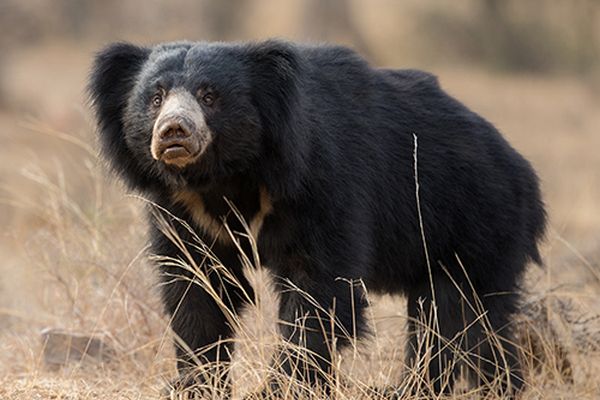
There are a lot of fun activities to do when visiting this national park besides having a gypsy safari. The other activities include bird watching, nature walks, being near the forest, and getting immersed in the local culture. Each activity brings a unique experience, thus ensuring that you have a great time while visiting the park.
Experience a Gypsy Safari
The gypsy safari is the most popular activity at Pench National Park. You will be guided by expert guides through the forest while riding a vehicle that takes a prescribed safari route. On the ride, you can expect to see tigers, leopards, deer, wild dogs, jackals, gaur, monkeys, and other wildlife in their natural habitat. Since the animals are free in the forest, each safari is always unique. It would be advisable to book your Pench safari in advance in order to get your preferred date and time.
Birdwatching
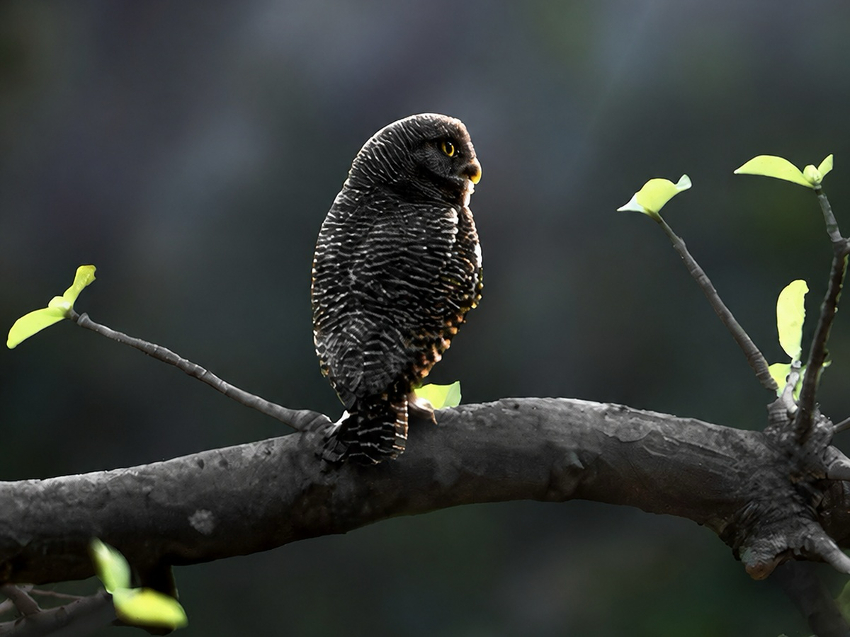
Pench is also a great place for birdwatching. The park is home to many resident and migratory birds throughout the year. Visitors can enjoy watching different bird species in forests, grasslands, and near water bodies. Birdwatching is a peaceful activity and is popular among nature lovers and photographers.
Experience an Early Morning Safari
An early morning safari is a good choice for many visitors. The weather is cooler, and wildlife is often more active during the morning hours. This also gives visitors a chance to enjoy the beautiful sunrise and the fresh forest environment before the day becomes warmer.
Visit the Buffer Zones
The buffer zones are a different way to see the forest. These areas include varied landscapes and habitats. You can see forests, empty open fields, and lakes or ponds. Going on a safari in the buffer zone is often quieter because fewer people come here. In the rainy season, the main part of the forest is closed for visitors. But some buffer zones stay open during this time. So you can still go and enjoy the forest even when the core area is closed.
Stay at a Jungle Resort or Eco-Lodge
Many visitors choose to stay at jungle resorts or eco-lodges located near the park. Staying close to the forest makes it easier to go on morning safaris and enjoy the natural surroundings. Many resorts also provide comfortable rooms, local food, and guided nature activities for guests.
Wildlife Photography
Pench National Park is a popular place for wildlife photography. Visitors can take photographs of wild animals, birds, forests, rivers, and beautiful landscapes during guided safaris. Since every safari is different, each visit offers new opportunities to capture memorable pictures.
Learn About Nature and Conservation
Visitors can learn about the plants, animals, and conservation work carried out in the park. Local guides share useful information about the forest, wildlife, and the importance of protecting nature. Some resorts and nearby areas also offer nature walks where visitors can learn more about the local environment.
Explore Nearby Tribal Villages
Visitors can also explore nearby tribal villages to learn about the local way of life. These villages offer an opportunity to see traditional customs, local handicrafts, and everyday village activities. It is a good way to understand the culture of the people living near the forest.
Enjoy a Peaceful Evening
After a day of safari, many visitors relax at their resort in the evening. Some resorts arrange campfire evenings where guests can sit together, enjoy the peaceful atmosphere, and listen to the natural sounds of the forest. It is a simple and enjoyable way to end the day.
Visit in Different Seasons
Every season offers a different experience in Pench. Winter brings pleasant weather, summer offers better chances of wildlife sightings near water sources, and the monsoon season makes the forest fresh and green in the open buffer areas. Visiting in different seasons allows travellers to enjoy changing landscapes, different wildlife behaviour, and new experiences each time.
Follow the rest of the Top Experiences series
- TOP TWENTY THINGS TO DO IN EGYPT
- WHY YOU SHOULD VISIT MALTA
- TOP FUN THINGS TO DO IN HAMPI
- 10 HISTORICAL PLACES TO ROAM ACROSS THE WORLD
- 10 HISTORICAL MARVELS OF ITALY
- 10 BEST SHOWS IN EUROPE YOU MUST SEE
- DUBAI THRILLS: 7 MUST-DO ACTIVITIES
- 10 HISTORICAL MARVELS IN TURKEY TO ENJOY WITH KIDS
- MOST ENCHANTING PALACES IN EUROPE
- IN‑BETWEEN MOMENTS IN ASPEN
- BRECKENRIDGE SKI ITINERARY
RESPONSIBLE TRAVELING-BECAUSE I CARE


