
How Do Younger People Follow Sports?
Sports are no longer followed as they used to be twenty years ago. Young people avoid subscribing to cable packages and turn to their phones, apps, and video clips. They prefer quick highlights, instant statistics, and live communication with games. Curious about how this works? Try exploring one of the sports platforms personally to feel the difference.
Digital Platforms Change the Fandom Experience
Streaming applications and social media have come to define how the new generation accesses sports content. They love watching highlights and are not interested in watching the whole game at all. The reason for this trend is that people have less time in their busy lives. Exploring the platform itself becomes a prerequisite for becoming a fan of it. The analytical part starts with the MelBet registration, so people can simultaneously monitor live scores, betting odds, and match previews. It takes only several minutes on either mobile or PC. Then, they can watch their favorite teams while tracking the bets and statistics of the game.
Interactive Betting and Casino Games Attract Young Fans
Not only betting but also combining sports preferences with casino entertainment appeals to many young people. Typically, they explore several platforms between matches and tournaments. This variety becomes an inherent characteristic of modern fandom. Games with bright visuals and uncomplicated rules appeal to the same part of the audience. Many people find that it is pleasant to play the Sweet Bonanza official game in their free time when there are no sports matches going on. The colorful appearance and fast rounds suit their taste. Gambling on the outcome of the match, along with casino games, is a form of digital leisure activity.
Sports and Esports Converge
Increased interest in esports has made the borders between them and traditional sports very blurry. Youth equally love watching both kinds of competitions and give each its full share of attention. Betting has evolved, including tournaments in video games, together with the classic leagues.
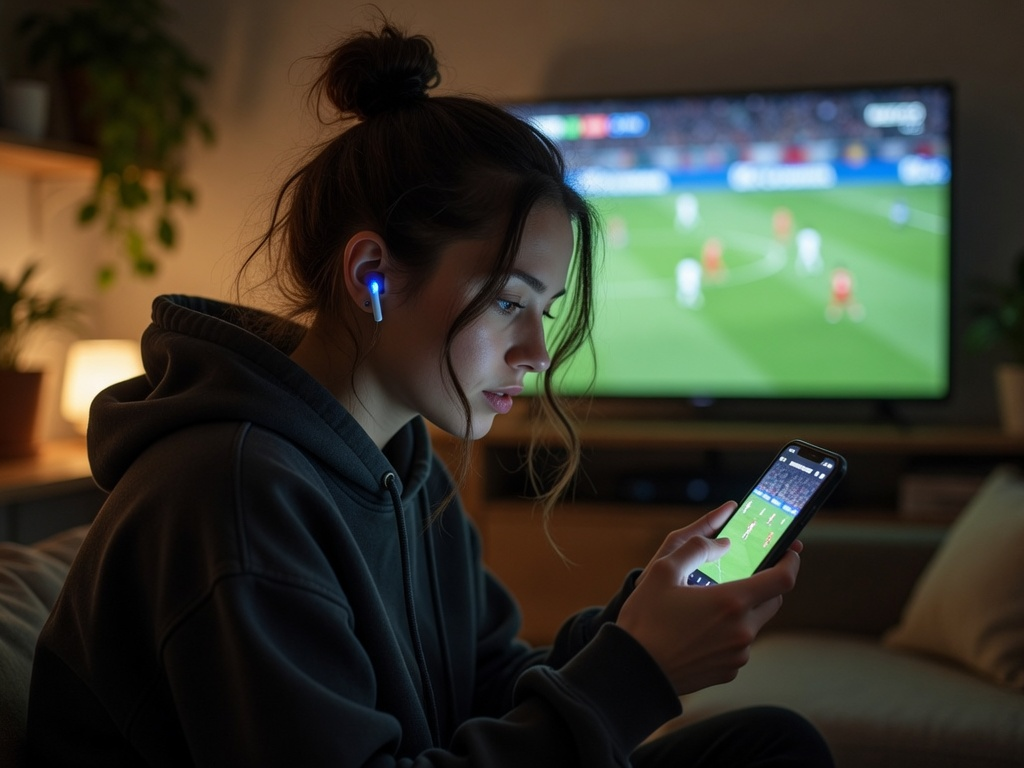
Esports and football, basketball, and other popular sports compete on the same streaming platforms. Users change from watching one kind of competition to another without any trouble. Prize pools and the popularity of players have started to catch up with those in classic leagues.
Access via Mobile Technology Is Always Available
Nowadays, mobile phones serve as the major device used to follow sports. Scores are monitored during class breaks, commuting times, and short intervals while at work. Notifications replace searching for the news. The availability of the technology influences people’s requirements for information delivery. The apps integrate live scores, betting odds, and video highlights into one app. Fans switch from monitoring stats to placing bets in seconds. Convenience and speed are more important than the high-quality experience that was provided by the broadcasting formats of the past. Mobile-first design is redefining the way of delivery of the sports content is delivered to the younger generation.
Short Video Content Gains Ground
New platforms such as TikTok and Instagram Reels determine how fans consume sports moments. Videos of individual moments can go viral even before the end of the match. Many young people find out about scores in their videos rather than waiting for full game footage. The replays become secondary to short shareable clips. It means that sports organizations and media need to generate bite-sized promotional content all the time. Behind-the-scenes videos, reactions of players, and other similar content perform well among the younger generation. Shares and comments are no less important than traditional viewership statistics.
Influence of Social Media on Modern Sports Fandom
Opinions, rivalries, and even purchases of sports goods are heavily influenced by social media platforms. Highlights travel faster than the whole game itself. Fans find out about scores through notifications rather than checking any official website.
Below is a quick comparison of differences in the fans’ behavior across generations.
| Aspect | Older Generation | Younger Generation |
| Viewing Method | Live TV broadcasts | Streaming and clips |
| Information Source | Newspapers, radio | Social media, apps |
| Engagement Style | Passive watching | Active interaction |
| Content Length | Full matches | Short highlights |
These differences demonstrate the cultural shift rather than just technological change.
Personalization Becomes Key in Choosing Content
Algorithms that are used by streaming platforms choose specific highlights, teams, and matchups for the fans. Young fans do not watch general broadcasts intended for mass audiences. Instead, they choose personal feeds with favorite players and storylines. The personal approach increases the engagement of fans greatly compared to broadcasting. Notifications allow choosing the updates that are important personally for the fans. Some fans prefer score notifications, and others prefer betting line movements. Personalization even extends to the fantasy leagues, where a scoring system is created personally for fans. This flexibility allows for maintaining loyal younger audiences.
Communities and Identity through Sports
Newer fans tend to develop an identity within the community online as opposed to being part of a fan club within the physical realm. Discussion groups, Discord groups, and fan forums take the place of the traditional fan community in the stadium. They always strategize and debate results all day long. Moreover, fantasy leagues and prediction games serve as a way to intensify the sense of community. In such a situation, friends challenge each other by using statistics and numbers rather than emotions. Getting bragging rights becomes just as important as watching their team win.
Global Access Due to Streaming Services
Streaming services have made it possible to watch sports without any geographical limitations. Young fans can follow the international leagues, players, and tournaments that are not broadcast in their region. Global loyalty becomes possible due to the availability of subscriptions on the sports app.
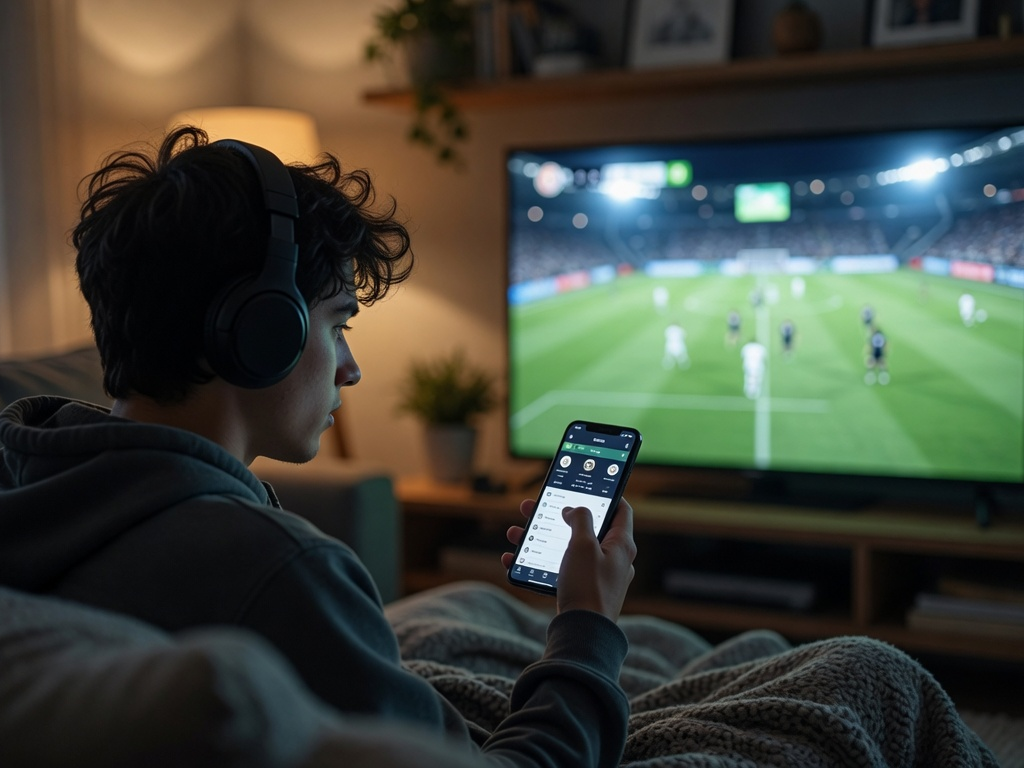
The time difference becomes insignificant due to the possibility of watching the replay of highlights. Fans can get caught up on the missed action immediately after the game finishes. This type of flexibility helps to combine international sports with the international betting market. The geographical location does not limit how deeply fans can be involved in their favorite league or team anymore.
Analytics Become Part of Fan Behavior
Young fans pay more attention to the statistics compared to the win or loss result. They analyze player efficiency, possession rate, and advanced analytics during live broadcasts. This approach becomes similar to the approaches used in fantasy sports and prediction platforms. Data becomes as important as emotional connections to the team. Broadcasters and apps make it possible for fans to have the analytics shown in the video feed. Fans can see the win probability, shot charts, and betting lines during the broadcasts. This type of merging entertainment and analytics appeals to the generation that is used to digital interactive content. Comments and analytics of broadcasters do not satisfy this data-oriented generation anymore.
A New Age of Watching
Young fans started to interact with sports in an interactive and mobile way with a lot of variety. They value speed, community, and variety instead of tradition and routine. Digital platforms, casino-style games, and interaction become the main components of sports fan culture.
Follow the rest of the Top Experiences series
- TOP TWENTY THINGS TO DO IN EGYPT
- WHY YOU SHOULD VISIT MALTA
- TOP FUN THINGS TO DO IN HAMPI
- 10 HISTORICAL PLACES TO ROAM ACROSS THE WORLD
- 10 HISTORICAL MARVELS OF ITALY
- 10 BEST SHOWS IN EUROPE YOU MUST SEE
- DUBAI THRILLS: 7 MUST-DO ACTIVITIES
- 10 HISTORICAL MARVELS IN TURKEY TO ENJOY WITH KIDS
- MOST ENCHANTING PALACES IN EUROPE
- IN‑BETWEEN MOMENTS IN ASPEN
- BRECKENRIDGE SKI ITINERARY
RESPONSIBLE TRAVELING-BECAUSE I CARE


