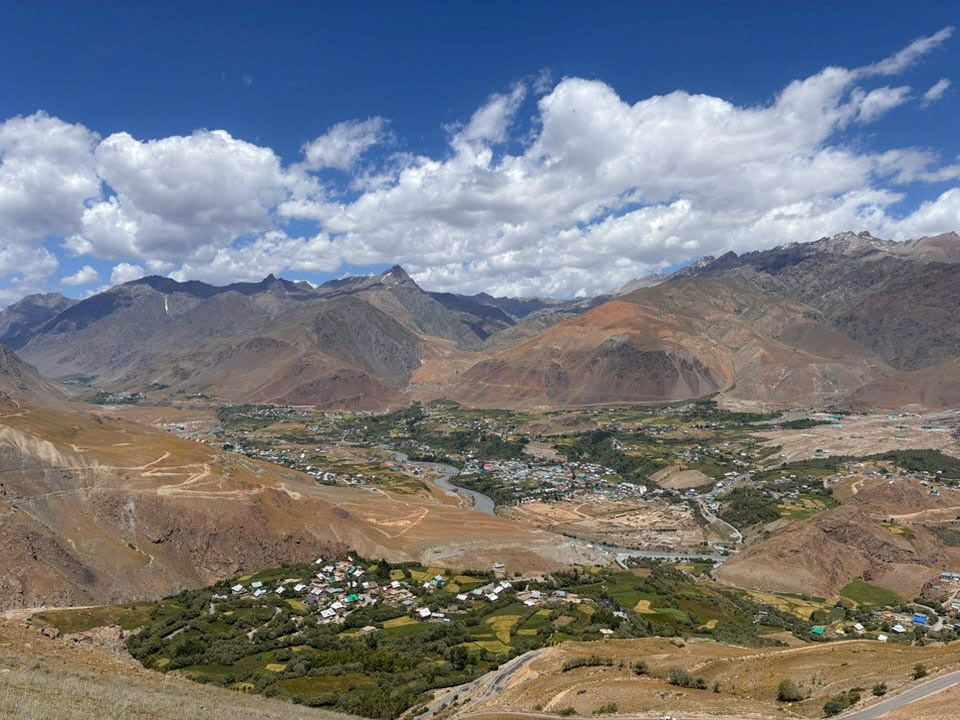
The Himalayan brown bear habitat of Mushkoh Valley
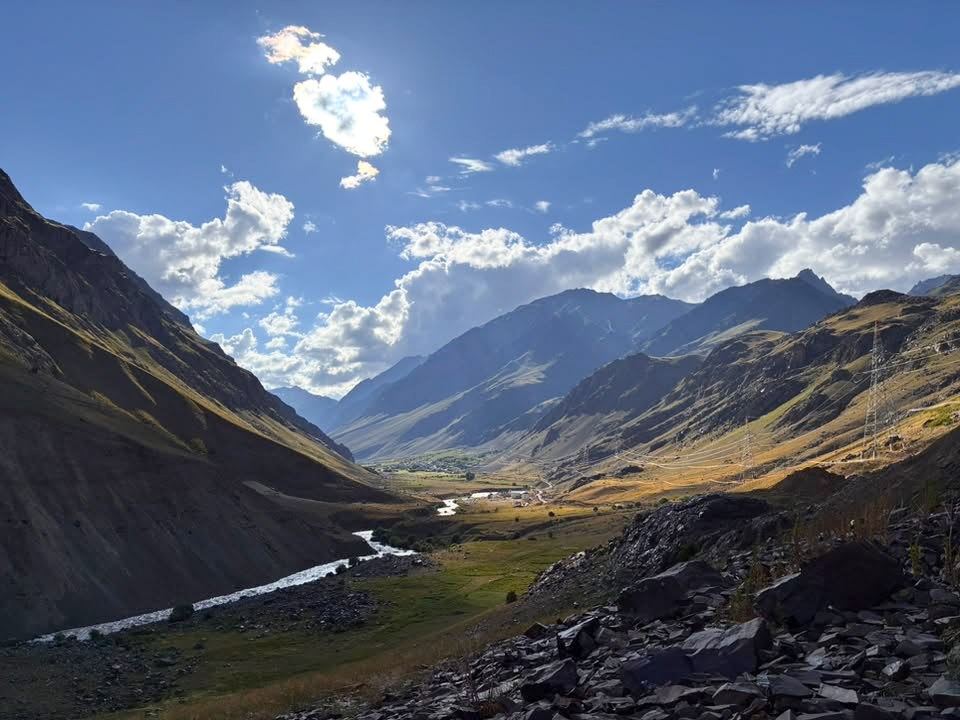
There are places whose beauty announces itself immediately, and there are others that reveal themselves slowly. Mushkoh Valley belongs to the latter. Hidden among the rugged mountains near Drass in western Ladakh, it is a place of sweeping meadows, snow-streaked peaks, tiny settlements, glacial streams, and extraordinary silence. It is also one of the most important habitats of the elusive Himalayan brown bear. Mushkoh Valley was one of the highlights of our offbeat Ladakh trip with Versatile Adventure Holidays. It was also one of the principal reasons we had chosen this unusual route through Ladakh. Instead of flying directly to Leh, we travelled overland from Srinagar, stopping in Sonmarg before crossing the formidable Zoji La and continuing through Drass to Mushkoh.
Sonmarg to Mushkoh Valley
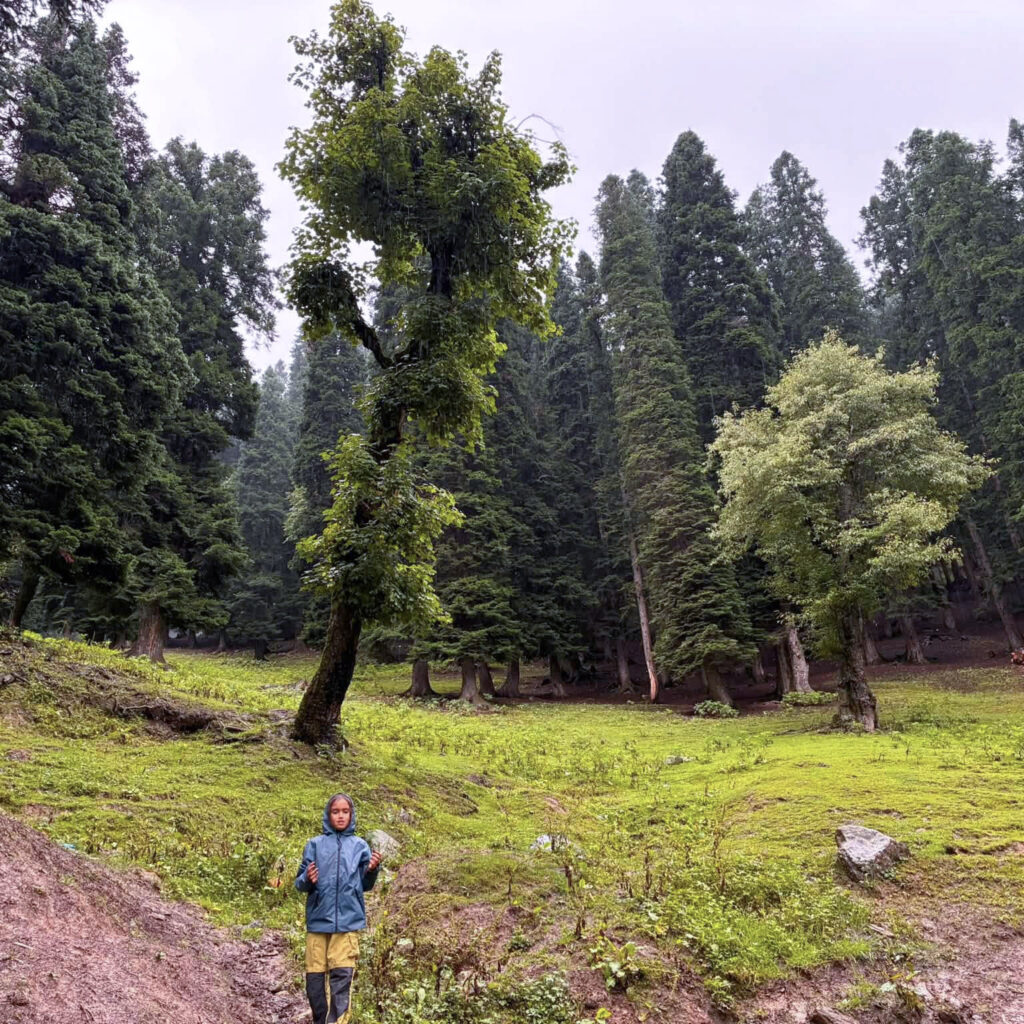
We had planned to spend more time in Sonmarg, one of Kashmir’s most celebrated mountain destinations and an ideal place to break the long journey between Srinagar and Mushkoh Valley. Unfortunately, it rained heavily throughout our stay. The mountains vanished behind thick clouds, the meadows became waterlogged, and the persistent rain restricted nearly all our planned excursions. After waiting for the weather to improve, we decided to leave Sonmarg one day earlier than planned and continue towards Drass and Mushkoh Valley. Mountain journeys rarely unfold exactly as expected, and flexibility is essential on this route. Rain, landslides, roadworks, military convoys and traffic restrictions around Zoji La can all affect travelling times.
We left Sonmarg and followed the Srinagar–Leh highway towards Zoji La. This stretch of road is dramatic, unpredictable and immensely beautiful. Mountains rise abruptly on either side, waterfalls tumble down steep rock faces, and the road clings to the slopes as it climbs towards the pass. Traffic controls, military convoys, roadworks and rapidly changing weather can all slow the journey, so it is wise to start early and avoid planning the day too tightly. After crossing Zoji La, the scenery began to change. The lush landscapes of Kashmir gradually gave way to the more austere mountains of Ladakh. We passed through Minamarg and continued towards Drass, a small mountain town surrounded by enormous, bare ridges.
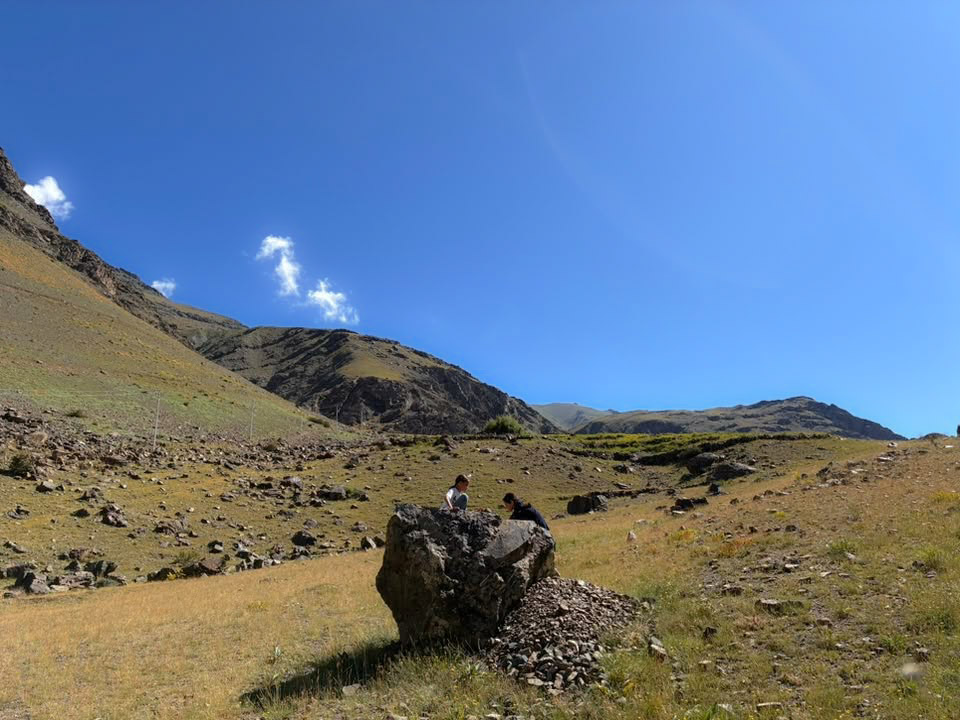
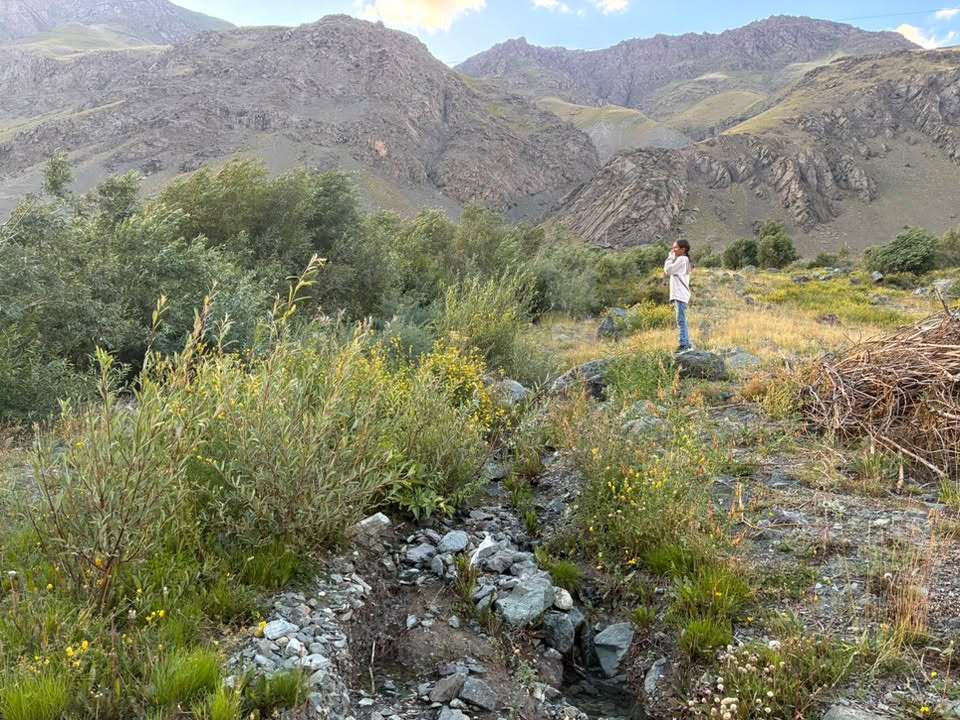
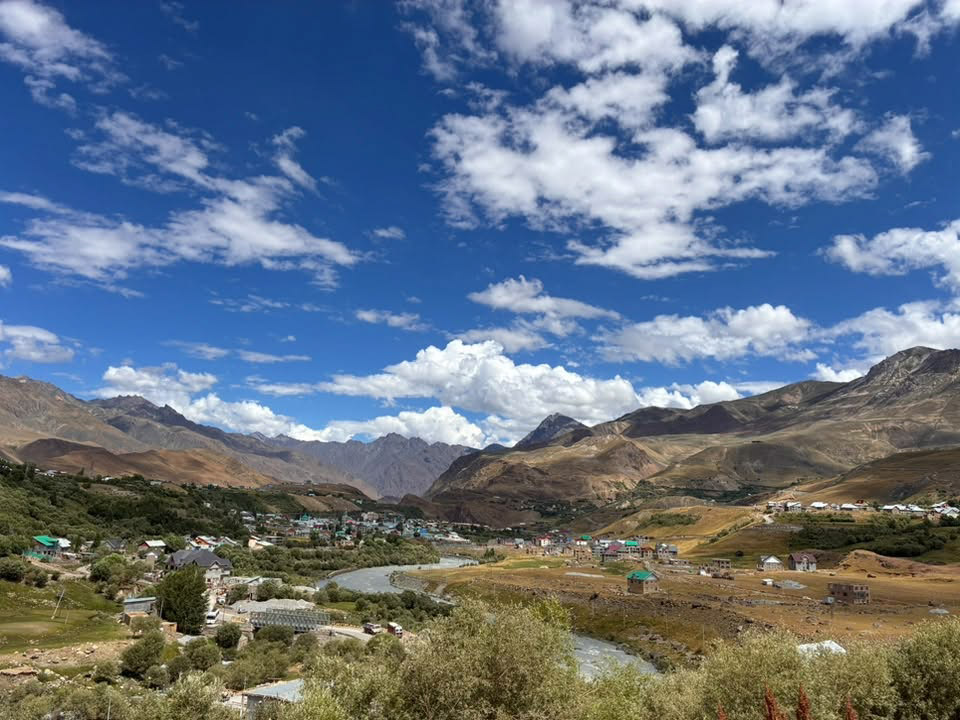
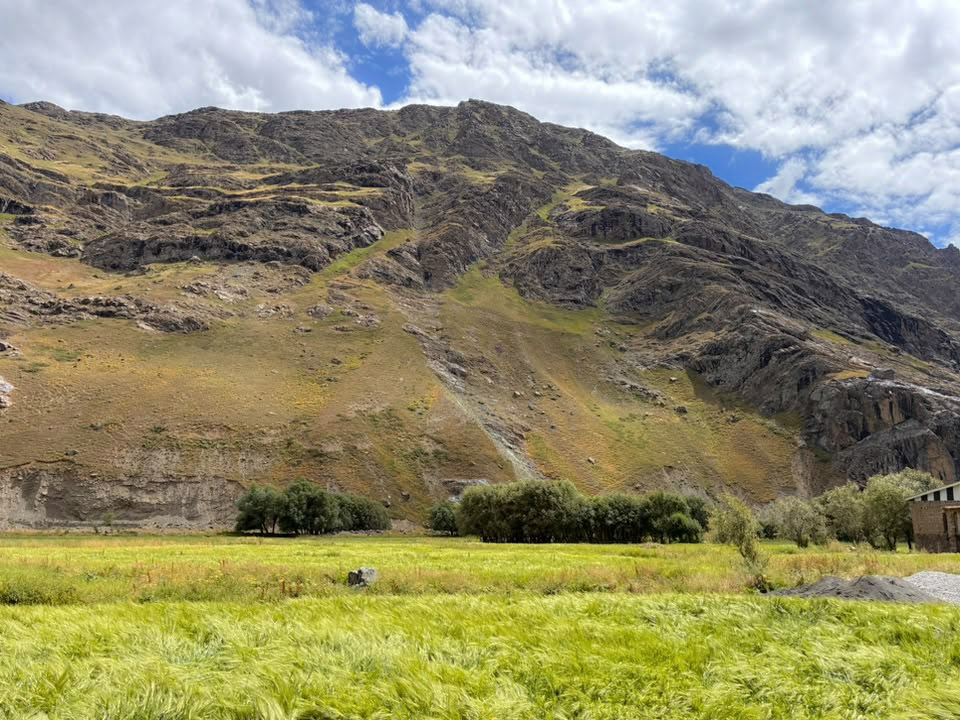
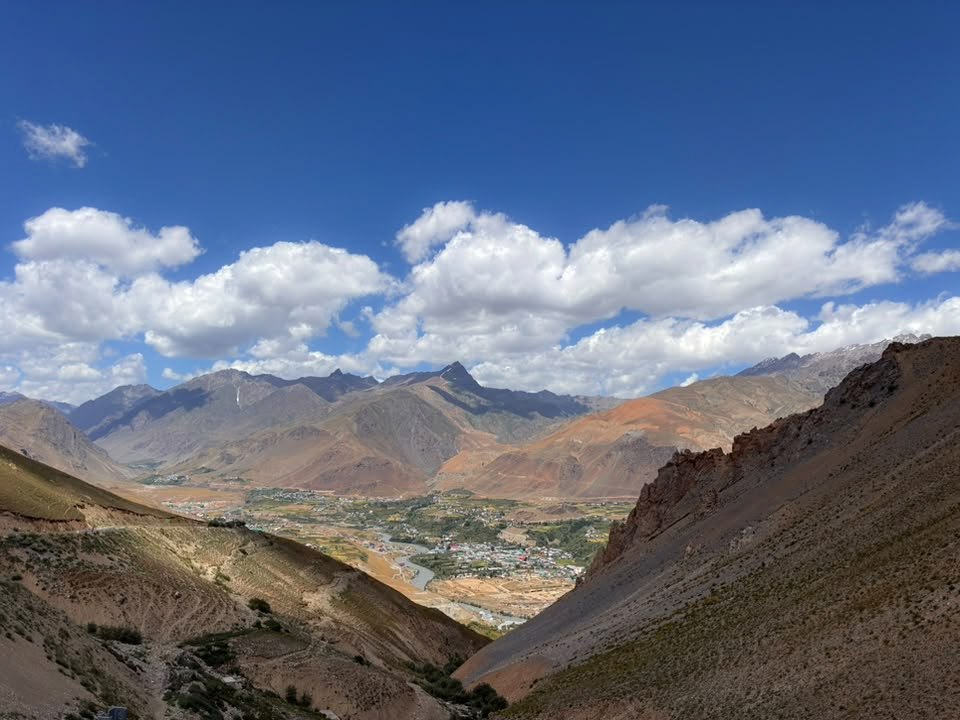
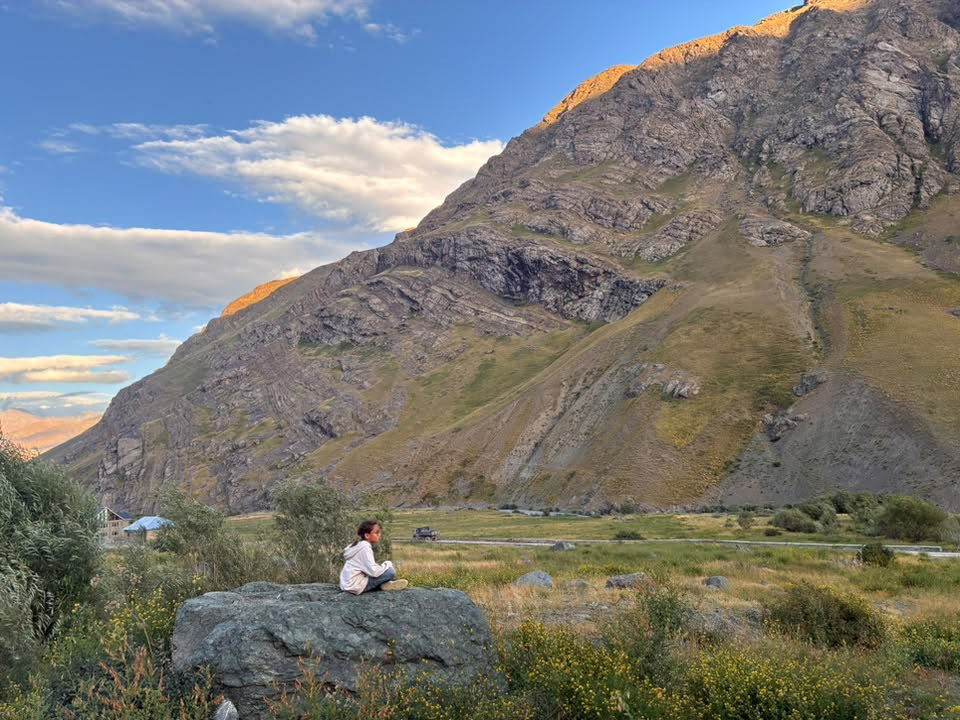
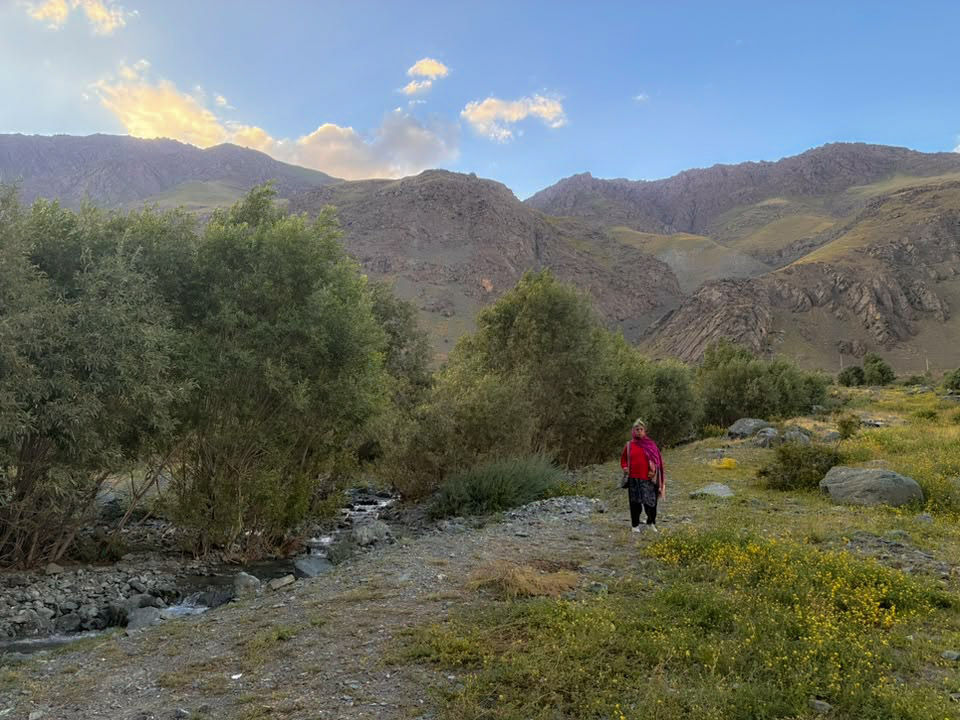
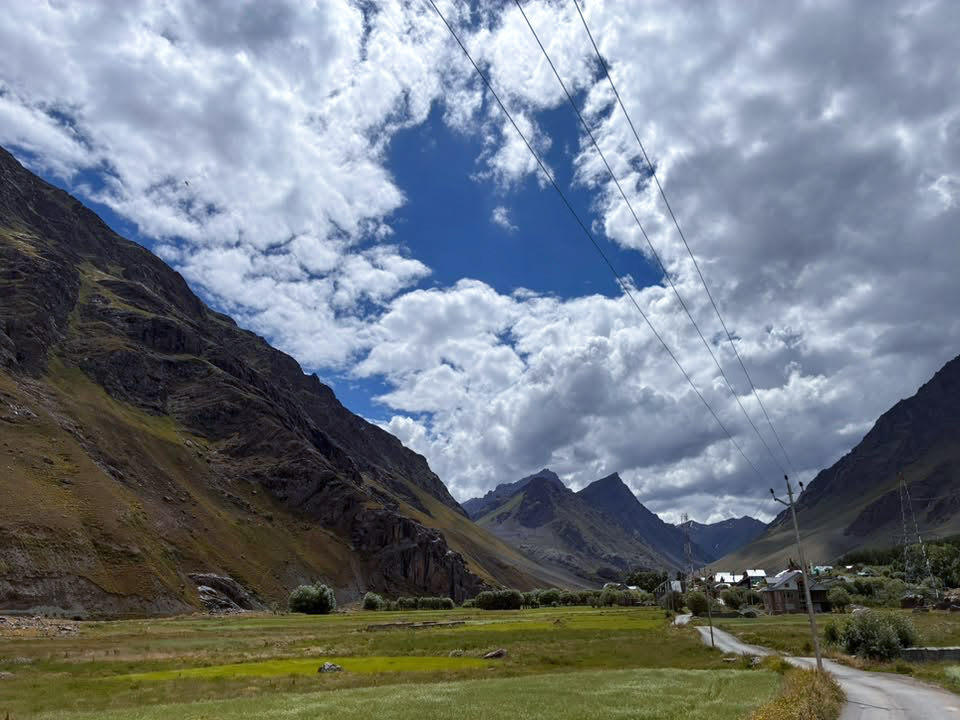
From Drass, the road turned towards Mushkoh. The deeper we travelled into the valley, the quieter and more isolated it became. Villages appeared at the foot of the mountains, cultivated fields brought flashes of green to the landscape, and wildflowers covered parts of the valley floor. It felt far removed from Leh’s cafés, souvenir shops, and busy summer traffic. Mushkoh felt almost cut off from the outside world. There were no busy markets, cafés, or conventional tourist facilities—only a handful of settlements scattered beneath immense mountains. Roads were few, mobile connectivity was limited, and distances felt much greater than they appeared on a map. The valley seemed to exist according to its own rhythm, shaped by the seasons, the weather, and the movement of its wildlife.
A remote valley with a turbulent history
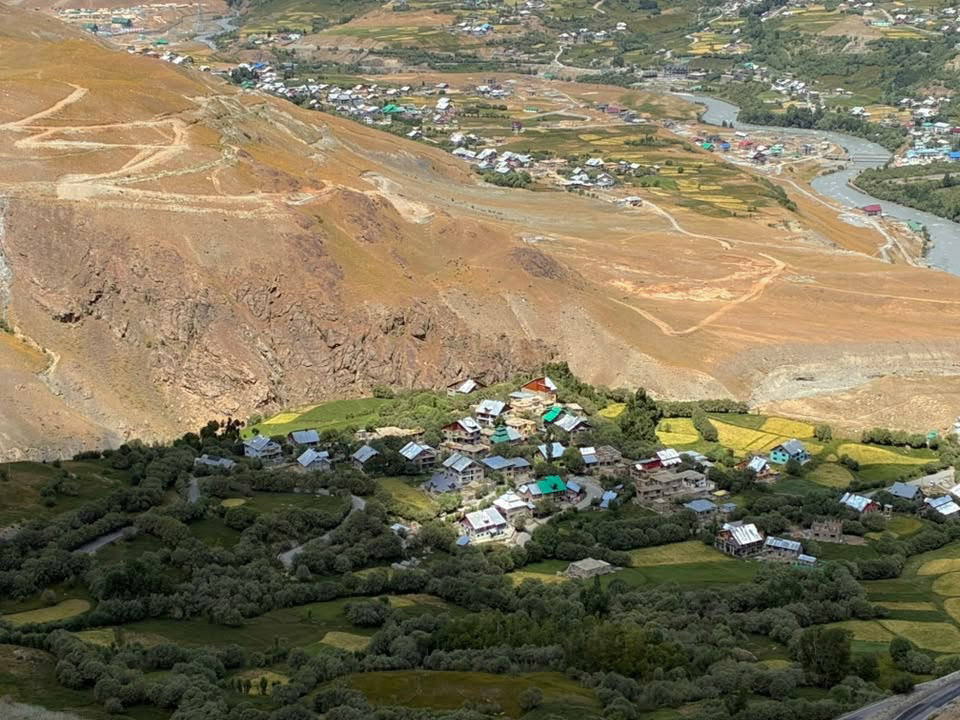
Mushkoh Valley is peaceful today, but the landscape carries memories of the 1999 Kargil War. The surrounding mountains, including the heights around Tololing, formed part of a fiercely contested region. The Drass War Memorial, located near the valley, commemorates the soldiers who lost their lives during the conflict. The military presence remains noticeable because Mushkoh lies close to sensitive border areas. Travellers should never photograph military installations, checkpoints or personnel, and access regulations should always be reconfirmed shortly before the journey. Yet daily life continues quietly beneath these historic mountains. Families cultivate the land, tend livestock and live in villages scattered along the valley. Children walk along the roads, sheep graze in the meadows, and smoke rises from the roofs of traditional homes in the evening.
Mushkoh Valley is transformed by snow
Although Mushkoh was green and covered in wildflowers during our summer visit, winter presents an entirely different face. Snow several feet deep can blanket the meadows, rooftops, and mountain slopes, making movement extremely difficult and leaving communities isolated for long periods. Roads may become impassable, and everyday life slows considerably. In early spring, when the snow begins to soften and bears emerge from hibernation, they descend from the higher mountains in search of food. In late autumn, before the deepest winter sets in, they may also wander widely across the valley and come close to villages, homes and livestock enclosures. During these cold, quiet periods, when few people move through the landscape, the bears have considerably more freedom to roam. For local residents, living beside one of the Himalayas’ largest predators is both remarkable and difficult. Hungry bears may damage food stores or attack livestock, creating understandable fear and conflict. Life in this isolated valley requires constant awareness of the animals living just beyond the villages.
It is the land of the Himalayan brown bear
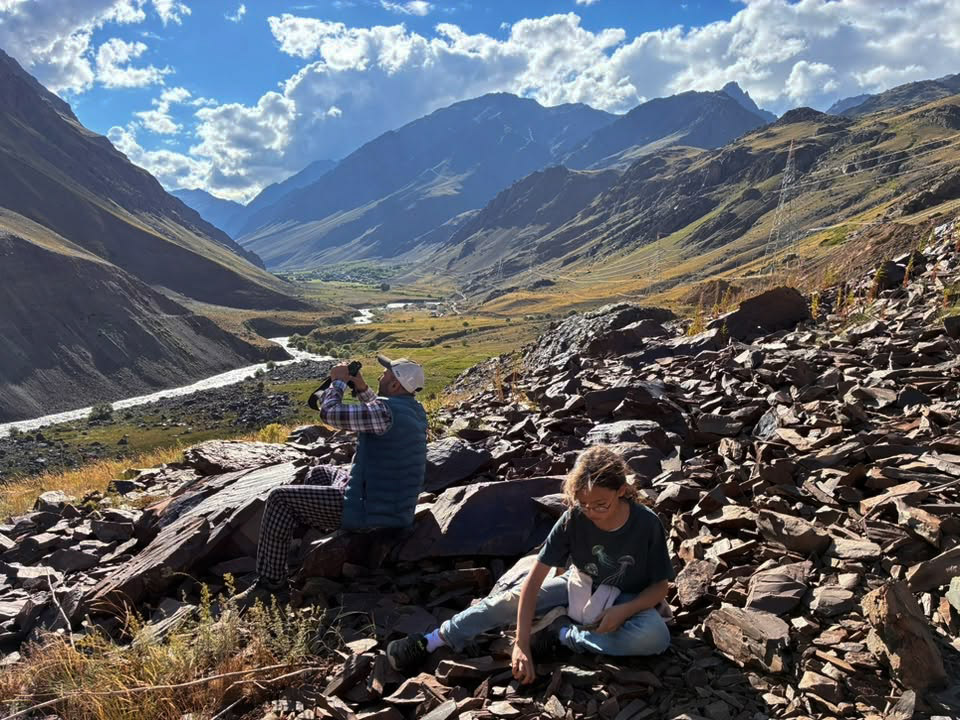
Mushkoh is best known as one of the last strongholds of the Himalayan brown bear. The animals live among the high meadows, rocky slopes, and glacial valleys around Drass. They are powerful creatures, but they are also exceptionally elusive. Searching for them requires patience. Wildlife excursions usually begin around dawn or resume in the late afternoon, when bears are more likely to emerge and forage. Local trackers scan the distant mountain slopes for movement while visitors wait with binoculars and cameras. A dark shape seen from afar may turn out to be a rock, a shadow, or, if one is fortunate, a bear moving through the grass. This is not a conventional safari in which animals gather around predictable waterholes. The bears roam across a vast and difficult landscape, and sightings can never be guaranteed. That uncertainty is part of the experience. Even without a sighting, simply walking through this wild habitat—watching the changing light, listening to the river and searching the slopes—is deeply rewarding. Mushkoh is also home to ibex, marmots, foxes and numerous alpine birds. Golden eagles, bearded vultures and Himalayan griffons may be seen circling above the valley. During summer, wildflowers soften the otherwise rugged landscape and turn parts of the meadows into sheets of colour.
Border View Homestay at Mushkoh Valley
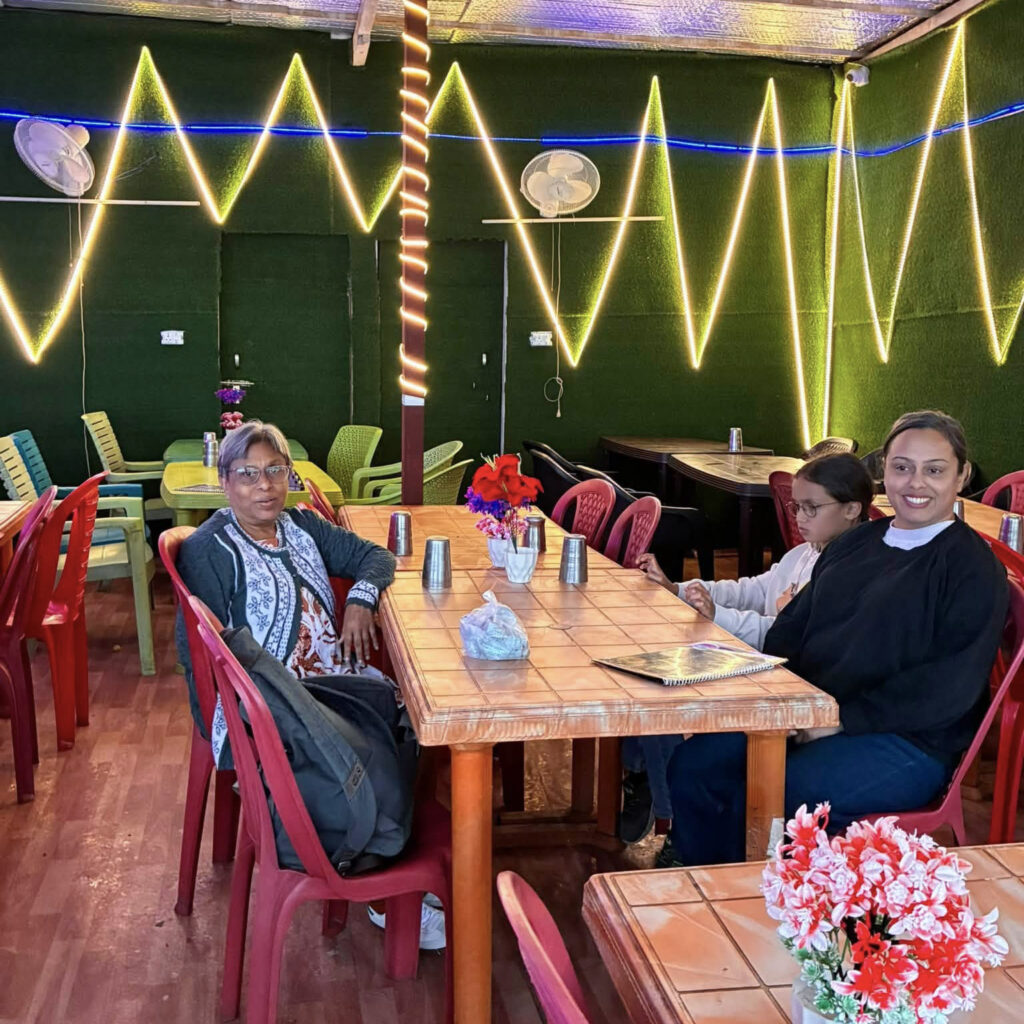
We stayed at the wonderful Border View Homestay, run by local wildlife guide Ghulam Hasan and his family. Our rooms were comfortable and clean, and the family’s hospitality made us feel completely at home. Life at the homestay revolved around the valley. We woke early, watched the mountains, ate simple home-cooked food, and listened to local stories. There was none of the rushed sightseeing that often dominates a journey through Ladakh. The days were shaped by weather, wildlife, and light. We had originally planned a shorter stay but enjoyed Mushkoh so much that we extended it. That rarely happens on a carefully arranged road trip, but the valley made us want to slow down. Its appeal lay not only in the possibility of seeing a brown bear, but also in its stillness, remoteness and unhurried village life.
Tourism and brown-bear conservation
The relationship between people and bears is complicated. Bears occasionally enter settlements in search of food, damage property or attack livestock. These encounters can create fear and lead to conflict with local communities. Responsible wildlife tourism can help change this relationship. When residents earn an income through guiding, homestays and conservation-based tourism, protecting the bears gains direct value for the community. Visitors should therefore use local guides, stay in locally owned accommodation and follow strict wildlife-viewing practices.
Bears must never be approached, followed too closely or fed. Dens and feeding grounds should not be disturbed. A telephoto lens and binoculars allow visitors to observe the animals safely without placing pressure on them. Mushkoh is not a destination for travellers searching for luxury, nightlife or a packed list of attractions. It is for those who appreciate silence, wildlife, remote landscapes and the privilege of spending time in a place that still feels largely untouched by mass tourism.
For us, it was one of the most memorable sections of our 21-day offbeat Ladakh itinerary. Long after leaving, I continued to remember the immense mountains, the flowering meadows and the excitement of scanning distant slopes for one of the Himalayas’ rarest inhabitants.
Mushkoh Valley Travel Guide
Where is Mushkoh Valley?
Mushkoh Valley lies near Drass in the Kargil district of Ladakh. It is approximately 10 kilometres from Drass and around 70 kilometres from Kargil, although the precise distance and travel time depend on where you stay.
The valley lies close to the Line of Control and several sensitive military areas. Access conditions and permit requirements can change, so confirm the latest regulations with a local operator before travelling.
Why visit Mushkoh Valley?
Mushkoh is particularly rewarding for travellers interested in:
- Himalayan brown-bear tracking
- Wildlife and bird photography
- Alpine landscapes and seasonal wildflowers
- Remote village life
- The history of the Kargil region
- Walking and nature-based experiences
- Community-run homestays
- Less-visited parts of Ladakh
How to reach Mushkoh Valley
From Srinagar
The most scenic route is:
Srinagar–Sonmarg–Zoji La–Minamarg–Drass–Mushkoh Valley
It is best to divide this journey by staying overnight in Sonmarg. We had intended to stay longer, but persistent rain restricted our excursions and prompted us to leave a day earlier. From Sonmarg, the drive to accommodation in or near Mushkoh generally takes around four to six hours, but delays are common around Zoji La.
From Kargil
Mushkoh can be reached via Drass. The journey from Kargil usually takes approximately two to three hours, depending on road conditions, stops, and the location of the accommodation.
From Leh
Travellers coming from Leh must follow the Leh–Kargil–Drass route. This is a long journey and should ideally be divided with an overnight stay in Kargil.
A private vehicle with an experienced local driver is the most convenient option. Public transport is limited and not suitable for travellers planning early-morning wildlife excursions.
Best time to visit
The main travel season runs from late spring until early autumn.
April and May
Bears emerge after hibernation and may descend to lower elevations and the outskirts of settlements to forage. Conditions can still be very cold, while deep snow and thawing roads may affect access.
June and July
These are the best months for green meadows and wildflowers. Daytime temperatures are generally more comfortable, although mornings and evenings remain cold.
August and September
The weather is often more stable, and the valley remains accessible. The landscape gradually changes from summer green to autumnal gold.
Early October
Bear tracking may still be possible, and bears may roam widely as they forage before winter. However, temperatures fall quickly, and early snowfall can disrupt or completely cut off access. Wildlife sightings are never guaranteed, regardless of the season.
How long should you stay?
Stay for at least two nights. However, three or four nights are better for serious wildlife enthusiasts because bear sightings depend on weather, light, and animal movement. A longer stay also gives you time to explore Drass, visit the war memorial, walk through the valley, and experience local village life without rushing.
Brown-bear tracking
Always arrange bear tracking with an experienced local wildlife guide. Local trackers understand the animals’ movements, know the safest observation points and can identify signs that would be invisible to an untrained visitor.
Excursions normally take place:
- Around sunrise
- In the late afternoon
- From established observation points
- On foot or by vehicle, depending on the terrain
- With binoculars or spotting scopes
Do not wander into bear habitat alone. Never approach a bear, block its path, or move closer for a photograph.
Where to stay
Accommodation in Mushkoh consists mainly of small homestays and wildlife lodges rather than conventional hotels. We stayed at Border View Homestay, which is owned by wildlife guide Ghulam Hasan and his family. It offers clean, comfortable rooms, home-cooked meals, and access to local guiding services. Mr Hasan can be contacted at +91 99064 45517. Facilities in the valley are simple. Visitors should not expect luxury, extensive menus or uninterrupted internet connectivity. The opportunity to stay with a local family is an important part of the experience.
What to see and do
Track Himalayan brown bears
Join a local guide at dawn or in the late afternoon and scan the slopes, meadows and rocky gullies for bears.
Walk through the valley
Gentle walks reveal wildflowers, glacial streams, cultivated fields and views of the surrounding mountains. Ask your host which paths are currently safe and accessible.
Go birdwatching
Look for golden eagles, Himalayan griffons, bearded vultures and smaller alpine birds. A pair of binoculars is invaluable.
Visit the Drass War Memorial
Located near Drass, the memorial documents the 1999 Kargil War and commemorates the Indian soldiers who died during the conflict.
Explore Drass
Visit the small town, local market, and surrounding villages. Drass provides a glimpse into everyday life in one of India’s coldest inhabited regions.
Photograph the wildflowers
In June and July, parts of the valley are covered in seasonal flowers. Use existing paths and avoid trampling the meadows.
What to pack
Even in summer, temperatures can vary considerably between day and night. Pack:
- Warm layered clothing
- A windproof and waterproof jacket
- Comfortable walking shoes
- Sun hat and gloves
- High-SPF sunscreen
- Sunglasses
- Refillable water bottle
- Personal medicines
- Basic first-aid supplies
- Binoculars
- Camera with a telephoto lens
- Spare batteries and memory cards
- Power bank
- Torch or headlamp
- Cash
- Copies of identification and permits
Avoid relying entirely on mobile payments because connectivity can be unreliable.
Altitude and health
Drass lies at approximately 3,000 metres above sea level. Travellers arriving from Srinagar gain altitude gradually, but mild altitude-related symptoms are still possible. Drink sufficient water, avoid excessive alcohol, eat light meals, and do not attempt strenuous walks immediately after arrival. Seek medical assistance if symptoms become severe or continue to worsen.
Responsible travel tips
- Use a trained local wildlife guide.
- Observe bears only from a safe distance.
- Never feed wildlife.
- Do not leave food or rubbish outside.
- Carry all non-biodegradable waste away with you.
- Avoid loud voices and music during wildlife excursions.
- Do not use drones without checking current regulations.
- Never photograph military areas or personnel.
- Ask permission before photographing residents.
- Support locally owned homestays and guides.
- Remain on established paths where possible.
- Do not collect wildflowers or disturb natural habitats.
Suggested Mushkoh Valley itinerary
Day 1: Sonmarg to Mushkoh Valley
Cross Zoji La and drive through Minamarg and Drass. Check into your homestay and take an introductory walk in the late afternoon. Meet your wildlife guide and discuss the following morning’s excursion.
Day 2: Brown-bear tracking and valley exploration
Begin with an early-morning wildlife excursion. Return for breakfast and rest during the middle of the day. Explore the village or walk beside the Mushkoh River in the afternoon. Go out again for an evening tracking session.
Day 3: Drass and the Kargil War Memorial
Track wildlife at dawn before visiting Drass and the war memorial. Return to Mushkoh for a relaxed evening or another guided bear-watching session.
Day 4: A final wildlife excursion
Make one final early-morning excursion before continuing towards Kargil, Batalik, Garkon or Leh.
Our journey through Mushkoh Valley formed part of a longer route covering Delhi, Srinagar, Sonmarg, Mushkoh, Garkon, Leh and Nubra Valley. This trip was planned and organised by my friend Shuib Kaw of Versatile Adventure Holidays. He is available at +917678357621 or [email protected]. It should be noted here that I paid for this trip myself, and if I am promoting Versatile Adventure Holidays, it is because they do a great job.
Follow the Ladakh series
- AN OFFBEAT LADAKH TRIP
- KASHMIR TO KARGIL ON SRINAGAR LEH ROAD
- KARGIL TO LEH
- LEH (ED) IN LADAKH
- MOUNTAINS AND MONASTERIES
- THE LADAKH FESTIVAL
- THE BEAUTIFUL BLUE PANGONG LAKE
- THE WHITE DESERT AT NUBRA VALLEY
- 2012 LADAKH ITINERARY AND TRIP COSTS
RESPONSIBLE TRAVELING-BECAUSE I CARE


