Srinagar Mosques and Old City
I have been to Srinagar many times, and I simply love that place. The gardens, the lakes, the mosques, the crumbling old city, and the impressive backdrop of the Zabarwan Range enchant me. Interestingly, despite my multiple visits to Kashmir´s capital city, I never managed to explore its mosques or the old town fully. That is why, on my last visit in August 2026, my local friend and guide, Shuib, took us around Srinagar. It was a rainy day, and this curtailed our trip quite a lot. Even then, we explored a local market, purchased local spices, visited two of the most beautiful mosques, and walked around the old town.
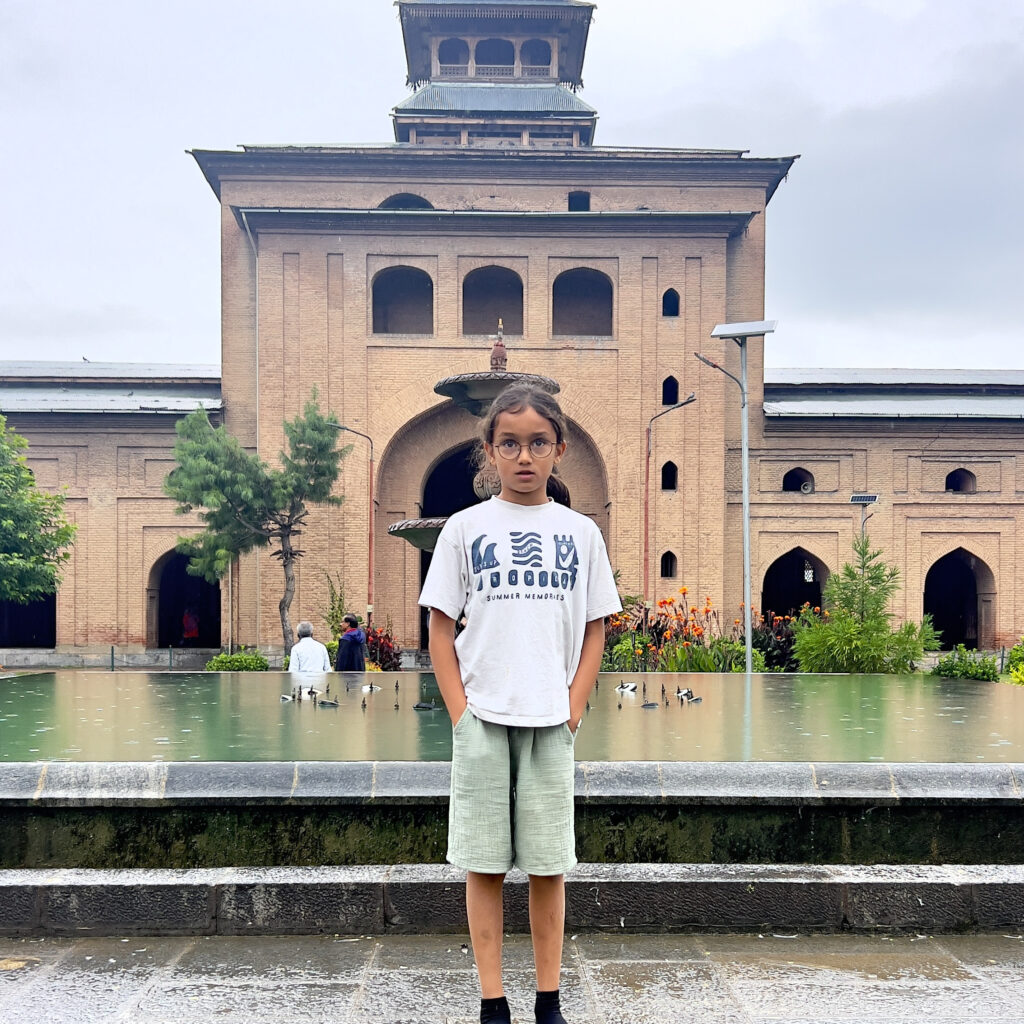
Jamia Masjid, Srinagar
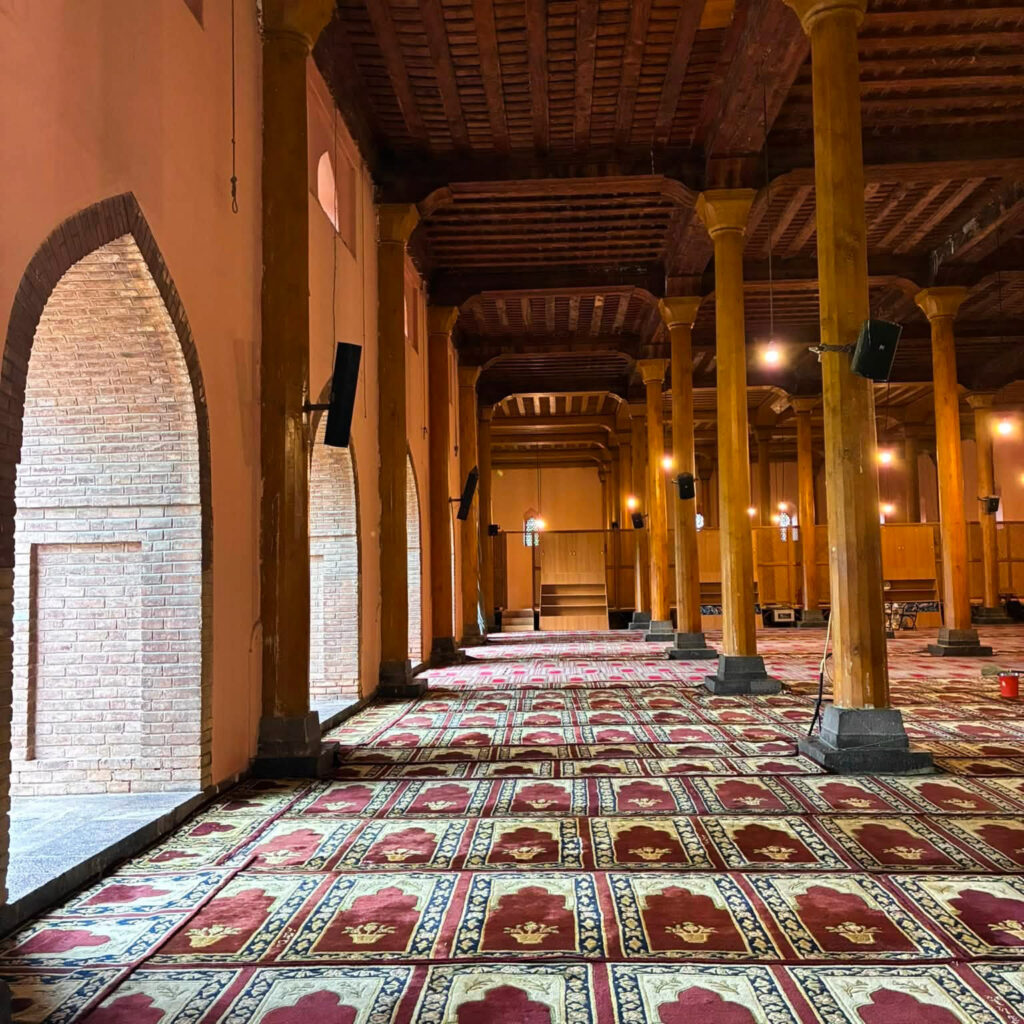
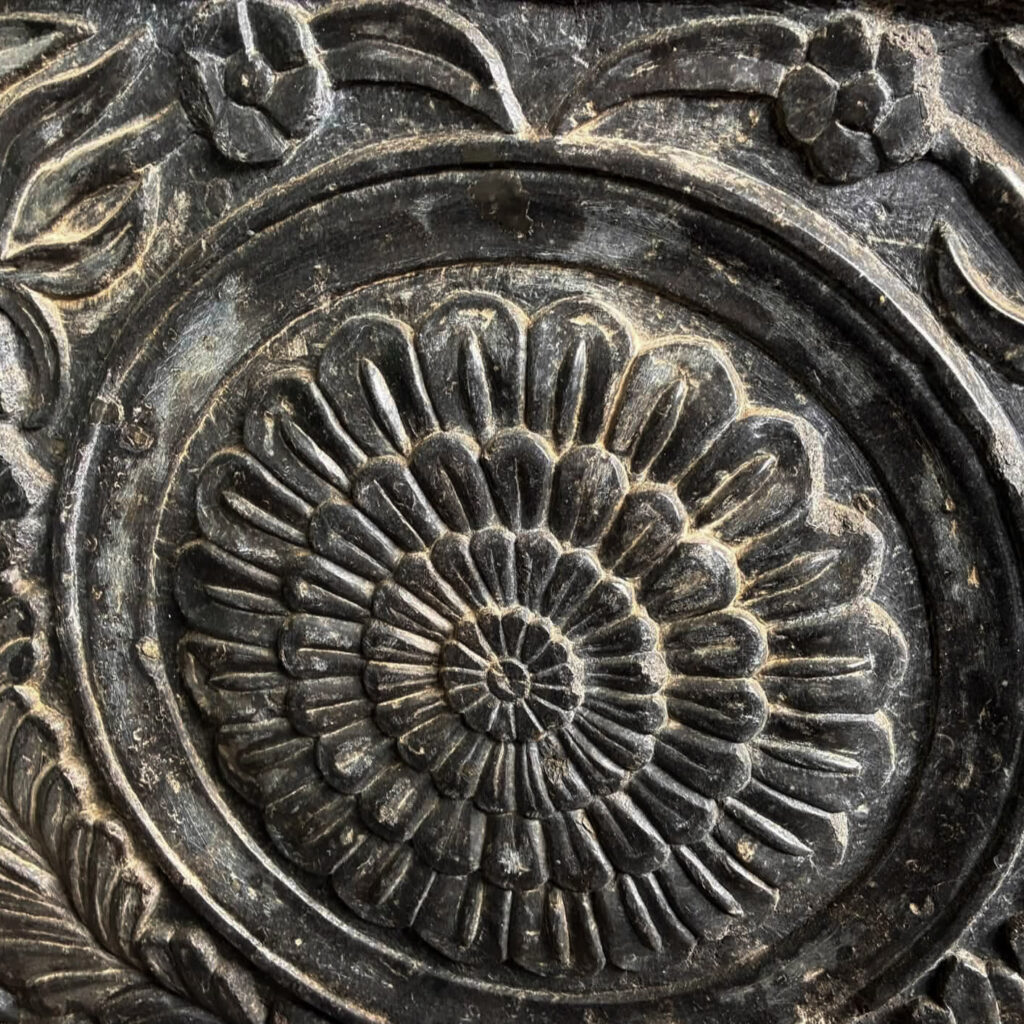
Our first stop was at the crown jewel of mosques in Srinagar. A Friday mosque located in the Nowhatta area of the old town, it was commissioned by Sultan Sikandar in 1394 CE and finished in 1402 CE. Designed in the Indo-Saracen style, the mosque is famous for its 370 carved deodar pillars that support the ceiling. Its unconventional roof is pyramidal instead of the more traditional dome, and it was designed to help heavy snow slide off easily. The main prayer hall can accommodate up to 33,333 worshippers at one time, and despite being located in the middle of a bustling old city, the prayer halls and the courtyards are oases of peace.
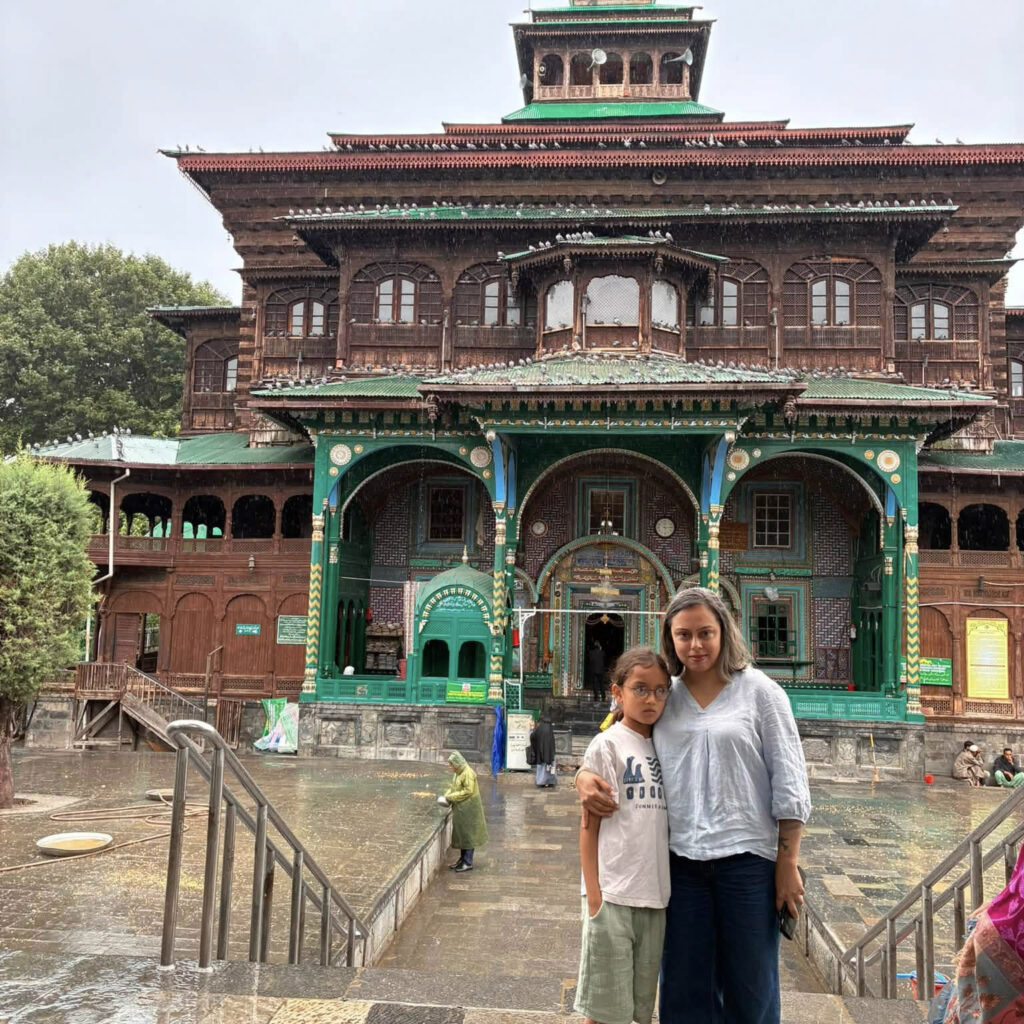
The magnificent Shah-e-Hamadan Masjid
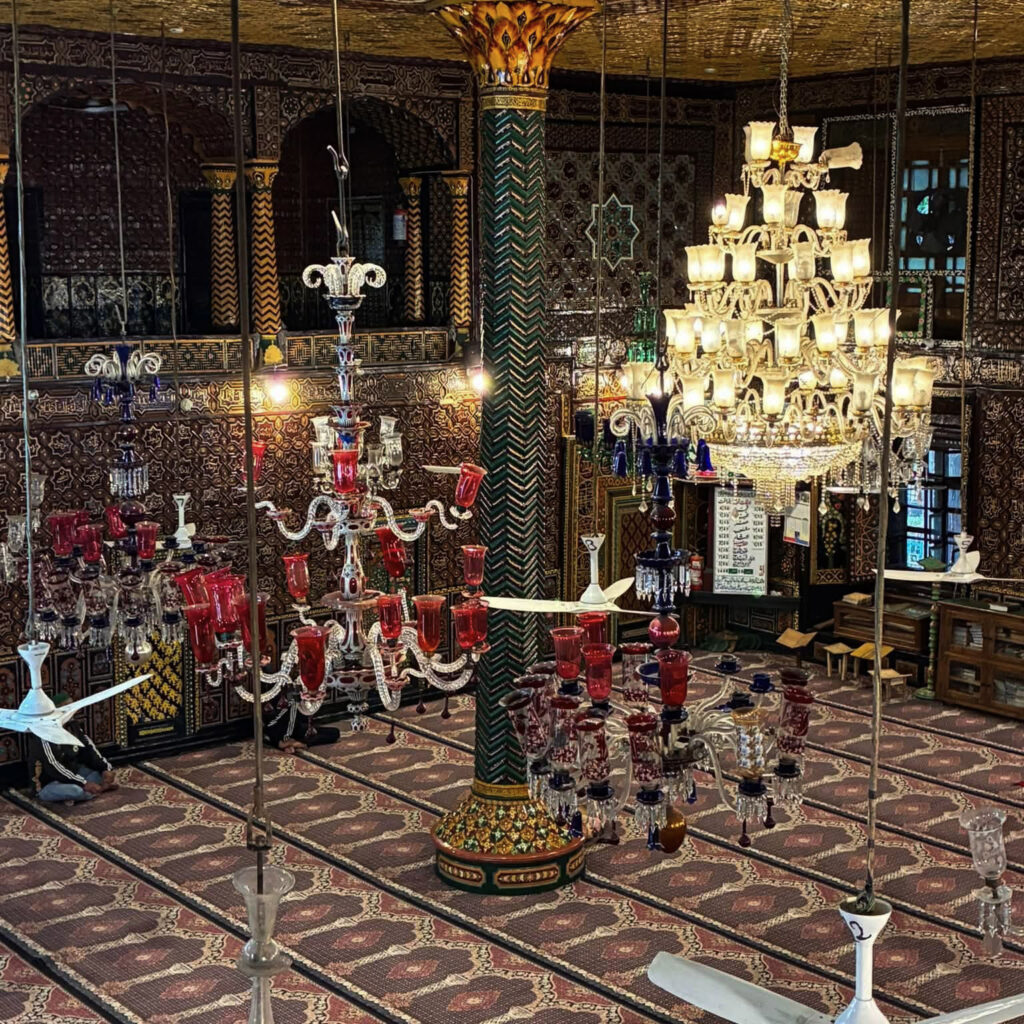
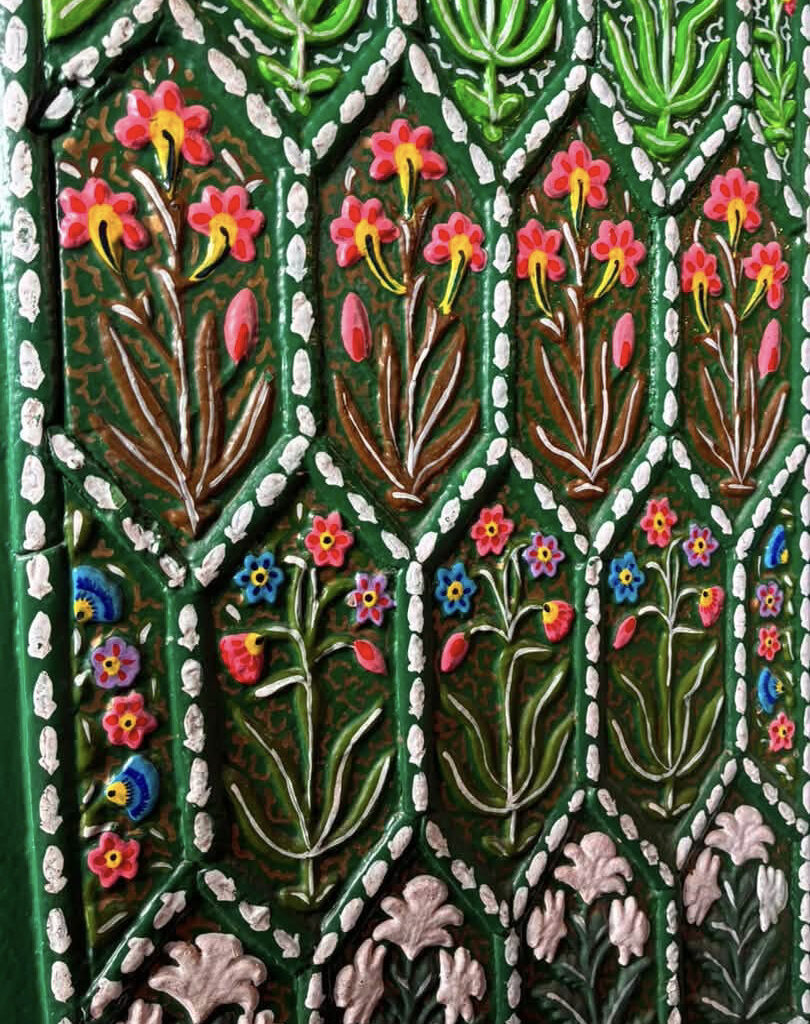
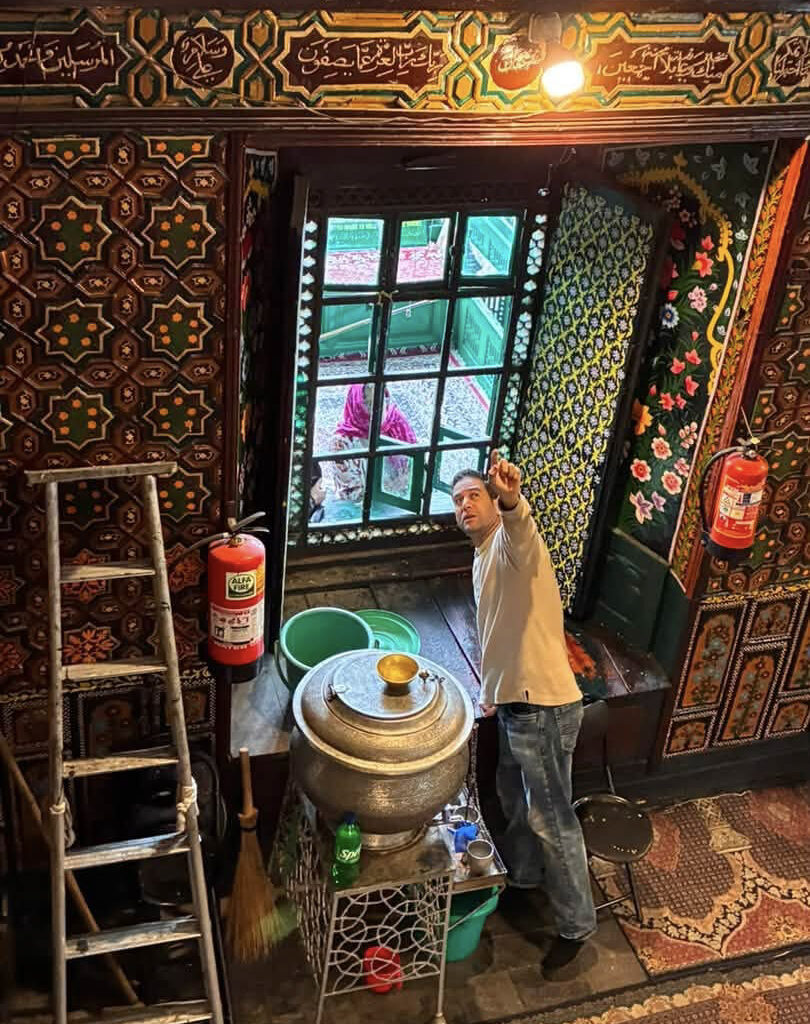
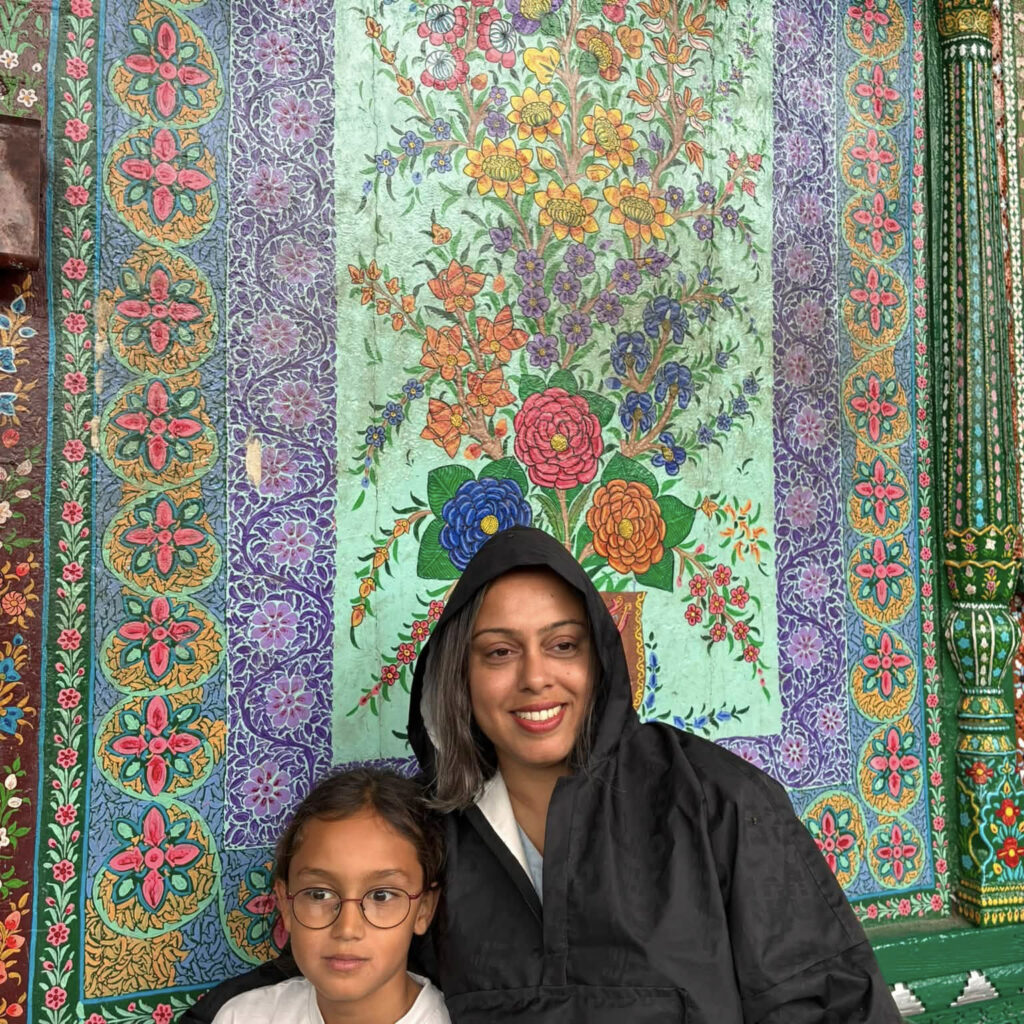
Also known as the Khanqah-e-Moula, it is one of the oldest and most revered mosques in Srinagar. Originally built in 1395 AD to commemorate the visit of Mir Syed Ali Hamdani (Shah-e-Hamadan), the Persian Sufi saint who played a pivotal role in spreading Islam in Kashmir, this mosque is located on the banks of the Jhelum River in the Old City. It is a masterpiece of Kashmiri wooden architecture and craftsmanship and showcases exquisite Kashmiri wood carving along with intricate papier-mâché work on its ceiling and walls. The monument also features beautiful calligraphy, floral motifs, and traditional geometric patterns, representing beautiful examples of the Persian influence in Islamic art in Kashmir. It was commissioned in 1395 CE by Sultan Sikandar Butshikan in memory of the Persian Sufi saint Mir Sayyid Ali Hamadani. A devastating fire in 1732 damaged it, but it was rebuilt in its traditional style. The mosque supposedly houses a strand of hair of Prophet Muhammad (PBUH), thus making it one of the holiest Islamic sites in the region.
Exploring the old town of Srinagar
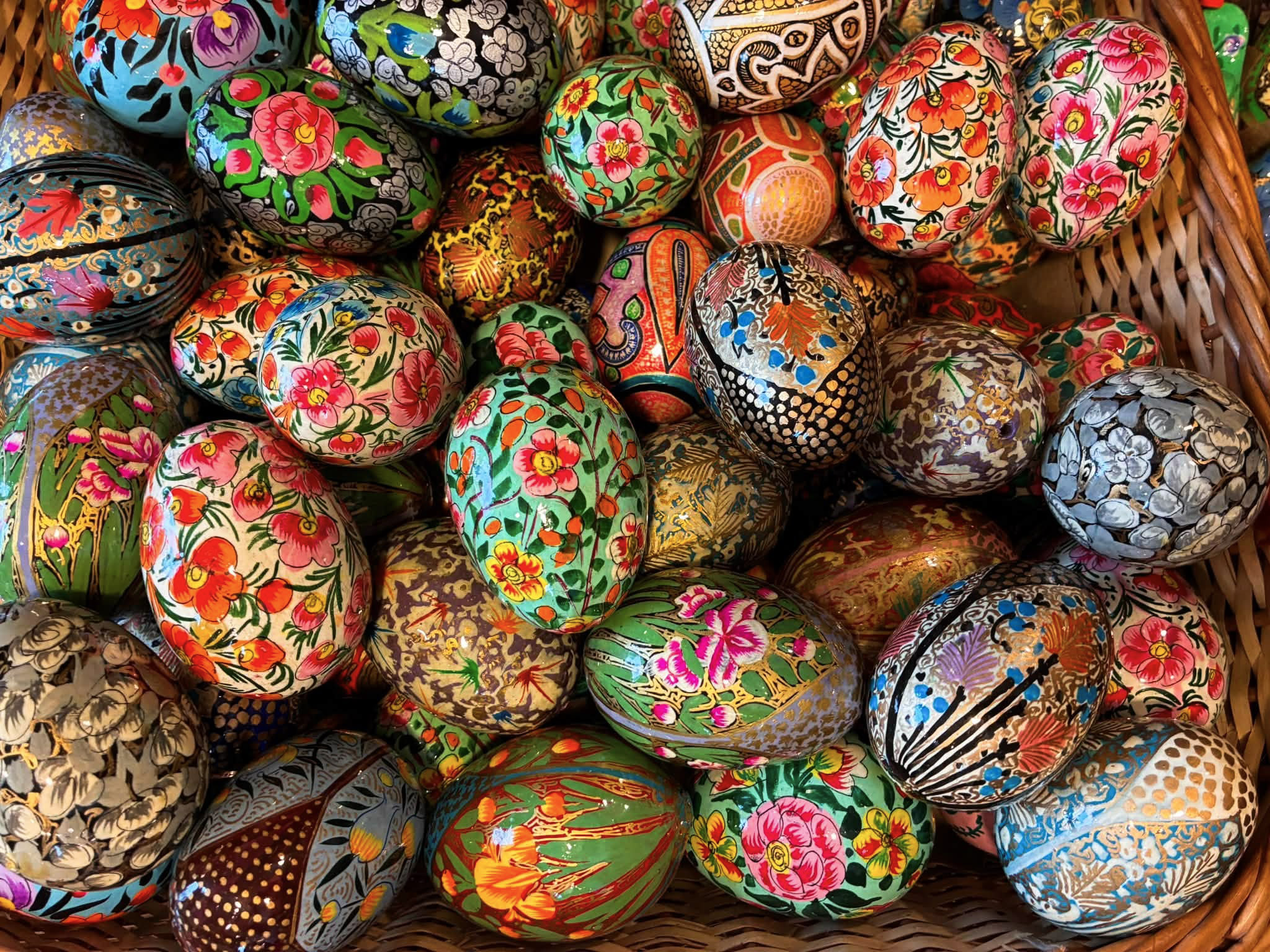
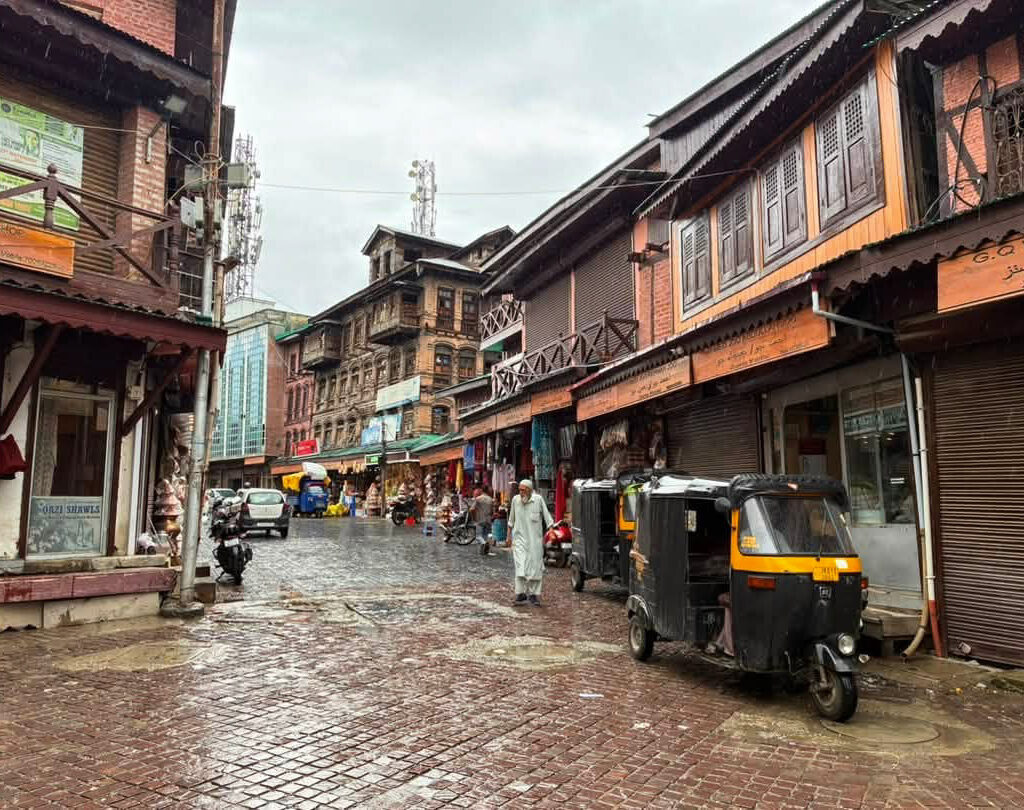
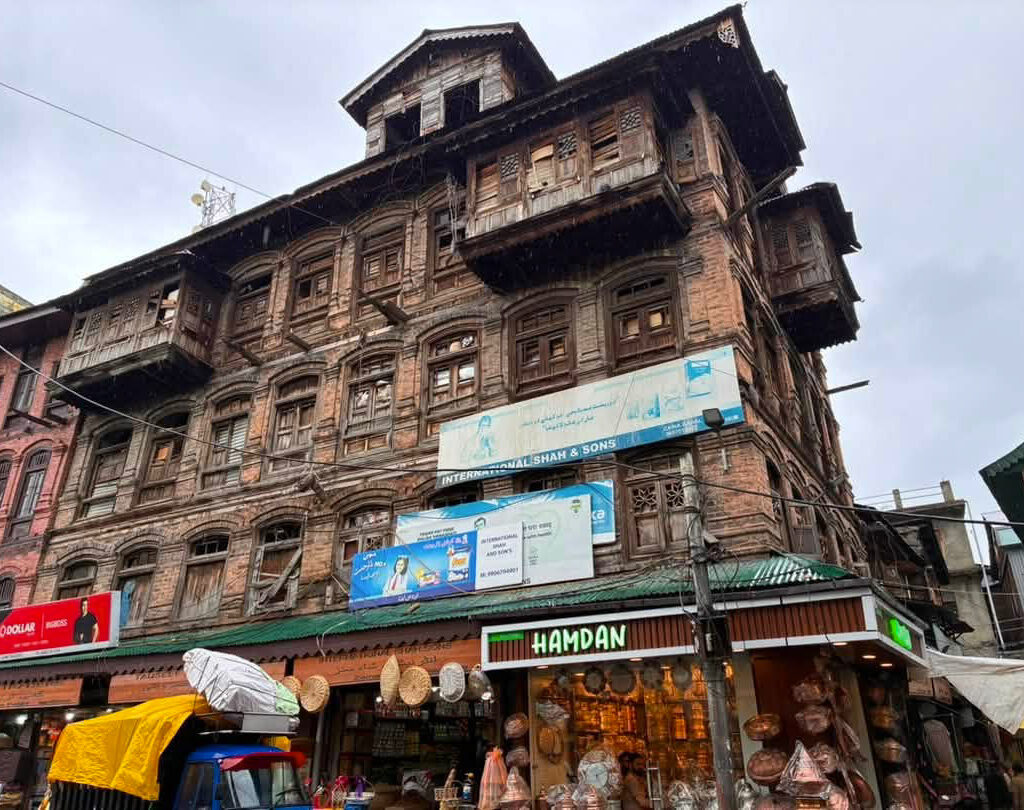
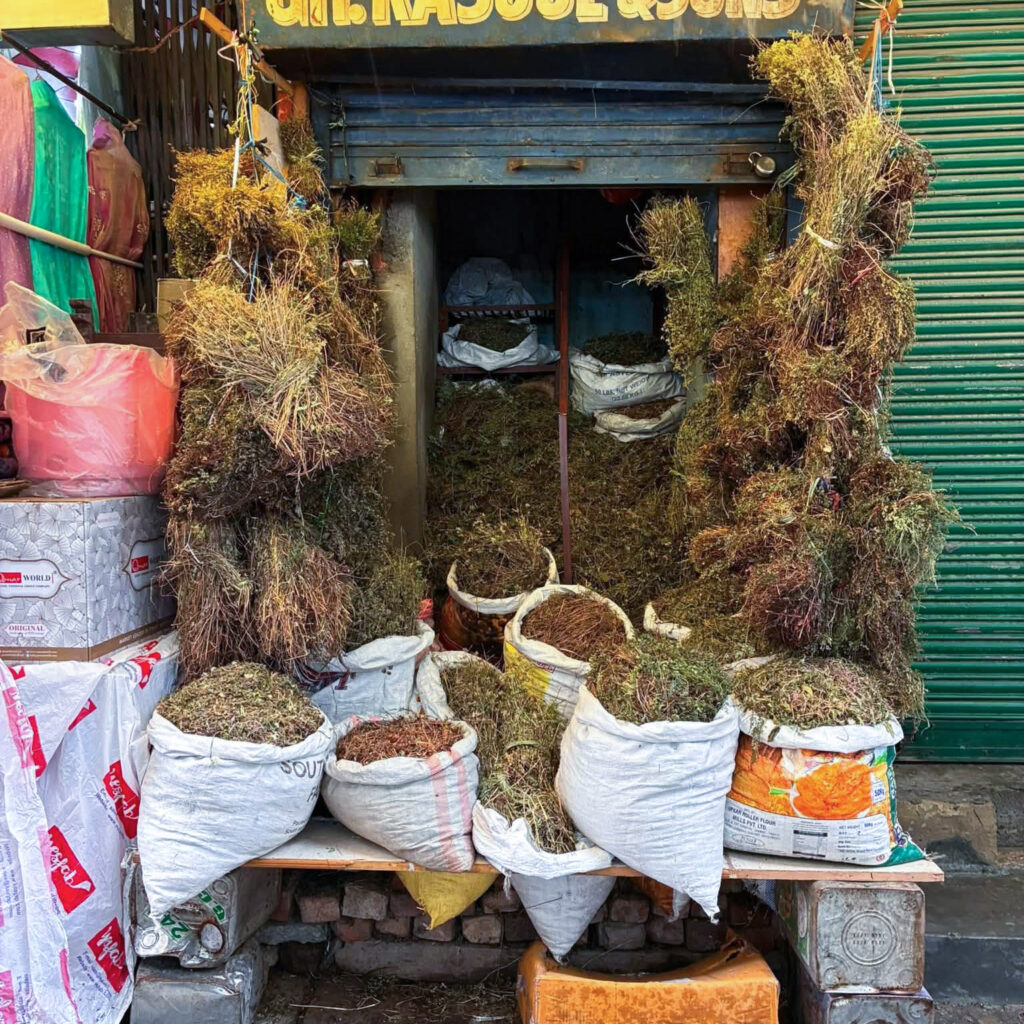
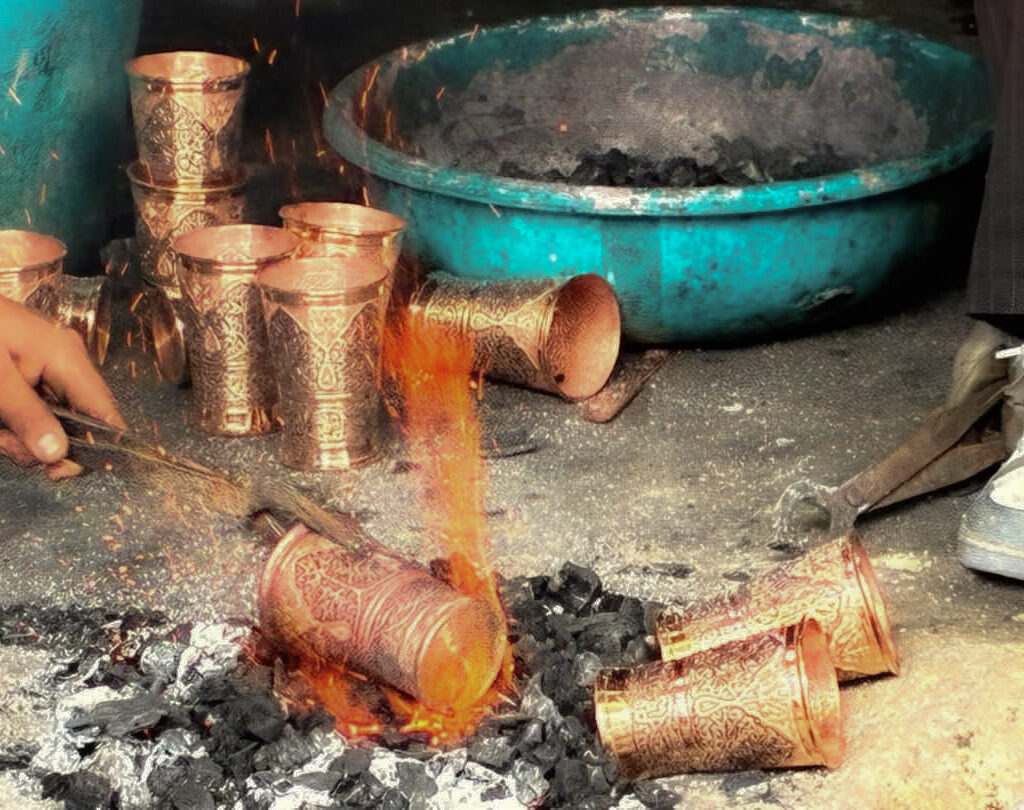
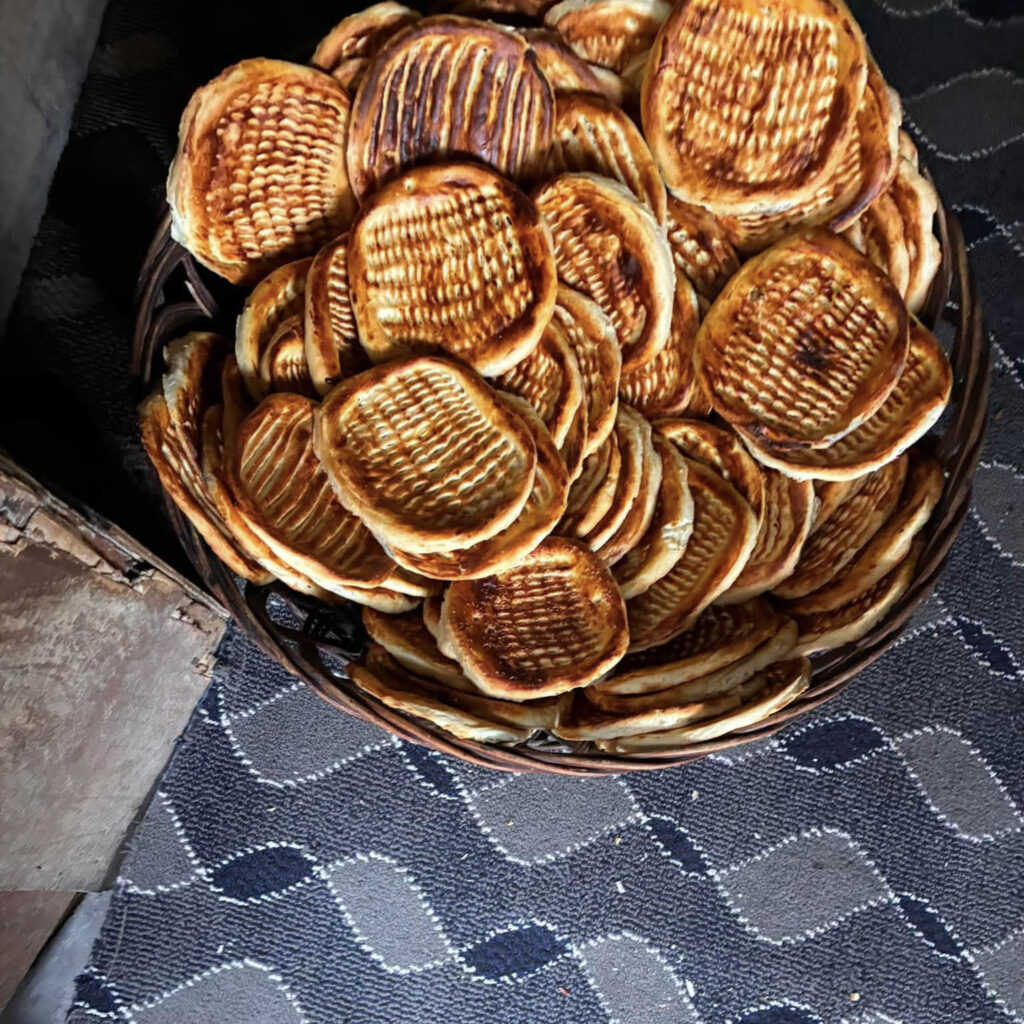
Stepping out of these serene mosques, we found ourselves amid the rain-soaked bustle of Srinagar’s old town. Its narrow cobbled lanes were lined with tiny shops and workshops representing trades that have supported local life for generations. Some shops displayed traditional Kashmiri pherans, from simple woollen garments worn for warmth to more elaborate pieces decorated with delicate embroidery. In the copper workshops, craftsmen hammered sheets of metal into intricately patterned trays, bowls, jugs and traditional samovars, the rhythmic beating of their tools carrying through the lanes. Open-fronted butcher shops stood beside grocers selling rice, pulses, dried vegetables, spices, herbs and roots bundled into enormous fragrant stacks. Local bakeries offered freshly baked girda and other Kashmiri breads, while small, unpretentious eateries served warming bowls of meat curry, kebabs, rice and cups of steaming noon chai or kahwa. Elsewhere, shops overflowed with wicker baskets, embroidered fabrics, carpets, wooden carvings and colourful papier-mâché objects. Above them rose Srinagar’s distinctive brick-and-timber houses, with their weathered façades, projecting wooden balconies and delicate lattice windows. Auto-rickshaws rattled across the wet stones as traders sheltered beneath awnings and residents hurried through the rain. This was not the polished Srinagar of Mughal gardens and leisurely shikara rides, but a living old city shaped by faith, food, craftsmanship, and trades passed down through generations.
The lakes of Srinagar
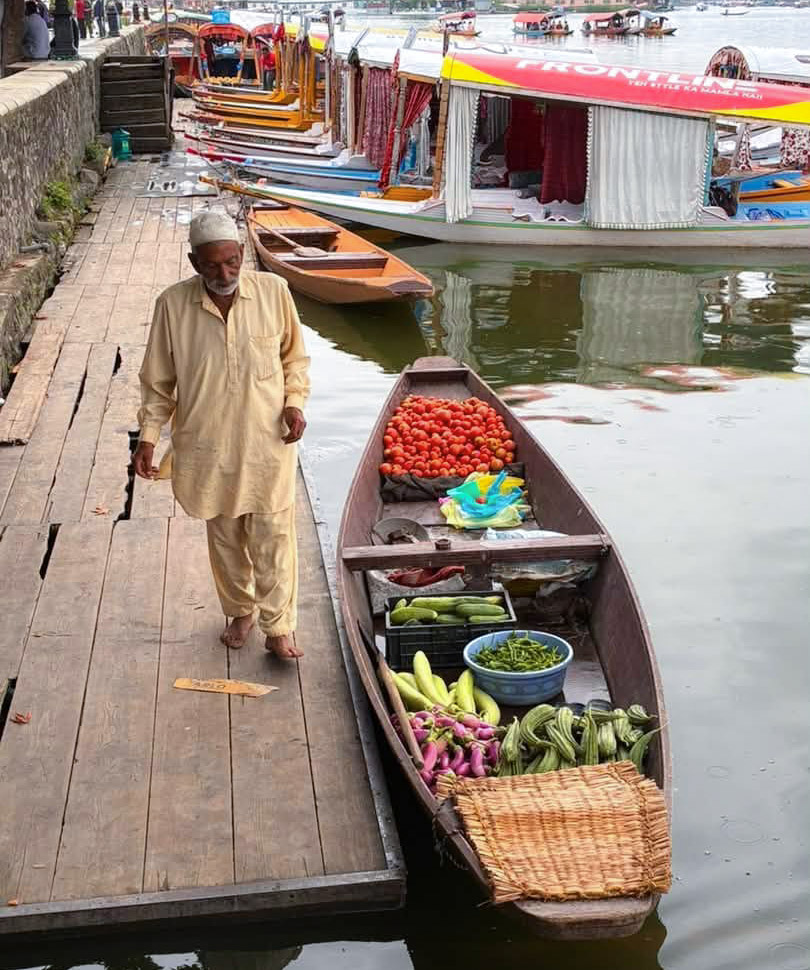
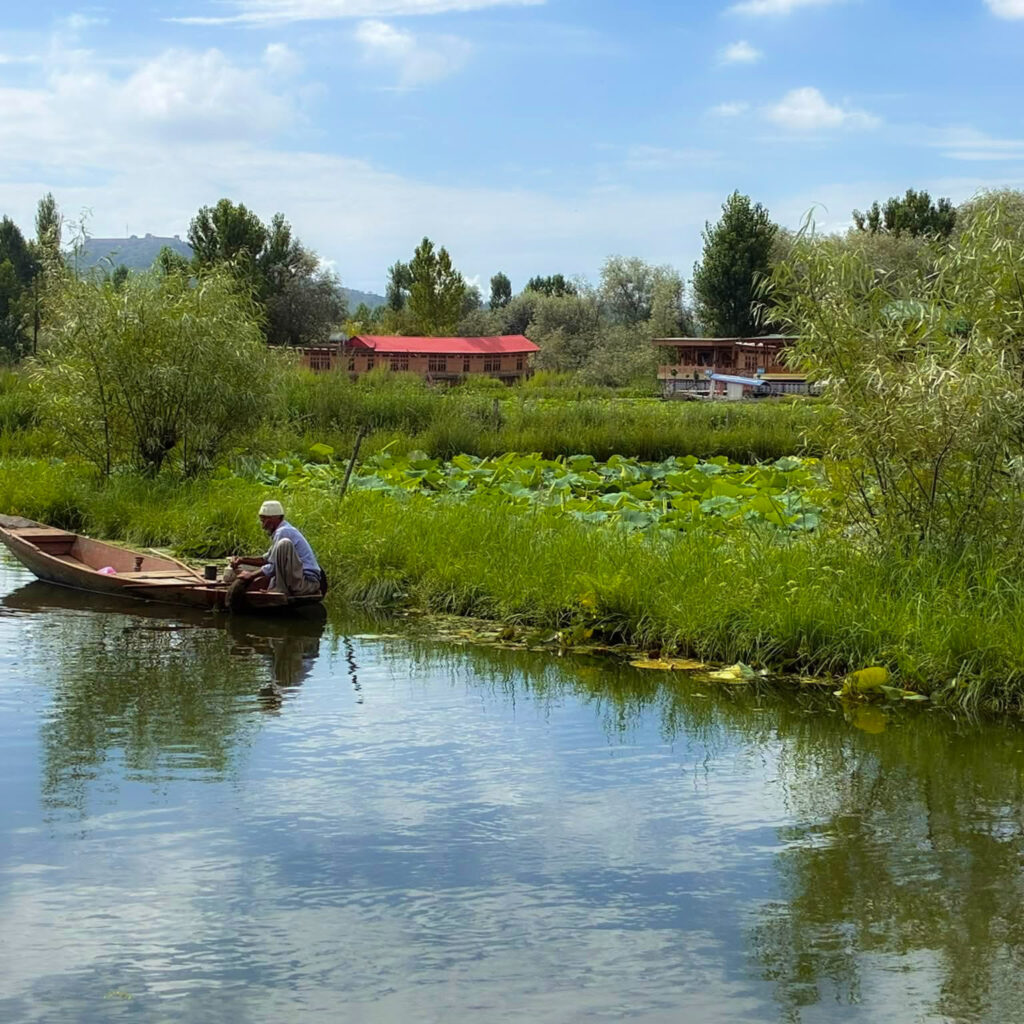
Nothing in Srinagar is more enchanting than a stay at one of its iconic houseboats on Dal Lake or the Nigeen Lake. Although I am a fan of the quieter Nigeen Lake, this year we stayed on Dal Lake, and it was the perfect place to spend two days before starting our long journey towards Leh. The lakes of Srinagar need no introduction. They are stunning, glassy, watery mirrors that reflect the sky and the mountains on clear days. The locals use boats and canoes for local transportation, and everything, including gardens and markets, is held on the lakes. It is an interesting ecosystem on its own, and it is difficult not to fall in love with the lotus gardens, floating shops, boatmen selling things, and winding narrow canals. Our tranquil stay on Dal Lake marked the beginning of an itinerary created for travellers seeking rare wildlife, indigenous cultures, remote Himalayan villages, and extraordinary mountain landscapes. The entire trip was planned and organised by my friend Shuib Kaw of Versatile Adventure Holidays. He can be contacted at +91 76783 57621 or [email protected]. I should add that I paid for the trip myself; I recommend Versatile Adventure Holidays simply because Shuib and his team do an excellent job.

Follow the Kashmir series
- 21 PHOTOS THAT MAY TEMPT YOU TO VISIT KASHMIR
- DAKSUM, THE HIDDEN JEWEL OF KASHMIR
- WET APPLE FLOWERS AND KOKERNAG SPRING
- YOUSMARG: THE MEADOWS ON WHICH JESUS WALKED
- A SAFFRON AUTUMN IN PAMPORE
- MY MEMORIES OF WINTER IN KASHMIR
- GUIDE TO A WHITE GULMARG WINTER WEEKEND
- BEAUTY OF GUREZ IN AUTUMN
- SRINAGAR TULIP FESTIVAL
- LIFE ON SRINAGAR LAKES INSTAGRAMMED
- BLOOMING ALMOND TREES AT BADAMWARI
- WALIMA, A KASHMIRI WAZWAN WEDDING FEAST
- THE MOUTH WATERING KASHMIRI CUISINE
- KASHMIR ITINERARY FOR 7 DAYS
- 2012 LADAKH TRAVEL GUIDE AND TIPS
- PANGONG TSO BLUE
RESPONSIBLE TRAVELING-BECAUSE I CARE


