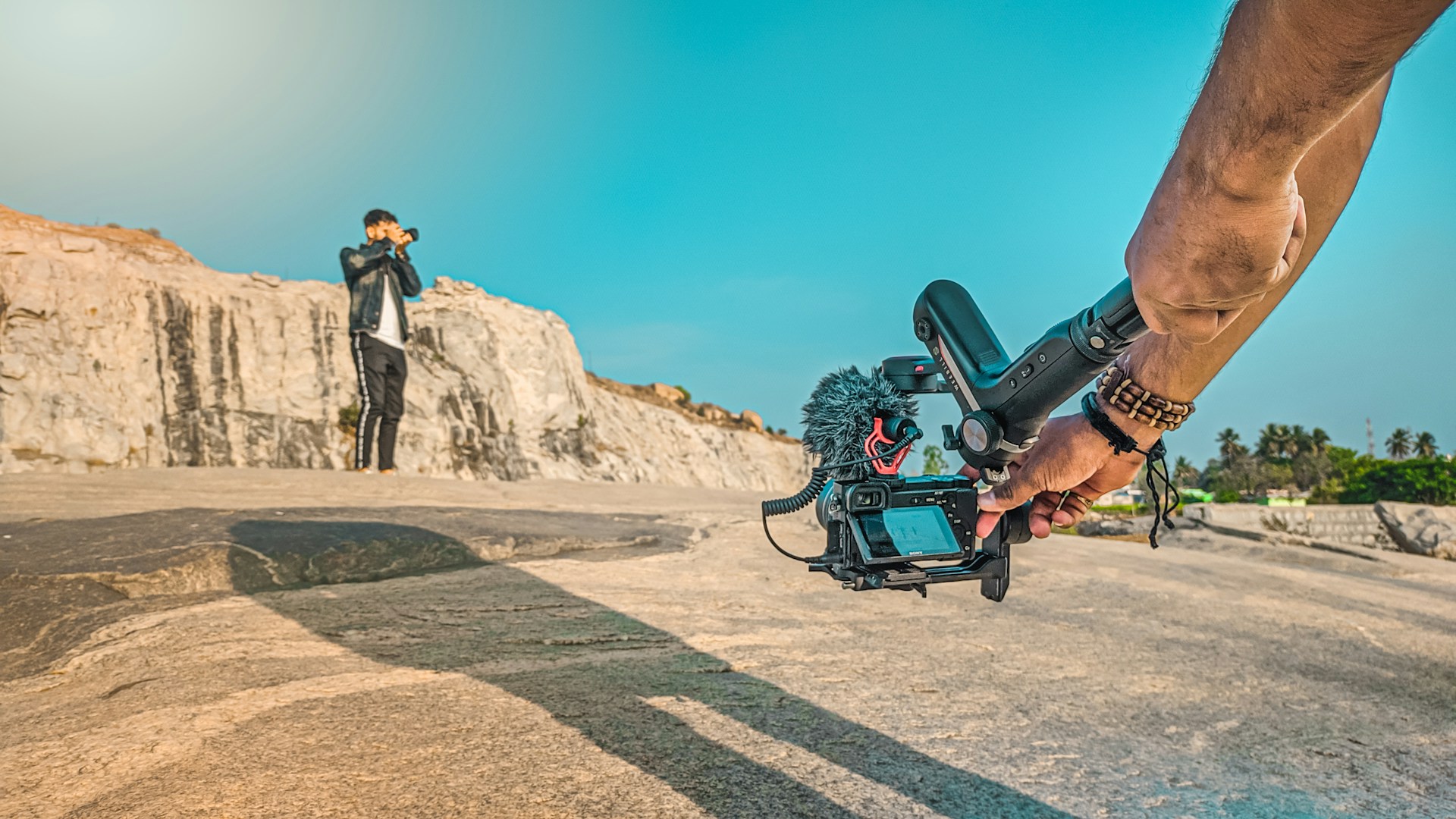
Travel Vlogging Tips: How to Film On the Go Like a Pro
Travel vlogging is exploding in popularity, and it’s not hard to see why. While exploring another city or country, in and of itself, is a wonderful experience, capturing footage of your adventures allows you to enjoy them for even longer. What’s more, shooting a vlog also allows you to share your journey with others, whether they’re your loved ones back home or social media followers from halfway around the world.
If you want to start travel vlogging but don’t know where to start, you’ve come to the right place. In today’s guide to filming on the go, we’ll give you some pro tips that are sure to improve the quality of your footage and thus elevate your travel vlogs.

Edit Your Videos on the Go
With new digital tech offerings like intuitive editing software and even AI tools, it’s safe to say that video editing is simpler than it’s ever been. In fact, it can even be done during your travels, immediately after recording your footage. You can use video editing software like iMovie or Adobe Premiere Pro to combine clips, add background music, and create seamless transitions between different scenes. And you can even make use of Adobe Firefly’s AI art generator to create eye-catching thumbnails that help drive clicks on YouTube.
These tools make it a lot easier to edit your videos quickly, helping you get your vlogs published faster, and just generally helping you spend more time on really being present in your travels rather than having to be holed up in your hotel room with a growing list of vlogger admin. Using a reliable video editor can further streamline this process, allowing you to organize, trim, and polish your footage efficiently while travelling.
Another reason why you should edit on the go is that it’s always best to work with the footage you’ve captured while it’s still fresh in your mind. Still being rooted in the original inspiration for the videos you’ve taken almost always leads to a better finished product. For vloggers who are aiming to publish at least one video a day, getting your video processing and editing workflow as fast and efficient as possible can ultimately make vlogging a more sustainable activity that you can maintain comfortably over the long term.
Prepare a Comprehensive Itinerary
While travelling is full of surprises, it’s still important to approach your trip with an overall plan to improve your chances of grabbing all the footage you need to keep your travel vlogs detailed and engaging. So before setting off, make sure to prepare a trip itinerary detailing where you’ll be staying, how you’ll be getting around, and, most importantly, which destinations you’ll be visiting to shoot your vlog.
You’ll probably already have some tourist hotspots in mind well before you even sit down to start planning out your formal itinerary. For instance, no trip to Paris is complete without seeing the Eiffel Tower, while the Statue of Liberty is an absolute must if you’re heading to New York. However, you should also do plenty of research and, if possible, speak to locals before your trip. Every city has hidden gems that can only be unearthed after plenty of digging around, and your vlogs will be much more unique if they include footage of these lesser-known sites.
Build a Narrative
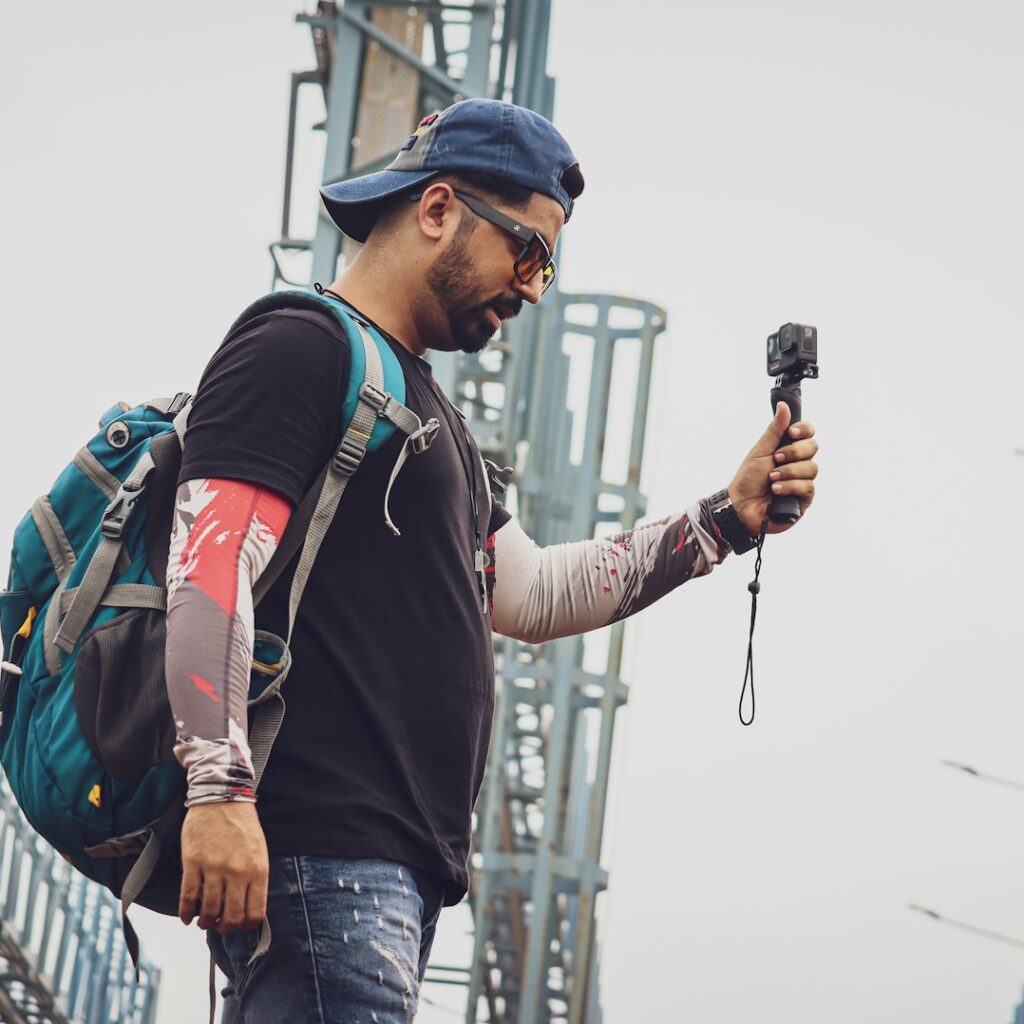
A cohesive narrative is what separates true travel vlogging from simply shooting a few random videos while on vacation. Whether you’re filming in a big city or recording your trek up a mountain, it’s vital to tell a story with every shot.
The first step to narrative building is to choose the right subjects for your videos. If you’re in a big city, for example, you might build an entire video around a famous landmark or street. On the other hand, if you find yourself in a more rural locale, you might want to showcase the area’s biodiversity by focusing on the plants and animals in the area.
Once you master the art of choosing a subject for your films, you can then proceed to learning some more technical narrative techniques. These include using close-ups, establishing shots, symbolism, and POV. You should also experiment with both linear and non-linear videos. Telling a story through your vlogs is a great way to build engagement and ensure that your finished videos leave a lasting impression on your viewers, helping you organically build up your audience online and create a follower base that’s genuinely engaged in not only your individual trips, but your wider personal journey as a world traveller.
Travel Light
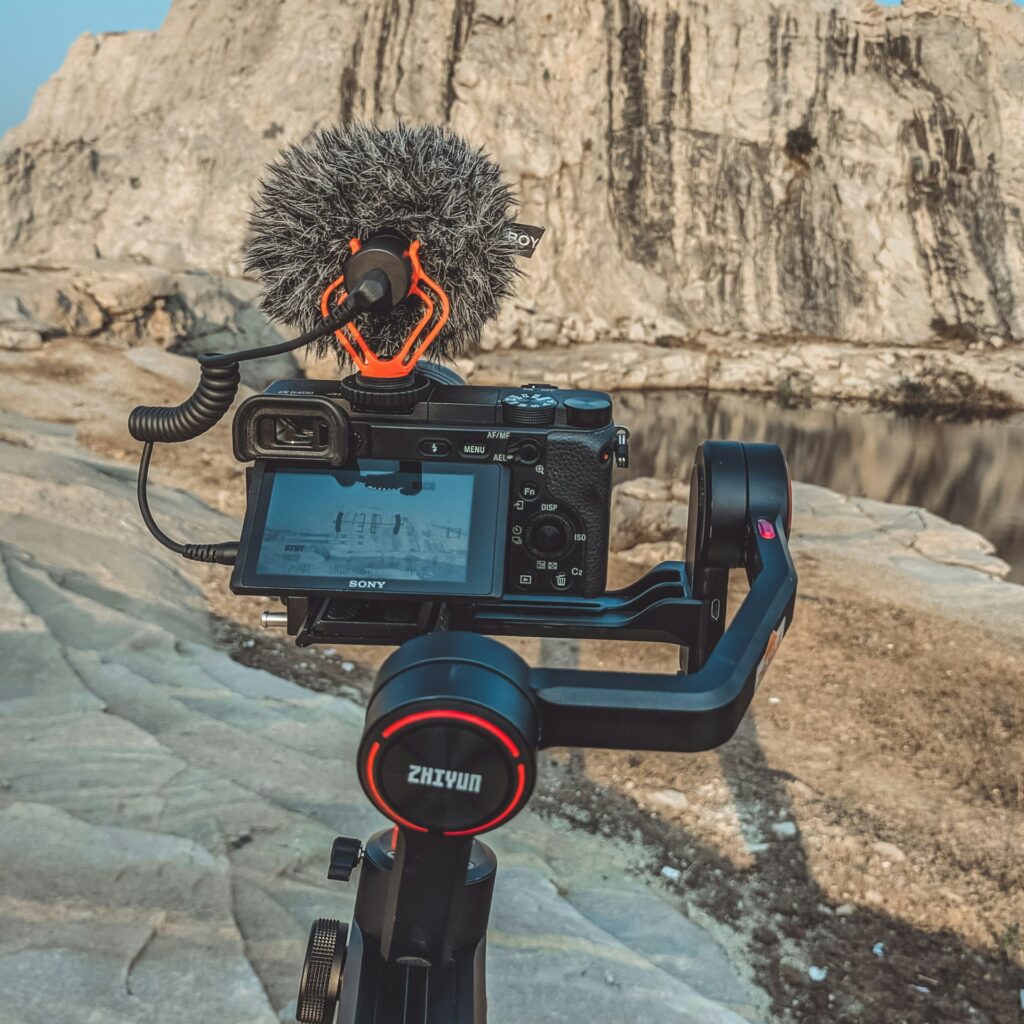
Our last travel vlogging trip is simple but effective: wherever you go, always do your utmost to make sure you travel light. While it might be tempting to stuff your suitcase with half of everything you own, encumbering yourself with too many things makes it harder to move from place to place and can leave you too exhausted to do any vlogging.
To travel light, it’s important to know which items are essential and which ones you can forgo. For the former, you’ll obviously want to bring your camera as well as a device you can use to edit your footage. You also don’t want to forget your travel documents, location-appropriate clothing, and hygiene kit.
As for items you can leave behind, you probably won’t need towels or adapters, as these are things you can find at your place of accommodation. Some other unnecessary items include excessive amounts of cash, too many changes of clothes, and physical books. Make sure to travel as light as possible to give yourself the flexibility to visit and shoot as many places as you want.
Master the Art of Travel Vlogging with these Pro Tips
There is no greater joy in life than travelling. Whether you’re spending a week in a Southeast Asian city or making your way through Europe, travel vlogging is the best way to make sure you enjoy the moment and record your memories both for yourself and other people.
In this guide to travel vlogging, we’ve gone over some expert tips on how you can improve the quality of your travel footage. Apply what you’ve learned today, and start travel vlogging like a pro.
Follow the rest of the Top Experiences series
- TOP TWENTY THINGS TO DO IN EGYPT
- WHY YOU SHOULD VISIT MALTA
- TOP FUN THINGS TO DO IN HAMPI
- 10 HISTORICAL PLACES TO ROAM ACROSS THE WORLD
- 10 HISTORICAL MARVELS OF ITALY
- 10 BEST SHOWS IN EUROPE YOU MUST SEE
- DUBAI THRILLS: 7 MUST-DO ACTIVITIES
- 10 HISTORICAL MARVELS IN TURKEY TO ENJOY WITH KIDS
- MOST ENCHANTING PALACES IN EUROPE
RESPONSIBLE TRAVELING-BECAUSE I CARE
FAQs
What should travelers know about travel vlogging tips for filming on the go like a pro?
The article covers four main pillars: editing your videos on the go with modern mobile-editing tech so you can publish quickly (even daily), preparing a comprehensive itinerary so you know what to shoot and when, building a narrative rather than just collecting random clips, and traveling light so gear doesn’t slow you down or exhaust you.
What are practical tips related to travel vlogging and filming on the go like a pro?
Practical tips from the article include editing footage on the go using digital tools so publishing becomes fast and sustainable, planning an itinerary that covers where you’re staying, how you’ll get around, and which destinations you’ll film, and packing only essentials — camera, an editing device, travel documents, appropriate clothing, and a hygiene kit — while skipping things like towels, adapters, excess cash, or physical books that add unnecessary weight.
Why does travel vlogging matter for travelers, according to this guide?
The article frames travel vlogging as a way to extend the enjoyment of a trip beyond the moment — capturing footage lets you relive your adventures later — while also letting you share the journey with loved ones back home or followers online. It notes travel vlogging’s popularity is exploding for exactly these reasons.
What are common mistakes people make with travel vlogging?
The article implies two key mistakes: not planning ahead with a clear itinerary (which risks missing the footage needed for a detailed, engaging vlog), and overpacking, which it warns can leave you too exhausted to actually do the vlogging you set out to do.
Who should pay attention to these travel vlogging tips?
The article is aimed at anyone who wants to start travel vlogging but doesn’t know where to begin — it’s pitched explicitly as a beginner’s guide to improving footage quality and making vlogging a sustainable habit rather than a one-off experiment.
Can you explain these travel vlogging tips in a way that actually helps someone planning a trip?
In practice: before you leave, build an itinerary that lists your accommodations, transport, and the specific destinations you plan to film (balancing must-see spots like the Eiffel Tower or Statue of Liberty with your own narrative goals), pack light with only true essentials, and set up an efficient on-the-go editing workflow so you’re not overwhelmed trying to process footage after you’re already home.
What’s the most useful, practical advice you’d give about travel vlogging?
The article’s standout advice is to treat your itinerary and your editing workflow as equally important as the filming itself — vlogging sustainably (especially if aiming to publish daily) depends on making the editing process fast and efficient, not just capturing good footage in the moment.
What do most travelers get wrong about travel vlogging?
According to the article, the biggest misstep is packing too much — travelers may be tempted to bring ‘half of everything they own,’ but that extra weight makes moving between locations harder and can leave you too tired to actually film, defeating the purpose of the trip.
How does travel vlogging affect the way I should plan or pack for a trip?
It changes packing priorities significantly: the article recommends bringing your camera, an editing device, travel documents, appropriate clothing, and a hygiene kit as essentials, while deliberately leaving behind items like towels and adapters (usually available at your accommodation), excess cash, extra clothing changes, and physical books — all in service of traveling light enough to keep filming manageable.
What’s a real, first-hand perspective on travel vlogging rather than generic advice?
The article’s own framing is that vlogging works best as a habit built around sustainability rather than perfection — it explicitly ties good editing workflows to being able to ‘maintain comfortably over the long term,’ and treats narrative-building and light packing as practical necessities learned from experience, not just nice-to-haves.


