What I Didn’t Expect From Dubai’s New Developments
I’ve spent enough time in transit hubs and temporary living situations to recognize when a city is in flux. Dubai has always been a place that defies easy categorization, but the neighborhoods taking shape right now feel different from anything I’ve encountered before. These aren’t just extensions of the old glossy formula. They’re quieter, greener, and built around ideas I honestly didn’t expect to find here.
The Shift Toward Self-Contained Communities
The first surprise came when I started exploring areas outside the Marina and Downtown. New communities are being designed so residents can live, work, and spend leisure time within the same neighborhood, with developments such as Dubai Hills Estate, Dubai Creek Harbour, Dubai South, and Meydan already reflecting this shift through integrated planning that reduces the need for long daily journeys. Walking through these spaces, I noticed something almost radical for Dubai: people on foot. Actual pedestrians. Not just tourists snapping photos, but residents moving between coffee shops, small parks, and local grocery stores without getting into a car.
Residents benefit from seamless access to essential services, with 80% of daily needs reachable within 20 minutes by walking, cycling, or public transit. That kind of accessibility changes the rhythm of daily life in ways that aren’t immediately obvious until you experience it. The neighborhoods feel less like showpieces and more like places where people actually live.
Where Investment Meets Livability
One of the more unexpected aspects of these new neighborhoods is how they blend investment appeal with genuine livability. I expected the usual luxury branding, but what I found was more textured. Properties are located across Dubai’s most sought-after communities, providing seamless connectivity, vibrant lifestyle amenities, and family-friendly environments.
Browsing Dubai luxury properties revealed a wide range of layouts across areas including Business Bay, Jumeirah Village Circle, and Al Jaddaf. The variety extends well beyond the standard studio-to-penthouse spectrum. There are homes designed for multigenerational families, compact layouts for young professionals, and configurations that support remote work with dedicated office areas.
Families choose communities like JVC for quiet streets, spacious layouts, and a growing sense of community, with new schools and cafes continually adding value. The appeal isn’t just theoretical. These neighborhoods are filling up with people who plan to stay, not just flip properties or use them as occasional vacation spots.
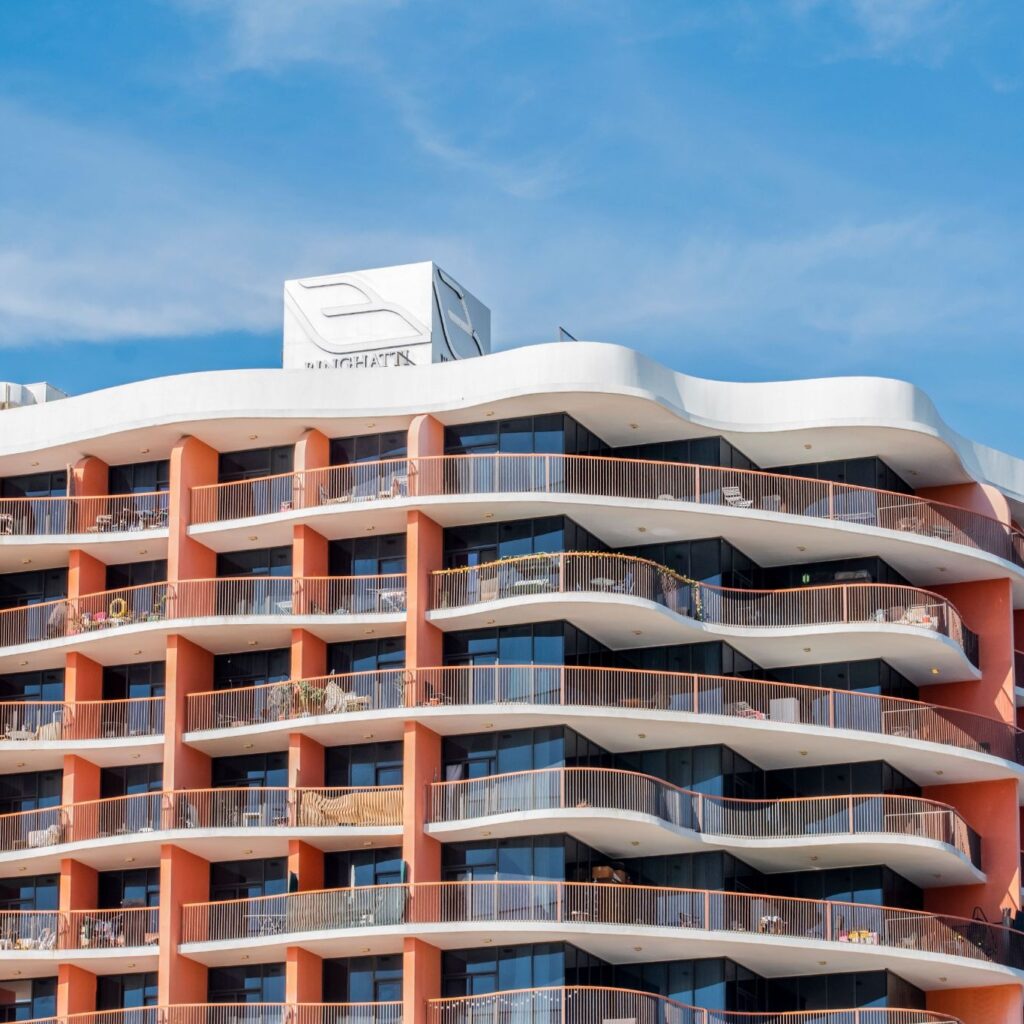
Photo by Aboodi Vesakaran: https://www.pexels.com/photo/minimalist-architecture-design-16563236/
Green Spaces That Actually Matter
I’ve walked through enough “planned green zones” in various cities to know when greenery is decorative versus functional. Through the Dubai Blue and Green Spaces Roadmap 2030, nature is being embedded into everyday urban life rather than treated as a weekend escape, with parks, waterfronts and outdoor green community spaces expanding visibly across the city. What caught me off guard was how integrated these spaces feel. They’re not afterthoughts tucked into leftover corners. The plan aims to double the size of green and recreational spaces and areas dedicated to public parks to serve growing residents and visitors, with nature reserves and rural natural areas constituting 60% of the emirate’s total area.
Walking through neighborhoods like Dubai Hills Estate, I noticed families using these parks not just on weekends but on regular weekday afternoons. Kids on bikes, people jogging in the early evening, informal meetups on benches under shaded pathways. It’s the kind of organic community use you see in cities with mature urban design, not brand-new developments. The environmental function is just as deliberate. Urban areas often see temperatures rise 6°C (10°F) hotter than surrounding suburbs and rural areas, with cities tending to be hotter than their surrounding areas at all times of the day and year. Strategic tree planting and green corridors aren’t just aesthetic choices. They’re practical responses to heat management in a desert climate.
Building Standards I Didn’t Expect
Dubai’s reputation revolves around superlatives and record-breaking towers, so I was genuinely surprised by the emphasis on sustainable building practices in newer neighborhoods. Many developers are integrating sustainable architecture principles such as passive cooling, solar energy, and water recycling into luxury residences, transforming traditional opulence into eco-conscious living spaces aligned with global sustainability trends.
I toured a few recently completed residential towers and noticed details I wouldn’t have associated with Dubai’s traditional luxury market five years ago. Low-VOC paints, greywater recycling systems, smart thermostats that optimize energy use based on occupancy patterns. Dubai green building regulations emphasize energy efficiency through advanced HVAC systems, proper insulation, and energy-saving lighting technologies, with buildings required to demonstrate measurable reductions in energy use compared to conventional construction standards.
The shift isn’t purely altruistic. Operating costs matter, especially for families and long-term residents. Lower utility bills and better indoor air quality translate into tangible benefits that go beyond marketing brochures. It’s a practical evolution, not just a symbolic gesture toward environmental responsibility.
Population Growth Reshaping the Landscape
The scale of change becomes clearer when you look at the numbers. Dubai’s 2026 population is now estimated at 3,776,252, with the city having grown by 184,170 in the last year, representing a 5.13% annual change. That kind of expansion creates pressure, but it also creates opportunity. New neighborhoods aren’t optional add-ons anymore. They’re essential infrastructure responding to real demand. The addition of more than one million residents before the end of 2030 will create demand for around 350,000 new homes, according to average household size, though allowing for multiple-home owners, non-resident buyers, normal vacancy levels, and the need to replace older buildings, that total could reach 500,000. The development pipeline reflects this reality. Entire districts are being built simultaneously, each with distinct character and target demographics.
What This Means for Daily Life
The most tangible difference shows up in how people move through their day. Improved connections between residential, commercial and leisure areas are being supported by better-integrated road systems, expanded public transport links and growing investment in active mobility infrastructure, with shorter trips like going to a local café, park or school increasingly designed around walking and cycling rather than driving. I’ve watched this play out in real time. Friends who moved to newer communities talk about leaving their cars parked for days at a stretch.
Not because they’re making some grand environmental statement, but because walking to the grocery store or cycling to a nearby restaurant is genuinely faster and more convenient than dealing with parking. The social dimension matters too. When neighborhoods are designed around walkability, chance encounters become more common. You run into the same faces at the corner café, recognize parents from the school pickup line, and develop informal networks that feel less transactional than the typical expat experience in older Dubai districts.
The Unexpected Reality
What I didn’t expect from Dubai’s new neighborhoods was how normal they’d feel. Not in a boring way, but in the sense that they prioritize everyday livability over spectacle. The towers are still there, the ambition is still visible, but the focus has shifted toward creating spaces where people can actually build lives rather than just occupy luxury addresses. These neighborhoods won’t replace the glittering skyline Dubai is famous for, and they’re not trying to. They’re addressing a different need, one that comes from a city maturing beyond its original identity as a destination for short-term residents and transient professionals. The people moving into these areas are planting roots, enrolling kids in local schools, and investing in long-term community connections. That changes the calculus of what makes a neighborhood successful, and Dubai’s newest developments seem to understand that shift in ways I genuinely didn’t anticipate.
Follow the rest of the Top Experiences series
- TOP TWENTY THINGS TO DO IN EGYPT
- WHY YOU SHOULD VISIT MALTA
- TOP FUN THINGS TO DO IN HAMPI
- 10 HISTORICAL PLACES TO ROAM ACROSS THE WORLD
- 10 HISTORICAL MARVELS OF ITALY
- 10 BEST SHOWS IN EUROPE YOU MUST SEE
- DUBAI THRILLS: 7 MUST-DO ACTIVITIES
- 10 HISTORICAL MARVELS IN TURKEY TO ENJOY WITH KIDS
- MOST ENCHANTING PALACES IN EUROPE
- IN‑BETWEEN MOMENTS IN ASPEN
RESPONSIBLE TRAVELING-BECAUSE I CARE