
Visiting the Rialto Markets in Venice
In Venice, when it rains, it pours. The sky looks like a dirty rag, and the rain splashes incessantly. The winding streets of the floating city get slippery, bridges get more crowded with slow-moving people treading cautiously, and the usually pretty green canals turn churlish grey in colour. Somehow, the charm of Venice persists, and the twinkling lights of the city establishments reflect beautifully on the large puddles. Akash and I were awfully lucky with the weather during our week-long Venice trip, and except for one day, the sun smiled on us. A Wednesday, however, dawned grey and dull, and I decided to visit the famous Rialto Markets in Venice. It was a European travel mistake of epic proportions. The rain made the journey very tough; navigating the baby car in the downpour took mammoth efforts, and due to a lack of much research, I got off at the wrong Vaporetto/water bus stop. The lashing made the usually helpful Venetians scurry away for shelter, and I had a horrendous time trying to haul the pram alone across the Rialto Bridge to reach the market. The scene on the other side was the perfect example of “Much Ado about nothing”, and only a handful of fresh produce shops had been open for business. The famous Pescaria or the Fish Market had not been found, and a cranky Akash and I ended our rainy day Venice exploration in a little cafe nearby.
Check out: Our Venice trip in photos

This is the commercial heart of historical Venice
The cafe was a cozy one, popular among both the tourists and the locals, and its decor was comfortingly old-fashioned. Soft leather chairs and couches gleamed under a huge chandelier, and light reflected wickedly on the glass-filled interiors. The tourists, all of whom had come looking for the Rialto Market, lounged lazily on the seats, while the smarter locals enjoyed their cafes by the counter. Venice has a strange tradition of charging extra if you occupy a seat in a cafe, and this is the starkest difference between a tourist and a local. While in the cafe, I thumbed through a dog-eared copy of the official Venice guide and read about the famous Rialto Markets while sitting at its exact location. Much is said and hyped about the centuries-old market, and it holds every morning close to the famous Rialto Bridge in Italy. This is an extremely important historical area of Venice and has been the city‘s commercial hub ever since its conception. The city’s principal market was transferred to this location at the end of the 11th century, and it became a very busy area where all kinds of trading took place. Merchants rolled out exotic goods freshly unloaded from the ships at these markets, and Venetians of all classes thronged to buy, bargain, sell, and stare.
Recommended Read: The colours of Girona Food Market in Spain
The squares and lanes of the Rialto Markets in Venice, where history stands still
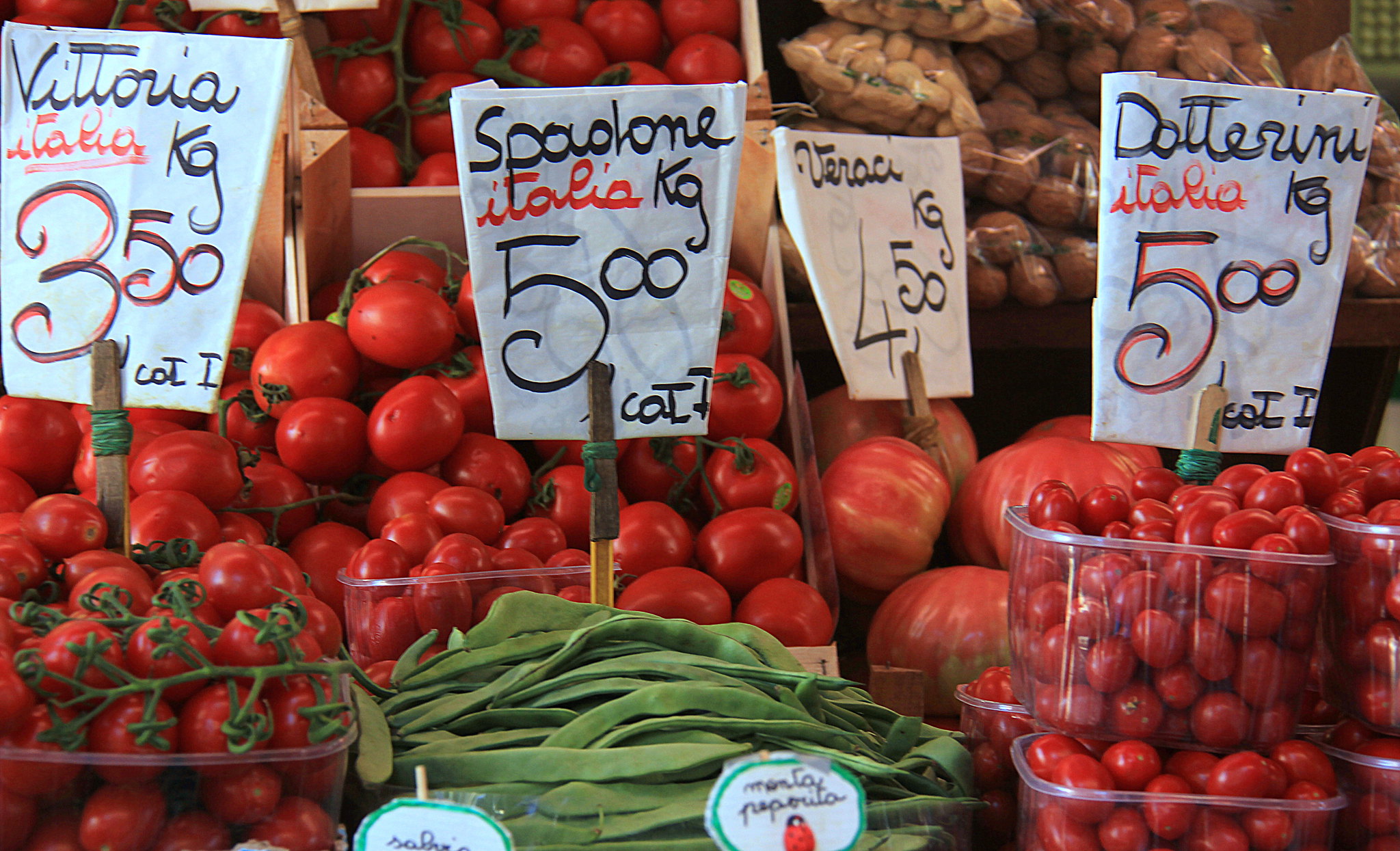
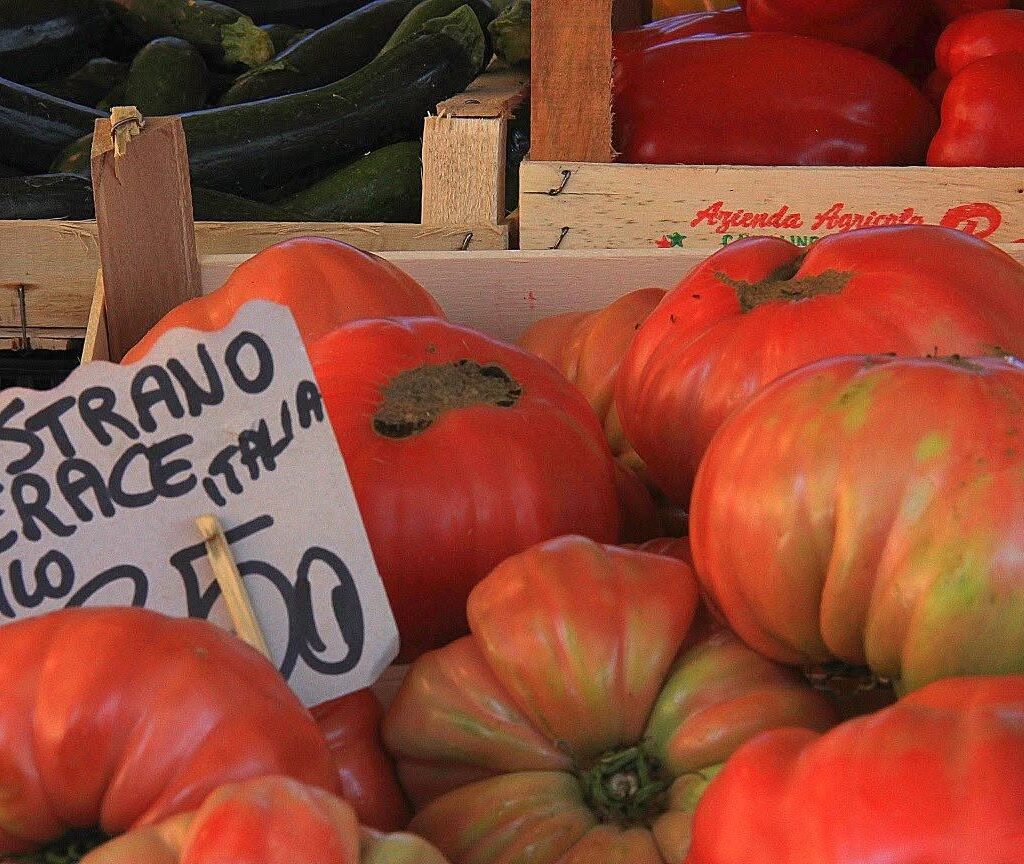
During that time, the Rialto Markets in Venice were the most important marketplaces in the world, and they had squares and porticos dedicated to different products. This tradition is still reflected in the names of present local lanes, and fruit and vegetables are sold at Erberia, while oranges can be exclusively found at Naranzeria. Speziali has only spices for sale, while the famous Pescaria is a covered fish market with mouth-watering fruits of the sea on display. These are the exact descriptions of the Rialto Markets in Venice as mentioned in the guidebook. It is supposed to be a treat for the senses with tumbling piles of peaches, cherries, artichokes, and bunches of sage. When the rain ceased, I ventured out a bit with the baby car and managed to get glimpses of the famous fresh produce at the Erberia. There were also a few food stores selling pasta, olive oil, wine, and other regional specialties. Apart from that, only a handful of grey-haired shopping trolley-bearing old local ladies trotted beside a smattering of tourists, and everyone had a look of disappointment. So what is touted as Venice‘s best show did not work out for me, and the Rialto Markets visit ended up being a messy, wet disaster. But, there is no smoke without fire, and here are the travel facts of the Rialto Markets in Venice, for you to have a look at them yourself.

You may also like: The Sights and smells of Agora Market in Crete in Greece
How to reach the Rialto Markets in Venice?
The Rialto markets are located in the north-west of the Rialto Bridge in the San Polo sestiere of Venice. On weekdays, the Vaporetto number 1 stops alongside at the Rialto Mercato station. A gondola, traghetto ferry service is available across the canal to Campo Santa Sofia on the Strada Nova.
Timings of the markets
The opening hours of the Rialto Markets in Venice are as follows. The fresh produce market is open from Monday to Saturday from 07:30 am to 01:00 pm, and you can visit the fish market from Tuesday to Saturday from 07:30 am to 01:00 pm. The fish market is closed on Mondays. Shoppers arrive as early to escape the crowd of camera-toting tourists, and during the late hours, you will find the fruit and veg stalls open, though most of the fishmongers will shut shop. That is why it is best to arrive as early as possible to experience the Erberia and Pescaria in full swing. The goods loaded on barges dock at the market at dawn, and the market buzzes with activity by 08:00 am. Since the whole sellers and most of the shopkeepers pack up by midday, around 01:00 pm, grab all the shopping for a picnic hamper before lunch.
Want to visit Venice on a budget? Check out my money-saving tips for a pocket-friendly Venice trip
Get the feel of the local life in Venice
For a city that is sinking from a load of tourists and rich expats, finding the daily life of the locals is extremely rare, and Rialto Markets in Venice provide just that. Wrinkled old ladies crossing the Grand Canal on Vaporetto or traghettos armed with their shopping trollies, sweating stevedores unloading crates of produce from the barges, vendors hawking their wares and chefs from the city restaurants examining the daily supply, delivery boys pushing handcarts piled with local fruits and vegetables from Treviso; these are some of the glimpses of local life of Venice which can still be savoured at the Rialto Markets. This market has been satisfying appetites for seven centuries, and happily, the products on sale are all local. Go there to shop for vibrantly coloured seasonal produce like the Sant’Erasmo castraure (baby artichokes), radicchio trevisano (bitter red chicory), and succulent white asparagus. Shopping for food is a much-loved daily activity in Italy, and the produce is naturally very fresh. Thus, much of the fruit and vegetables sold at the Rialto Markets in Venice come from the nearby island of Sant’Erasm,o and the produce is labeled with its place of origin.
Need help in planning your trip? Here‘s my Venice Trip Planning Guide
A sweet nothing from the chef
Elizabeth David, the cookbook author, portrays the Rialto market in her book The Italian Food:
“The light of a Venetian dawn is so limpid and so still that it makes every separate vegetable and fish luminous with a life of its own, with unnaturally heightened colours and clear stencilled outlines
“In other markets, on other shores, the unfamiliar fishes may be vivid, mysterious, repellent, fascinating, and bright with splendid colour; only in Venice do they look good enough to eat. In Venice, even ordinary sole and ugly great skate are striped with delicate lilac lights, the sardines shine like newly-minted silver coins, pink Venetian scampi are fat and fresh, infinitely enticing in the early dawn.”
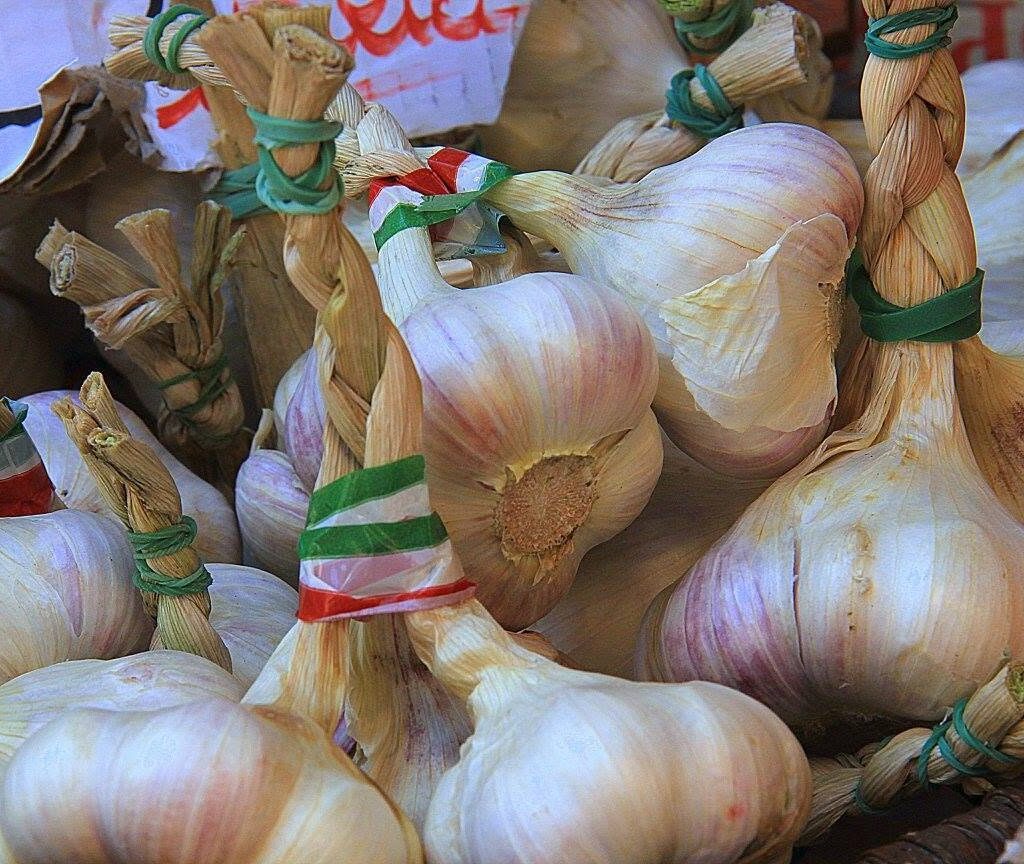
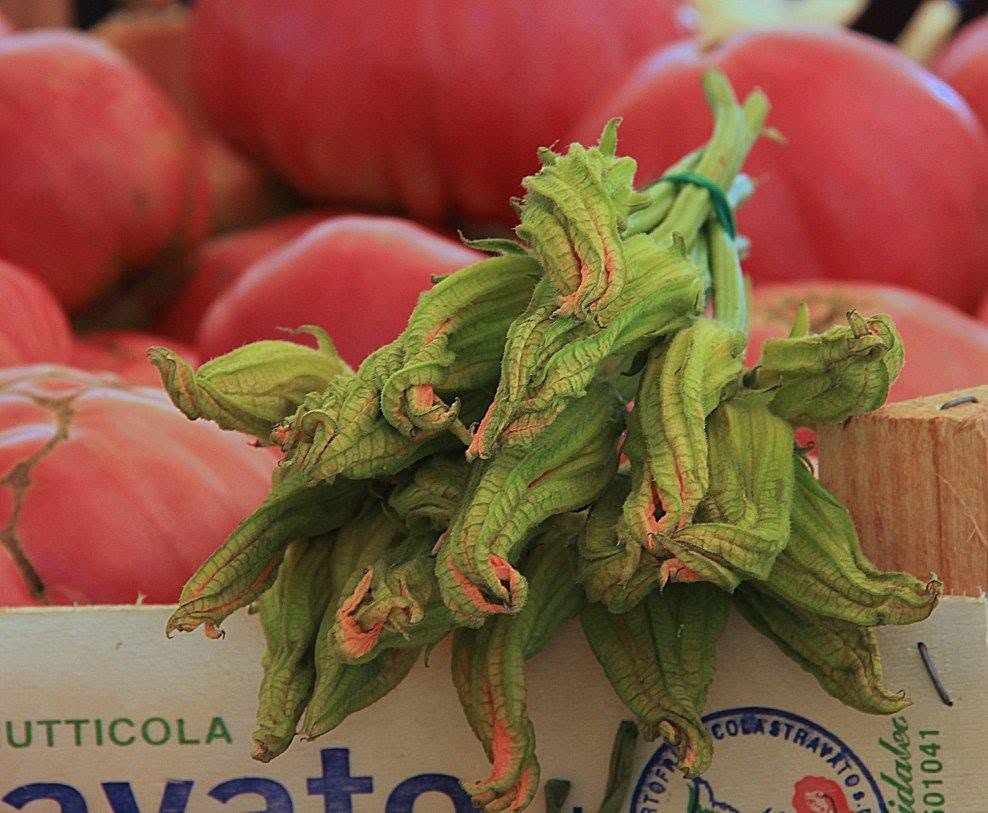
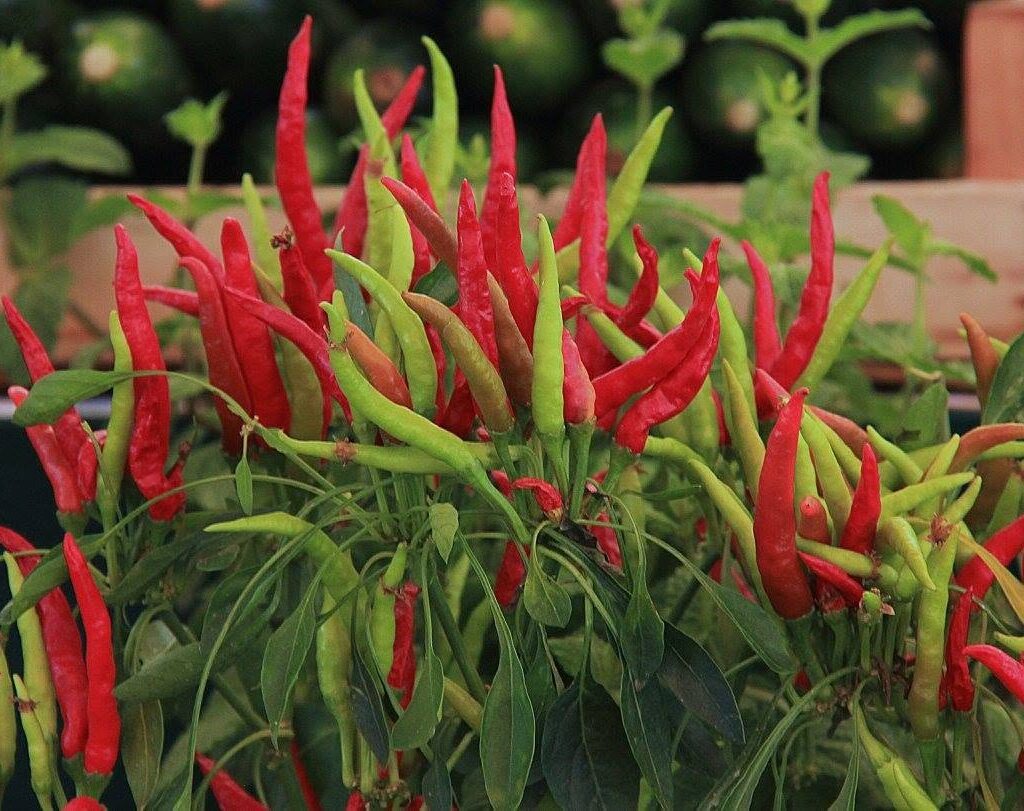
What other bloggers have to say about the Rialto Markets in Venice: The World is a Book, Rossi Writes, Ottsworld
Follow the rest of the Italy series
RESPONSIBLE TRAVELING-BECAUSE I CARE
FAQs
What food is Venice known for?
This article, centered on Venice’s historic Rialto Markets, points to fresh produce as its star: peaches, cherries, artichokes, and bunches of sage at the Erberia (vegetable market), oranges specifically at the Naranzeria, spices at Speziali, and seafood at the covered Pescaria fish market. Nearby food stores also sell pasta, olive oil, wine, and other regional specialties.
What should you eat in Venice?
Based on the Rialto Markets, the article highlights fresh seafood from the Pescaria, seasonal produce like peaches, cherries, and artichokes from the Erberia, and regional staples like pasta, olive oil, and local wine available from surrounding food shops.
Where can you find the best local food in Venice?
The article points to the Rialto Markets, near the famous Rialto Bridge, as the city’s traditional commercial and food hub — home to the Erberia for produce, Pescaria for fish, Naranzeria for oranges, and Speziali for spices. It notes the market has served this role since the city’s principal market moved there at the end of the 11th century.
What is a must-try dish in Venice?
The article doesn’t name a single signature dish, but it emphasizes the Pescaria’s fresh seafood — described as ‘infinitely enticing in the early dawn’ — as one of the market’s biggest draws.
Is street food in Venice safe to eat?
The article doesn’t address food safety directly; it focuses instead on the atmosphere and freshness of the Rialto Markets, describing goods arriving by barge at dawn and the market being in full swing by around 8 a.m.
Can you take me on a food tour of Venice through someone’s actual experience?
The author’s own visit to the Rialto Markets, honestly told, didn’t go as hoped — a grey, rainy Wednesday during her week-long trip turned the outing into what she candidly calls a ‘messy, wet disaster.’ She still caught glimpses of the fresh produce at the Erberia and food stores selling pasta, olive oil, and wine, but found only a handful of local shoppers and disappointed tourists rather than the lively scene the guidebooks promised.
What local dishes in Venice should I seek out that most tourists miss?
The article doesn’t single out under-the-radar dishes, but it does suggest that the real local flavor of Venice is best experienced through the Rialto Markets’ daily rhythm itself — locals with shopping trolleys, stevedores unloading barges, and chefs from city restaurants examining the day’s fresh supply.
What makes the food culture of Venice distinct from its neighbors?
The article frames the Rialto Markets as historically central to Venetian food culture — the city’s principal marketplace since the late 11th century, where merchants once unloaded exotic goods straight from ships and where the market squares were traditionally divided by product type (produce, oranges, spices, fish).
What should a first-time visitor know before eating their way through Venice?
Timing matters: the article recommends arriving as early as possible to see the Erberia and Pescaria in full swing, since wholesalers and most shopkeepers pack up by around 1 p.m. It’s also worth knowing that, per the author’s own experience, weather can make or break a market visit — a rainy day left the market far quieter and less vibrant than expected.
Are there any food memories or traditions from Venice worth knowing about?
Yes — the Rialto Markets themselves are a centuries-old tradition, tracing back to when Venice’s principal market moved there at the end of the 11th century and became one of the most important marketplaces in the world, with different squares historically dedicated to different goods like produce, oranges, spices, and fish.


Venice is on my list and your tempting vegetables pics just gives a delicious feel to it 😀
Thank you very much
Super vibrant and lovely clicks.
Thank you.
Love the photographs capturing the local produce!
Thank you
Very beautiful and detailed post as always..thanks for sharing
Thank you. I am glad that you liked the post.