Bako National Park: Proboscis Monkeys, Hidden Beaches and Borneo’s Wild Heart
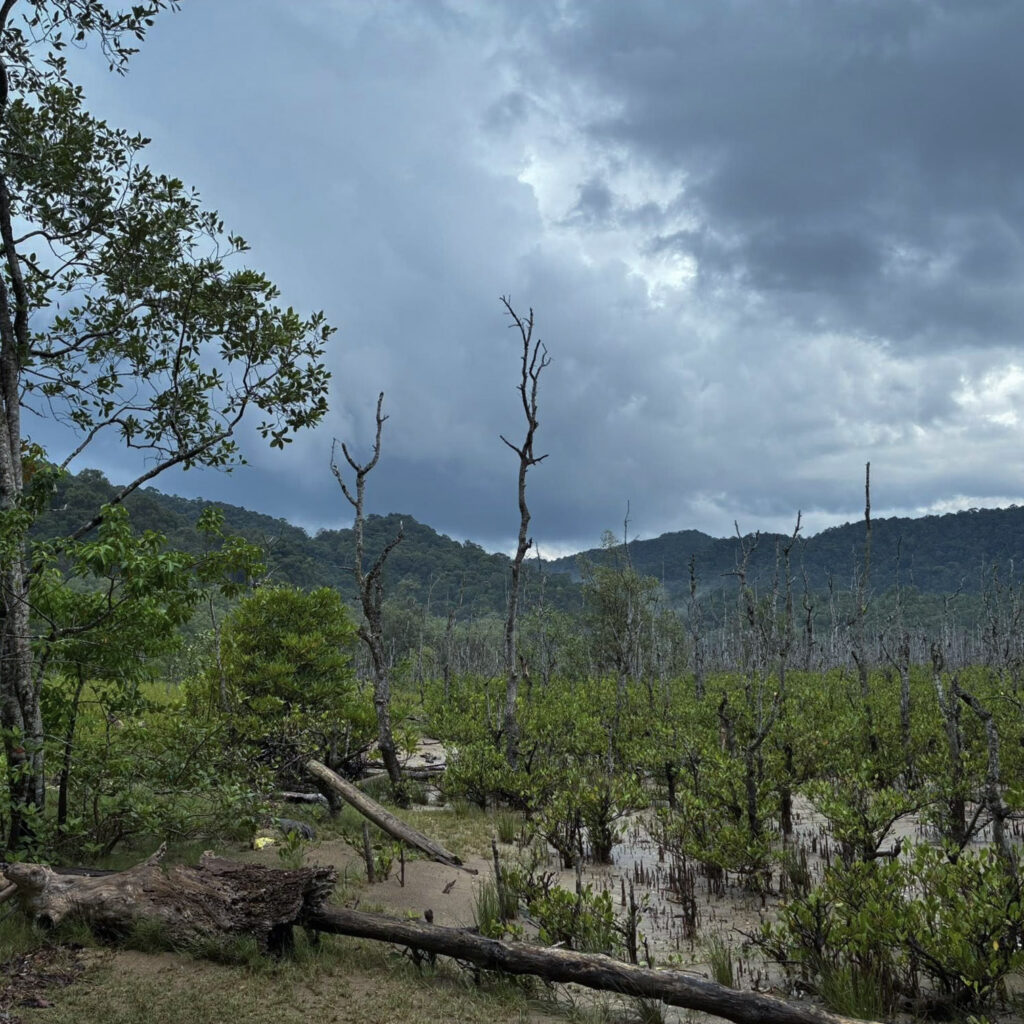
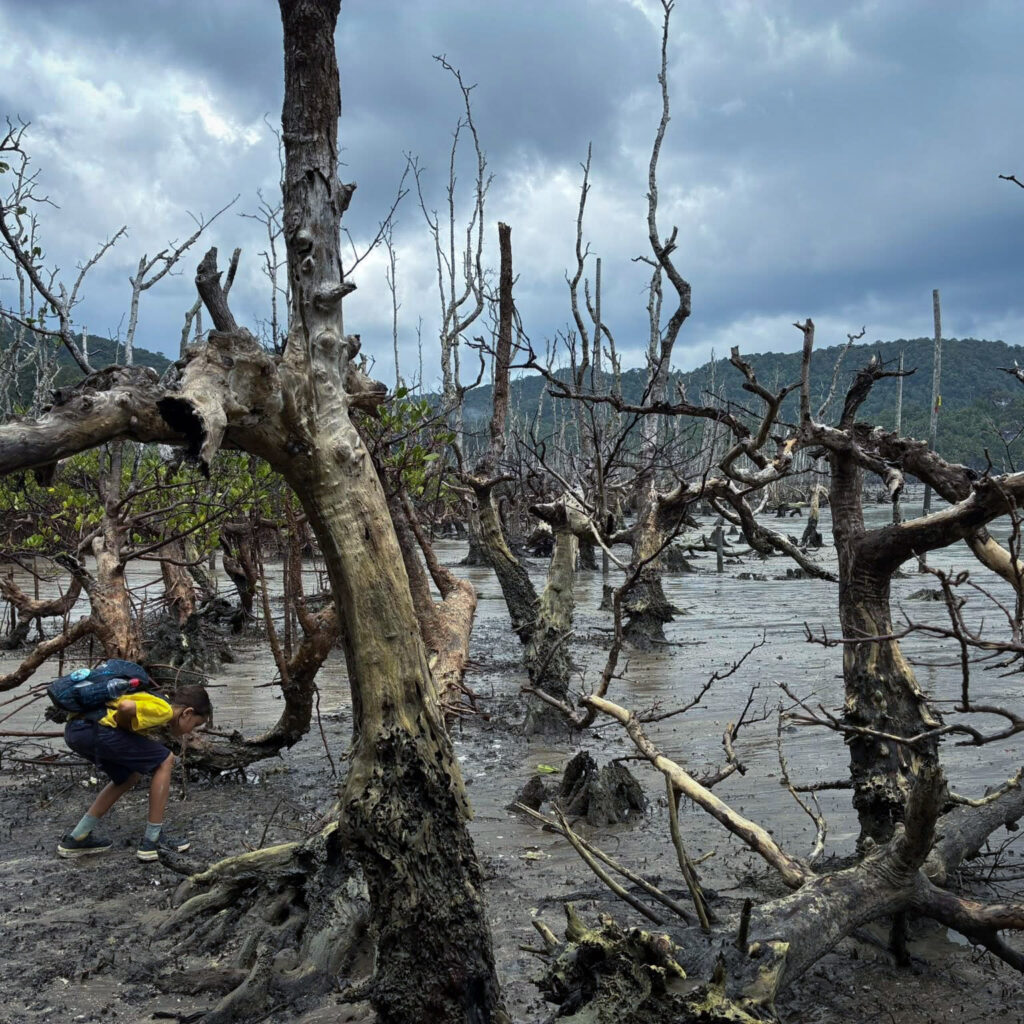
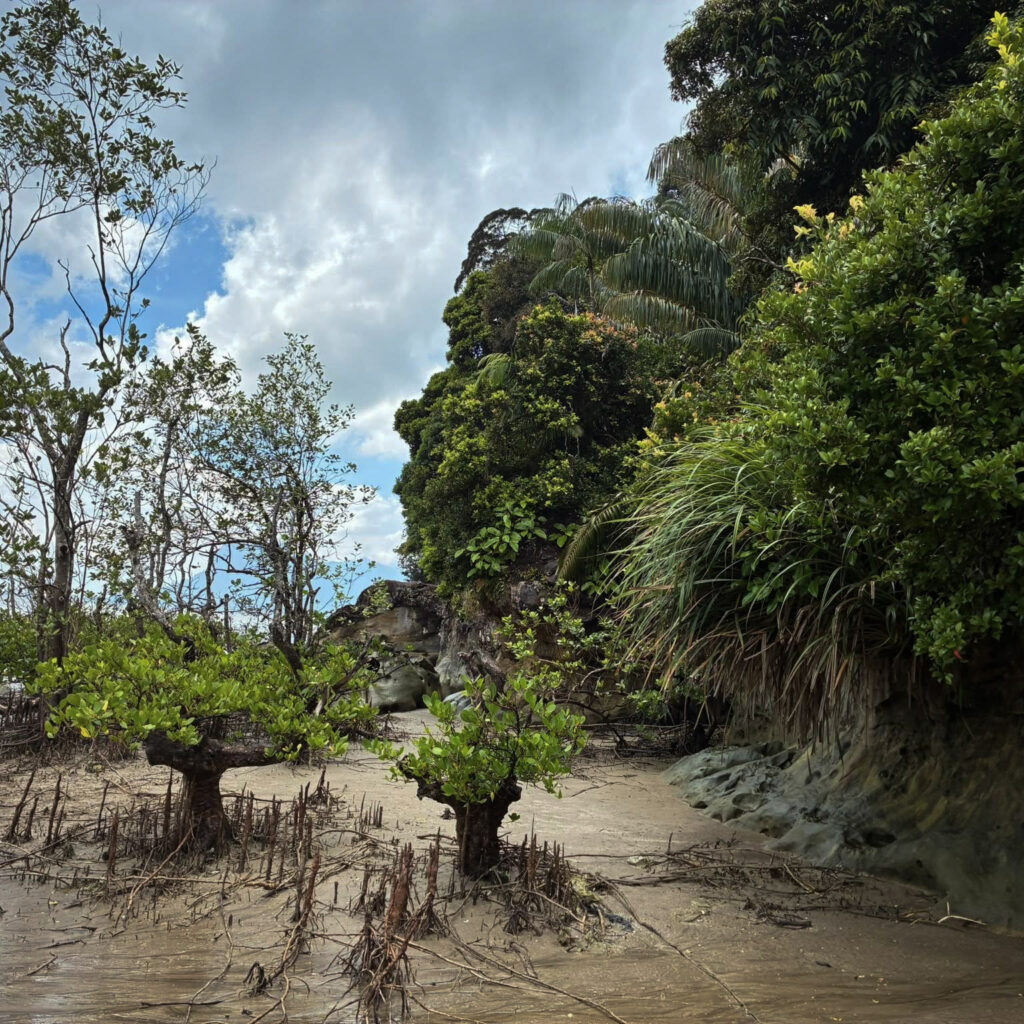
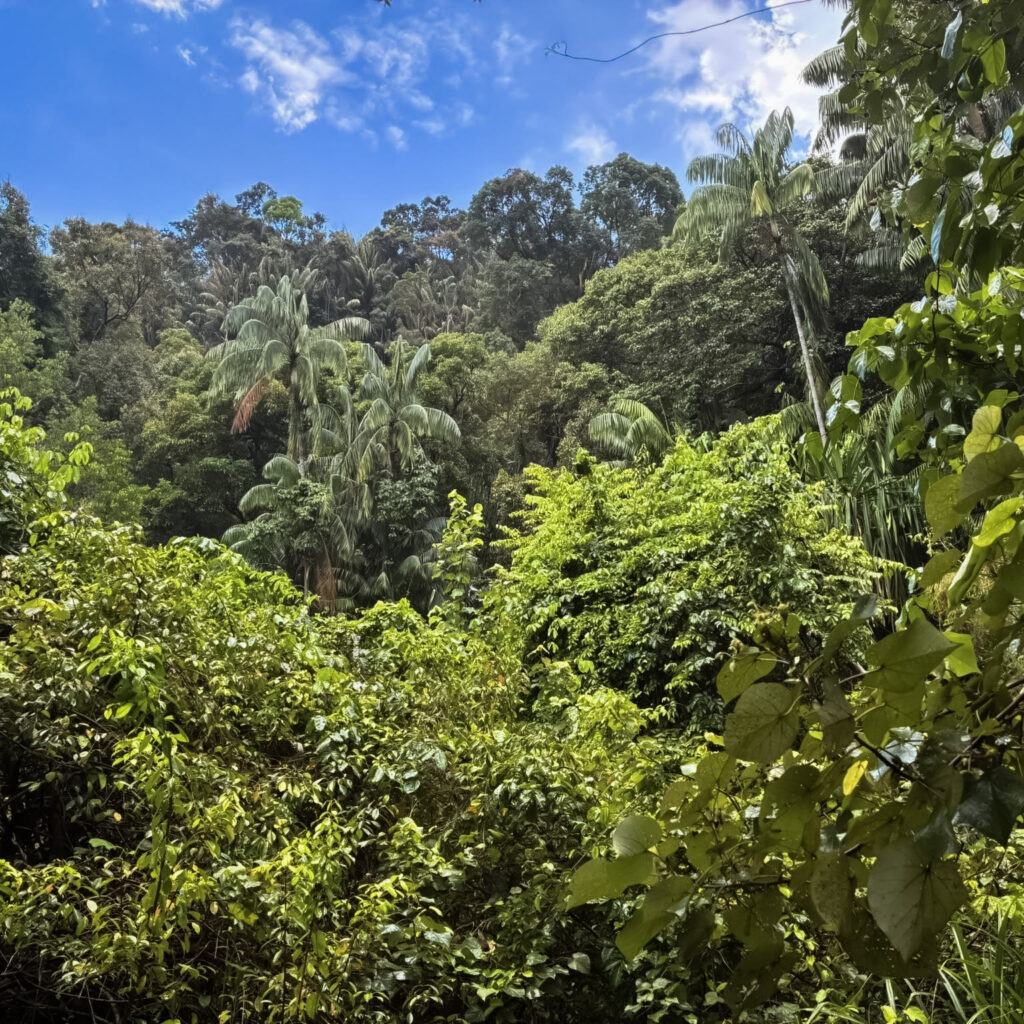
If you only have time to visit one national park during your stay in Kuching, make it Bako National Park. Located just 40 kilometres from the city, Sarawak’s oldest national park offers an extraordinary concentration of wildlife, rainforest, coastal scenery and hiking trails in a remarkably compact area. Established in 1957, Bako may be one of Sarawak’s smallest national parks, but it is widely regarded as one of the most rewarding wildlife destinations in Malaysian Borneo. What makes Bako truly special is its incredible ecological diversity. Within just 27 square kilometres, visitors can experience rainforest, mangroves, heath forest, grasslands, cliffs, beaches, rocky headlands, and swamp forests. Few places in Southeast Asia allow travellers to move between so many distinct habitats within a single day. This remarkable concentration of ecosystems has created an environment where wildlife flourishes and where every trail reveals a different aspect of Borneo’s natural heritage. For many visitors, Bako serves as an introduction not only to Sarawak’s biodiversity but also to the raw beauty that has made Borneo one of the world’s most fascinating wilderness destinations.
The Adventure Begins Before You Arrive
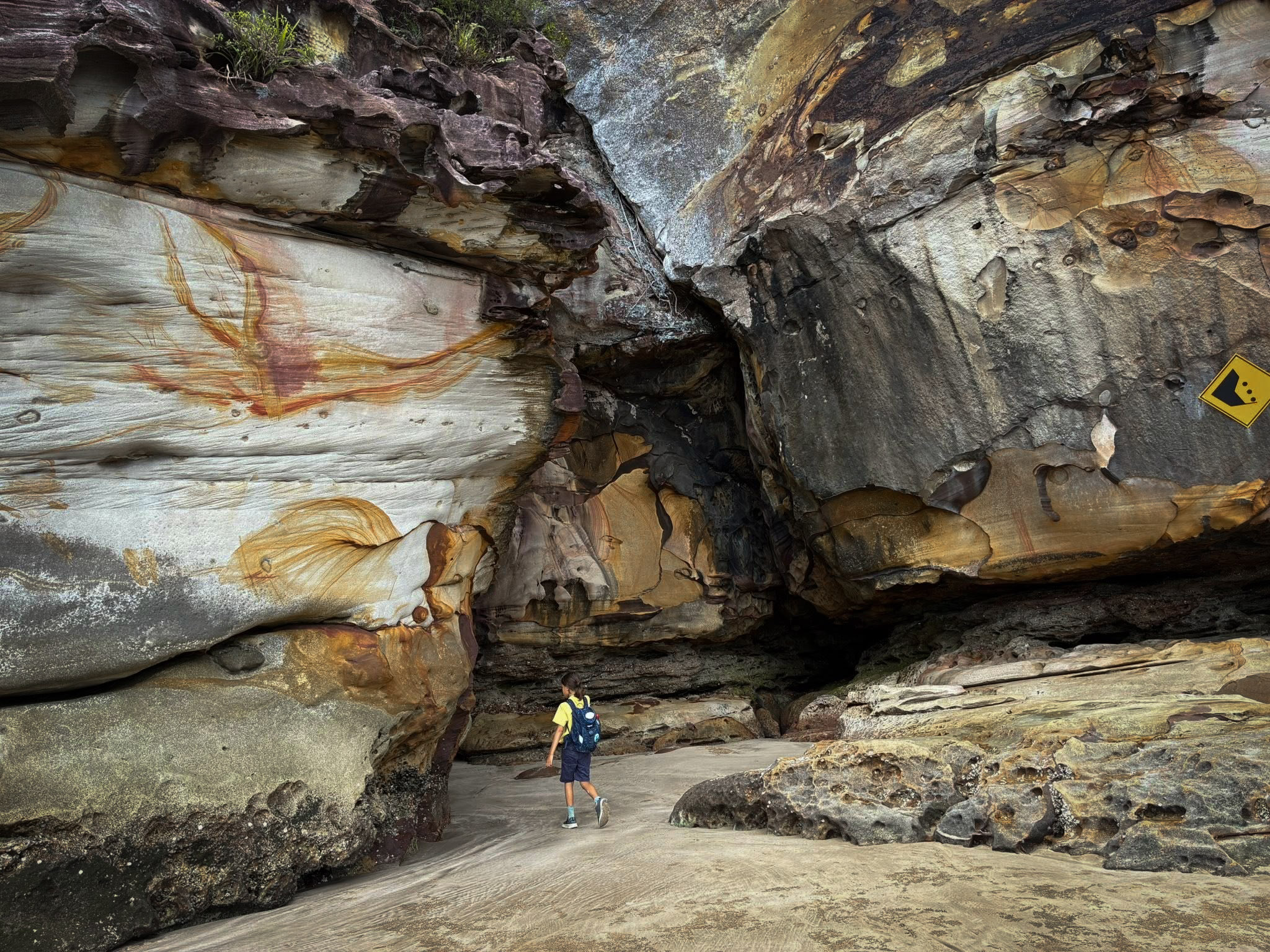
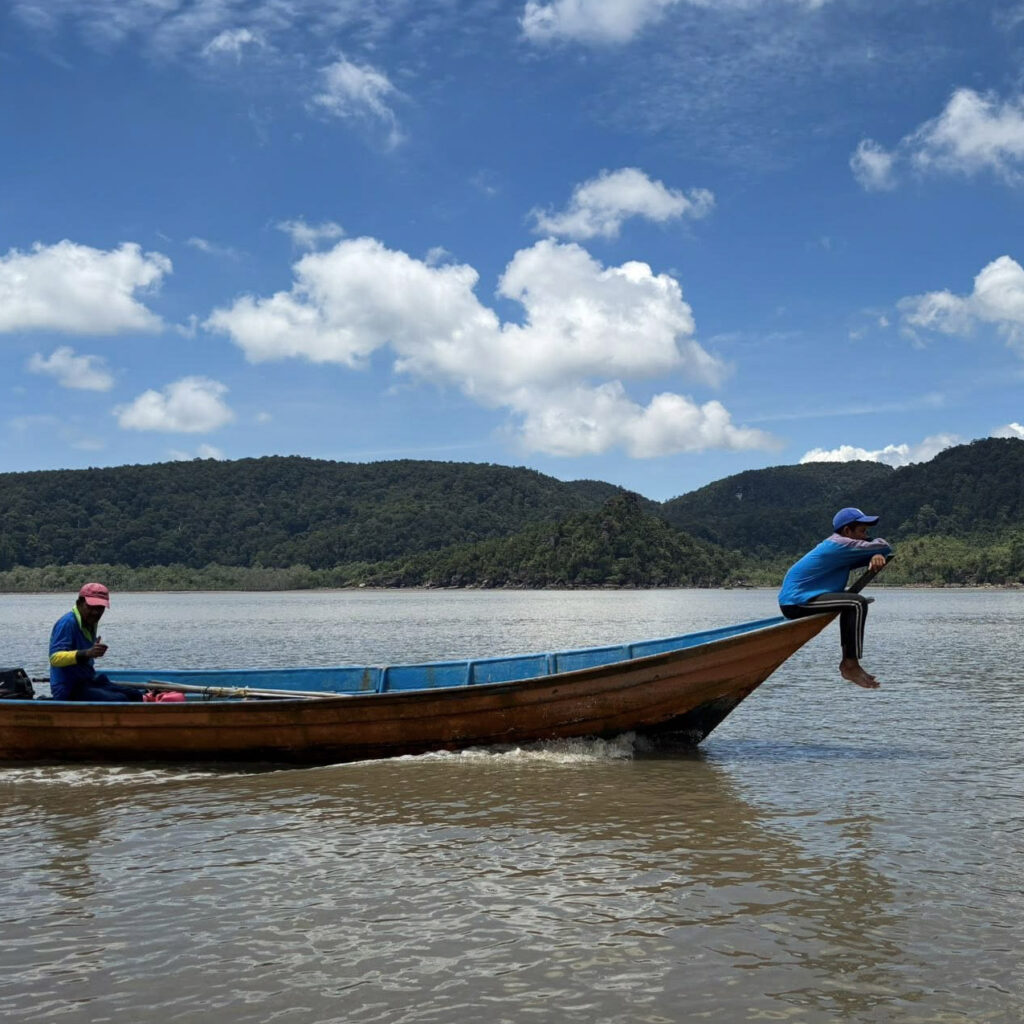
Reaching Bako is part of the experience. After travelling from Kuching to the Bako Boat Terminal, visitors board a small motorboat that transports them across mangrove-lined waterways and along the dramatic coastline of the Muara Tebas Peninsula. The transition from city to wilderness happens surprisingly quickly. Within a short time, urban landscapes give way to dense vegetation, tidal mangroves, and rugged coastal scenery. As the boat approaches the national park, sandstone cliffs emerge from the rainforest while hidden beaches appear between rocky outcrops. The spectacular coastal scenery immediately gives visitors the feeling of entering a remote wilderness, despite being less than an hour from Kuching. The dense forest seems to spill directly onto the shoreline, while waves crash against ancient rock formations that have stood here for millennia.
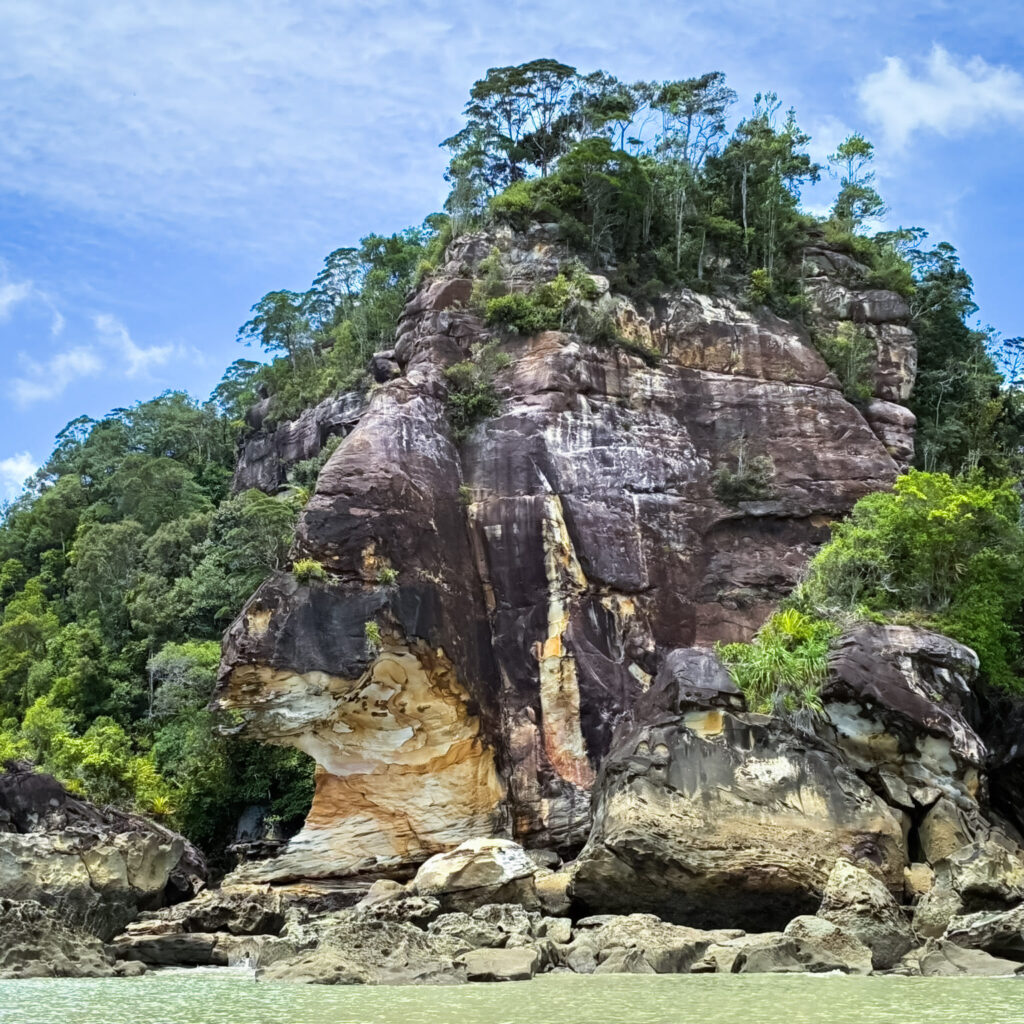
Millions of years of erosion have sculpted the coastline into cliffs, sea stacks, arches, and unusual rock formations. Although the famous Cobra Head Sea Stack collapsed in 2024, the coastline remains one of the most photogenic landscapes in Sarawak. The dramatic interaction between rainforest, sandstone, and sea creates a scenery that is uniquely Bornean and provides a striking introduction to the national park.
A Paradise for Wildlife Enthusiasts
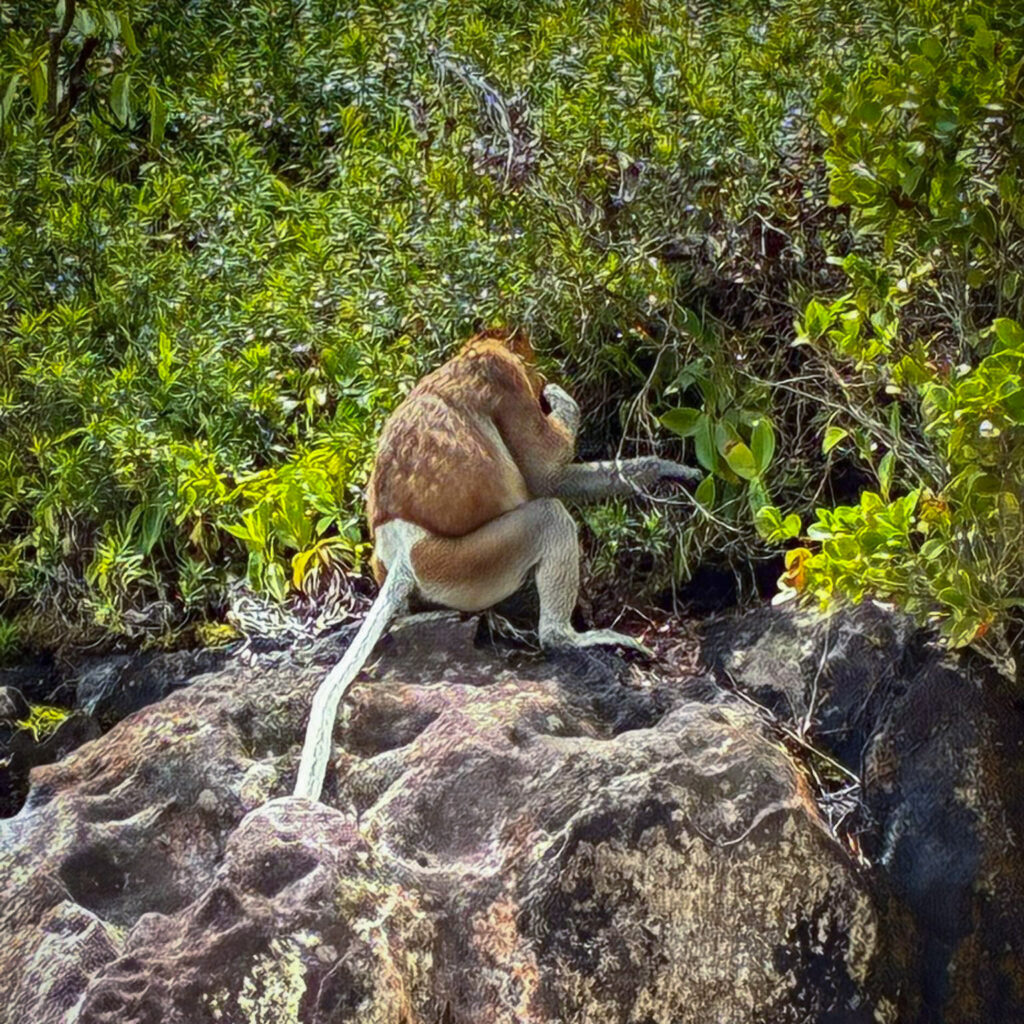
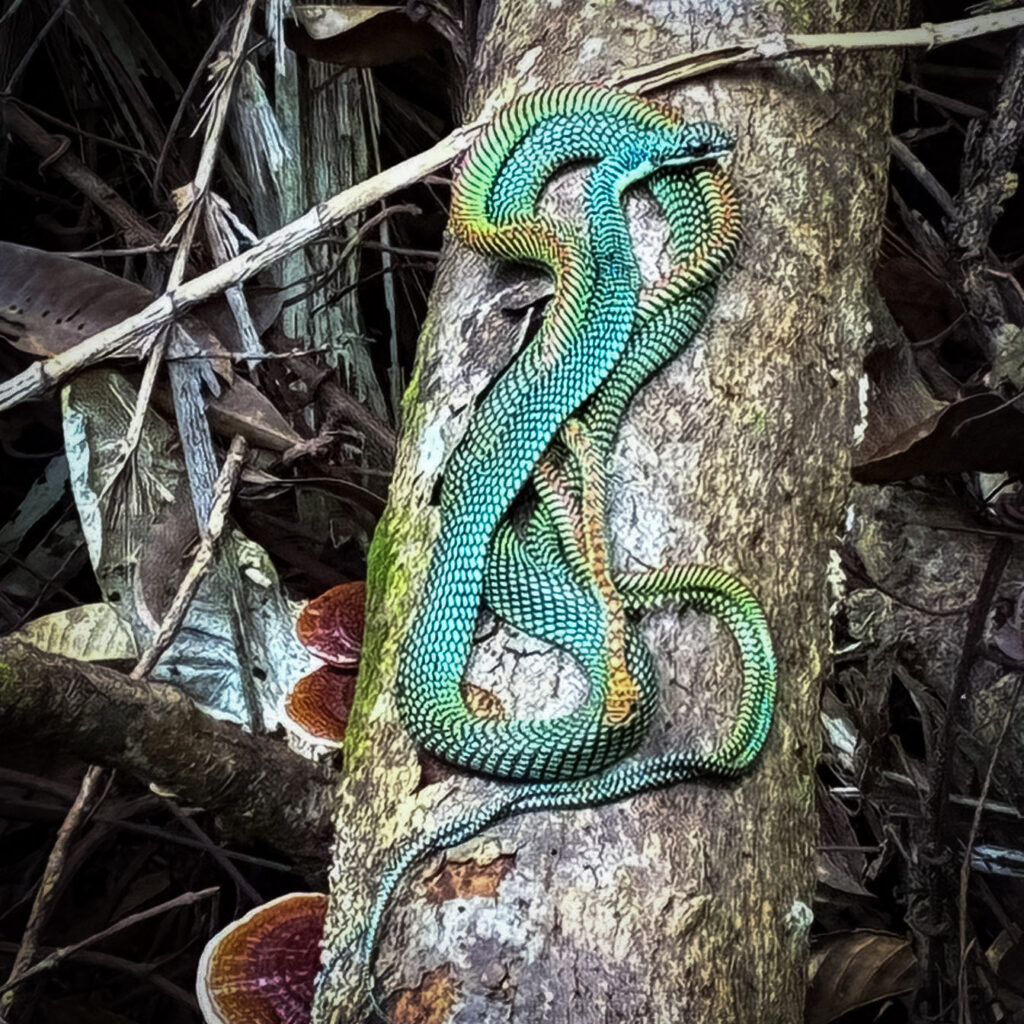
Bako National Park is often described as one of the best places in Borneo to observe wildlife without needing a guide. Unlike many rainforest destinations where wildlife sightings require patience, luck, and extensive trekking, animals are frequently seen near the park headquarters, on hiking trails, and even around the accommodation areas. This accessibility makes Bako particularly rewarding for first-time visitors to Borneo. The park’s most famous residents are the endangered proboscis monkeys. Found only on Borneo, these unique primates are famous for their oversized noses and distinctive appearance. Approximately 150 individuals live within the park, making Bako one of the most reliable places in Sarawak to see them in the wild. Early mornings and late afternoons often provide the best opportunities to observe them feeding among the trees or moving through the coastal forest.
However, the wildlife extends far beyond proboscis monkeys. Visitors may also encounter:
- Silvered langurs
- Long-tailed macaques
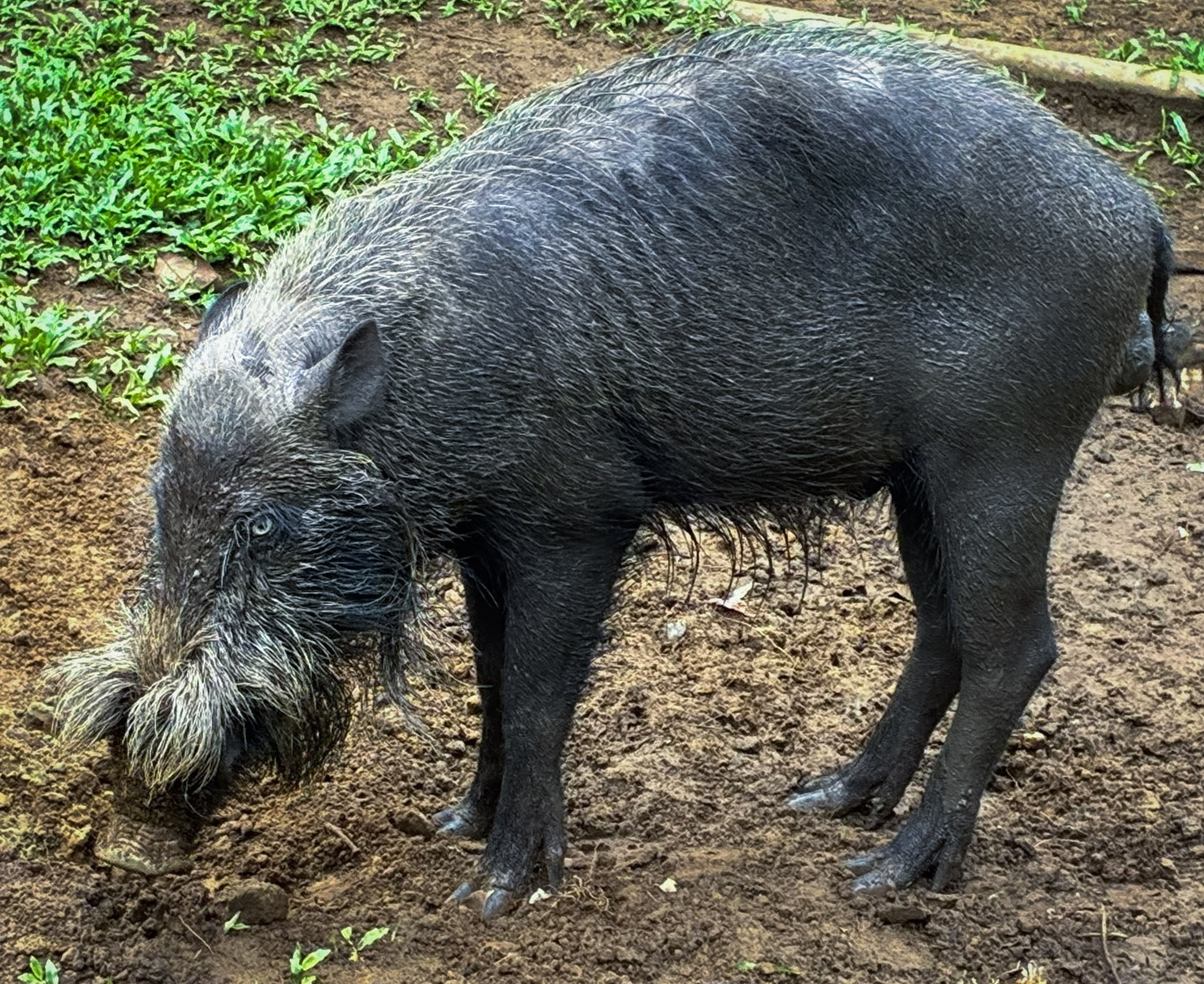
- Bornean bearded pigs
- Monitor lizards
- Plantain squirrels
- Flying lemurs (colugos)
- Palm civets
- Pit vipers
- Kingfishers and hornbills
- More than 150 recorded bird species
For photographers and wildlife enthusiasts, Bako offers outstanding opportunities to observe animals in their natural habitat without travelling deep into the rainforest. Every trail presents the possibility of an unexpected encounter, whether it is a troop of macaques crossing the path, a monitor lizard basking in the sun, or a colourful kingfisher darting through the forest canopy. Early mornings and late afternoons are generally the most productive times for wildlife viewing, when temperatures are cooler, and animal activity is at its highest.
Discovering Bako’s Unique Plant Life
Nature lovers are often surprised by the park’s botanical diversity. Bako contains almost every major vegetation type found in Borneo and supports more than 25 distinct vegetation communities. The park’s extraordinary variety of habitats has created ideal conditions for an equally impressive variety of plant species. One highlight is the opportunity to see carnivorous pitcher plants growing in the wild. These fascinating plants trap insects using specially adapted leaves and are among the most iconic species of Borneo’s rainforest ecosystem. Their presence reflects the nutrient-poor soils found in certain parts of the park, where plants have evolved remarkable adaptations to survive. Visitors can also discover sundews, orchids, mangroves, dipterocarp forests, and unusual heath forest vegetation rarely seen elsewhere in Malaysia. For botanists and nature enthusiasts, Bako offers a fascinating insight into the ecological complexity that makes Borneo one of the world’s biodiversity hotspots.
Hiking Through Seven Ecosystems
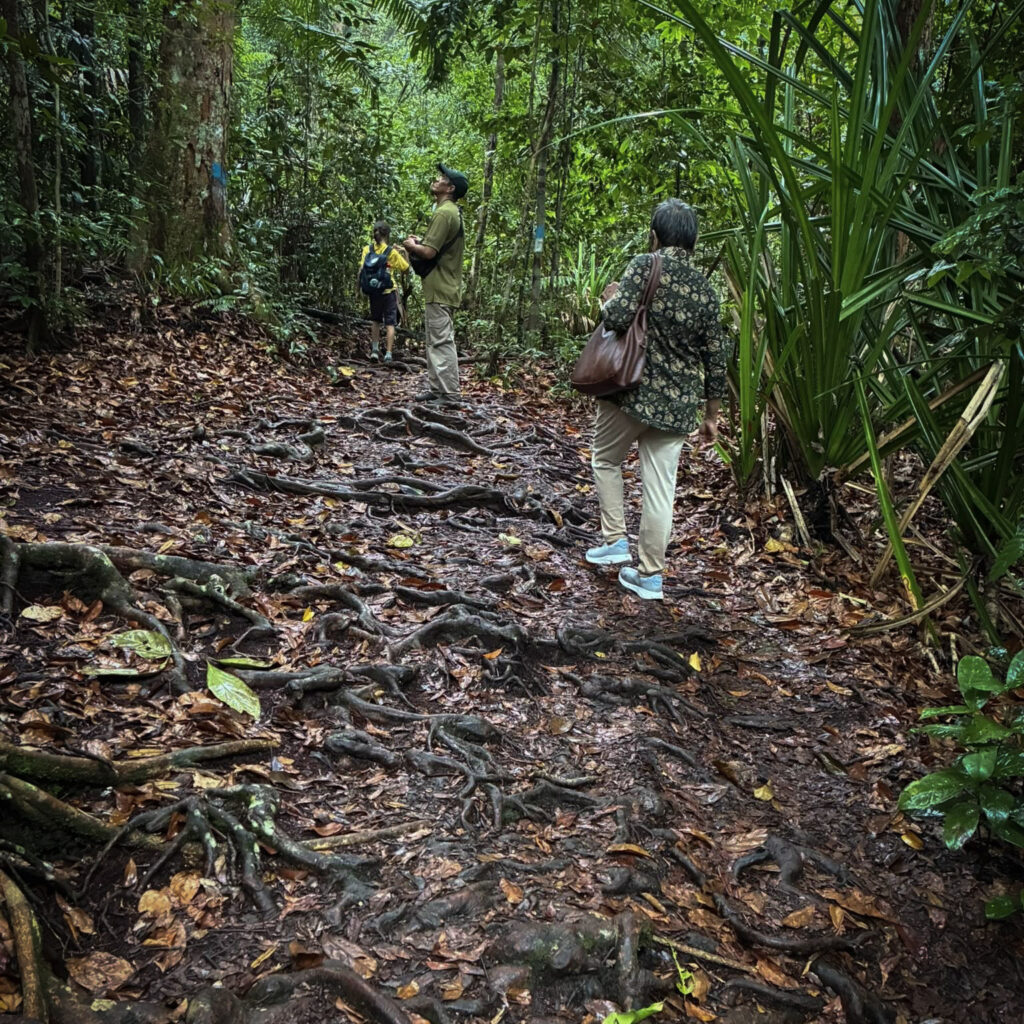
One of the reasons Bako is so popular is its excellent trail network. Sixteen well-marked trails allow visitors to explore different parts of the park, ranging from short walks to more challenging hikes. The routes vary considerably in length and difficulty, ensuring that both casual visitors and experienced hikers can find suitable options. The trails pass through dramatically different environments. In a single morning, hikers can walk through dense rainforest, cross wooden boardwalks over swampy ground, climb rocky headlands, and emerge onto secluded beaches overlooking the South China Sea. The changing scenery creates the impression of travelling through multiple national parks rather than a single protected area.
Telok Paku Trail
A relatively short trail famous for wildlife sightings, particularly proboscis monkeys and silvered langurs. The route is often recommended for visitors hoping to maximise their chances of encountering Bako’s most famous residents.
Telok Delima Trail
An excellent route for spotting wildlife while experiencing Bako’s rich rainforest ecosystem. Dense vegetation and quieter surroundings make this trail particularly rewarding for nature lovers.
Telok Pandan Kecil Trail
One of the most scenic hikes in the park leads to spectacular viewpoints overlooking sandstone cliffs and the coastline. The panoramic views provide some of the best photographic opportunities in Bako.
Lintang Trail
A circular route ideal for visitors wanting a comprehensive introduction to Bako’s rainforest habitats. It showcases much of the ecological diversity that has made the park famous. Every trail offers a slightly different perspective on the park’s extraordinary biodiversity and geological beauty. Whether visitors are searching for wildlife, exploring unique vegetation, or simply enjoying the scenery, the trail network provides endless opportunities for discovery.
Hidden Beaches and Dramatic Coastlines
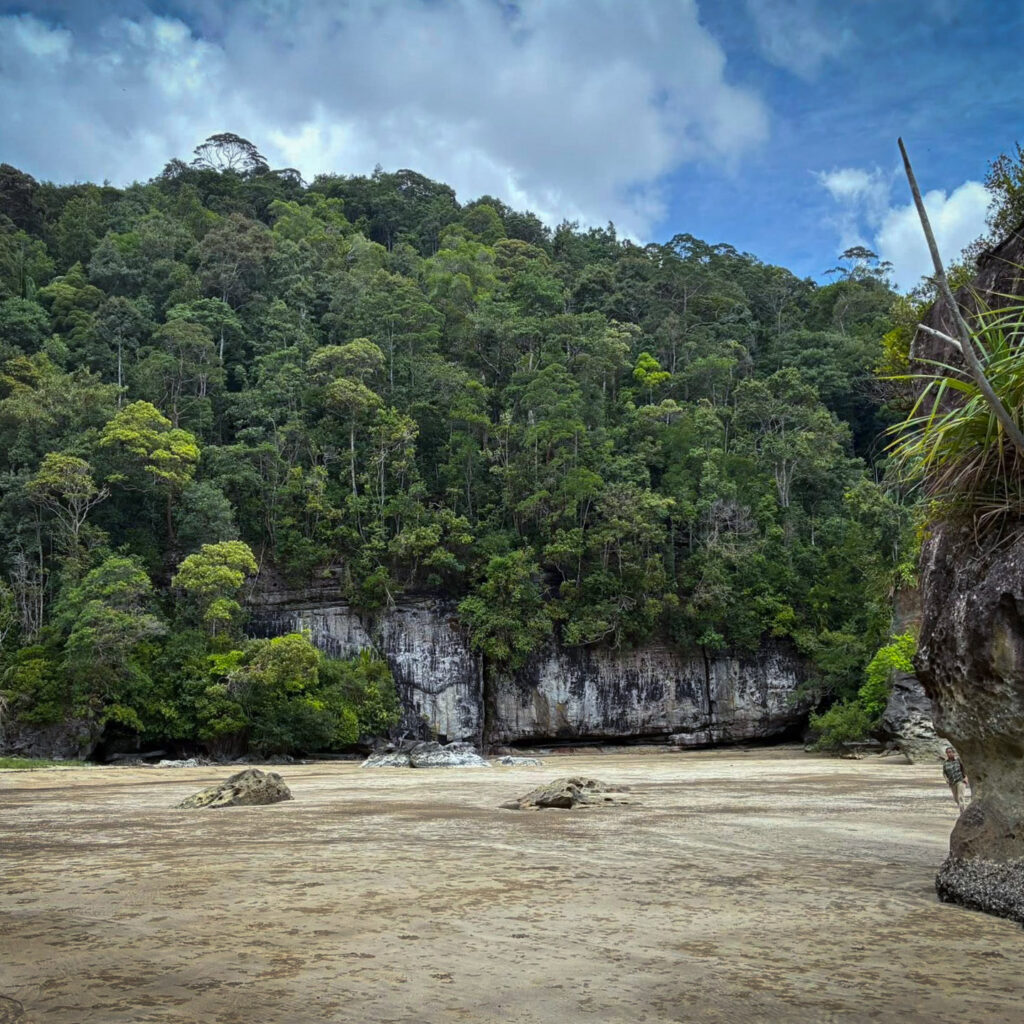
Many visitors arrive expecting rainforest and wildlife, but leave equally impressed by Bako’s coastline. The park contains numerous secluded beaches accessible only by hiking trail or boat. Their relative isolation helps preserve an atmosphere of untouched wilderness rarely found elsewhere in Southeast Asia. Golden sands, towering cliffs, and dense jungle create landscapes that feel remote and timeless. Some beaches are framed by dramatic sandstone formations shaped by centuries of wind and wave action, while others offer panoramic views across the South China Sea stretching towards the horizon. These coastal landscapes are among the most photographed locations in Sarawak and provide a striking contrast to the dense rainforest found elsewhere in the park. The meeting point of forest and ocean creates some of Bako’s most memorable scenery and highlights the remarkable diversity packed into such a small area. For changing weather conditions, carry sufficient water, particularly when undertaking longer hikes
Travel Tips and Practical Guide for Visiting Bako National Park
Best Time to Visit
Bako National Park can be visited throughout the year, but the drier months between April and October generally offer the most favourable hiking conditions. Trails are less muddy, wildlife spotting is easier, and boat transfers are less likely to be affected by rough seas. The park remains open during the wetter months, and many travellers enjoy the lush rainforest scenery that follows tropical rainfall. However, heavy downpours can make some trails slippery and occasionally restrict access to certain areas. The best times of day for wildlife viewing are typically early morning (7:00–10:00 am) and late afternoon (4:00–6:00 pm), when temperatures are cooler, and animals are more active.
How to Get to Bako National Park
Getting to Bako is relatively straightforward and makes for an excellent day trip from Kuching.
Step 1: Travel from Kuching to Bako Boat Terminal
The Bako Boat Terminal is located approximately 35 kilometres northeast of Kuching, and the journey takes around 45 minutes to one hour, depending on traffic. You can reach the terminal by:
- Grab
- Taxi
- Public Bus No. 1 from Kuching city centre
Many travellers prefer Grab due to its convenience and affordability.
Step 2: Boat Transfer to the National Park
From the terminal, visitors must take a licensed boat to the park headquarters. Bako can only be accessed by water. The boat journey takes approximately 20–30 minutes, depending on sea and tidal conditions. Because the boats operate according to the tides, departure and return times can vary. It is advisable to arrive early in the morning, particularly during weekends and public holidays.
Entrance Fees and Permits
Visitors must pay:
- National Park Entrance Fee
- Boat Transfer Fee
Fees occasionally change, so it is recommended to check the latest rates before travelling. Visitors staying overnight should reserve accommodation in advance, especially during school holidays and peak travel seasons.
What to Pack
The tropical climate and outdoor activities require some preparation. Recommended items include:
- Minimum 2 litres of drinking water
- Lightweight backpack
- Insect repellent
- Sunscreen
- Hat and sunglasses
- Lightweight rain jacket or poncho
- Comfortable hiking shoes
- A camera with a zoom lens
- Power bank
- Basic first-aid supplies
The humidity can be intense, and visitors often underestimate how much water they will need while hiking.
Choosing the Right Trails
Bako offers 16 marked trails ranging from easy walks to more demanding jungle hikes.
Best Trail for Wildlife
Telok Paku Trail
- Easy to moderate
- Excellent chance of spotting proboscis monkeys
- Suitable for most visitors
Best Scenic Trail
Telok Pandan Kecil Trail
- Moderate difficulty
- Stunning coastal viewpoints
- Famous sandstone formations
Best Introduction to Bako
Lintang Trail
- Circular route
- Excellent overview of different ecosystems
- Good option for first-time visitors
Best Trail for Experienced Hikers
Telok Limau Trail
- Longer and more challenging
- Fewer visitors
- Greater sense of wilderness
Wildlife Viewing Tips
Although wildlife is abundant, sightings can never be guaranteed. To maximise your chances:
- Start hiking early
- Walk quietly
- Avoid sudden movements
- Look up into the canopy as well as at ground level
- Bring binoculars if possible
- Be patient
Proboscis monkeys are often easiest to spot near the park headquarters and along the Telok Paku Trail during the morning and late afternoon.
Safety Considerations
Bako is generally safe, but visitors should remember that it is a genuine wilderness area. Important safety advice:
- Stay on marked trails.
- Inform park staff if attempting longer hikes.
- Carry sufficient water.
- Do not feed wildlife.
- Keep a safe distance from monkeys and wild pigs.
- Check weather conditions before starting longer trails.
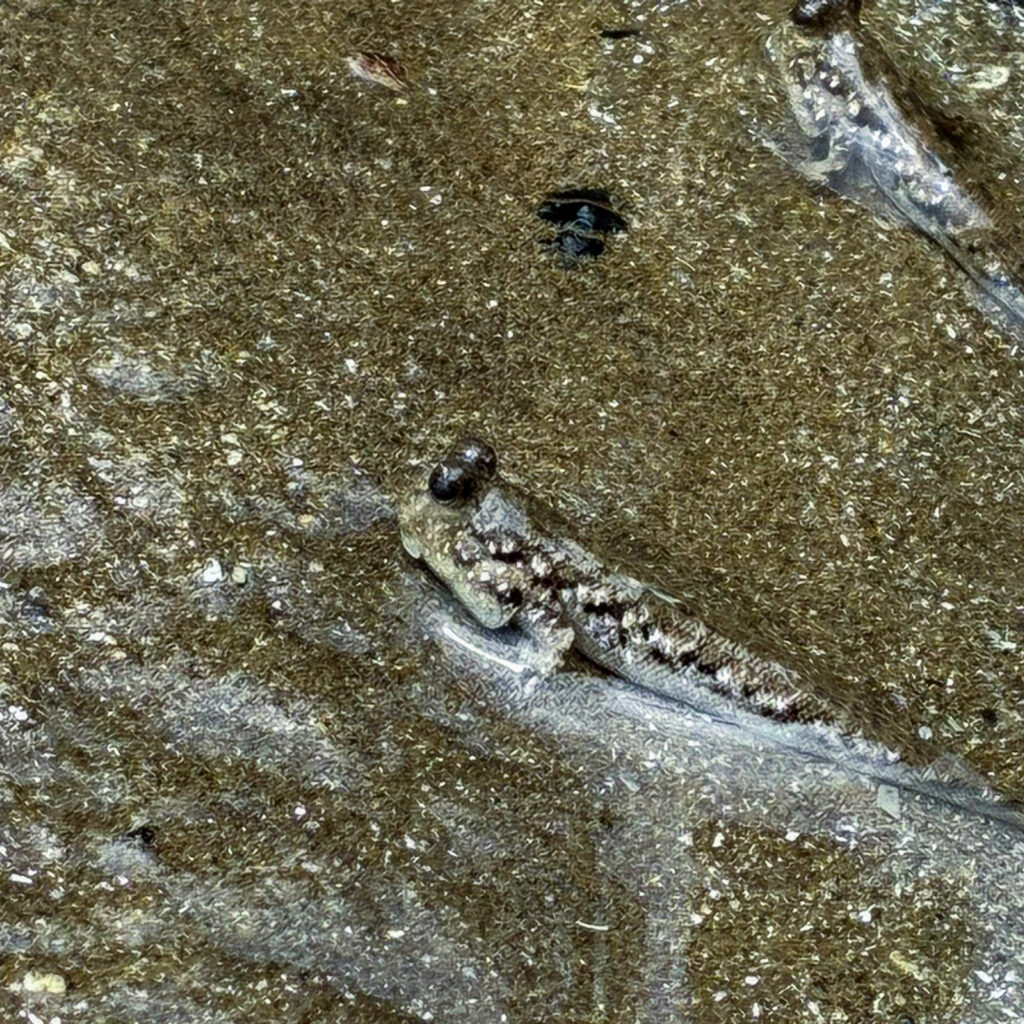
Although the beaches appear idyllic, swimming is generally discouraged due to:
- Strong currents
- Unpredictable tides
- Occasional crocodile sightings
Sample One-Day Itinerary
07:00 – Leave Kuching
08:00 – Arrive at Bako Boat Terminal
08:30 – Boat transfer to the park
09:00 – Explore the headquarters area and search for proboscis monkeys
10:00 – Hike Telok Paku Trail
12:00 – Lunch at the park canteen
13:00 – Hike Lintang Trail or Telok Pandan Kecil Trail
16:00 – Return to headquarters
16:30 – Boat back to Bako Terminal
17:30 – Return to Kuching
Why Stay Overnight?
While Bako is often visited as a day trip from Kuching, spending a night inside the park offers a very different experience. Once the day visitors leave, the rainforest becomes quieter, wildlife becomes more active, and visitors can experience the sounds of the jungle after dark. The atmosphere changes noticeably as the park settles into a slower rhythm and nocturnal creatures begin to emerge. Early morning walks before the first boats arrive often provide the best opportunities for wildlife sightings and photography. The soft morning light, cooler temperatures, and relative tranquillity create ideal conditions for exploring the park. Accommodation is simple but comfortable enough for travellers seeking a genuine rainforest experience. Staying overnight also allows visitors to experience a side of Bako that day-trippers rarely see.
Final Thoughts
Bako National Park perfectly showcases the natural wonders of Sarawak. It combines rainforest, wildlife, hidden beaches, dramatic coastal scenery, rare plant species, and accessible hiking trails into one unforgettable destination. Whether you come to photograph proboscis monkeys, search for carnivorous pitcher plants, hike through multiple ecosystems, or simply experience the wild beauty of Borneo, Bako delivers one of the most memorable nature experiences in Malaysia. For many visitors to Kuching, it becomes the highlight of their entire trip—and it is easy to understand why. Bako is more than just a national park. It is a microcosm of Borneo itself: wild, diverse, beautiful, and endlessly fascinating.





Follow the rest of the Malaysia series
- KUALA LUMPUR PHOTO ESSAY
- FOOD TOUR IN KUALA LUMPUR
- CHARMING GEORGETOWN
- GEORGETOWN PENANG STREET ART
- GEORGETOWN PENANG STEEL SCULPTURES
- KUALA LUMPUR FOOD TOUR
- Malaysia through the eyes of a child
- OUR 2025 MALAYSIA ITINERARY
- KUALA LUMPUR THINGS TO DO
- RINGLET, OFFBEAT CAMERON HIGHLANDS
- KUCHING THINGS TO DO
RESPONSIBLE TRAVELING-BECAUSE I CARE


