7 Treks in Nepal for Every Kind of Traveler: From First-Time Hikers to High-Altitude Adventurers
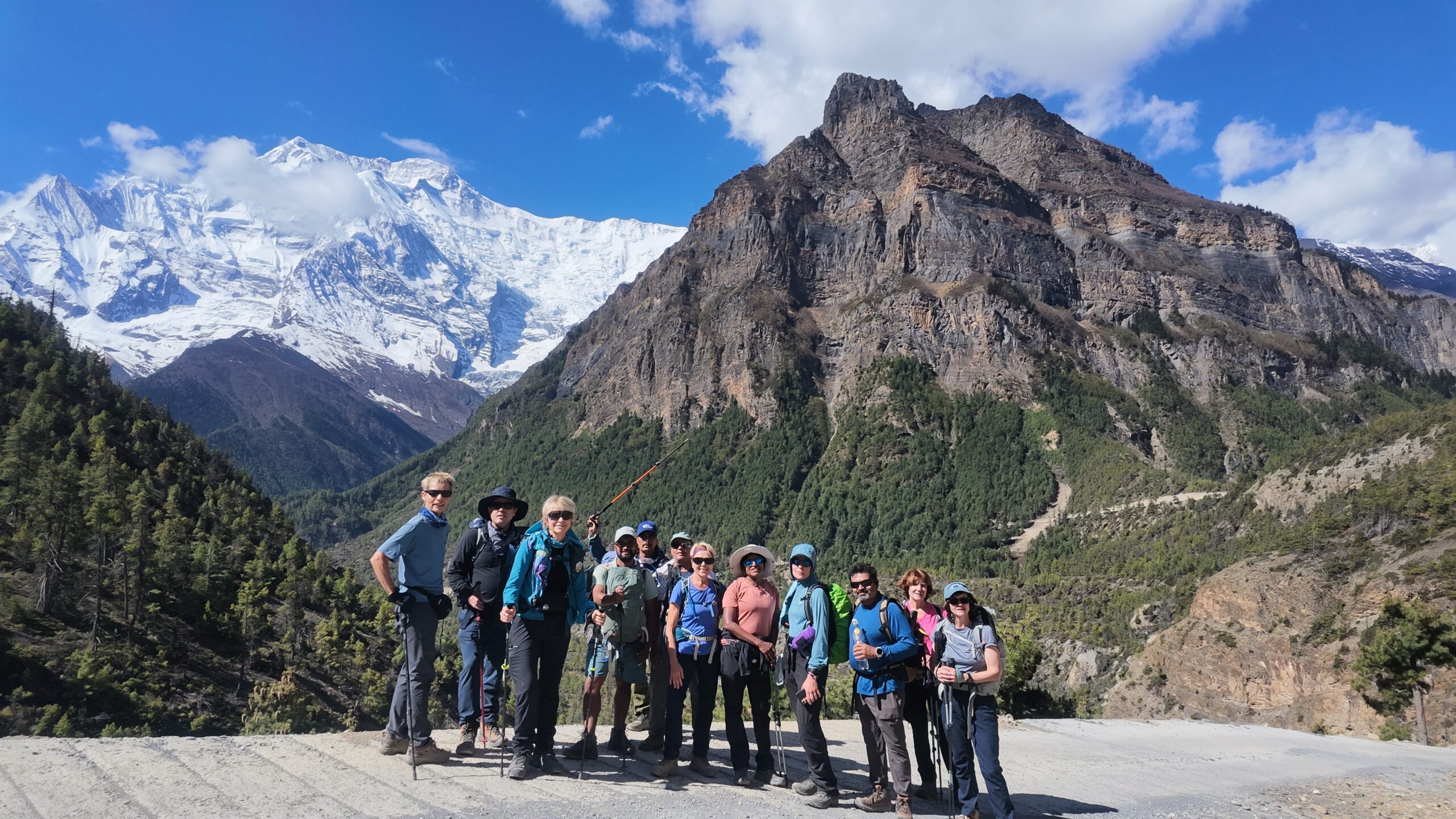
Nepal is often introduced through its biggest names: Everest, Annapurna, and Manaslu. Yet a trek here is not chosen by a mountain name alone. What kind of journey do you actually want? Some travelers have five days and want a Himalayan sunrise. Others have two weeks, strong legs, and prefer quieter valleys. A few are ready for cold mornings above the tree line, when every step needs patience. Its trails pass through villages, forests, monasteries, river gorges, high pastures, and glacial landscapes. There is no universal “best” trek, only the route that fits your time, confidence, and curiosity. Here are seven journeys that show Nepal’s range.
1. Ghorepani Poon Hill Trek: A First Taste of the Himalayas
Poon Hill is a good starting point for people new to multi-day trekking. It fits easily into a wider Nepal trip, with early starts, warm lodge meals, and rain on the roof at night. The trail climbs through terraced hillsides and rhododendron forest, linking Magar and Gurung villages. There are steep stone steps before Ghorepani, but the altitude is moderate and the walking days suit people with basic fitness. The early walk to Poon Hill explains its appeal. In the dark, headlamps move uphill in a quiet line. Then the horizon brightens, revealing Dhaulagiri, Annapurna South, Nilgiri, Hiunchuli, and Machhapuchhre. Four to six days is usually enough. It is scenic without demanding a major expedition schedule.
2. Mardi Himal Trek: A Short Route with a Wild Feel
Mardi Himal begins in a damp forest, where moss hangs from branches and clouds settle between the trees. Higher up, the forest falls away, and the route follows a ridge beneath Machhapuchhre. That change is the point. One day you are walking among oak and rhododendron; the next, looking across open slopes toward Annapurna South and Hiunchuli. The mountains feel close rather than distant. The route usually takes five to seven days. It works well for active travelers with limited time, although the climb to High Camp can feel demanding. The upper ridge is exposed, and clear mornings are best. It suits people who want fewer distractions and more time looking up.
3. Annapurna Base Camp Trek: The Complete Journey
The Annapurna Base Camp trek gives you village life, river crossings, bamboo forest, stone staircases, long uphill sections, and a final approach into one of Nepal’s most dramatic mountain settings. The trail passes Ghandruk, Chhomrong, Bamboo, Dovan, and Deurali. Lower villages have terraces and early roosters; higher up, the valley narrows, and the forest gives way to rock. By the time you reach the Annapurna Sanctuary, the setting has changed completely. Annapurna I, Annapurna South, Hiunchuli, Gangapurna, and Machhapuchhre rise around the basin. It feels less like reaching a viewpoint and more like stepping into a natural amphitheatre. The route normally takes eight to twelve days and suits travelers considering a detailed Annapurna Base Camp trek itinerary, without the same altitude exposure found on Everest or Manaslu. Nepal Hiking Team often sees travelers choose Annapurna Base Camp because it balances mountain scale with village culture and a comfortable teahouse rhythm.
4. Langtang Valley Trek: Mountains with a Quieter Pulse
Langtang is close enough to Kathmandu to be practical, but once you begin walking, it feels far away. From Syabrubesi, the trail follows the Langtang River through forest and settlements before opening into a high valley. The region has a strong Tamang and Buddhist character. Prayer wheels, mani walls, monasteries, yak pastures, and stone houses give it a different atmosphere from the Annapurna foothills. Kyanjin Gompa is the trek’s natural centre. Many people stay an extra day to walk to Kyanjin Ri or another nearby viewpoint. Langtang Lirung dominates the skyline, while glaciers and high ridges frame the valley. Seven to ten days is realistic. No domestic flight is required, making Langtang a good choice for travelers who value quieter trails and cultural texture.
5. Everest Base Camp Trek: The Famous Trail, Properly Understood
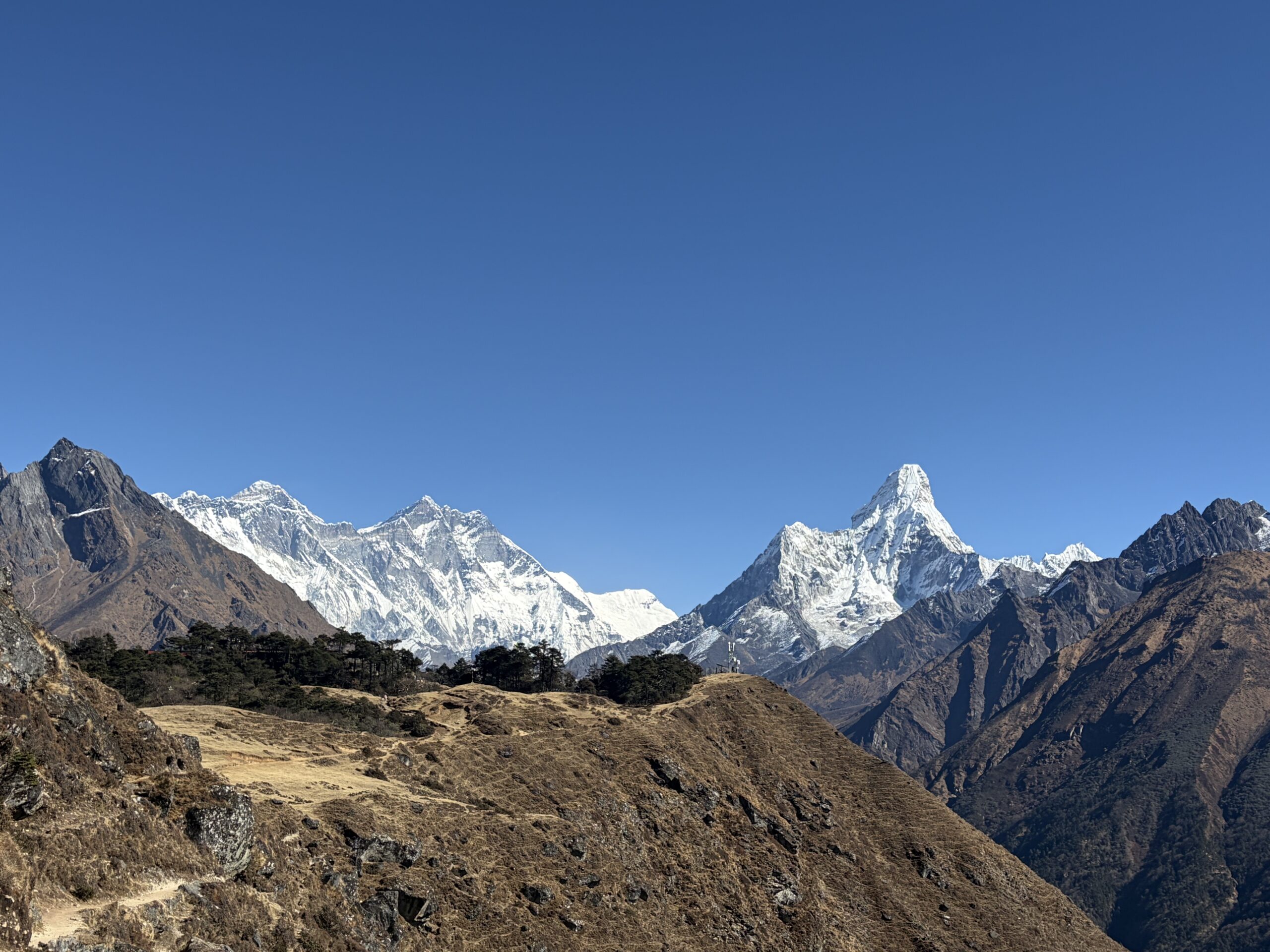
Everest Base Camp is famous for a reason, but it should not be treated as a quick box to tick. Altitude changes the pace, weather affects flights and plans, and the best journeys leave room for acclimatisation. The trail begins from Lukla and passes through Phakding, Namche Bazaar, Tengboche, Dingboche, Lobuche, and Gorak Shep. Bridges span deep valleys, and Sherpa villages sit beneath famous peaks. Tengboche is one of the route’s striking stops. The monastery sits beneath Ama Dablam, a mountain that changes shape with every bend. Above Dingboche, the landscape becomes drier and more exposed. Reaching base camp is meaningful, but the route is bigger than its final marker. Everest, Lhotse, Nuptse, Pumori, and Ama Dablam are part of the journey long before you arrive. Give it twelve to sixteen days. Anything faster deserves careful thought.
6. Manaslu Circuit Trek: For Space, Silence, and a Serious Pass
Manaslu feels more remote because it is. The trek follows the Budhi Gandaki Valley, rising gradually from green lower hills into high country shaped by rock, ice, and Tibetan Buddhist culture. Namrung, Lho, Samagaun, and Samdo are part of the reason to come. Prayer flags stretch across the trail, mani walls edge the paths, and monasteries sit above stone-built homes. The major test is Larkya La Pass. It begins before sunrise, often in cold conditions. Good acclimatisation is essential. The reward is a wide, high landscape that makes the effort understandable. Most travelers need fourteen to eighteen days. It suits people comfortable with simple mountain lodges, long walks, and a journey that improves as it gets further from the road.
7. Everest Three Passes Trek: The Full Khumbu Challenge
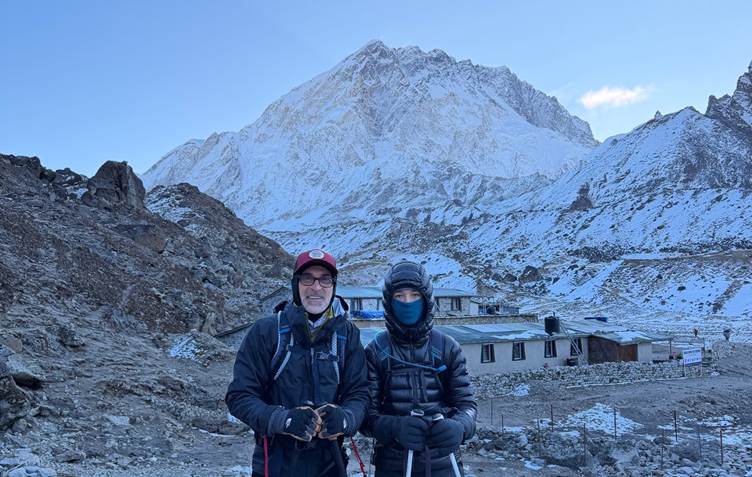
The Three Passes Trek is for trekkers who want to go beyond Everest Base Camp and are ready for the work that comes with it. It links Kongma La, Cho La, and Renjo La, while also visiting Kala Patthar, Gokyo, and less-travelled parts of the Khumbu. The days can be long. The passes are high. Snow, wind, uneven terrain, and early starts are normal. It is not technical mountaineering, but it demands careful preparation. What makes it special is the variety. One day you may cross a rocky pass above a glacier; another, look over the turquoise Gokyo Lakes. Everest appears from different angles, and the route feels less like a straight line toward a single goal. Allow eighteen to twenty-one days. Fitness and sound judgement both matter.
Choosing Your Trek
Choose your trek according to the experience you want, not the story you think you should tell afterward. Poon Hill and Mardi Himal work beautifully for shorter holidays. Annapurna Base Camp offers a rich introduction to longer trekking. Langtang brings culture and mountain scenery without a flight. Everest, Manaslu, and the Three Passes demand more time, stronger preparation, and respect for altitude. The best days are often the unplanned ones: tea in a warm kitchen, clear weather after two cloudy afternoons, or a mountain appearing just when you had stopped looking for it. That is what makes Nepal’s trails stay with people. Their slower rhythm gives every day a different reason to keep walking.
Follow the rest of the Top Experiences series
- TOP TWENTY THINGS TO DO IN EGYPT
- WHY YOU SHOULD VISIT MALTA
- TOP FUN THINGS TO DO IN HAMPI
- 10 HISTORICAL PLACES TO ROAM ACROSS THE WORLD
- 10 HISTORICAL MARVELS OF ITALY
- 10 BEST SHOWS IN EUROPE YOU MUST SEE
- DUBAI THRILLS: 7 MUST-DO ACTIVITIES
- 10 HISTORICAL MARVELS IN TURKEY TO ENJOY WITH KIDS
- MOST ENCHANTING PALACES IN EUROPE
- IN‑BETWEEN MOMENTS IN ASPEN
RESPONSIBLE TRAVELING-BECAUSE I CARE


