Kuching Things to Do
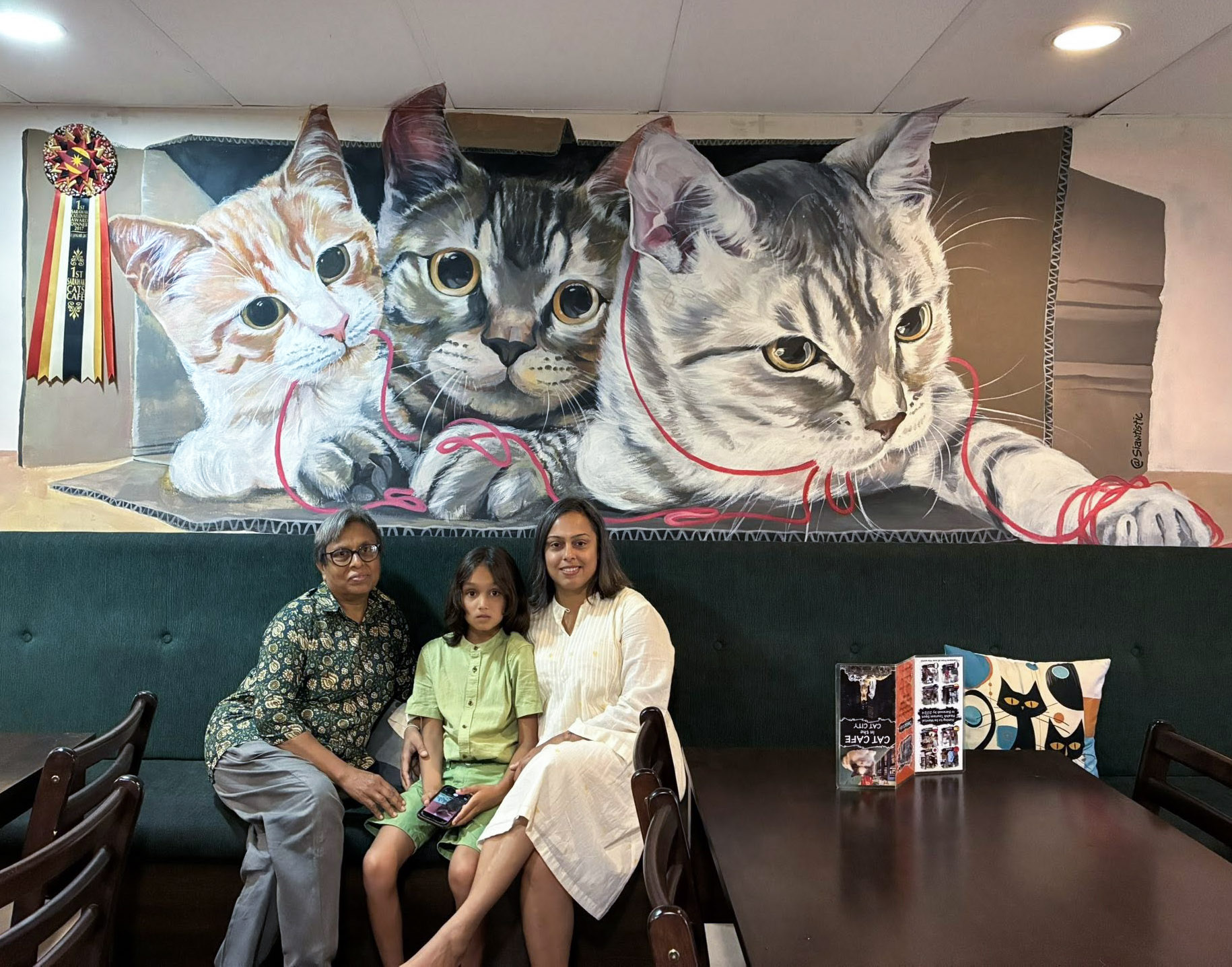
Located in Sarawak in Malaysian Borneo, Kuching is famously known as the cat city. It is also described as one of the safest places in Asia, along with the most liveable city in Malaysia. We absolutely loved Kuching. Apart from being safe and liveable, we found it very relaxing. The people are busy there, without being rushed, and the gentle city sprawls along the bends of the languid Sungai Sarawak. It is the perfect base for exploring Borneo´s rainforests and indigenous cultures, and the city itself is worth a day or two.
Why visit Kuching?
Kuching is compact, walkable, and has several excellent national parks and wildlife reserves within driving distance. As the gateway to Sarawak, the city is an ideal base for exploring nearby attractions such as Bako National Park, home to the rare proboscis monkey; Semenggoh Wildlife Centre, famous for its semi-wild orangutans; Kuching Wetlands National Park; Kubah National Park; and Gunung Gading National Park, known for the giant Rafflesia flower. The city is also a starting point for visits to traditional Bidayuh villages and Iban longhouses.
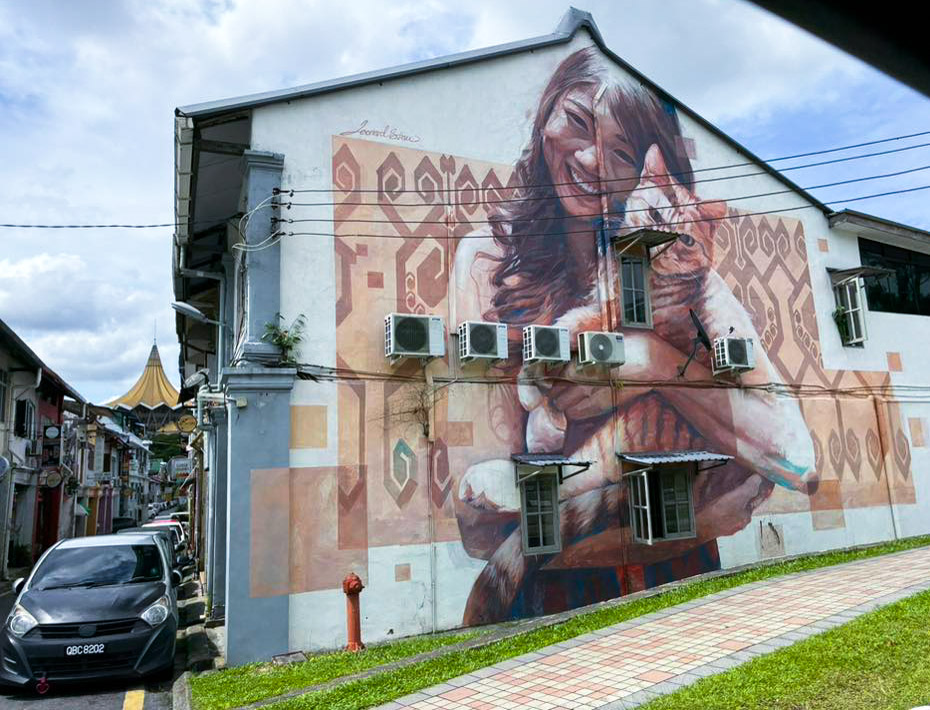
The city is very multicultural and photogenic with narrow, bustling streets, flamboyant Chinese temples, grand mosques, traditional wooden houses on stilts, colonial-era architecture, and state-of-the-art museums. Beautiful street art adorns many of its walls, and the city is dotted with quirky cat statues. The city’s beautifully landscaped Waterfront along the Sarawak River forms its social and cultural heart, offering scenic views, riverside cafés, food stalls, and historic landmarks. Many of Kuching’s most important sights, including the Sarawak Museum, the Old Courthouse, the Post Office, the Square Tower, Fort Margherita, the Astana Palace, and the Brooke Gallery, are located within a short distance of the city centre.
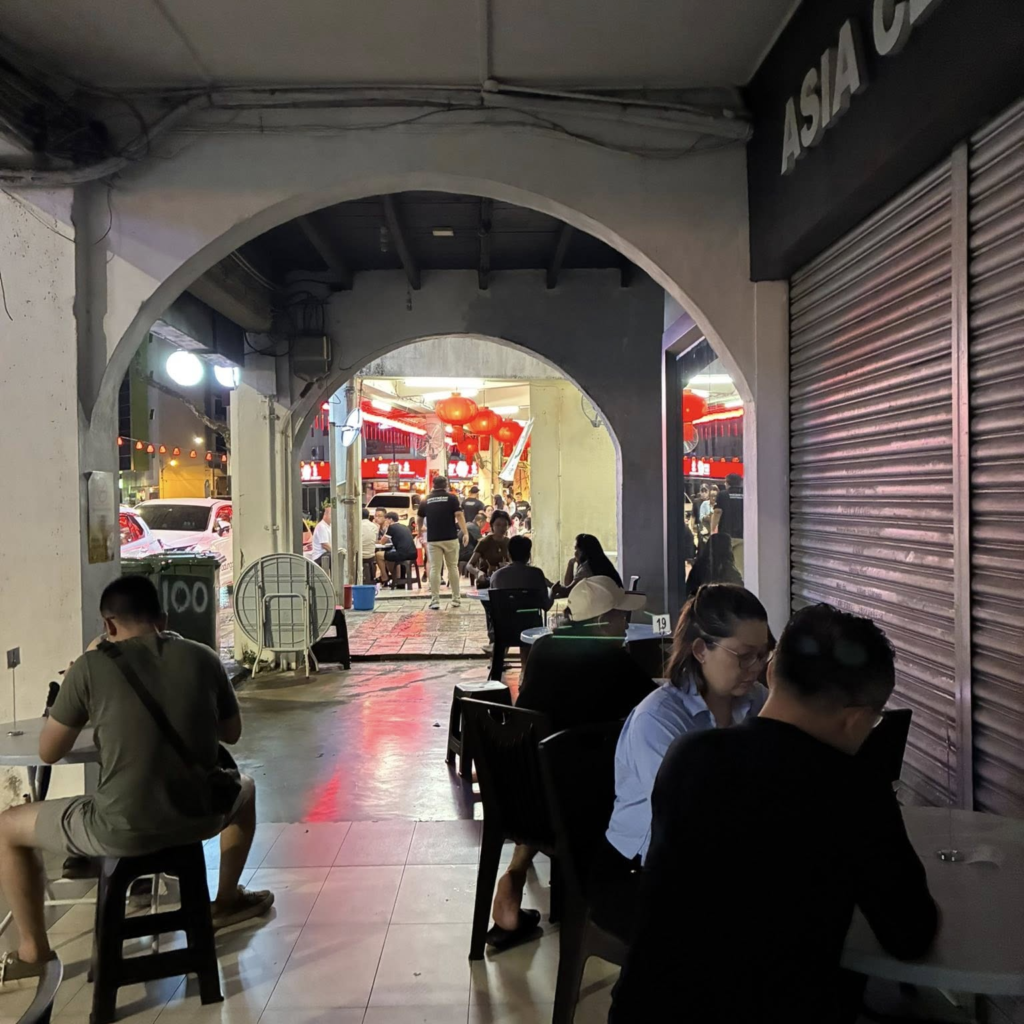
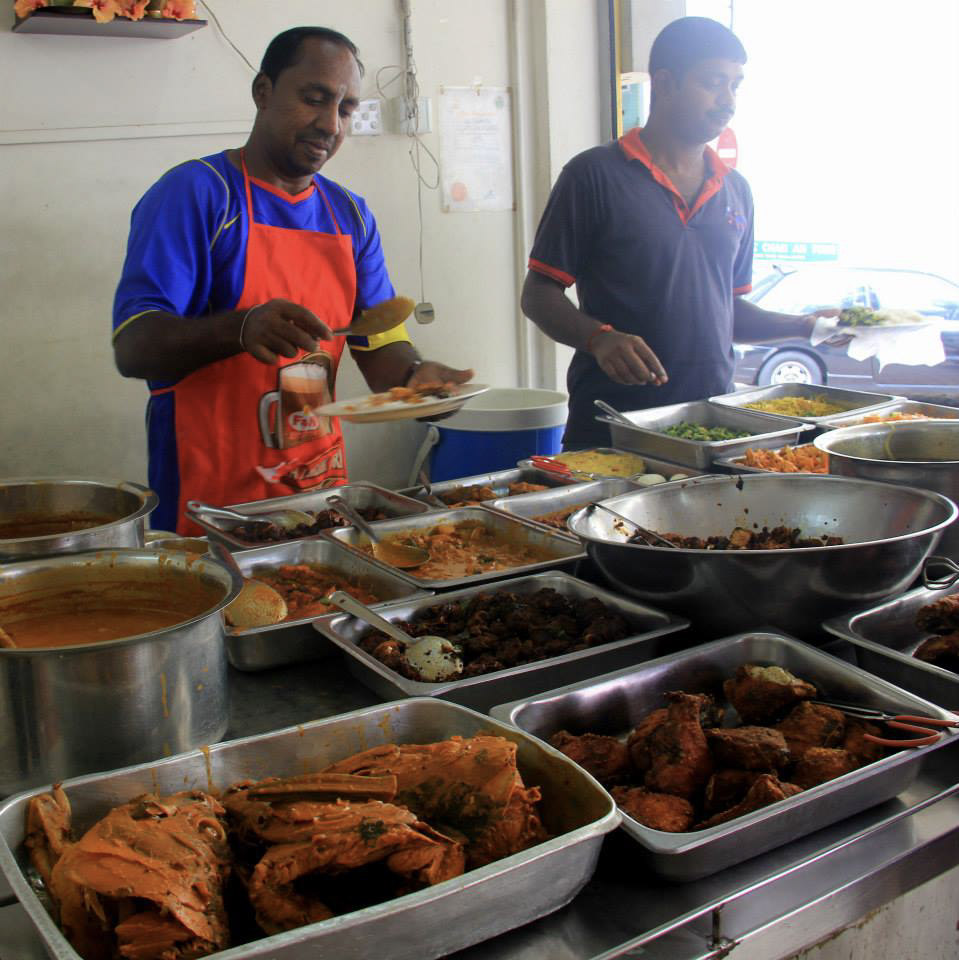
Kuching has some world-class restaurants that specialise in local Dayak cuisine, and its shops sell a myriad of exotic curios. It is a big city with a small-town feel, and it is a place where mornings include the ritualistic mid-morning kopi o’ (local coffee) and a breakfast of Sarawak laksa or kolo mee. Incidentally, Kuching was designated a UNESCO Creative City of Gastronomy because of its rich culinary traditions, and it is now a member of the UNESCO Creative Cities Network. Street food is a big thing in Kuching. There are numerous stalls and coffee shops dotted around the city where you can try local cuisine. Over recent years, a wide range of cafés, bistros, bars, and restaurants have mushroomed all over the city, and these cater to tourists and locals alike.
A brief history
Apart from its food culture and proximity to the national parks, Kuching brings with it a whiff of a romantic past. It has a long history of indigenous communities, sultans, traders, warriors, and White Rajahs, all of which contribute to Kuching’s rich architectural heritage and the warm hospitality of its residents. Long before the city was founded, the region was home to the Bidayuh and other Dayak peoples, who lived along the rivers and in the surrounding hills, trading forest products and maintaining vibrant cultural traditions.
The capital city of Sarawak was founded in 1827 by a representative of the Sultanate of Brunei. The discovery of valuable antimony deposits upriver drew many other interested parties, and in 1841, when the British adventurer James Brooke helped the Bruneian authorities suppress a local rebellion, he was rewarded with the governorship of Sarawak. He became the first “White Rajah” in 1842 and made Kuching the seat of his government. The Brooke family strove to develop Kuching, and they brought about many infrastructural changes. They built hospitals, sanitation systems, prisons, forts, and marketplaces, thus transforming the settlement into an important administrative and trading centre.
World War II saw Kuching occupied by Japanese forces, and after their surrender, the city was returned to British control. With the formation of Malaysia in 1963, Kuching retained its role as the capital of Sarawak, and it officially received city status in 1988. Its name is commonly associated with the Malay word kucing (“cat”), although its true origin remains uncertain. Despite this, the cat has become the city’s beloved symbol, earning Kuching the nickname “Cat City.”
What to eat in Kuching
Kuching was the perfect jumping-off base to Borneo, and we had a wonderful riverfront apartment there. Our days were spent walking around, sampling its famous cuisine, and visiting the national parks. Being food lovers, we spent a lot of time exploring its culinary scene, which reflects the perfect blend of Malay, Chinese, Indian, and indigenous Dayak influences and the extraordinary biodiversity of Borneo. In general, we skipped the posh restaurants and focused on bustling hawker centres and traditional kopitiams. Our favourite dish was Sarawak Laksa, Kuching´s signature dish. It is an aromatic noodle soup that combines rice vermicelli with a rich broth made from spices, coconut milk, shrimp stock, and local herbs, topped with chicken, prawns, omelette strips, bean sprouts, and coriander. Another local favourite is Kolo Mee, a delicious noodle dish made with springy egg noodles tossed in a savoury sauce and topped with char siu (barbecued pork), minced pork, spring onions, and fried shallots.
The city´s Chinese coffee shops and hawker centers serve popular pork dishes like char siu (sweet barbecued pork), sio bak (crispy roast pork belly), char siu rice, and the famous three-layer pork rice, featuring alternating layers of tender meat and fat roasted to perfection. Another local speciality is Kuching-style pork satay, which differs from the more common chicken and beef versions found elsewhere in Malaysia. Many locals also swear by kampua noodles, a simple noodle dish originating from the Foochow community and often served with sliced pork or char siu.
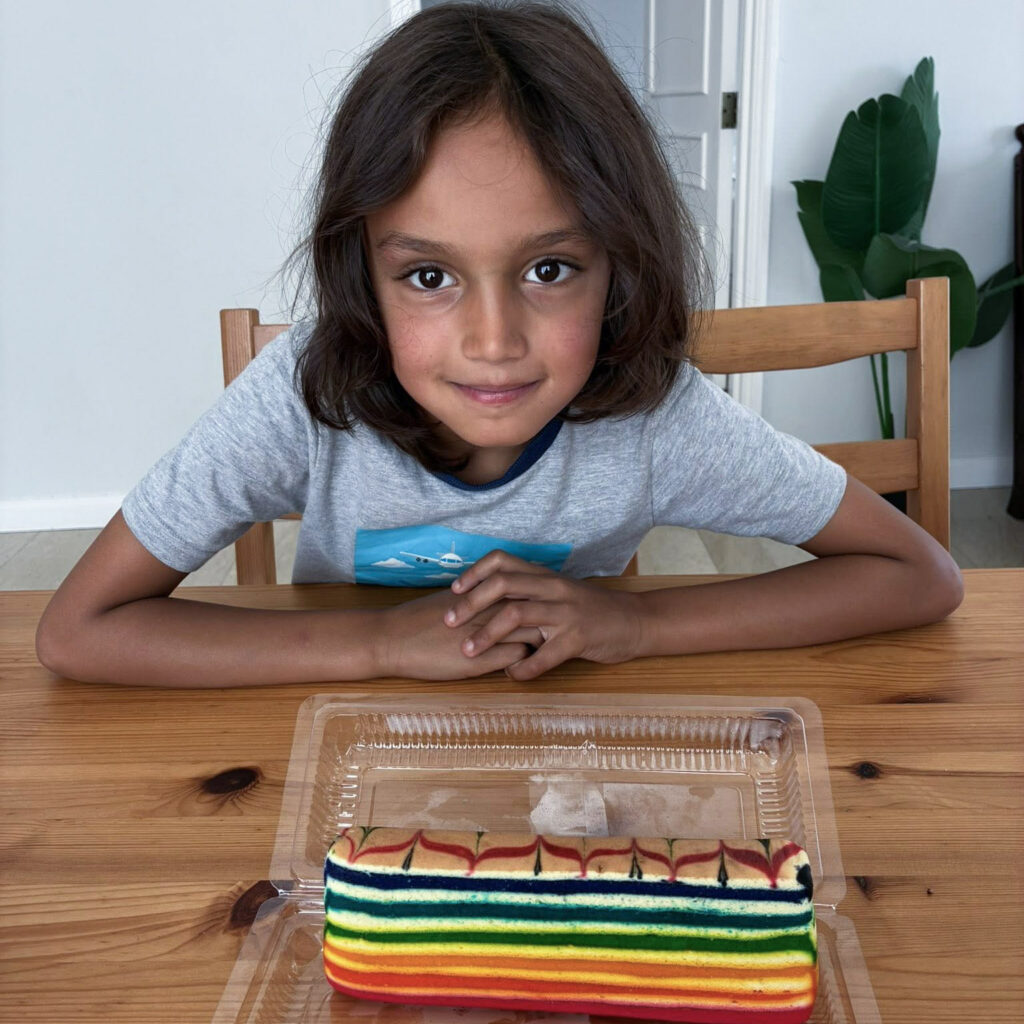
The best of the indigenous dishes are midin belacan, a crunchy jungle fern found only in Borneo; ayam pansuh, chicken cooked inside bamboo using traditional indigenous methods; and oyster pancakes, a local speciality featuring preserved oysters in a crispy pancake. Since no culinary journey through Kuching would be complete without trying Kek Lapis Sarawak (Sarawak Layer Cake), one of the state’s most famous delicacies, we bought a couple of these colourful, layered cakes before leaving Kuching. Influenced by Dutch and Indonesian baking traditions, these famous colourful cakes are made from dozens of individually baked layers and often feature intricate geometric patterns and vibrant colours.
Food in Kuching is more than just a meal—it is one of the best ways to experience Sarawak’s history, cultures, and communities. Whether you’re enjoying laksa at a roadside coffee shop, sampling indigenous Dayak cuisine, savouring perfectly roasted pork at a Chinese eatery, tasting fresh seafood overlooking the river, or browsing the stalls of Satok Weekend Market, every dish tells a story about Borneo and the people who call it home.
Things to Do in Kuching
Explore the Kuching Waterfront
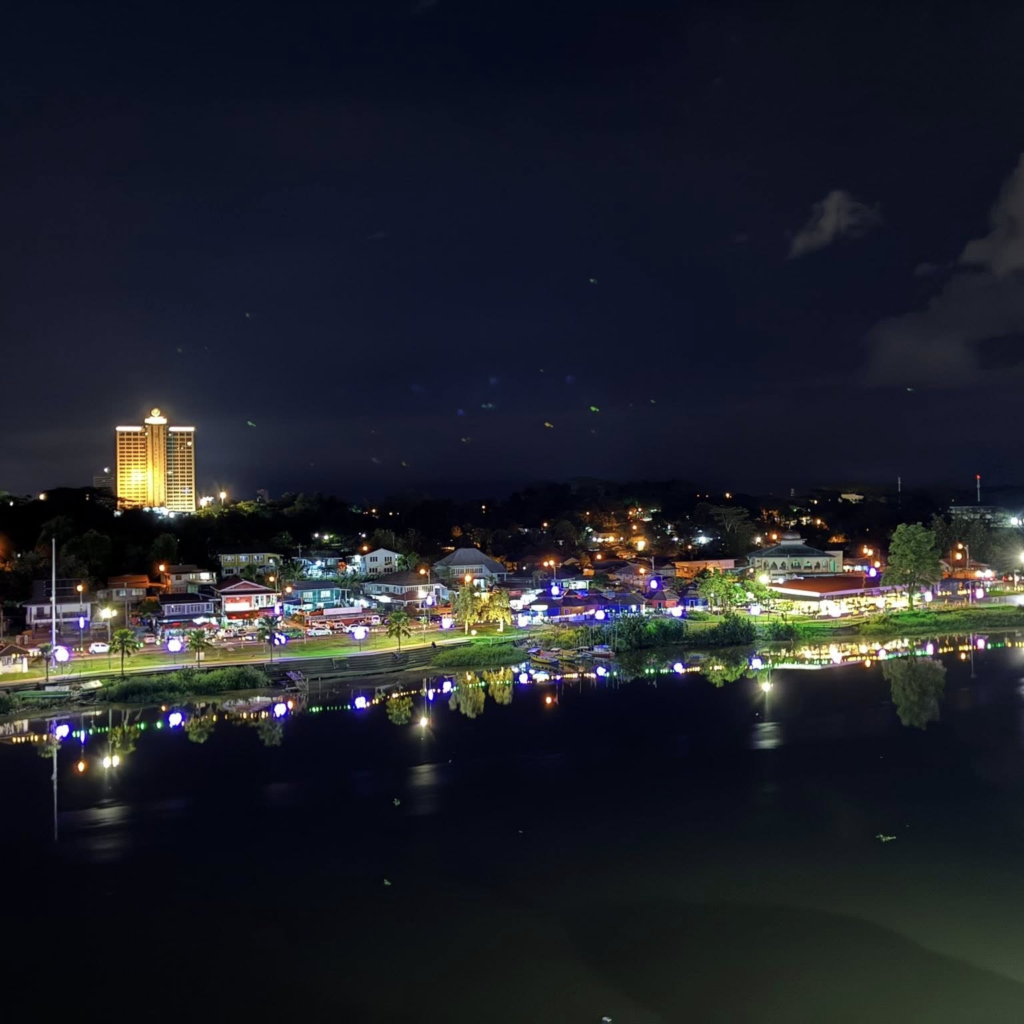
The best place to begin is the Kuching Waterfront, a nearly two-kilometre promenade stretching along the Sarawak River. It offers beautiful views of landmarks such as the Astana Palace, Old Courthouse, India Mosque, and the Sarawak State Legislative Assembly Building, especially at sunset when the riverside comes alive with music, food vendors, and families enjoying the cooler evening temperatures.
Cross the Darul Hana Bridge
Connecting the two sides of the city, this elegant Darul Hana Bridge, a 335-metre pedestrian bridge, is inspired by the wings of the hornbill, Sarawak’s state bird. It offers panoramic views of the Sarawak River, Fort Margherita, and Kuching’s skyline and is particularly impressive when illuminated at night.
Take a Sarawak River Cruise
One of the best ways to appreciate Kuching’s riverside setting is from the water on a traditional tambang boat ride or a sunset river cruise.
Discover Kuching’s Museums
Kuching has some of the finest museums in Malaysia, and these include the Sarawak Museum, Borneo Cultures Museum, and Chinese History Museum to learn about Borneo’s indigenous cultures, biodiversity, and colonial history.
Visit the Cat Museum and Hunt for Cat Statues
Kuching´s Cat Museum contains more than 4,000 cat-related exhibits, ranging from historical artefacts to artwork and memorabilia. The city is dotted with numerous cat statues, the most famous being the large cat family statue near Jalan Tuanku Abdul Rahman. Photographing these feline landmarks has become something of a Kuching tradition. Cat lovers can also visit one of the city’s cat cafés, where resident cats happily share the space with customers enjoying coffee and cake.
Explore the Brooke Heritage
The legacy of the White Rajahs can be seen at Fort Margherita, built in 1879 to defend Kuching from pirate attacks. It now houses the Brooke Gallery, which tells the story of the Brooke dynasty and its influence on Sarawak. Nearby landmarks such as the Astana Palace, Old Courthouse, and Square Tower provide further insights into Kuching’s colonial past.
Visit Tua Pek Kong Temple
Located near the waterfront, Tua Pek Kong Temple is the oldest Chinese temple in Kuching. It dates from 1843, and has survived floods, fires, and wartime bombing. Today, it is an active place of worship and offers a fascinating glimpse into the city’s Chinese heritage and religious traditions.
Wander Through Chinatown and Padungan
Carpenter Street, Main Bazaar, and the Padungan district offer some of Kuching’s most atmospheric streets. Traditional shophouses, Chinese temples, street art, cafés, bars, bakeries, and local businesses create a vibrant urban landscape. The area is particularly enjoyable for leisurely walks, café-hopping, and discovering hidden murals depicting orangutans, cats, and scenes of everyday Sarawakian life.
Visit Satok Weekend Market
For an authentic glimpse into local life, spend a morning at Satok Weekend Market. The market sells everything from tropical fruits and jungle produce to handicrafts, traditional medicines, flowers, and local delicacies. It is one of the best places to sample Sarawak laksa, kolo mee, traditional desserts, and colourful Kek Lapis Sarawak.
Explore Semenggoh Wildlife Centre
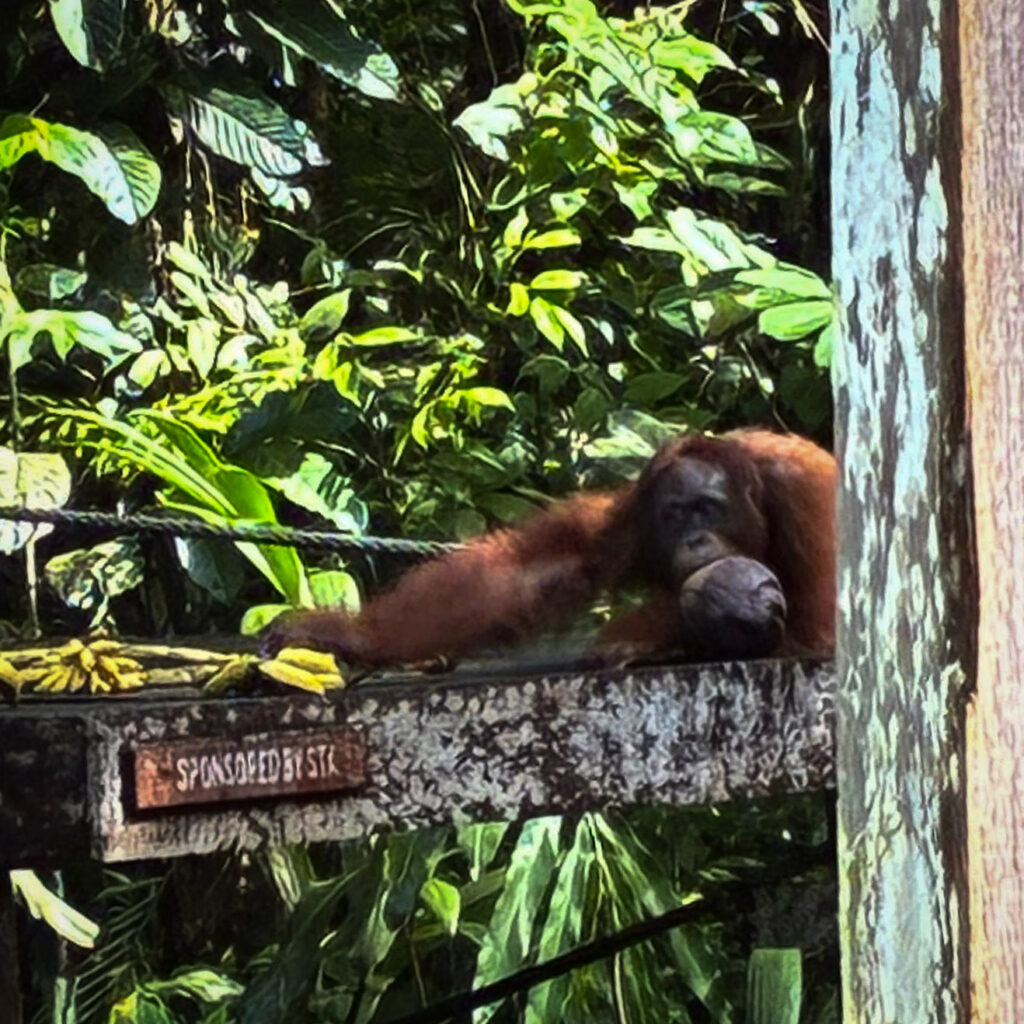
Located less than 25 kilometres from the city, Semenggoh Wildlife Centre offers one of the best opportunities in Borneo to observe semi-wild orangutans. Established as a rehabilitation centre for rescued and orphaned orangutans, the reserve allows these animals to roam freely while occasionally returning for feeding sessions. The best chances of seeing them are during the morning and afternoon feeding sessions.
Kayak Along Sungai Sarawak Kiri
For a more adventurous experience, join a guided kayaking trip along Sungai Sarawak Kiri. The approximately 11-kilometre route passes rainforest scenery, mangrove-lined riverbanks, limestone formations, and small waterfalls. Many tours include lunch in a traditional Bidayuh village, providing an opportunity to experience local hospitality and rural life.
Visit Annah Rais Longhouse
One of the most fascinating cultural experiences near Kuching is a visit to Annah Rais Longhouse, a traditional Bidayuh village located about 60 kilometres from the city. The longhouse is over 200 years old and still retains many traditional features. Visitors can explore communal areas, bamboo walkways, and the Baruk, a ceremonial house displaying real human skulls from the era when headhunting formed part of intertribal warfare and spiritual traditions. Although headhunting disappeared long ago, the village offers a rare insight into Sarawak’s indigenous history and culture.
Explore Bako National Park
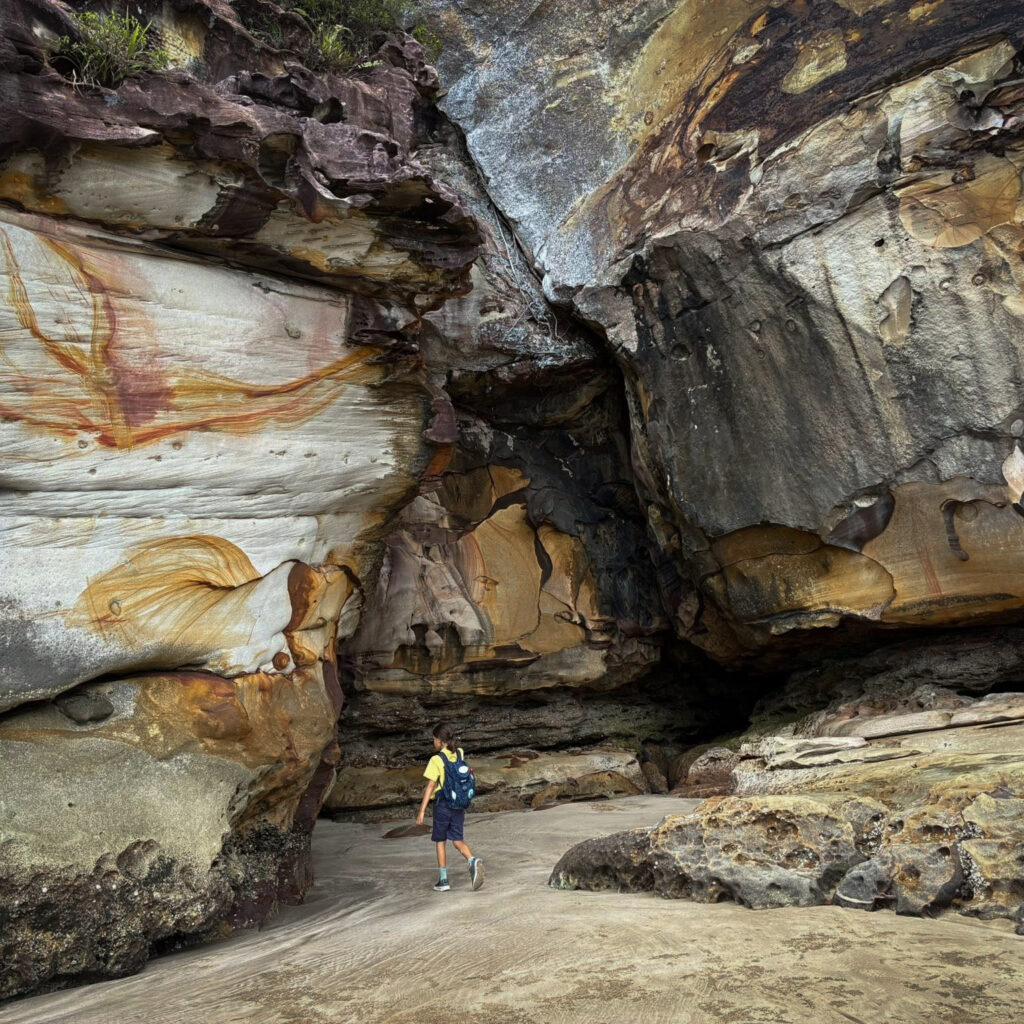
Located approximately 26 kilometres from the city, Bako National Park is Sarawak’s oldest national park and one of the best places in Borneo to observe wildlife. Despite its relatively small size, it contains a remarkable variety of habitats, including rainforest, mangroves, beaches, cliffs, and heath forest. Visitors often encounter proboscis monkeys, silvered leaf monkeys, wild boars, monitor lizards, and numerous bird species. Those with more time can stay overnight and join guided night walks to search for flying lemurs, snakes, spiders, and other nocturnal wildlife.
Discover Bau, Fairy Cave, and Siniawan
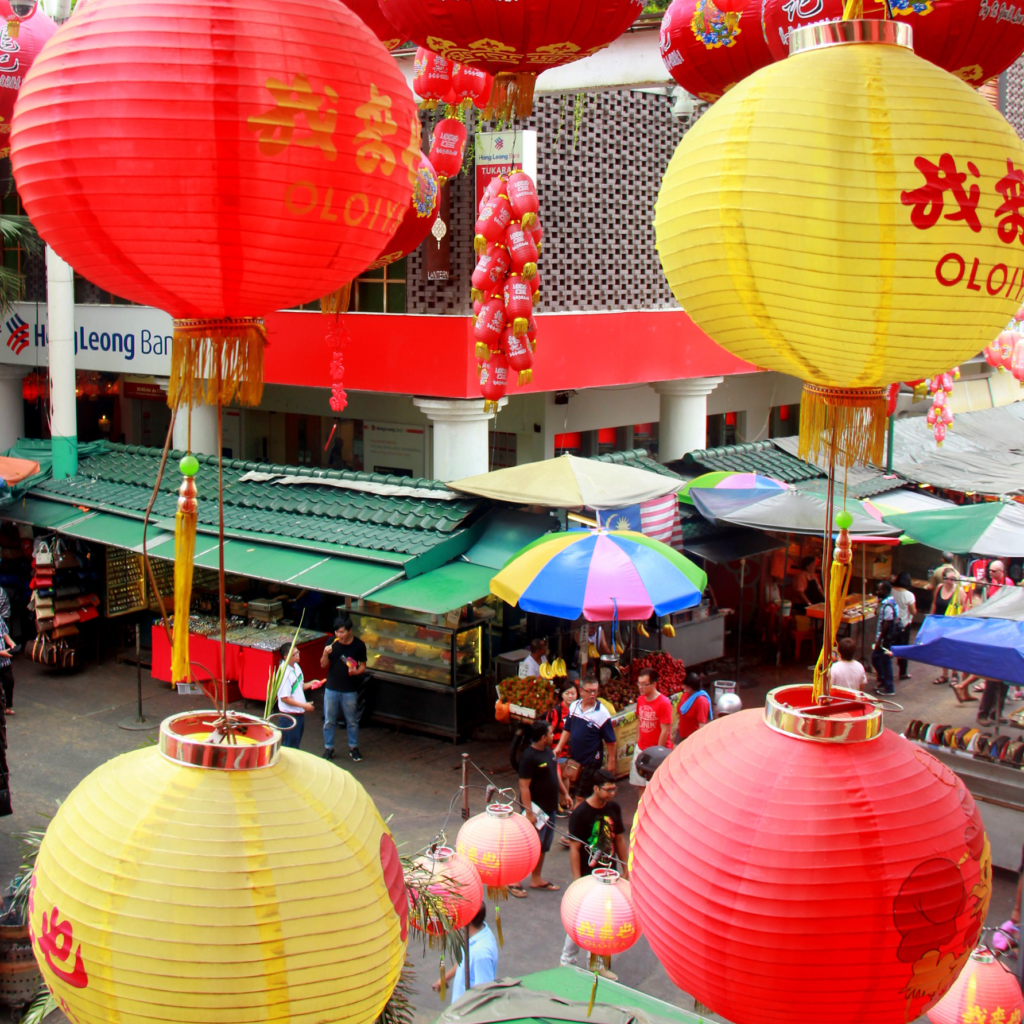
The historic gold-mining district of Bau makes an excellent day trip from Kuching. Highlights include Fairy Cave, Wind Cave, and the picturesque Blue Lake. Nearby Siniawan Old Town is particularly charming on weekend evenings when red lanterns illuminate its century-old wooden shophouses and bustling street-food stalls.
Visit the Sarawak Cultural Village
Often described as a “living museum,” the Sarawak Cultural Village showcases the traditional lifestyles of Sarawak’s major ethnic groups, including the Iban, Bidayuh, Orang Ulu, Melanau, Malay, Chinese, and Penan communities. Cultural performances, craft demonstrations, and authentic traditional houses make it one of the state’s most popular attractions.
Explore Kuching Wetlands, National Park
Covering more than 6,600 hectares of mangrove forests and tidal waterways, the Kuching Wetlands are best explored by boat. Wildlife enthusiasts may encounter proboscis monkeys, crocodiles, sea eagles, otters, fireflies, and even Irrawaddy dolphins.
Hike Mount Santubong
For more adventurous travellers, Mount Santubong offers one of the region’s most challenging hikes. Although only 810 metres high, the climb involves steep jungle trails, ropes, and rock scrambling. The summit rewards hikers with spectacular views across the South China Sea and Sarawak’s coastline.
Visit Satang Island
Part of Talang-Satang National Park, Satang Island is known for its turtle conservation programme and coral reefs. Visitors may see endangered green and hawksbill turtles, snorkel in clear waters, and learn about marine conservation efforts.
Attend the Rainforest World Music Festival
If visiting in June, don’t miss the internationally renowned Rainforest World Music Festival, held near Mount Santubong. Combining indigenous music, international performers, workshops, crafts, food, and rainforest scenery, it is one of Southeast Asia’s most unique cultural events.
Practical Travel Tips
Best Time to Visit
The best time to visit Kuching is during the drier season from April to October. Although rain can occur throughout the year in Borneo, these months generally experience fewer prolonged downpours and are better suited for outdoor activities such as hiking, wildlife spotting, and exploring national parks. Even during the dry season, brief tropical showers are common, so carrying a light rain jacket or umbrella is advisable. If you would like to experience Sarawak’s vibrant cultural celebrations, consider visiting in June, when the state celebrates Hari Gawai, the annual harvest festival of the Dayak people, as well as the internationally acclaimed Rainforest World Music Festival near Mount Santubong. December and January are typically the wettest months and can make jungle trekking, cave exploration, and some wildlife excursions more challenging.
Getting There
By Air
Most visitors arrive via Kuching International Airport (KCH), the main gateway to Sarawak. The airport offers direct flights from Kuala Lumpur, Kota Kinabalu, Penang, Johor Bahru, Singapore, and Jakarta. It is located only about 20 minutes from the city centre by taxi or Grab.
By Land
Kuching is not connected to Peninsular Malaysia by road or ferry, so most travellers arrive by air. However, overland travel is possible from other parts of Sarawak and from neighbouring Kalimantan (Indonesia). Long-distance buses operate from Kuching Sentral Bus Terminal, approximately 20 minutes from both the city centre and the airport. Regular services connect Kuching with destinations such as Sibu, Bintulu, Miri, and Pontianak in Indonesia. Many coaches are modern, air-conditioned, and surprisingly comfortable, making bus travel an affordable option for exploring the region.
Getting Around
Kuching is one of the easiest cities in Malaysia to explore independently.
- Walking is ideal in the city centre. Many attractions, restaurants, museums, and shops are concentrated around the Waterfront, Main Bazaar, Carpenter Street, and Padungan.
- Grab is inexpensive, reliable, and by far the easiest way to get around. Most journeys within central Kuching cost only a few ringgit.
- Public buses connect the city with attractions such as Bako National Park. While generally reliable, services can be infrequent, so it is important to check schedules in advance, particularly for return journeys.
- Car rental offers the greatest flexibility for exploring places such as Bau, Kubah National Park, Annah Rais Longhouse, and other attractions beyond the city. Driving is straightforward, although traffic and parking can occasionally be challenging in the city centre.
- Shared and private tours are extremely popular and remove the hassle of arranging transport. Tours are readily available for destinations such as Bako National Park, Semenggoh Nature Reserve, Kuching Wetlands National Park, Fairy Cave, Wind Cave, and the Sarawak Cultural Village. They can be booked online, through local travel agents, or via most hotels and hostels.
Travel Essentials
- Currency: Malaysian Ringgit (MYR)
- Time Zone: UTC +8
- Language: Malay and English are widely spoken
- Power Sockets: Type G (same as the UK and Singapore)
- SIM Cards: Easily available at Kuching International Airport and shopping malls. Existing Malaysian SIM cards generally work in Sarawak without issue.
Useful Travel Tip
Don’t hesitate to ask your Grab drivers for recommendations. Locals are often delighted to share their favourite food stalls, hidden cafés, markets, viewpoints, and lesser-known attractions that rarely appear in guidebooks.
Recommended Length of Stay
A stay of three to five days is ideal for most visitors. This allows enough time to explore Kuching’s heritage attractions, museums, food scene, and Waterfront, while also taking day trips to destinations such as Bako National Park, Semenggoh Wildlife Centre, Annah Rais Longhouse, or the Sarawak Cultural Village. Travellers wishing to explore more remote areas of Sarawak may want to stay for a week or longer.


Follow the rest of the Malaysia series
- KUALA LUMPUR PHOTO ESSAY
- FOOD TOUR IN KUALA LUMPUR
- CHARMING GEORGETOWN
- GEORGETOWN PENANG STREET ART
- GEORGETOWN PENANG STEEL SCULPTURES
- KUALA LUMPUR FOOD TOUR
- Malaysia through the eyes of a child
- OUR 2025 MALAYSIA ITINERARY
- KUALA LUMPUR THINGS TO DO
- RINGLET, OFFBEAT CAMERON HIGHLANDS
RESPONSIBLE TRAVELING-BECAUSE I CARE


