
The Slow Travel Secret: How to Enjoy Real Cultural Trips with Your Kids
Going on immersive cultural trips with your kids!! How feasible is that? Imagine you are putting in the hard work to plan a perfect trip to Subarna Island. You are standing right at the regional ticket counter, manually double-checking those seasonal ferry rates to make sure your travel details are perfectly accurate. Then, disaster strikes. Your two-year-old throws themselves face-down on the dusty floor, screaming loudly because their favorite cracker just broke in half. It is moments exactly like this that make parents want to quit taking vacations entirely. People often joke that traveling with a kid is just regular parenting done in a harder location without your helpful gear. We easily find ourselves missing our pre-baby trips. Back in the day, we could visit three museums before lunch, eat dinner late at night, and jump between cities every two days without breaking a sweat. However, taking a little one on the road does not have to ruin your travel dreams. In fact, a slow-moving toddler might actually be the best guide you could ever ask for. This is the magic of slow travel. Once you stop rushing and let go of crowded schedules, you unlock a deeply real cultural experience that fast-moving solo travelers always miss. Here is how hitting the brakes helps you truly connect with a beautiful new place.
The Myth of the “Ruined” Trip (And Why Slowing Down is Better)
The biggest mistake moms and dads make is trying to copy their old travel habits. They paste those old habits onto their new life with a baby. Toddlers have a very strict, natural speed limit. When we try to make them move faster than their bodies can handle, meltdowns happen. Parents often look at these limits as annoying problems. We get frustrated by the long naps, the constant need for snacks, or when our child simply refuses to take one more step. We feel a strong fear of missing out. It hurts to skip a world-famous art gallery just to sit on a regular park bench for an hour. But traveling fast usually means you are only skimming the top of a destination. Rushing from one big landmark to the next lets you take photos of a country, but it rarely lets you actually feel it. Slow travel is totally different. It is about choosing depth instead of rushing. It means picking fewer activities so you can enjoy them more fully. Because your toddler demands a slower pace, they naturally push you into the perfect rhythm for real cultural connection. You stop rushing. You start looking around.
What “Culture” Actually Means for Little Kids
When grown-ups think about getting to know a new culture, certain activities come to mind. Taking local cooking classes is a popular idea. Following a guide on a historical walking tour sounds like the perfect afternoon. Many people also picture having deep talks in a foreign language over a cup of coffee. Because a baby cannot do any of these adult things, parents often wrongly assume the child gets nothing out of the trip. For a little kid, learning about a new place is all about their senses. They do not care about old history. They care about what they can see, touch, smell, and hear today. Once you change your own mind to match how they see things, the whole map opens up to you.
The Local Grocery Store is a Free Museum
You cannot bring a loud, tired two-year-old into a quiet art museum without getting dirty looks. But you can definitely take them into a normal, neighborhood grocery store. In new countries, grocery stores are amazing playgrounds for the senses. Imagine walking through a busy local market in West Bengal. You can look at strange new fruits together. Your child can point at colorful packages they have never seen. You can smile and wave at the people working the cash registers. This simple activity gives you a direct, honest look at the ground reality of how locals live their daily lives in that city. There are no fancy tourist traps here, just real life.
The Neighborhood Playground is the Best Meeting Spot
Big tourist spots are always packed with other visitors, so you rarely meet locals there. If you actually want to meet real families, head to a neighborhood playground. Sitting on a wooden bench while your kid digs in the dirt might seem like a waste of vacation time. But just wait. You’re actually getting a perfect view of the community. You get to watch local parents play, hear the everyday language, and see neighbors chatting over shared snacks. Honestly, that’s true culture.
Riding the Bus is the Main Event
To an adult, riding a bus or sitting on a train is just the boring commute. It is the thing you do to reach the real attraction. To a small child, a bright double-decker bus or a loud train ride is the best part of the day. If you embrace slow travel, you let the ride become the main activity. Instead of getting annoyed by delays, you look out the window. You point out funny cars, local street signs, and animals.
The “Magnet Effect”: How Kids Help You Make Friends
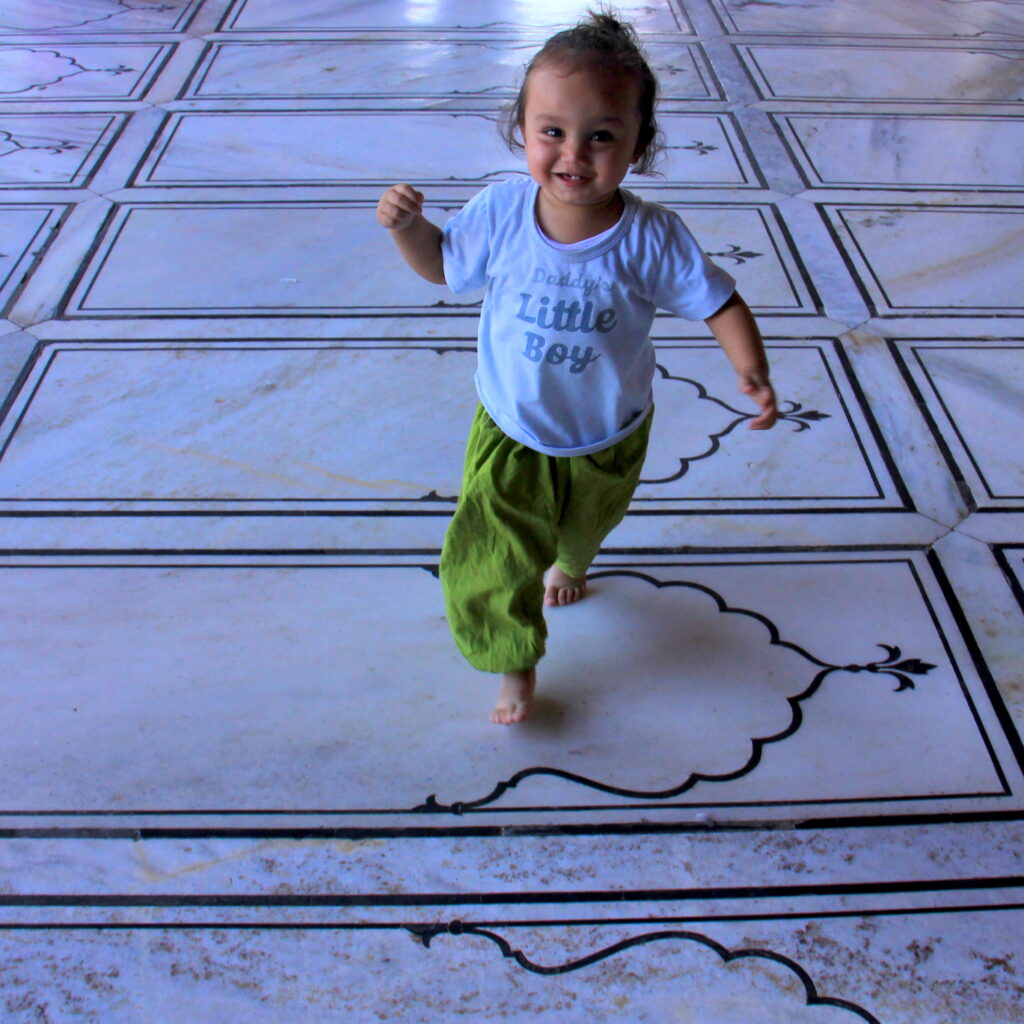
Traveling alone or as a couple makes it hard to meet everyday people. Most of your chats end up being with waiters or hotel workers. But bringing a baby along changes everything. Many parents call this the “Magnet Effect.” A young child shows people you are friendly, making locals much more likely to walk up and say hello. Picture a long, scenic drive from Dawki to Tawang. Those perfect memories rarely happen at crowded photo spots. Instead, the best moments happen when you pull over for an unplanned break at a roadside tea stall. While your toddler stacks river rocks or plays with a local dog, you sip a cup of tea. Very quickly, you find yourself having a real, friendly chat with the stall owner. Strangers who usually ignore tourists will often cross a street just to make a baby smile. Someone might offer your child fresh fruit or ask about your hometown. Even without speaking the local language, kids easily make friends. A simple smile works everywhere, turning your little one into the ultimate icebreaker.
Why Going Slow Stops the Meltdowns (The Science)
To understand why this slow method works so well, we need to look quickly at how a toddler’s brain works. Back at your house, your child’s world is totally safe and predictable. They know exactly where the soft couch sits, the color of their favorite cup, and what time the neighbor’s dog usually barks. When you pack them up and travel, you take away every single one of those comforting things. The lights in the hotel are too bright. The drinking water tastes funny. The street noise is much louder than home. Their normal daily routine is completely gone.
Grown-ups have mature brains. We can ignore background noise and easily get used to new smells and sounds. Toddlers cannot do this yet. They suck in one hundred percent of their environment all the time. This causes their little brains to get completely overwhelmed by too much sensory input. If we drag them to four different big tourist spots in a single afternoon, their nervous system just shuts down. They scream, cry, and throw themselves on the floor.
Taking things slow fixes this problem. Slow travel gives their brains the empty, quiet time needed to handle the new place. By staying at one spot for a longer time, they start to feel safe again. They regain a tiny bit of control. Feeling safe drastically cuts down on the tantrums and crying fits.
Your Easy Guide to a Perfect Slow Travel Day
How do you actually plan a slow travel day with a kid? The trick is to follow a gentle rhythm, not a strict clock. You need to mix things up and keep the pressure low.
The Fast Travel Way (The Old Style):
- Planning to see 3 or 4 major spots.
- Booking strict restaurant times.
- Always rushing to catch the next train.
- Pushing through heavy crowds.
- Result: High stress, crying kids, angry parents, and only seeing surface-level tourist stuff.
The Slow Travel Way (The New Style):
- Picking just 1 main fun thing to do.
- Eating whenever people get hungry.
- Leaving big blocks of time totally open.
- Result: Seeing things deeply, meeting nice local people, and keeping everyone relaxed.
The Morning: Use Their Best Energy
Most toddlers are in their happiest, most agreeable mood before lunchtime. Use this golden window of time for your “One Main Activity.” Go explore a lively morning market. Visit a cool historical building. Take a long walk through a famous, old neighborhood. Because they just woke up and ate breakfast, they have the energy to handle the crowds and the noise. Let them walk if it is safe, or let them ride in the carrier if they want to look around from up high.
The Mid-Day: The Smart Break Time
Never skip the nap! Forcing a tired, squirmy kid to sit quietly in a fancy restaurant is just pure torture for everyone involved. Instead, grab some fresh bread, cheese, and fruit from a local bakery. Have a quick, easy picnic in a city park, then head straight back to your room for sleep. If your baby only naps while moving, use that to your advantage. Grab a coffee and take a slow stroller walk through a quiet neighborhood. You get to relax and enjoy the views while they snooze.
The Late Afternoon: Just Wander Around
Leave the hours between 3:00 PM and dinnertime completely empty on your schedule. Walk out the front door of your building and let your toddler decide which way to turn. Stop and watch the water splash in a fountain. Stand and listen to a street musician playing a guitar. Sit on the warm stone steps of a public square and eat some cold ice cream together. This totally open, unstructured time is usually when the very best vacation memories happen. You aren’t stressing about a ticket time. You are just living in a new city for the afternoon.
Why It Matters: Raising Good People
When you’re totally exhausted from hauling heavy bags around, you probably wonder if dragging a toddler across the globe is even worth the hassle. Your friends will definitely ask why you’re spending all that money. “They won’t even remember it!” they say. And sure, they’re right about some things. Your kid will totally forget the name of that cool ruined castle. They won’t remember the exact taste of the spicy street food you guys shared. But making memories is just one tiny piece of the puzzle.
What actually sticks with them is a deep, healthy view of how the world works. Seeing weird new places and hearing totally different languages helps wire their little brains. They figure out fast that the world is huge, but surprisingly friendly. Sitting on a broken-down bus teaches them to just chill out when plans change. Plus, they learn that a warm smile means the exact same thing everywhere.
So yeah, they might not care about your vacation photos later on. But these slow, messy trips shape who they become. You aren’t just taking a family vacation. You’re raising a brave, open-minded kid. And honestly? That makes every single exhausting travel day totally worth it.
Frequently Asked Questions (FAQ)
What exactly is “slow travel” with a toddler?
Think of it as hitting the brakes on your itinerary. You pick a single spot and just hang out. Forget trying to cram five different cities into a 7-day trip. Instead, you lean into a lazy daily routine. You leave massive gaps open for playtime and avoid packed tourist traps entirely. You get a feel for a place by doing ordinary, everyday stuff.
How do you help a young child learn about a new culture?
Kids learn through their senses. Don’t bother reading historical plaques to a two-year-old. Take them to a neighborhood supermarket instead. Let them look at the weird fruit in the produce aisle. Ride the local bus just for fun. When they run around in the dirt with local kids at a neighborhood playground, they absorb way more about the area than they ever would inside a quiet museum.
Will slow travel stop my toddler from throwing tantrums on vacation?
No, but it cuts them down dramatically. Toddlers usually melt down on trips for a very simple reason: they are exhausted and totally overstimulated. If you slow down and stick to just one big activity per day, the entire mood shifts. You give their little brains a chance to catch up and actually process the weird new environment.
Is it actually worth traveling far away with a toddler if they won’t remember it?
Yes. People ask this all the time. Sure, they won’t remember the name of that specific beach or town. But early travel literally wires their developing brain. It teaches them to roll with the punches when plans change. They figure out early on that people who look and sound different are safe and friendly. You are basically laying the groundwork for an adaptable, open-minded kid.
Follow the rest of the Top Experiences series
- TOP TWENTY THINGS TO DO IN EGYPT
- WHY YOU SHOULD VISIT MALTA
- TOP FUN THINGS TO DO IN HAMPI
- 10 HISTORICAL PLACES TO ROAM ACROSS THE WORLD
- 10 HISTORICAL MARVELS OF ITALY
- 10 BEST SHOWS IN EUROPE YOU MUST SEE
- DUBAI THRILLS: 7 MUST-DO ACTIVITIES
- 10 HISTORICAL MARVELS IN TURKEY TO ENJOY WITH KIDS
- MOST ENCHANTING PALACES IN EUROPE
- IN‑BETWEEN MOMENTS IN ASPEN
RESPONSIBLE TRAVELING-BECAUSE I CARE

