What to Do When Your Flight Gets Delayed When Traveling From or to the EU and How to Claim Compensation
Flight delays are one of the most common disruptions travelers experience. Whether you are flying for business, taking a family vacation, or connecting to another destination, a delayed flight can quickly affect your plans. Missed connections, unexpected accommodation costs, and hours spent waiting at the airport can turn an enjoyable journey into a frustrating experience. Fortunately, passengers traveling from or to the European Union often benefit from strong passenger rights. Depending on the circumstances of the delay, you may be entitled to assistance from the airline and, in many cases, financial compensation. Understanding your rights before you travel can help you stay prepared and ensure you receive everything you are legally entitled to if your flight is delayed.
Understand When EU Passenger Rights Apply
European passenger protection rules cover many flights that either depart from or arrive in the European Union. In general, these protections apply to:
- Flights departing from an airport located within the EU, regardless of the airline operating the flight.
- Flights arriving in the EU when operated by an EU-based airline.
These rules also extend to several countries outside the EU that participate in the same passenger rights framework. As a result, many travelers flying within Europe or between Europe and other parts of the world may qualify for protection. The exact circumstances of your journey determine whether the regulations apply, so it is always worthwhile to verify your eligibility after a delay.
Stay Calm and Gather Information
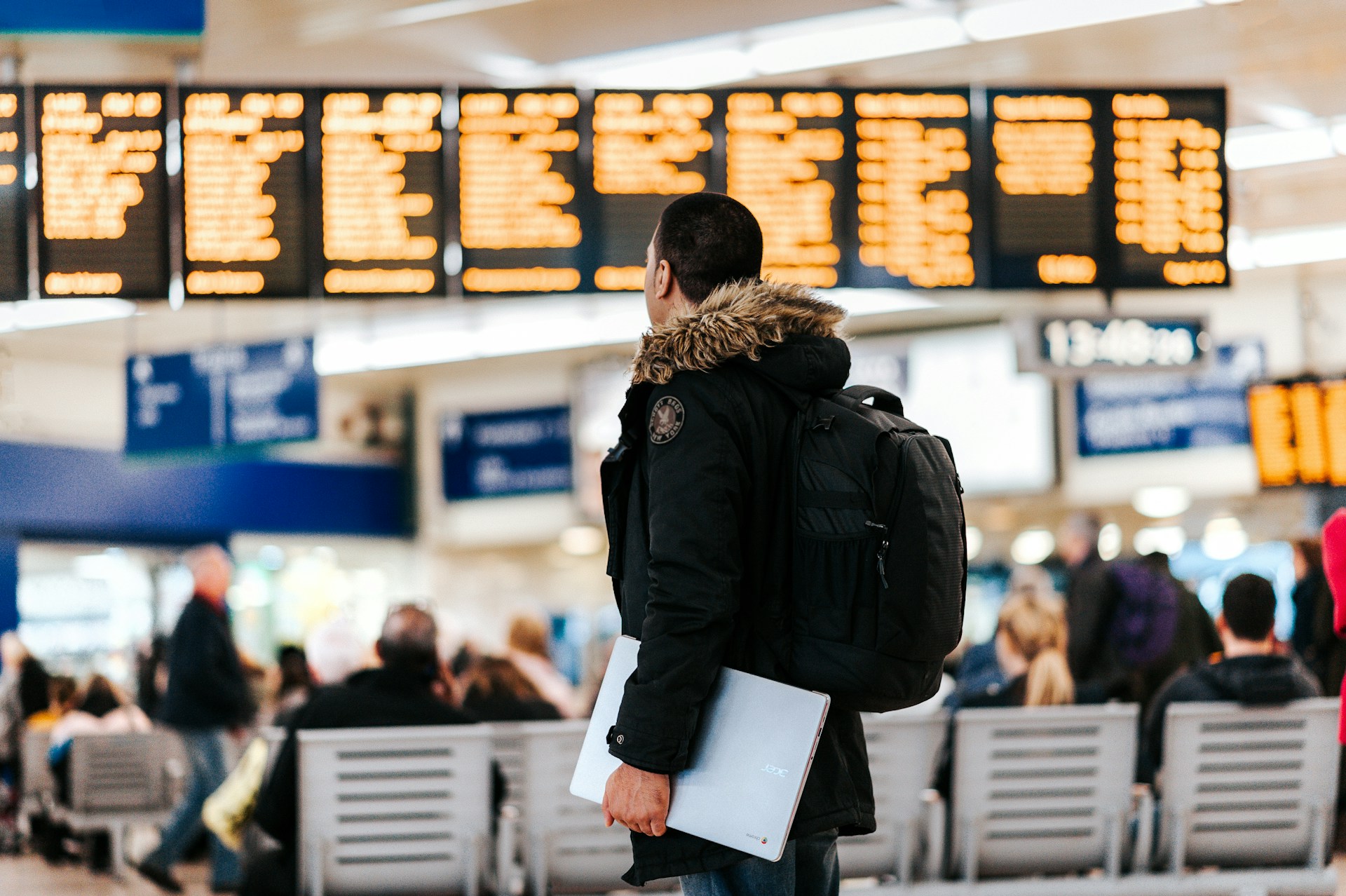
The first step after learning your flight has been delayed is to remain calm and collect as much information as possible. Check the departure boards, airline notifications, and mobile apps for updates. Speak with airline staff if the information provided is unclear or inconsistent. Ask for the reason behind the delay and whether an estimated departure time has been confirmed. It is also important to document everything. Take photographs of airport departure boards showing the delay, save emails and text messages from the airline, and keep screenshots of any updates received through the airline’s app. This documentation may become valuable if you later decide to submit a compensation claim.
Keep Every Receipt
Delays often result in unexpected expenses. You may need to purchase meals, drinks, transportation, or even overnight accommodation. Keep every receipt related to these expenses. Depending on the circumstances and the length of the delay, the airline may be required to reimburse reasonable costs if it did not provide the necessary assistance directly. Organizing receipts immediately is much easier than trying to reconstruct your expenses later.
Know Your Right to Care in case of a Delayed Flight
European passenger rights require airlines to provide assistance once delays exceed certain waiting periods, depending on the distance of the flight.
This assistance may include:
- Complimentary meals and refreshments.
- Access to communication, such as phone calls or internet access.
- Hotel accommodation if an overnight stay becomes necessary.
- Transportation between the hotel and the airport when accommodation is provided.
These services are intended to ensure passengers are not left to manage lengthy disruptions entirely on their own. If the airline fails to provide these services, you may need to arrange them yourself. In that case, keeping receipts becomes especially important.
Understand When Compensation May Apply
Many travelers assume every delayed flight qualifies for compensation, but that is not always the case. Eligibility depends on several factors, including:
- The length of the arrival delay.
- The reason for the disruption.
- Whether the airline could reasonably have prevented the delay.
- Whether the flight falls within the scope of European passenger protection rules.
Generally, compensation is considered when passengers arrive at their final destination at least three hours later than originally scheduled, provided the delay resulted from circumstances within the airline’s control. Examples might include operational problems, crew scheduling issues, or certain technical problems. The phrase flight delay compensation in the EU often appears when discussing these passenger rights because the regulations provide one of the strongest consumer protection systems for air travelers worldwide.
Extraordinary Circumstances
Not every delay leads to financial compensation. Airlines are generally not required to compensate passengers when delays result from extraordinary circumstances beyond their control. Examples may include:
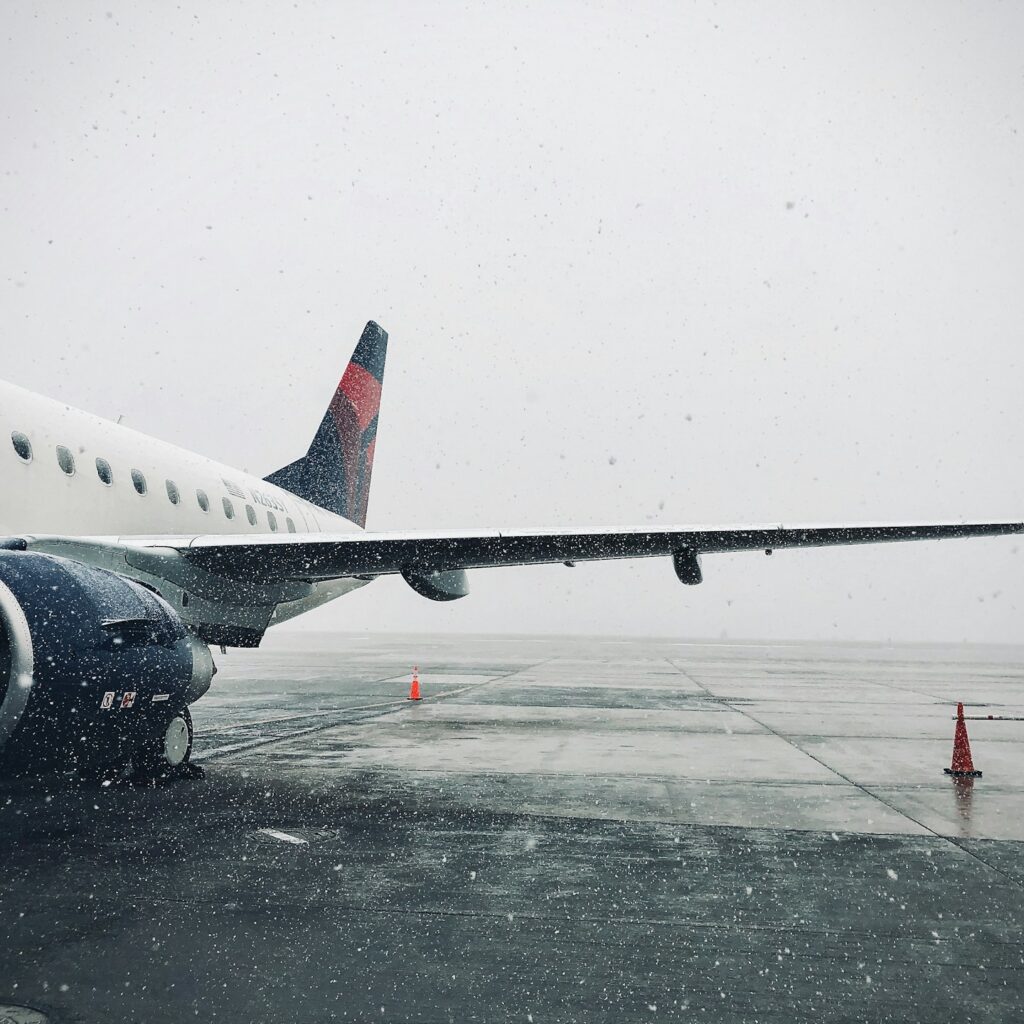
- Severe weather conditions.
- Air traffic control restrictions.
- Security incidents.
- Political instability.
- Certain airport operational emergencies.
Although compensation may not be available in these situations, passengers are often still entitled to care while waiting, including meals and accommodation where appropriate.
Compensation Amounts
When passengers qualify, compensation is generally based on the flight distance rather than the ticket price. Longer flights may qualify for higher compensation amounts than shorter flights. The amount does not usually depend on whether you flew in economy or business class. Compensation is designed to recognize the inconvenience caused by significant delays rather than reimburse the ticket cost itself. In some cases, passengers may also be entitled to reimbursement or alternative transportation if the delay becomes particularly extensive and they choose not to continue their journey.
Connecting Flights
Many international journeys involve one or more connections. If your initial delayed flight causes you to miss a connecting flight and you reach your final destination several hours late, you may still qualify for compensation under the applicable regulations. Whether you booked your journey as a single reservation or as separate tickets can affect your rights. Flights booked together under one itinerary generally offer stronger protection than independently purchased segments. Always retain your boarding passes for every part of your trip.
What If the Airline Offers Vouchers?
Airlines sometimes offer meal vouchers, travel credits, or discount coupons following delays. These benefits can certainly be useful, but accepting them does not automatically mean you have waived your legal rights. However, you should carefully read any document before signing it. If an airline asks you to accept a settlement or compensation agreement, make sure you understand exactly what rights you may be giving up. If you are uncertain, consider reviewing the terms carefully before accepting the offer.
Submit Your Claim
If you believe you qualify for compensation, begin the claims process as soon as practical. Prepare the following information:
- Your booking confirmation.
- Boarding pass.
- Flight number.
- Scheduled and actual arrival times.
- Details about the reason for the delay, if available.
- Receipts for additional expenses.
- Photographs or screenshots documenting the disruption.
Many airlines provide online claim forms specifically designed for passenger compensation requests. Submitting a complete claim with organized documentation often makes the process smoother.

Using a Delayed Flight Claims Service
Some passengers prefer to handle claims independently, while others choose to use professional claims services. Companies such as AirHelp assist travelers by reviewing eligibility, preparing documentation, communicating with airlines, and managing the claims process on the passenger’s behalf. This option can be particularly helpful for travelers who are unfamiliar with passenger rights or who prefer not to deal directly with the airline throughout the process.
Time Limits Matter
Many travelers wait too long before submitting a claim. The deadline for filing compensation claims depends on the country whose legal system applies to your case, and these time limits can vary significantly. Even if your delayed flight occurred months or years ago, you may still be eligible to submit a claim, depending on the applicable limitation period. Checking your eligibility sooner rather than later helps avoid missing important deadlines.
Tips for Minimizing the Impact of Delays
Although you cannot prevent flight delays, you can reduce their impact by planning ahead. Consider these practical tips:
- Allow extra time when booking connecting flights.
- Carry essential medications in your carry-on luggage.
- Pack a phone charger and a portable battery.
- Save digital copies of your travel documents.
- Enable airline notifications before departure.
- Purchase suitable travel insurance for additional protection.
- Arrive at the airport with enough time to respond if schedules change.
Preparation makes unexpected disruptions much easier to manage.
Common Misconceptions
Several myths continue to confuse travelers about delayed flights. One common misconception is that airlines only owe compensation when flights are canceled. In reality, qualifying delays may also result in compensation. Another misconception is that low-cost airlines are exempt from passenger protection rules. In fact, the regulations generally apply regardless of the ticket price or airline business model when the legal conditions are met. Some travelers also believe that accepting food or hotel accommodation means they cannot later claim compensation. These forms of assistance are separate rights and usually do not prevent eligible passengers from pursuing compensation. Finally, many people mistakenly assume that only expensive tickets qualify. Passenger rights generally apply equally across fare classes, provided the legal requirements are satisfied.
Final Thoughts
Flight delays are frustrating, but they do not have to leave travelers powerless. Knowing your passenger rights can help you make informed decisions, reduce stress during airport disruptions, and improve your chances of receiving the assistance or compensation you deserve. Whenever your flight is delayed while traveling from or to the European Union, gather evidence, save every receipt, monitor updates from the airline, and understand the reason behind the disruption. If your delay meets the legal requirements, you may be entitled to financial compensation in addition to care provided during the wait.
Whether you choose to submit a claim directly with the airline or seek assistance from a specialist service such as AirHelp, taking prompt action and maintaining organized records can make the process considerably easier. A delayed flight is never ideal, but understanding your rights ensures you are in the strongest possible position to protect your interests and continue your journey with greater confidence.
Follow the rest of the Top Experiences series
- TOP TWENTY THINGS TO DO IN EGYPT
- WHY YOU SHOULD VISIT MALTA
- TOP FUN THINGS TO DO IN HAMPI
- 10 HISTORICAL PLACES TO ROAM ACROSS THE WORLD
- 10 HISTORICAL MARVELS OF ITALY
- 10 BEST SHOWS IN EUROPE YOU MUST SEE
- DUBAI THRILLS: 7 MUST-DO ACTIVITIES
- 10 HISTORICAL MARVELS IN TURKEY TO ENJOY WITH KIDS
- MOST ENCHANTING PALACES IN EUROPE
- IN‑BETWEEN MOMENTS IN ASPEN
RESPONSIBLE TRAVELING-BECAUSE I CARE