The Ancient Mongolian Wrestling Art That Defies Modern Sports Categories
One of the planet’s oldest fighting games goes by the name böh in Mongolia. Most current styles split fighters by size – this version does not. No clocks are ticking down, nor scores adding up during a match. Looking closer reveals its core ideas: how balance shifts, where grips matter, and why movement shapes outcomes. Anyone questioning today’s athletic norms might find something surprising here.
Grip, Stance, and the Foundation of Mongolian Grappling
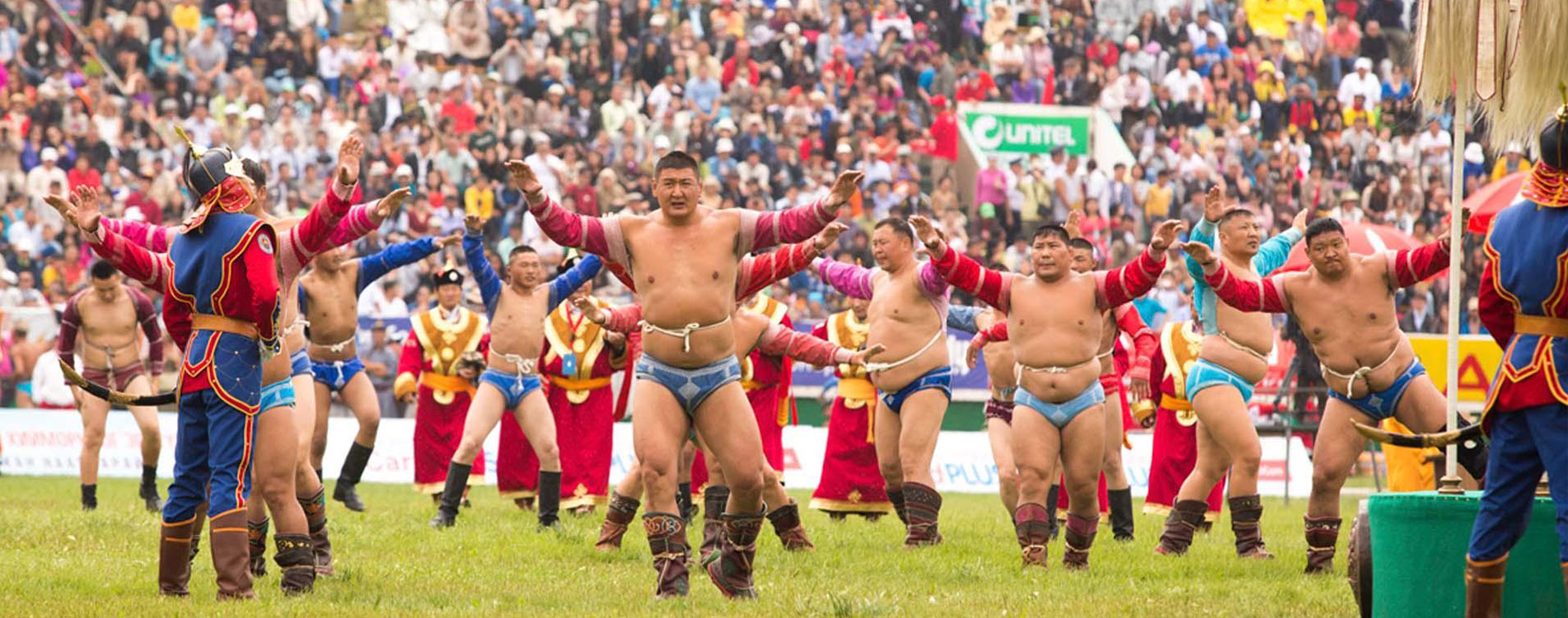
Most of the control in Mongolian wrestling happens through holds on the upper body, using a stiff vest known as a zodog, along with short trousers named shuudag. Instead of attacking arms or legs, competitors find an advantage by clutching at these garments. Such contact discourages harmful twists or locks, shifting focus toward balance and powerful dragging motions. To lose, one needs only touch down below the knee – anything higher does not count. Because of that clear boundary, each move is built around staying upright or forcing another down without crossing the line.
In Mongolian wrestling, balance acts less like protection and more like an active tool. Even fans of classic martial contests turn to data through MelBet registration and wager on matches – from wrestling bouts to soccer – interest in Naadam grows worldwide. Standing firm with a lowered center allows fighters to withstand takedowns by bulkier rivals. By adjusting their hips and stepping precisely, experts take in impact and shift energy elsewhere. For these athletes, working on equilibrium matters just as much as building muscle during training.
Size Versus Technique: The Weight-Class-Free Philosophy
Surprisingly, Naadam lacks weight divisions by design, not accident. Skill often outweighs sheer bulk here. Instead of focusing on body dimensions, Mongolian wrestling values endurance, precision, and mental sharpness. Long ago, warriors proved their full athletic range through such open contests. Timing matters more than size if balance and positioning align just right.
Among those drawn to classic forms of competition, many now look toward established wagering arenas with fresh curiosity. When tracking outcomes as they unfold, obtaining an app with MelBet Mongolia download provides live statistics, current odds on conventional contests, and ongoing market reports. What matters often lies in how past encounters shape present expectations – especially within wrestling hierarchies. Though structured each year differently, the Naadam draws – with fields ranging from 512 to 1,024 competitors facing off through knockout stages – delivers depth for researchers and supporters equally.
Key Technical Elements That Enable Weight-Class-Free Competition
Working in tandem, the grappling and balance mechanisms rely on a set of fundamental technical ideas:
- Jacket grip control — Wrestlers use fabric holds to limit explosive takedowns and reward sustained positional strength over sudden power bursts.
- Hip-load defense — Low stances distribute an opponent’s force across the hips, allowing smaller wrestlers to absorb throws without losing balance.
- Step-out avoidance — Since only ground contact decides the winner, lateral footwork and pivoting are critical survival skills.
- Endurance over speed — Matches have no time limit, making stamina and mental patience equally decisive as physical technique.
The lighter fighter wins not by chance, but through structured dynamics. Such moments feel fair since established norms support them.
The Role of Naadam’s Rituals in Shaping Competition
Naadam’s traditions shape how wrestlers move through their sport. Following each round, participants circle the arena in the Eagle Dance, arms outstretched like a raptor mid-flight. Because of this repeated gesture, posture stays sharp – vital when staying on foot, depending on alignment. Far from mere display, such movement primes both muscle and mind ahead of combat.

Not every victory comes easily when matches stretch through long hours under bright lights. Surviving requires steady precision, not just sudden bursts of strength. Each round brings tougher rivals, frequently heavier ones too. Those reaching the top step earn names such as Titan or Falcon. These labels reflect endurance more than flash – consistent execution under pressure defines their rise.
Tradition and Athletic Skill Together
Out there among traditional games, Mongolian wrestling during Naadam stands out by showing how technique often beats bulk. Instead of favoring sheer strength, its structure – grip-based tactics, precise footwork, and ending matches on first touch down – builds fairness through design. Anyone curious about old-school systems that balanced competition long before weight divisions might find answers in böh. This isn’t a spectacle built on power – it’s a strategy shaped by centuries.
Follow the rest of the Top Experiences series
- TOP TWENTY THINGS TO DO IN EGYPT
- WHY YOU SHOULD VISIT MALTA
- TOP FUN THINGS TO DO IN HAMPI
- 10 HISTORICAL PLACES TO ROAM ACROSS THE WORLD
- 10 HISTORICAL MARVELS OF ITALY
- 10 BEST SHOWS IN EUROPE YOU MUST SEE
- DUBAI THRILLS: 7 MUST-DO ACTIVITIES
- 10 HISTORICAL MARVELS IN TURKEY TO ENJOY WITH KIDS
- MOST ENCHANTING PALACES IN EUROPE
- IN‑BETWEEN MOMENTS IN ASPEN
RESPONSIBLE TRAVELING-BECAUSE I CARE


