Kuwait is trying to restore a lost sense of status
There was a time when Kuwait was one of Asia’s football powers. Back in the 1980s, their national team won the Gulf Cup three times and even played at the 1982 FIFA World Cup. Yes, you heard that right. Then everything collapsed. Wars, political crises, and endless FIFA sanctions. Football slipped into the background — maybe even the tenth background.
Now, however, in 2026, Kuwait has suddenly started moving again. New academies are being built, European coaches are arriving, and the domestic league is making ambitious transfers. It genuinely looks like there is a plan. A return to the ranks of Asia’s elite may not happen anytime soon. Still, stopping the country from being an outsider and turning it back into a solid mid-tier force sounds realistic enough. Interestingly, even analysts who usually treat statistics with brutal seriousness have started paying attention to Kuwaiti matches. A few years ago, nobody would have dared to open a betting site (Persian: سایت شرطبندی) for their games, while today the odds there actually look respectable. So it’s worth discussing how the country is trying to revive itself and restore its football status.
Why Kuwait fell behind: a brief history of the collapse
Football in Kuwait did not die naturally during the 2000s. It was suffocated. Political interference inside the federation, leadership changes every six months, and officials with zero football experience destroyed the league from within. On top of that, FIFA suspended Kuwait twice — in 2007 and 2015. Kuwaiti footballers missed out on the chance to play abroad. Clubs stopped paying foreign players. The national team dropped out of the top 100. During this time, Qatar won two Asian Cups and hosted the World Cup, while Saudi Arabia and the UAE transformed their leagues and infrastructure into gold. Kuwait, meanwhile, simply watched.
The consequences were brutal:
- Young people stopped dreaming about football.
- parents pushed children toward basketball or handball instead;
- Stadiums stood half-empty.
Even Gulf derbies attracted barely three thousand spectators. In a country of nearly five million people. Painful, but true.
Let’s walk through the wreckage:
| When | What Happened | The Bare Numbers |
| October 2007 | First slap. FIFA bans Kuwait because the government won’t stop meddling. | Ban lasted just two weeks. Short, but humiliating. |
| October 2015 | Third — and nastiest — suspension. Parliament passed a law that broke FIFA’s rules cold. | The ban lasted just two weeks. Short, but humiliating. |
| October 2015 | Kuwaiti athletes did not compete at the Rio 2016 Olympics. Zero. | Over two years out. Kuwait missed the qualifiers for the 2018 World Cup and the 2019 Asian Cup. |
| December 2017 | Finally, a fix. New sports laws. FIFA unlocks the door. | Suspension lifted December 6, 2017. No probation. Clean slate. |
| October 2024 | Federation leadership steps down. Old guard out. | Resignation accepted by FIFA. No drama. |
| May 2026 | Fresh elections. Clean. No backroom deals. | Sheikh Ahmed Al‑Yousef re‑elected as FA president. Legit vote. |
The international suspension was lifted only in 2017, while the first truly serious step toward recovery came in 2021. A new federation arrived. Elections were held without scandals or bribery. Officials promised politicians would stop interfering in tactics and national-team selections. To their credit, they mostly kept that promise. Still, in September 2024, the federation’s entire leadership resigned again after organizational chaos during a match against Iraq. Fans spent hours standing in extreme heat without water, triggering yet another scandal. Then, in April 2026, new federation elections were finally conducted successfully.
Kuwait football academy and the turn toward science
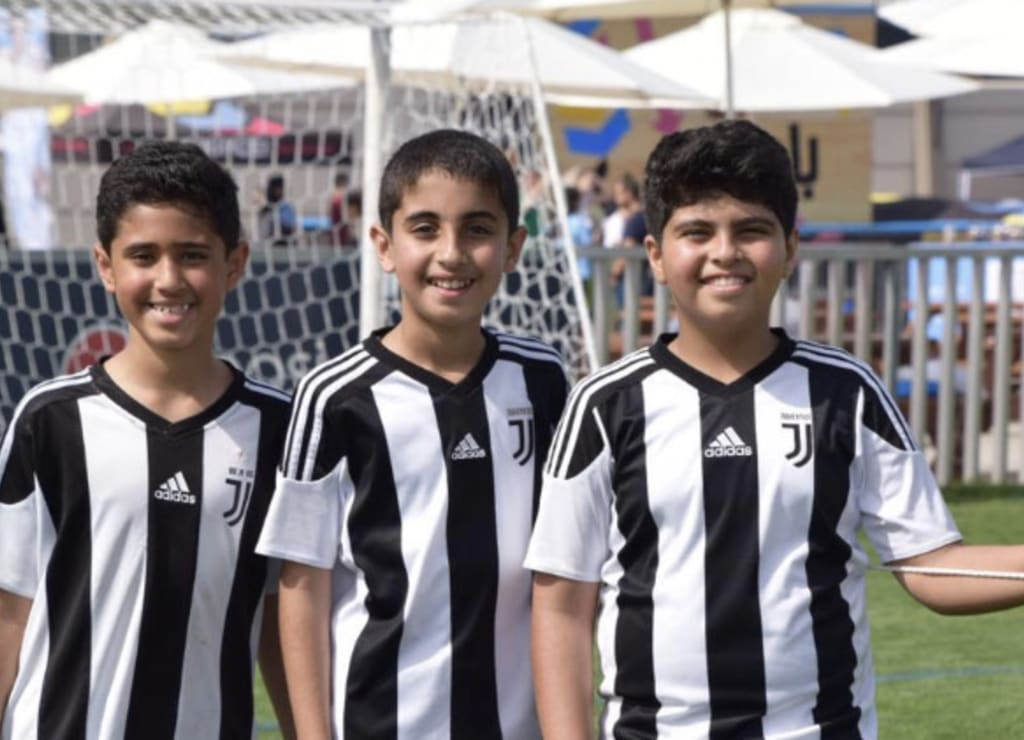
Right now, the centerpiece of Kuwait’s football reboot is the La Liga-backed academy launched in 2022. More than just another training ground, it operates like a miniature export factory for future talent. Roughly 350 teenagers between 10 and 17 pass through the system, drilling under UEFA Pro-licensed coaches who lean heavily into the Spanish school of football — quick decision-making, tight control in crowded spaces, positional awareness, and technical confidence on the ball. Less chaos. Less aimless long balls. Far more emphasis on thinking two passes ahead. None of the outdated «kick-and-run» football.
Five Spanish coaches work there full-time, not counting visiting specialists. Club scouts from Portugal and the Netherlands regularly visit the facilities searching for promising prospects and emerging talents. In addition, as reported by media outlets and MelBet Facebook Iran, Kuwait launched a large-scale youth football reform by integrating AI-driven analytics systems into development programs across all provinces.
Beyond a single academy
But one academy doesn’t make a footballing nation. Kuwait’s authorities seem to understand that. The government has pumped serious resources into infrastructure, training centers, and grassroots scouting. Private clubs have followed suit, hiring international coaches and borrowing training models from countries with deep football traditions — Spain, England, Italy. The result? A fragmented but growing ecosystem where young players finally have options beyond the old boys’ club.
A new partnership with Osasuna
Take the «Aupaya Kuwait» initiative, launched in late 2025. Kuwait Technical College teamed up with Spain’s Osasuna club and the Public Authority for Sport to discover and elevate raw talent nationwide. University students and schoolchildren get a clear pathway to professional football — including training stints in La Liga. Tryouts are already underway. Only 60 finalists make the cut. Osasuna’s own scouts then handpick the very best. That’s not charity. That’s a funnel.
Public-private muscle
Here’s where things get smart. The government lays the foundation, but private money does the heavy lifting. Sponsors pour cash into modern equipment, fitness tech, and world-class facilities. In return, they attach their brands to youth empowerment and national pride. Win-win. The Public Authority for Sport has publicly admitted that without private-sector cooperation, «there is no real sports development». Rare honesty.
What Kuwait is doing differently
Let’s break down the strategy:
- Early intervention. Academies now take kids as young as four. No upper age limit. The philosophy? Start early, keep going.
- Holistic training. Forget just drills. Nutrition, psychology, academics, and lifestyle coaching are baked into the curriculum. Players learn to balance books with boots.
- Summer solution. Kuwait’s brutal heat shuts down club activities. Academies step in. Sessions run after sunset. Enrollment spikes during the hottest months.
- Licensing crackdown. Unlicensed academies are a plague. They charge less but deliver little. Licensed owners are now pushing for stricter regulation and better safety standards — first aid kits, emergency plans, and quality coaching.
- Foreign expertise. Spanish coaches are in high demand. Their tactical mindset and advanced methods are slowly replacing the old guard’s kick-and-run instincts.
It’s not all rosy. Licensed academy owners complain about a severe shortage of suitable training grounds. Demand outstrips supply. And the financial strain on families is real — especially those enrolling multiple children. But the long-term payoff, they argue, outweighs the short-term pinch.
Kuwait is trying to restore a lost sense of status
Kuwait once held football as the ultimate badge of national prestige. But the last fifteen years? That’s a story of a nation stuck replaying its past instead of building its future. While Qatar, Saudi Arabia, and the UAE poured fortunes into new stadiums, airports, and pro leagues, Kuwait just… stalled. Infighting, FIFA bans, one administrative meltdown after another — the game didn’t grow. It just stood still while everyone else zoomed ahead.
That is exactly why the current recovery feels almost political in nature. Kuwait is once again trying to become visible on the Asian football map — through tournaments, infrastructure reconstruction, and the return of international trust. There was something almost desperate — and revealing — in the way Kuwait rushed back onto the hosting scene once the sanctions disappeared. The country treated every available tournament like proof of life. The Arabian Gulf Cup quickly returned to Kuwaiti soil after FIFA reopened the door, and by early 2026, the federation was already signaling ambitions far beyond regional football, pushing forward a bid for the 2035 AFC Asian Cup.
The Asian Football Confederation later suspended the 2031 and 2035 bidding processes to realign calendars, but Kuwait had already made its point — it’s back in the game. Competing against Australia, Japan, and South Korea for hosting rights isn’t a small statement. It’s a declaration of intent.
Follow the rest of the Top Experiences series
- TOP TWENTY THINGS TO DO IN EGYPT
- WHY YOU SHOULD VISIT MALTA
- TOP FUN THINGS TO DO IN HAMPI
- 10 HISTORICAL PLACES TO ROAM ACROSS THE WORLD
- 10 HISTORICAL MARVELS OF ITALY
- 10 BEST SHOWS IN EUROPE YOU MUST SEE
- DUBAI THRILLS: 7 MUST-DO ACTIVITIES
- 10 HISTORICAL MARVELS IN TURKEY TO ENJOY WITH KIDS
- MOST ENCHANTING PALACES IN EUROPE
- IN‑BETWEEN MOMENTS IN ASPEN
RESPONSIBLE TRAVELING-BECAUSE I CARE


