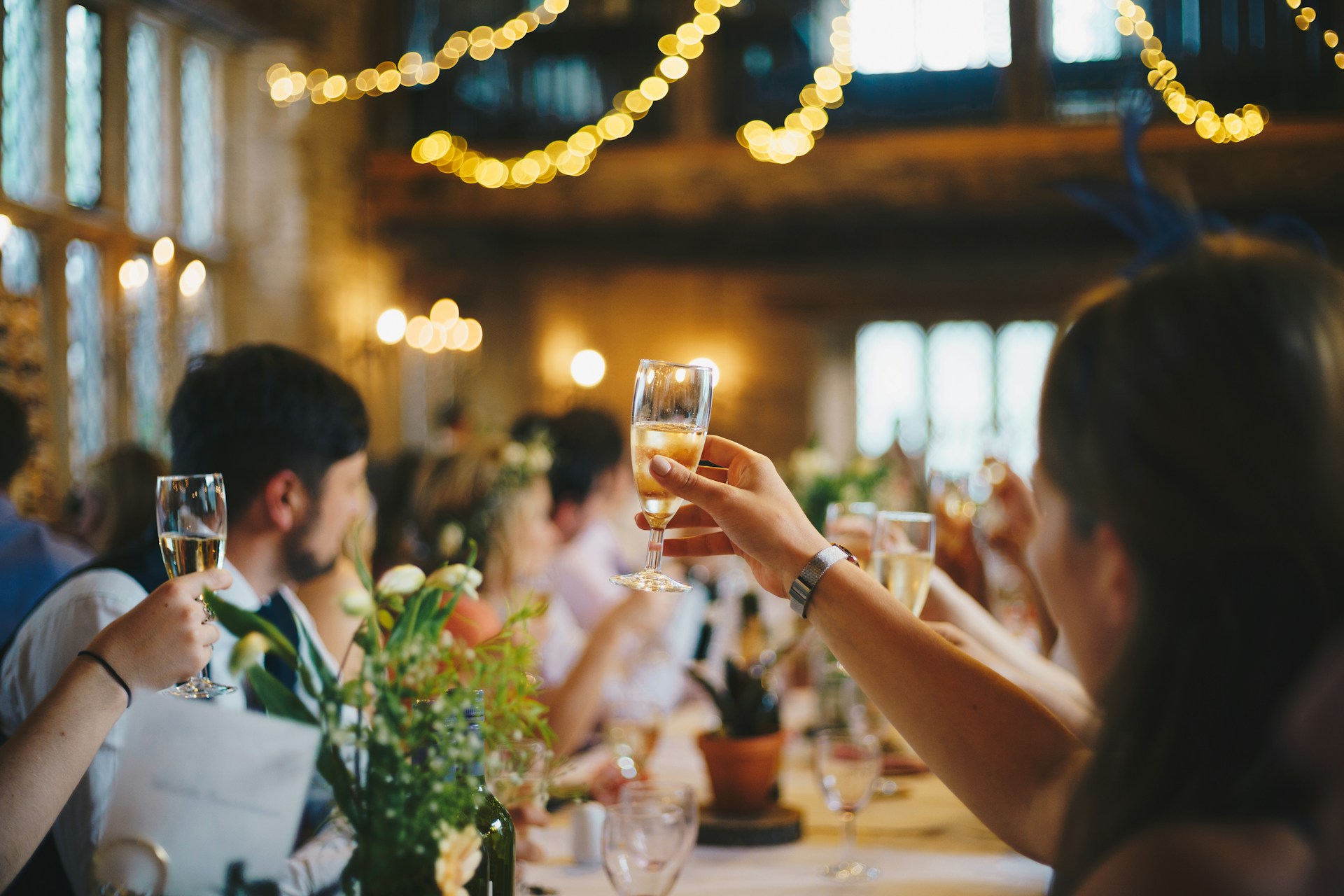
How to Host an Aesthetic Dinner Party Abroad
Dinner parties abroad have quietly become one of those things people actually plan trips around. Not just “let’s find a nice restaurant” but renting a place with a proper table, sourcing something local, and actually cooking for people in a different country. It sounds like a lot. Sometimes it is. But when it works, it works in a way that a restaurant booking never quite does. This piece is about how to make it work.
Choosing the Right Rental Property for a Dinner Party
The space is everything. Pick wrong, and you spend the whole trip compensating — borrowing chairs from a neighbor, cooking in a kitchen designed for reheating leftovers, eating under fluorescent light at 9 pm. A villa with a proper outdoor terrace, a working kitchen, and some version of ambient lighting already solves maybe 70% of the problem. Bali is a good example of a destination where this is genuinely accessible — not just the fantasy version. Places in TheYoungVillas portfolio, like their Bali villas with private chef options, come with staff already in place, which is worth thinking about if you’re arriving a few days before the dinner and don’t want to spend that time hunting for someone local who actually knows the kitchen.
Before booking anything, check three things specifically:
- Counter space and burner count. Two burners is fine. One is not.
- What happens to the table after dark — is there lighting, or are you eating by phone torch?
- Where the nearest market is. Bali has Tiara Dewata in Seminyak. Lisbon has Campo de Ourique. Knowing this before you land saves about two hours of confused walking on arrival day.
That’s the baseline. Everything else is easier once the space is sorted.
Cooking Abroad Without Losing Your Mind
Here’s the thing about cooking in a rental kitchen: the knives are always bad. Always. Either bring a small one in your checked bag or buy something cheap locally on day one. This sounds minor. It will matter. Beyond that — cook less than you think you should. Seriously. One dish that actually requires effort, and then a table full of things that are good at room temperature. That’s the entire menu strategy.
Structure it like this:
- One main — ideally something slow, something that can sit for an hour without getting worse
- Two or three sides that need no attention once they’re done
- Dessert from a bakery or market, not your hands
A burrata with good tomatoes and olive oil from the local supermarket will impress people. So will a roast chicken with herbs from the garden, if the villa has one. Neither of these things requires much. Both of them taste like you knew what you were doing.
Let the Market Decide
Honestly, the best version of cooking abroad doesn’t start with a recipe. It starts with an hour at the morning market and a loose idea. Buy what looks good. Build backward.
In Bali this means fresh galangal, young coconut, lemongrass you’ll smell before you see it. In Lisbon it’s clams and Alentejo wine and bread that’s still warm at 8 am. In Mexico City — heirloom tomatoes, epazote, maybe fresh masa if you can track it down. The market tells you what’s seasonal. Seasonal is always better than planned. And in most of these places, what’s seasonal is also a fraction of what it costs back home.
The Table Setup: Low Effort, High Return
Turn off the overhead light. Put candles on the table. This is not a preference thing — it’s the single highest-impact move in the whole evening, costs almost nothing, and takes four minutes.
After that:
- Use what the villa already has. Mismatched ceramics from a local market actually look better than a uniform set. Texture is interesting. Matching is not.
- Flowers from wherever you bought groceries that morning — loose in a glass, not arranged into anything. If you spend more than five minutes on this, you’ve overdone it.
- No printed menus. No folded napkins. You’re hosting friends, not running a supper club.
Getting the Music Right
Start the playlist before anyone arrives. Not as background, but as the thing that sets the temperature of the room before a word is spoken. Instrumental is safer than you think — nobody argues with it, and it doesn’t date itself mid-evening. What actually works: Brian Eno’s ambient records if the vibe is very minimal, but local tends to travel better. Fado in Lisbon. Gamelan-adjacent ambient in Bali. 1960s Italian jazz in pretty much any Mediterranean setting. Volume low enough that the table doesn’t compete with it.
Timing: say 7, expect 7:30, eat at 8:30. This is not country-specific. This is just how dinner parties work. Plan for the gap.
The Part Nobody Talks About
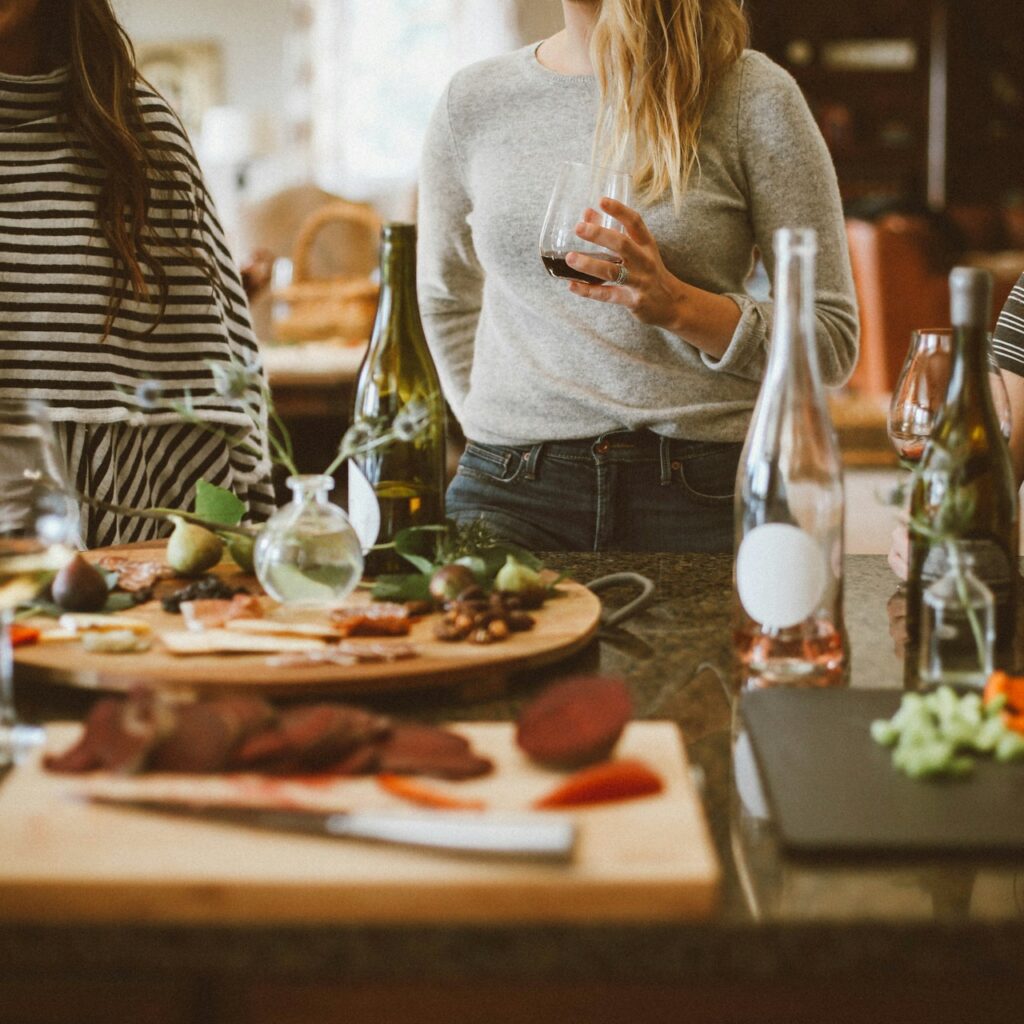
This is where the evening actually succeeds or doesn’t. Food can be good. Light can be perfect. But if eight people who don’t know each other end up in three separate side conversations that never merge, you’ve got a fine night, not a great one. Seating design matters more than most hosts admit. Don’t seat couples together. They default to each other, and you’ve wasted the arrangement. Put the naturally louder people next to the quieter ones — not to draw them out artificially, but because the dynamic tends to balance itself. And have one actual story ready. Not an icebreaker. A story. Something that happened at the market that morning, or something strange about the villa, or something you noticed about the neighborhood. Drop it into the first lull. Quiet at the table isn’t failure. Some of the best dinners have long pauses. Not everything needs filling. Especially somewhere that’s already beautiful.
A Few Things That Trip People Up
Worth saying plainly:
- Don’t underestimate jet lag on cooking days. If you’re arriving from far away and hosting within 48 hours, keep the menu very simple or lean on catering.
- Check whether the villa has a corkscrew and a decent cutting board before the shop closes.
- If there’s a private chef included, have a brief conversation with them the day before — not about the full menu, just about what they’re working with. Most will tell you what’s best that week without being asked directly.
- Outdoor dinners in tropical climates: have a plan for mosquitoes. Citronella candles double as ambient lighting. This is a genuine two-for-one.
How to Actually Host an Aesthetic Dinner Party Abroad
It comes down to this: the setting does more work than the food, the food does more work than the décor, and none of it matters much if the people at the table aren’t comfortable. Get those three things roughly right and the evening handles itself. You don’t need to arrive with a plan for every detail. You need a good space, something worth eating, candles, and enough wine. The rest tends to sort itself out — especially when you’re somewhere that already has the kind of light that makes everything look better than it is.
Follow the rest of the Top Experiences series
- TOP TWENTY THINGS TO DO IN EGYPT
- WHY YOU SHOULD VISIT MALTA
- TOP FUN THINGS TO DO IN HAMPI
- 10 HISTORICAL PLACES TO ROAM ACROSS THE WORLD
- 10 HISTORICAL MARVELS OF ITALY
- 10 BEST SHOWS IN EUROPE YOU MUST SEE
- DUBAI THRILLS: 7 MUST-DO ACTIVITIES
- 10 HISTORICAL MARVELS IN TURKEY TO ENJOY WITH KIDS
- MOST ENCHANTING PALACES IN EUROPE
- IN‑BETWEEN MOMENTS IN ASPEN
- BRECKENRIDGE SKI ITINERARY
RESPONSIBLE TRAVELING-BECAUSE I CARE