Travelling through Spain outside the expected season
The light changes before Spain appears to change at all. By October, it falls at a gentler angle across tiled roofs and stone façades, catching balcony edges instead of flattening entire streets beneath the summer glare. Beach umbrellas thin out, evening arrives earlier, and the country seems to recover its quieter voice. Autumn and winter don’t diminish Spain, but edit it most wonderfully.
When Spain slips into its cooler rhythm
Travelling at this time means accepting that Spain is not one climate wearing different costumes. Galicia and the Basque Country can feel Atlantic (green, rain-polished and moody) while Madrid’s high plateau brings crisp mornings and startlingly clear skies. Andalucia doesn’t shut down more than it softens, and the Canary Islands still offer a warmer counterpoint; Spain’s official tourism site places their winter average at around 20°C. Weather, however, is no longer something I would treat as a background detail. AEMET’s 21 September 2026 outlook gave autumn a 60–70% chance of being warmer than normal across Spain, while indicating increased chances of rain in parts of the north and east. The practical answer isn’t a heroic suitcase but layers: a light waterproof and shoes that forgive wet cobbles, and enough flexibility to exchange a coastal walk for a museum or an unhurried lunch. Spain outside summer is often pleasant, but never entirely predictable.
Old cities in a different light
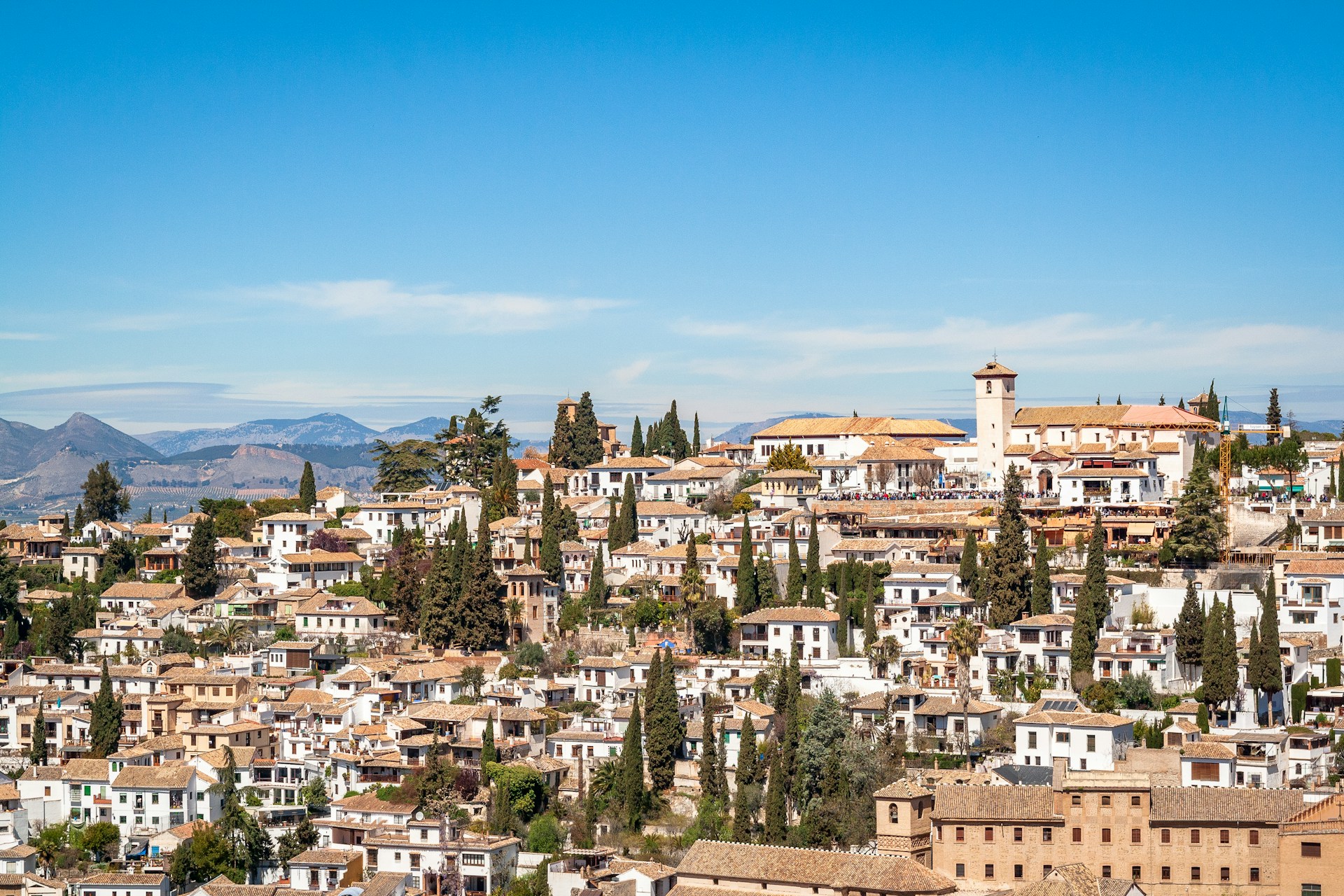
The greatest luxury is space. In Granada, for example, winter makes the city’s contrasts sharper and makes it a season for looking rather than merely arriving. Seville’s orange trees remain green while fallen plane leaves gather in María Luisa Park. In Madrid, the Retiro becomes spare and elegant, its paths briefly belonging to runners, dog walkers and people with nowhere urgent to be. Even Barcelona seems to breathe differently once the beach crowds fade and the Gothic Quarter is allowed a few quiet morning hours. Reserve major monuments, certainly, but leave the afternoons loose. Low light improves old cities, and it rarely keeps to an itinerary.
Following the quieter roads
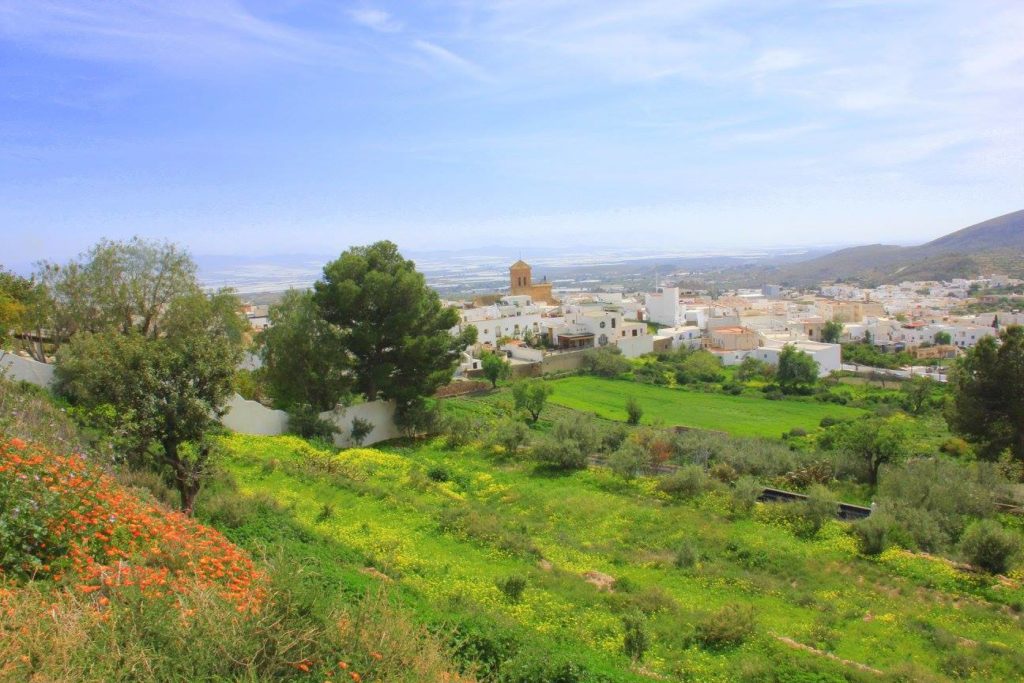
Beyond the cities, autumn gets earthier. Vineyards turn rust and ochre; market counters fill with mushrooms, chestnuts and the ingredients for stews that make sense only when evenings cool. Along the southern coast, the beaches become places for walking and listening rather than simply sunbathing. My accidental discovery of Cabo de Gata National Park captures the pleasure of this less-managed Spain: volcanic rock, white villages, desert stillness and roads that seem to invite one more detour. Winter may remove some seasonal facilities, yet it reveals the bones of the landscape. This is when travelling slowly stops being a fashionable idea and becomes the sensible option. There is less daylight to spend, but also less noise competing for it. The road itself also becomes part of the season. A flexible version of my Andalusia road trip works especially well with shorter driving days and unplanned stops. Yet off-season freedom requires a little homework. Small coastal restaurants may reduce their hours, and mountain weather can upset a carefully planned route. And a beach that felt social in August may be almost solitary in January! So, check opening times directly, refuel before long rural stretches, download maps, and avoid treating daylight as an unlimited resource. I would also resist crossing half the country simply because the roads look manageable. Choose one strong geographical thread (Granada and Almería, perhaps, or Madrid and the old Castilian cities), then give it room. The rewards are silence at viewpoints, easy conversations in village bars and landscapes no longer arranged for an audience.
Letting winter set the pace
Spain’s colder months also restore the local clock. Lunch becomes the warm centre of the day; evenings move indoors to tiled bars, covered markets, theatres and old cafés. Christmas lights appear from late November, followed by New Year’s twelve grapes, January sales and February carnival, yet between these bright markers are long ordinary days – the ones I often enjoy most. If planning begins with a cheap Spain holiday, the useful question is not how much can be squeezed into the break, but which winter Spain you want: a walkable city, a southern coastline, an island with softer temperatures, or an inland road through bare plains and honey-coloured villages. Saving money matters, but so does spending time well. One neighbourhood remembered clearly is worth more than five cities seen through a windscreen.
Follow the rest of the Top Experiences series
- TOP TWENTY THINGS TO DO IN EGYPT
- WHY YOU SHOULD VISIT MALTA
- TOP FUN THINGS TO DO IN HAMPI
- 10 HISTORICAL PLACES TO ROAM ACROSS THE WORLD
- 10 HISTORICAL MARVELS OF ITALY
- 10 BEST SHOWS IN EUROPE YOU MUST SEE
- DUBAI THRILLS: 7 MUST-DO ACTIVITIES
- 10 HISTORICAL MARVELS IN TURKEY TO ENJOY WITH KIDS
- MOST ENCHANTING PALACES IN EUROPE
- IN‑BETWEEN MOMENTS IN ASPEN
RESPONSIBLE TRAVELING-BECAUSE I CARE


Travelling through Spain outside the peak season sounds like a wonderful way to experience the country at a more relaxed pace. I love the idea of exploring historic streets, enjoying local food, and discovering popular attractions without the usual crowds. Off-season travel can offer a different perspective on a destination. Planning transport in advance with Online Cab Booking can also make getting around more convenient.
Online Cab Booking