The “Spice & Salsa” Narrative: A Sensory Guide to the Deep South
Traditional Southern cooking and Mexican food traditions have grown together across Louisiana, Mississippi, Alabama, and Georgia, and this convergence is seen best in home kitchens and small-town spots. Spice represents the smoke, peppers, and slow building of flavor that defines much of the cooking here, while salsa stands for the fresh or preserved brightness that balances heavy dishes. But talking about this food in general terms misses the entire point. You need your senses fully open to get what makes this cooking special.
Taste: Layers That Balance Richness and Heat
The heat here comes from two directions: You get cayenne from the Southern side and chiles from the Mexican side, and they work differently on your tongue. Cayenne hits fast while dried chiles sit in the background and build. Cooks around here also use chow chow or cha-cha, a tangy relish made with green tomatoes and cabbage, as well as jalapeños. That acidity is important because a lot of this food is heavy. But when you put some chow chow on top of smoked pork or a pile of beans, it breaks up the fat so the plate doesn’t wear you out halfway through.
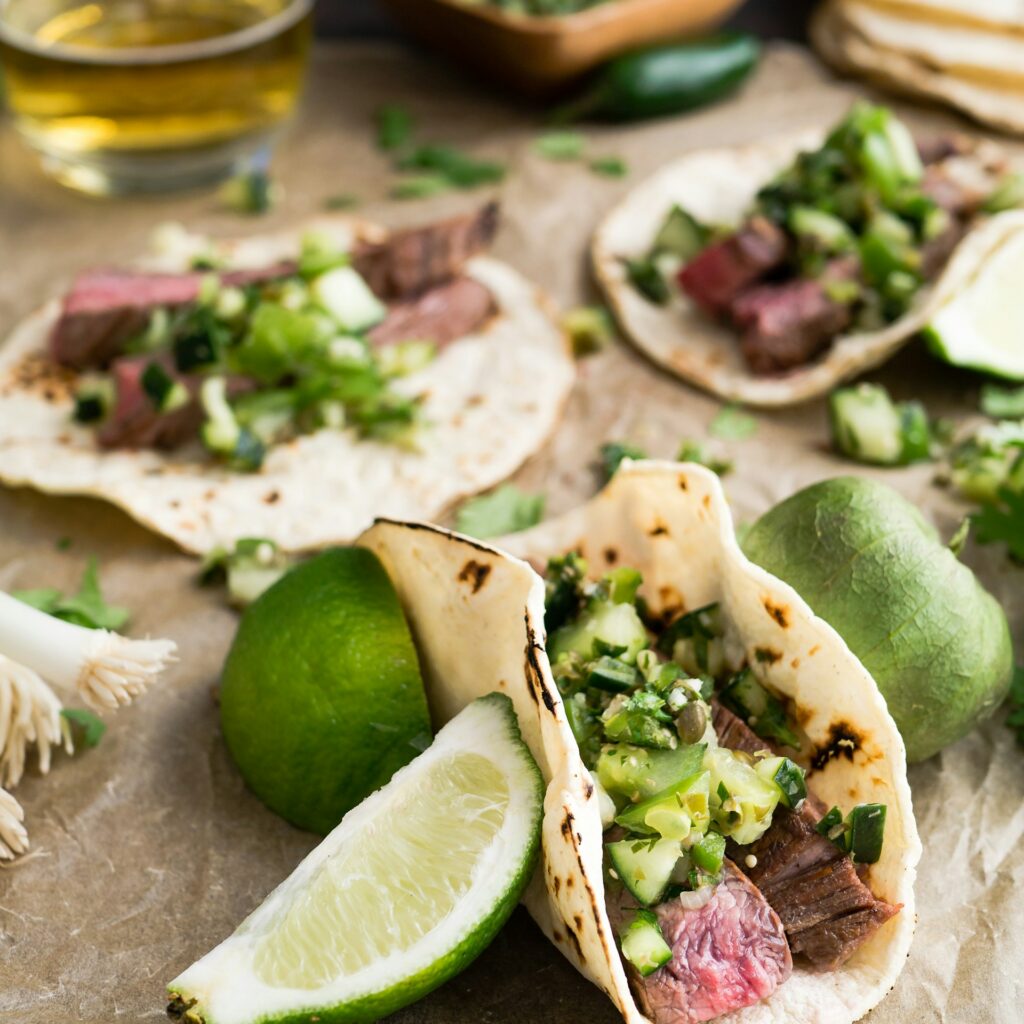
If you go to a cookout in the deep South, you’ll most commonly find pulled pork tacos and tortillas filled with chopped collard greens and a squeeze of lime. Rice dishes that use the same one-pot method as jambalaya are also popular, but the seasoning leans Mexican with cumin and garlic doing most of the work. Delta tamales are probably the oldest example of this kind of cooking. They get simmered in spicy liquid for a long time, and you eat them with hot sauce and saltine crackers or cornbread. What’s important here is the taste. Remember, these are comfort foods people eat after work, not something designed to look good on a plate.
Smell: The Air Tells You What’s Cooking
Vinegar is usually the first thing that hits you, especially during canning season when kitchens are full of jars and boiling pots. And in places where Southern and Mexican families live close together, you’ll smell a combination of cumin and garlic frying in oil. Cornmeal cooking in a cast-iron pan has its own warm smell that hangs around, while tamale stands put out a heavy aroma of spiced broth that you can smell from a couple of blocks away. When everyone on the same street is making dinner around the same time, all of it blends together, and you get a pretty clear picture of what people are eating without having to ask.
Touch and Texture: Food Meant for Hands
The textures are part of what makes this food so good. More specifically, a contrast in textures. For example, pickled jalapeños or carrots have a snap to them that goes well with soft cornbread or masa. And when collard greens are wrapped around rice or meat, that chewiness makes the stuffing even more delicious. One thing you should know is that a lot of this food is meant to be eaten with your hands.
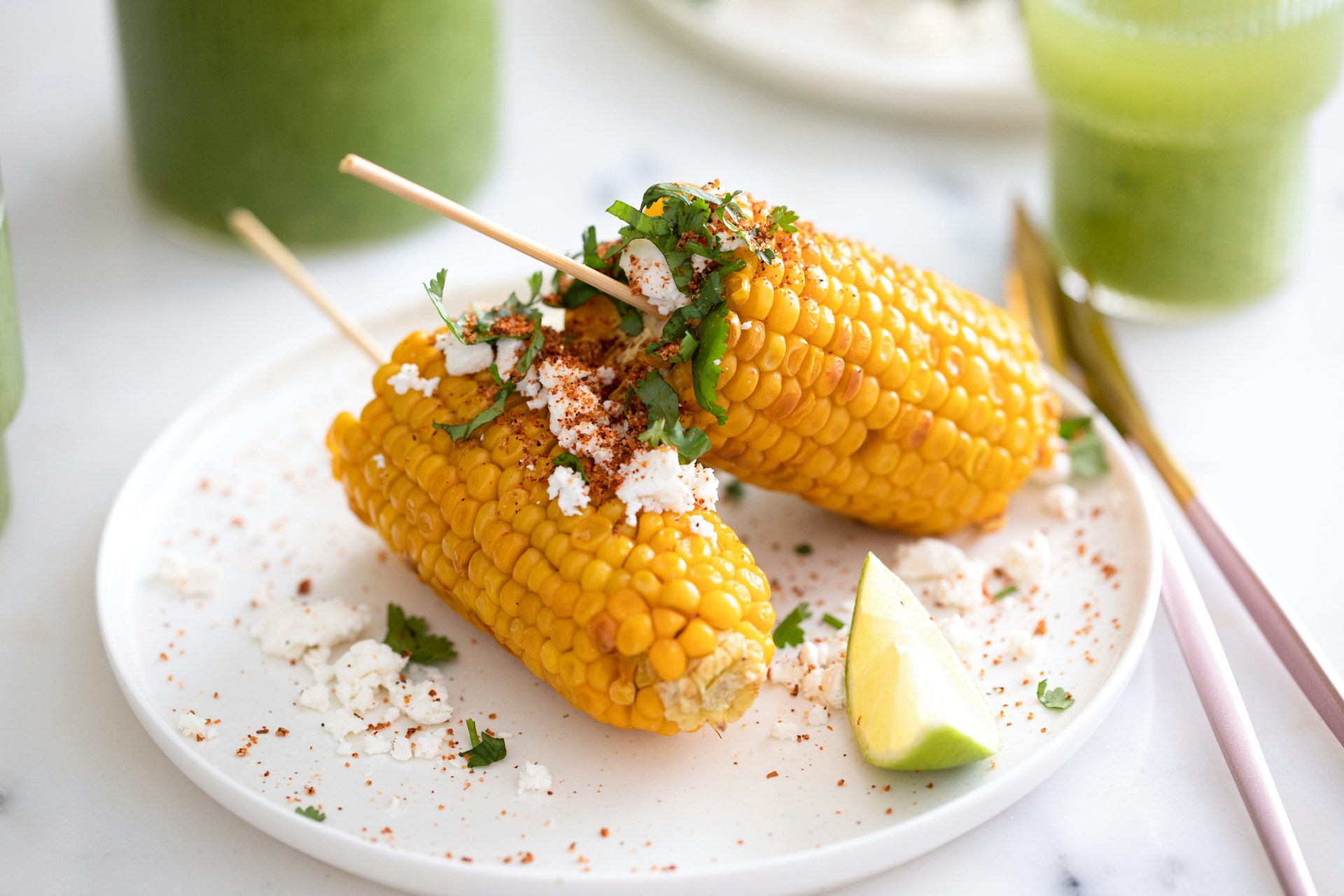
Simply tear off a piece of cornbread and use it to scoop up beans the same way you use a tortilla chip to drag through a bowl of salsa. Corn on the cob slathered with mayo, chile powder, and lime is another dish where a fork is useless, and you just accept that your face is going to be a mess. Nothing about eating this way is clean or careful, and that’s the whole point.
Two Traditions, Same Dinner Table
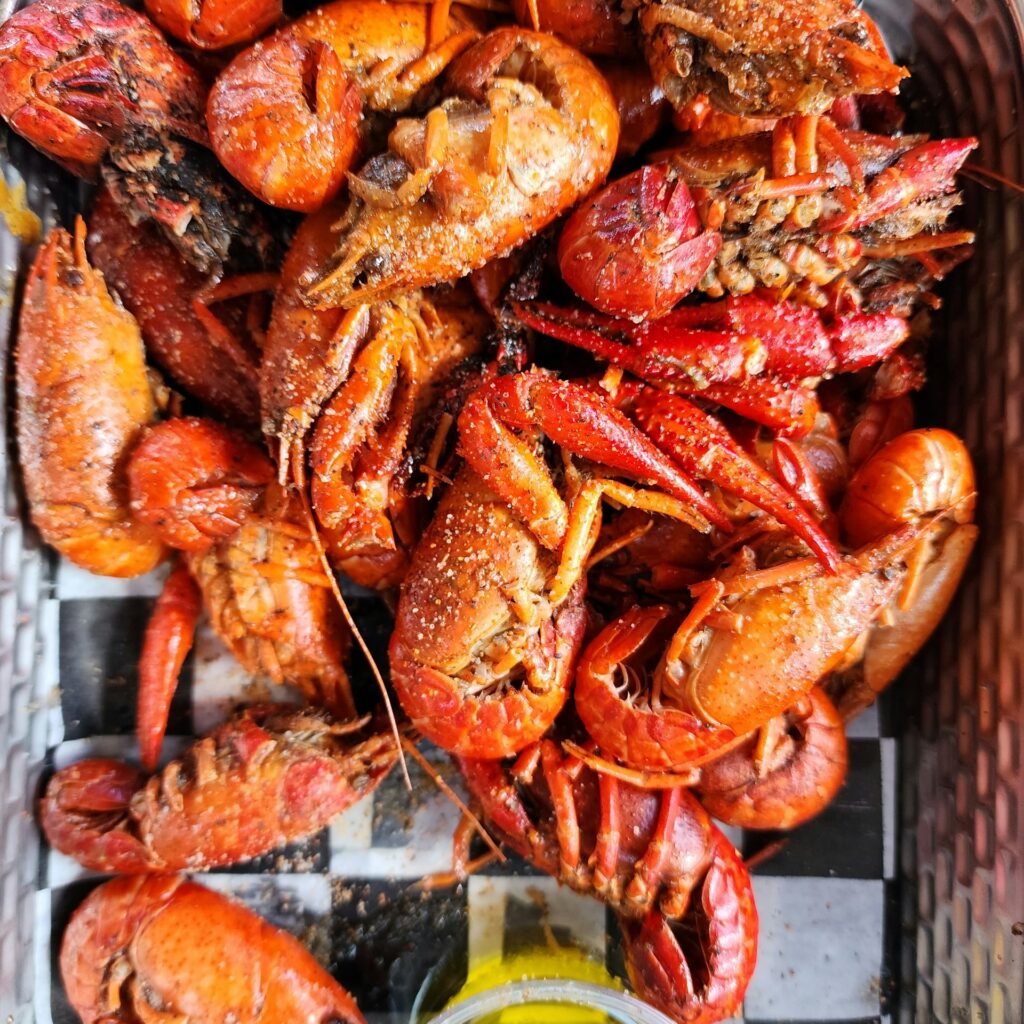
A lot of people don’t even realize how connected these two food traditions are until they taste something familiar in an unexpected place. Maybe you are cruising to the southern Caribbean, and a plate of spiced meat with tangy relish reminds you of a cookout back in Mississippi. That happens because the Deep South has been picking up these flavors for years through neighbors sharing food with each other. Spice and salsa are just part of how people cook now in many of these towns, and you notice it most when you slow down and pay attention to what your senses are telling you. One thing we can guarantee is that once you smell it, you’ll definitely want to taste it.
Follow the rest of the Top Experiences series
- TOP TWENTY THINGS TO DO IN EGYPT
- WHY YOU SHOULD VISIT MALTA
- TOP FUN THINGS TO DO IN HAMPI
- 10 HISTORICAL PLACES TO ROAM ACROSS THE WORLD
- 10 HISTORICAL MARVELS OF ITALY
- 10 BEST SHOWS IN EUROPE YOU MUST SEE
- DUBAI THRILLS: 7 MUST-DO ACTIVITIES
- 10 HISTORICAL MARVELS IN TURKEY TO ENJOY WITH KIDS
- MOST ENCHANTING PALACES IN EUROPE
- IN‑BETWEEN MOMENTS IN ASPEN
RESPONSIBLE TRAVELING-BECAUSE I CARE