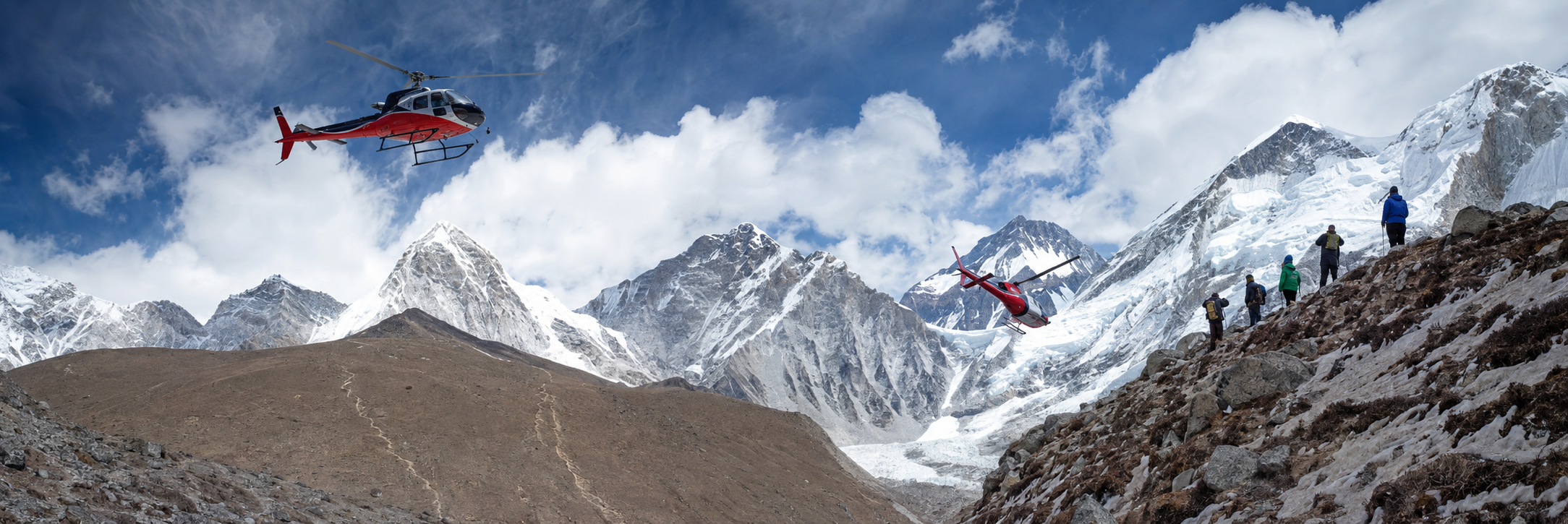
Best Time for Trekking, Mountaineering and Helicopter Rides in the Everest Region
A clear blue morning in Lukla does not guarantee clear flying conditions by noon, and a comfortable hike at Namche Bazaar can become a tough, cold climb at higher altitudes. The Best Time for trekking, mountaineering, and helicopter rides in the Everest Region depends on what you are doing, how much weather flexibility you have, and your tolerance for crowds, cold, and flight delays. For most travelers, spring and fall offer the most reliable balance of trail conditions, mountain visibility, and logistics. However, Everest mountaineering follows a narrower weather window than trekking, while helicopter trips are highly dependent on the same-day conditions in the Khumbu.
Best Time for Trekking in the Everest Region
The main trekking seasons are spring, from March through May, and fall, from late September through November. Both periods can support the Everest Base Camp Trek, Gokyo Lakes Trek, Three Passes Trek, and shorter routes such as Pikey Peak, but they have different qualities and rewards. For travelers combining trekking with aerial travel, the Everest Trek with Helicopter Return follows the same seasonal patterns as classic treks, with spring and autumn offering the best balance of trail conditions, visibility, and flight reliability.
Spring brings warming temperatures, longer daylight and increasingly stable conditions after winter. March can still be cold at higher camps, especially overnight, but April and early May are generally excellent for trekking. Rhododendrons bloom at lower elevations, and the valleys begin to feel more active as climbers, guides, and porters move toward Everest Base Camp. The trade-off is haze. Views from lower elevations can be less crisp than in the fall, particularly later in the season. Trails and lodges are also busy, so advance planning matters if you want private rooms or have fixed flight dates.
Fall is often the best choice for trekkers who prioritize sharp mountain views. The monsoon usually clears dust and humidity from the atmosphere, creating excellent visibility from October to November. Daytime trekking temperatures remain manageable while skies are often stable in the mornings. November is quieter than October but colder, especially at Gorak Shep, Gokyo, and high-pass crossings. If you are trekking late in the season, bring a sleeping system and insulated layers suited to below-freezing nights.
Everest Mountaineering: Why May Is Different
For Everest expeditions, the primary summit season is late April through May. Climbers wait for a short period of reduced wind and relatively stable weather, commonly called the summit window, after the fixed ropes are established above base camp. This does not mean every day in May is safe for climbing. High-altitude winds, snowfall, extreme cold, and crowding on the route can change the risk profile quickly. A summit attempt is based on forecasts, team readiness, acclimatization, route conditions, and guide judgment, not on the calendar alone.
Autumn mountaineering is possible for some Himalayan objectives, but it is a less common season for Everest itself. Shorter days, colder temperatures, and less predictable post-monsoon snow conditions can make logistics more complicated. For first-time high-altitude climbers, trekking peaks and technically appropriate training objectives are usually a more realistic progression than an Everest expedition. For climbers preparing beyond trekking, Island Peak climbing and Mera Peak Climbing are also highly seasonal, with spring and autumn generally offering the most favorable conditions for summit attempts, glacier travel, and high-altitude preparation.
Best Time for Everest Helicopter Rides
Helicopter rides in the Everest Region are most dependable in spring and fall, particularly during early morning hours. Flights often depart before clouds build over the valleys, which is why weather-related delays are common later in the day. The Everest Helicopter Tour is especially popular during spring and fall when clearer skies provide better chances of landing near iconic viewpoints and enjoying uninterrupted Himalayan panoramas.
October and November usually provide the clearest scenery for helicopter sightseeing, including views of Everest, Lhotse, Nuptse, Ama Dablam, and the Khumbu Glacier. April and May can also be very good, with greener lower valleys and more comfortable temperatures at landing points such as Kala Patthar or Everest View Hotel.
A helicopter flight should never be treated as a guaranteed service. Wind, cloud, visibility, air-traffic restrictions, and changing mountain weather can delay or cancel a flight even during peak season. Keep at least one buffer day in your Nepal itinerary if a helicopter transfer is delayed before your international flight.
When to Avoid Each Activity
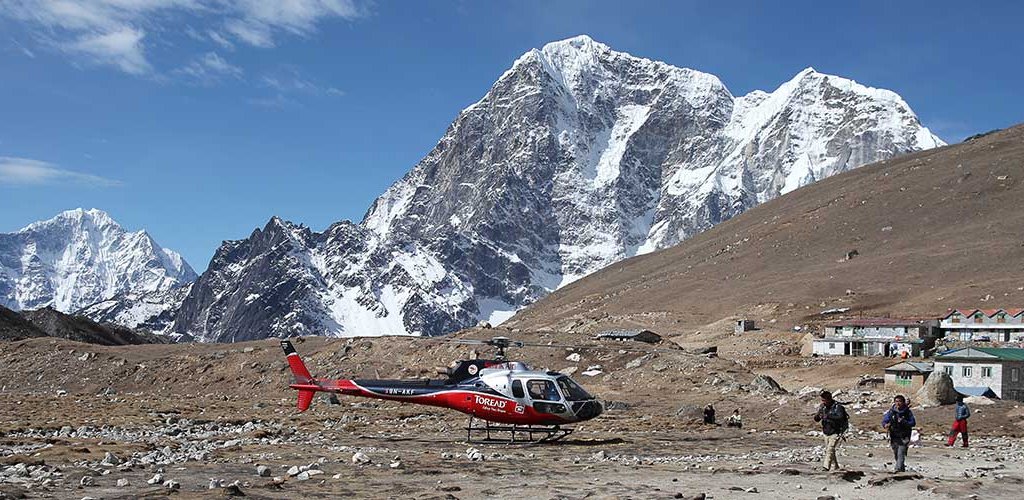
The monsoon, generally June through early September, is the least reliable period for Everest trekking and helicopter travel. Rain, low cloud, muddy trails, leeches at lower elevations, and frequent flight disruption create logistical challenges. Some experienced trekkers still travel during this period, especially on quieter routes or rain-shadow treks elsewhere in Nepal, but it is not the best season for classic Everest views.
Winter, from December through February, offers quiet trails and occasionally outstanding visibility. It also brings severe cold, snow on higher routes, and a greater chance that passes such as Cho La or Renjo La will be difficult or temporarily closed. Winter can work well for fit, experienced trekkers with flexible schedules and appropriate gear, but it is not ideal for travelers who want the easiest Everest experience.
Choose the Season Around Your Main Priority
Choose October or November for the clearest views and dependable trekking conditions. Choose April or early May for warmer high-altitude days, spring landscapes, and the energy of the Everest climbing season. Choose winter only if solitude matters more than comfort, and avoid relying on monsoon flights for a tightly scheduled trip. Whatever season you choose, build acclimatization days into your itinerary, account for the elevation and activities planned, and leave room for weather delays. In the Everest Region, good timing improves your odds, but sound preparation is what keeps a weather change from becoming a trip-ending problem.
Follow the rest of the Top Experiences series
- TOP TWENTY THINGS TO DO IN EGYPT
- WHY YOU SHOULD VISIT MALTA
- TOP FUN THINGS TO DO IN HAMPI
- 10 HISTORICAL PLACES TO ROAM ACROSS THE WORLD
- 10 HISTORICAL MARVELS OF ITALY
- 10 BEST SHOWS IN EUROPE YOU MUST SEE
- DUBAI THRILLS: 7 MUST-DO ACTIVITIES
- 10 HISTORICAL MARVELS IN TURKEY TO ENJOY WITH KIDS
- MOST ENCHANTING PALACES IN EUROPE
- IN‑BETWEEN MOMENTS IN ASPEN
- BRECKENRIDGE SKI ITINERARY
RESPONSIBLE TRAVELING-BECAUSE I CARE


