Kota Kinabalu, the good and the ugly
Kota Kinabalu has marketed itself well. It is showcased as ´´the dynamic capital of Sabah in Malaysian Borneo; a stunning destination blending history with modernity, whilst also brimming with cultural legacy.“ It is all that and much more. More popularly known as KK, it is located on the northwestern coast of Borneo and is the capital city of one of the eastern states of Malaysia, Sabah and Sarawak. Named after the famous Mount Kinabalu, KK is the gateway to all the natural delights Borneo has to offer – proboscis monkeys, rainforests, blue seas, golden beaches, and magnificent corals. It is a city that thrives on tourism, and even the greenest of newbie travellers would not find it difficult to explore its charms. However, tourism comes at a cost, and in my opinion, KK is paying a hefty price.
Kota Kinabalu: caveat
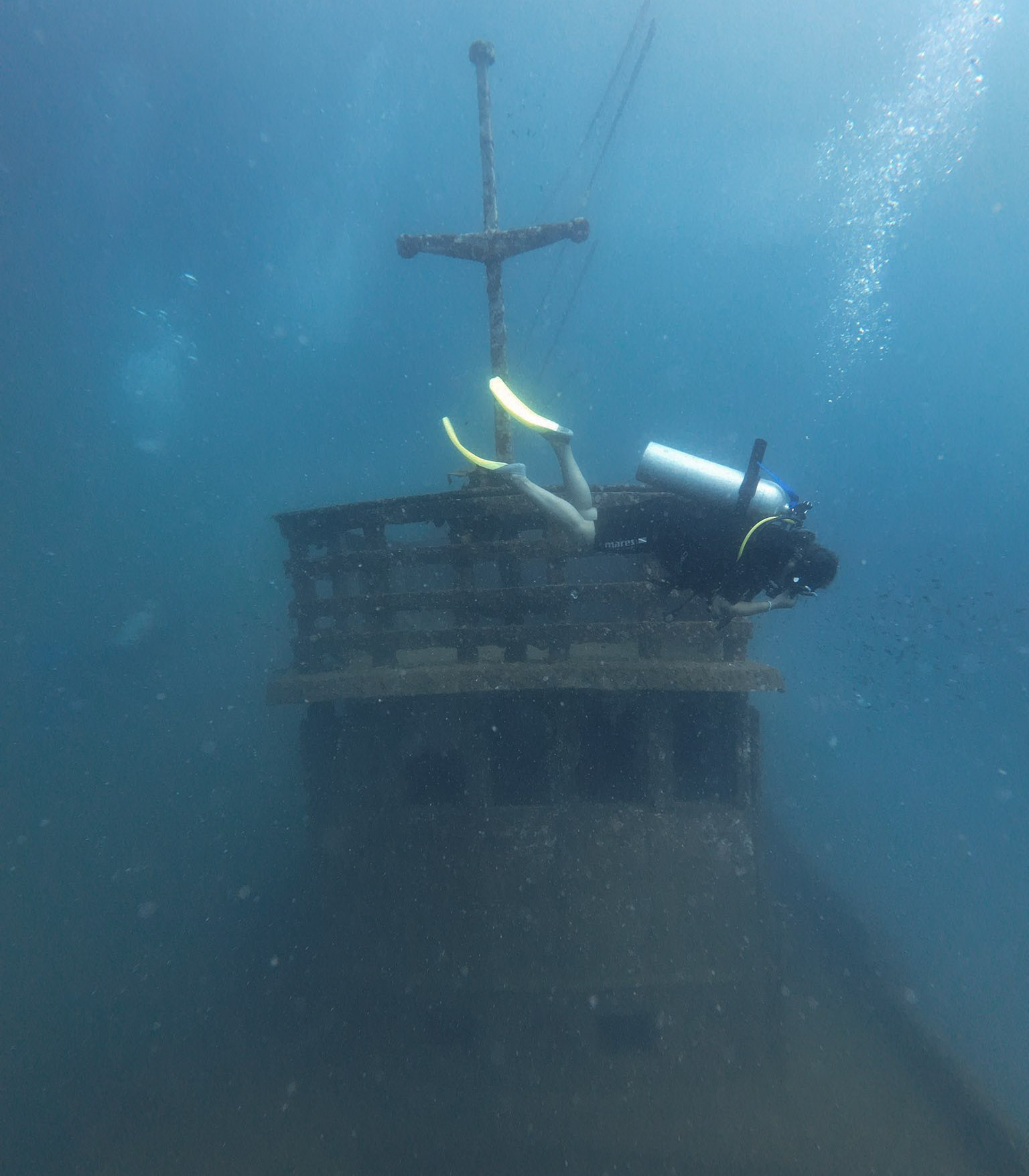
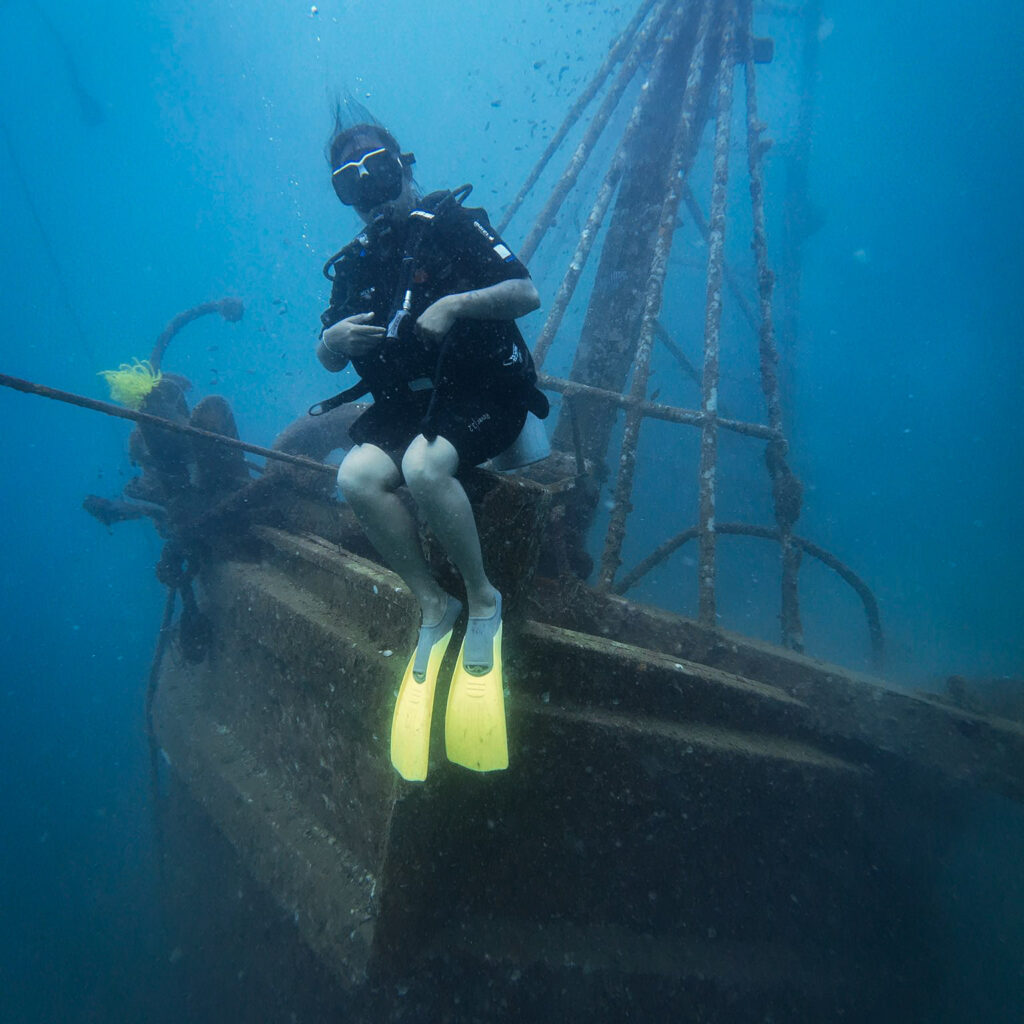
Don´t get me wrong. I loved Kota Kinabalu. It is a friendly, easy place to be in, and the people are lovely. However, its streets are overcrowded, its rivers are bursting with wildlife safari boats, and the pristine waters of the South China Sea carry islands of trash. I am from 80s India, and have grown up witnessing what lack of sanitation can do to a country, and the trash-choked islands and the sea shocked me to the core. We went for a diving and snorkeling day trip to one of the islands around KK, and I have never seen so much trash in the ocean or on the beach. I could say the same for the vast stretches of palm oil plantation that took over forested land, and it hurts me to experience this change. However, it was not meant as a criticism because then it would be the pot calling the kettle black, but I sincerely hope that there are more people out there who notice the slow killing of Borneo´s natural treasure and that we still have time to do some damage control.
Is it still worth a visit? Definitely, yes
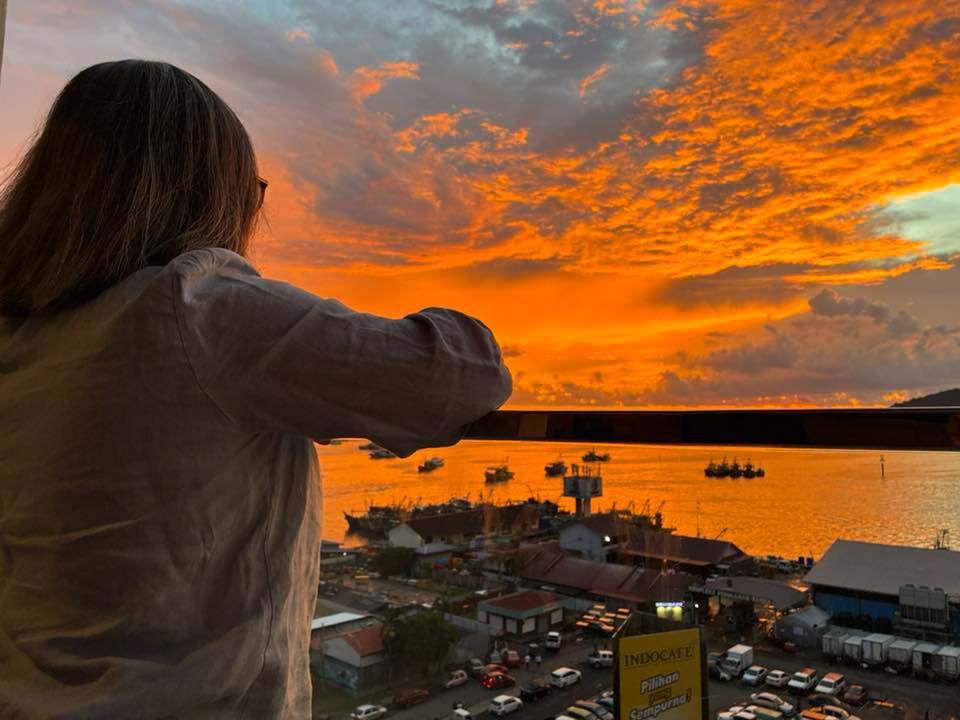
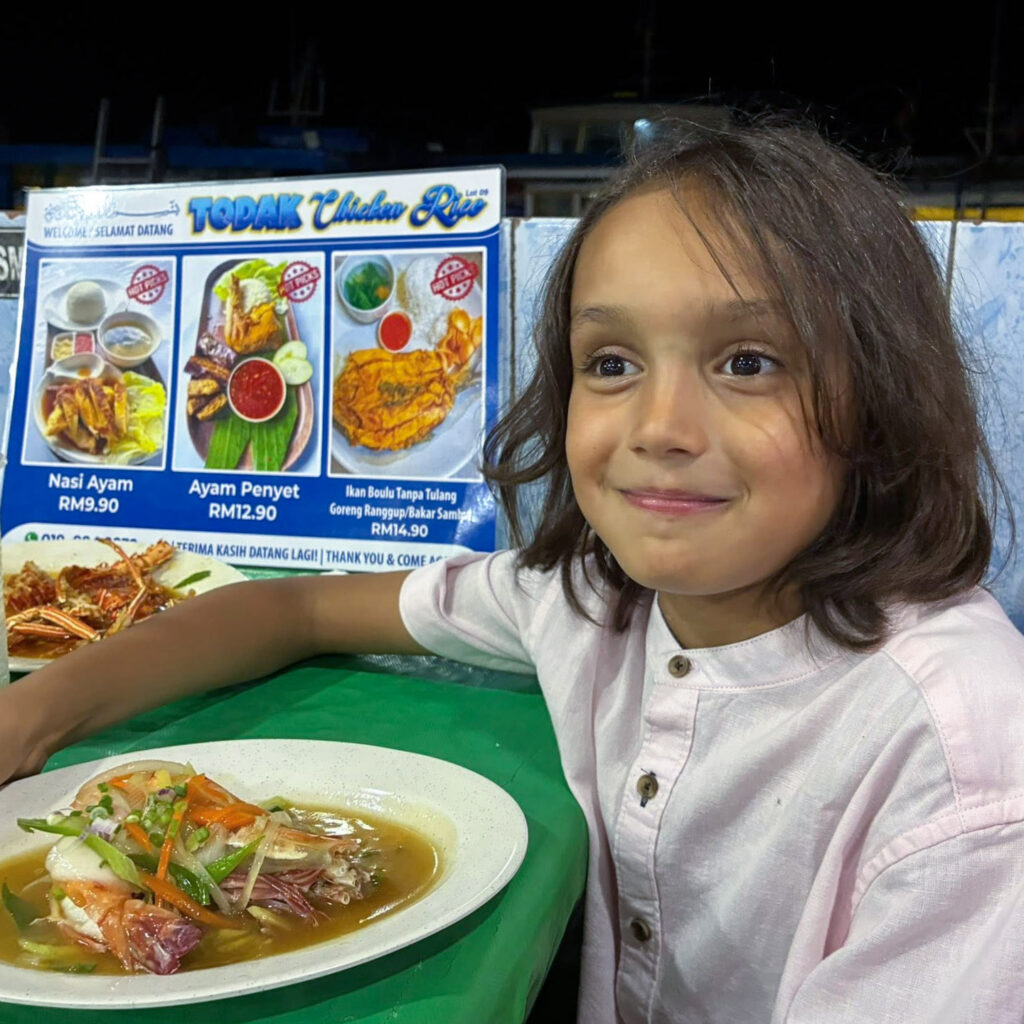
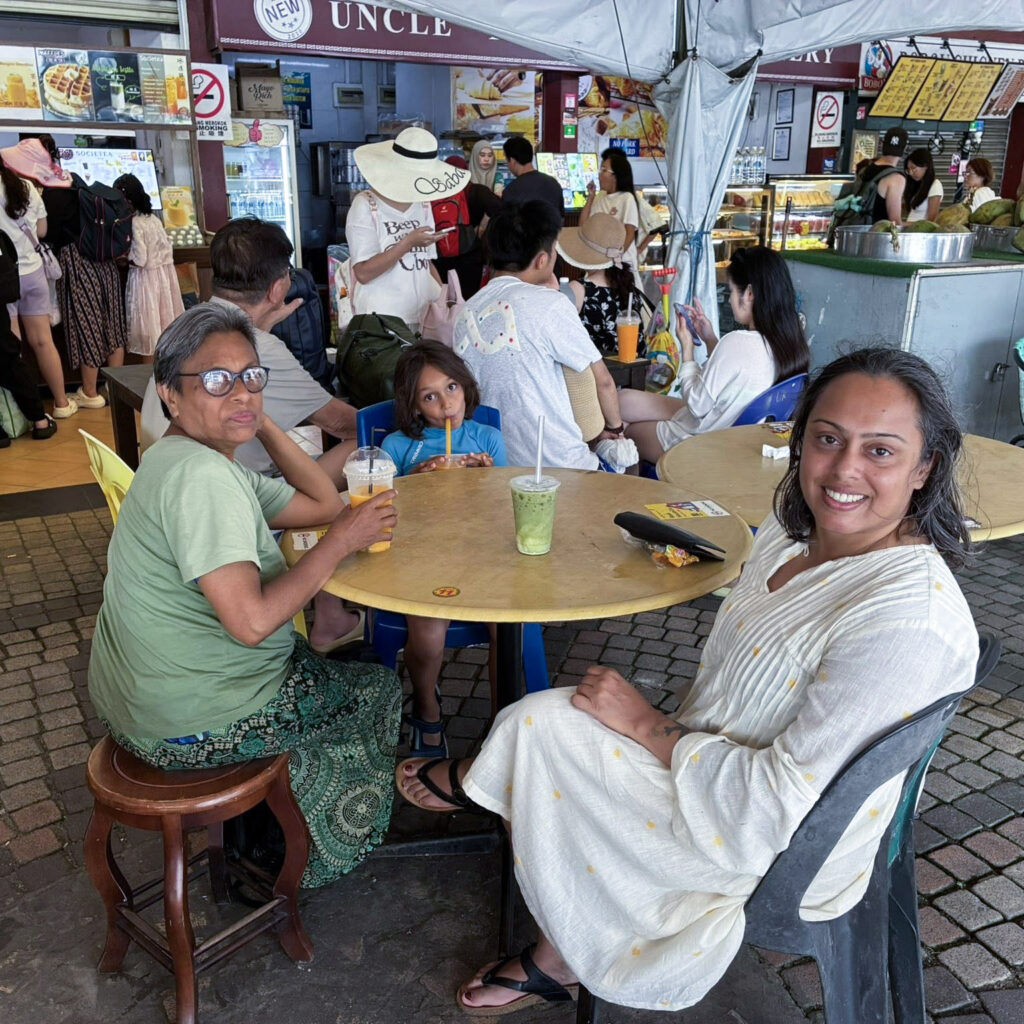
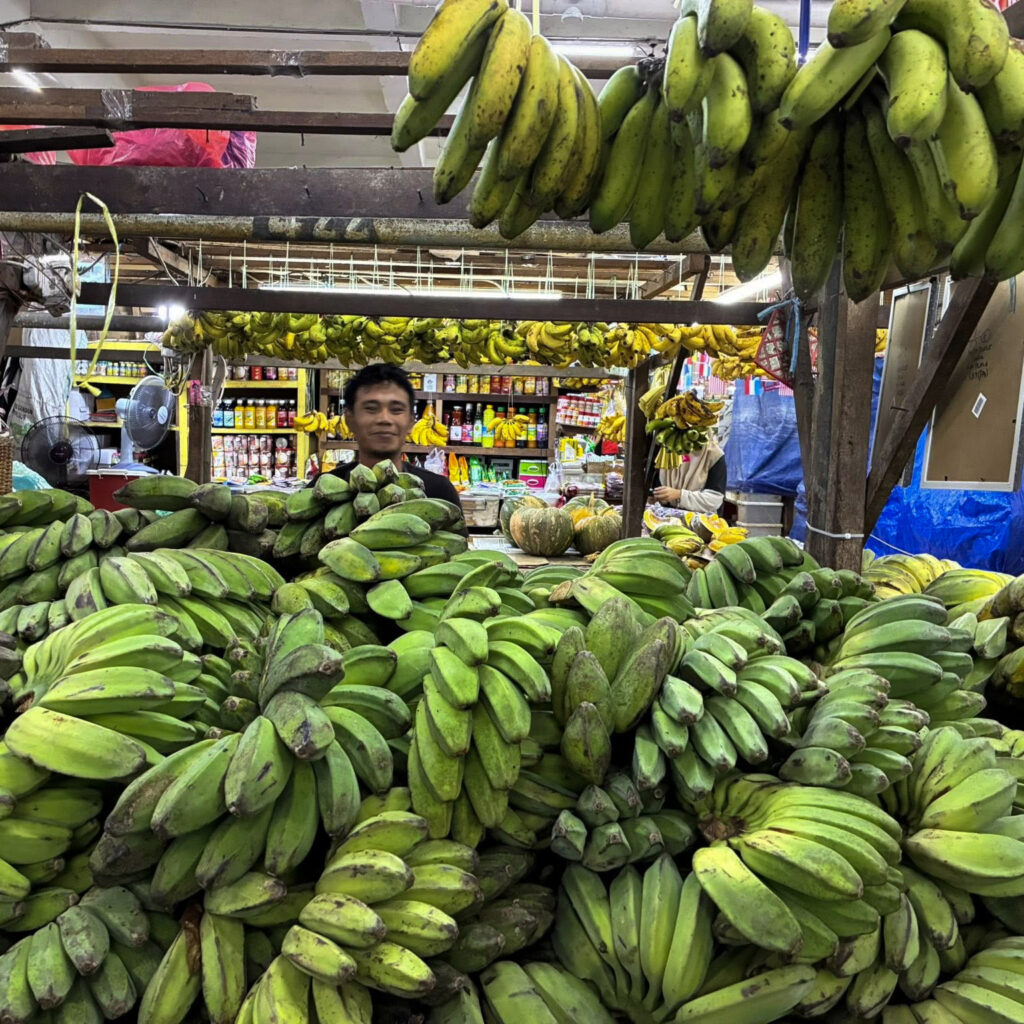
Having unloaded my ´´ugly´´ perspective, let´s focus on the good side of Kota Kinabalu. At first glance, KK seems like urban sprawl, but if you dive deeper, you will find a city famed for its food and hospitality. Its people are the true highlight, and I am yet to meet a friendlier bunch of locals in Malaysia. This city loves to eat, and KK´s local markets are gastronomic delights. Try the Night Markets (Pasar Malam), famed for Malaysian and Chinese eats; SEDCO Square, popular among tourists for its seafood; and Chinatown/Gaya Street (Old Town). Don´t forget to step into one of KK´s numerous eateries and dine the way the locals do. Sample local Chinese, Singaporean, Malay, and Filipino dishes, and don´t forget to try the fish head curry at a Malay Indian restaurant. At first sight, the fishy stare of the massive head might be perplexing, but I guarantee that once you get past it, you will enjoy the delicious sauce and the succulent meat. We had a very nice time in Kota Kinabalu. Our vacation apartment overlooked the sea, and on most days, we witnessed some of the most beautiful sunsets from there. Most of our time was spent simply walking around the city, and we went for only two day trips. Once, it was a forgettable Klias wetlands and fireflies, and the other was a day trip to Gaya Island. As you might have guessed, our trip was ‘low key’ and tranquil, but it is a solid travel base for experiencing rainforests, islands, Borneo wildlife, and Mount Kinabalu.
Kota Kinabalu Travel Guide
How many days would you need, and the best time to visit
Although this is a matter of perspective, to truly enjoy this vibrant city, give yourself five days, especially if you want to climb Mount Kinabalu or enjoy the farther islands. January to March is the peak season, thanks to the clear, blue skies and minimum rainfall. It is perfect for snorkeling/diving, wildlife viewing, and climbing Mount Kinabalu. However, it is also the most crowded and expensive. We visited during the low season (November to December & June to August) in August and had only one day of sporadic rain. The visibility was low, and the humidity was very high at that time. The shoulder season is from April to May & September to October.
How to Reach and Getting Around
Kota Kinabalu is accessible from mainland Malaysia as well as various places in Borneo. The fastest way to reach KK from different cities in Borneo (Malaysian, Brunei, and Indonesian) is by flight. The only way to reach KK from mainland Malaysia is by flight. Air Asia is the most reliable airline, and the flight takes around 2 hours. You can reach KK by boat from Labuan. It takes 3 hours (RM 18 – around 4 Euro for adults, regular ticket). The airport is just 10 minutes drive from KK, and the cheapest way to reach the city is by Grab taxi. Make sure that you have a local SIM card in order to use the Grab app. KK is a very easy city to explore. You can rent a car online, use Grab, or the numerous buses and minibuses that ply around cheaply. These can be found at the Wawasan Bus Terminal. As a traveller, you can also rent a motorbike, and since it is a relatively small city, just explore KK on foot. You need a ferry or a private boat to reach the outlying islands in the Tunku Abdul Rahman Marine Park. Go to Jesselton Point Jetty to hire a speedboat service. The price depends on the island and the services included. Go early so that you have the entire day on the island.
Where to Stay
Kota Kinabalu offers plenty of accommodation options to suit all types of travel needs and tastes. We stayed at a vacation apartment on the waterfront, and except for the crowded lobby, it was perfect. There were plenty of restaurants, markets, and shops around, and we could easily walk to the Jesselton Point Jetty from there.
Things to Do
The internet is filled with Kota Kinabalu things to do posts (check out this comprehensive post), and there´s no point in my repeating the same. Here´s a list of things you could do when travelling with kids:
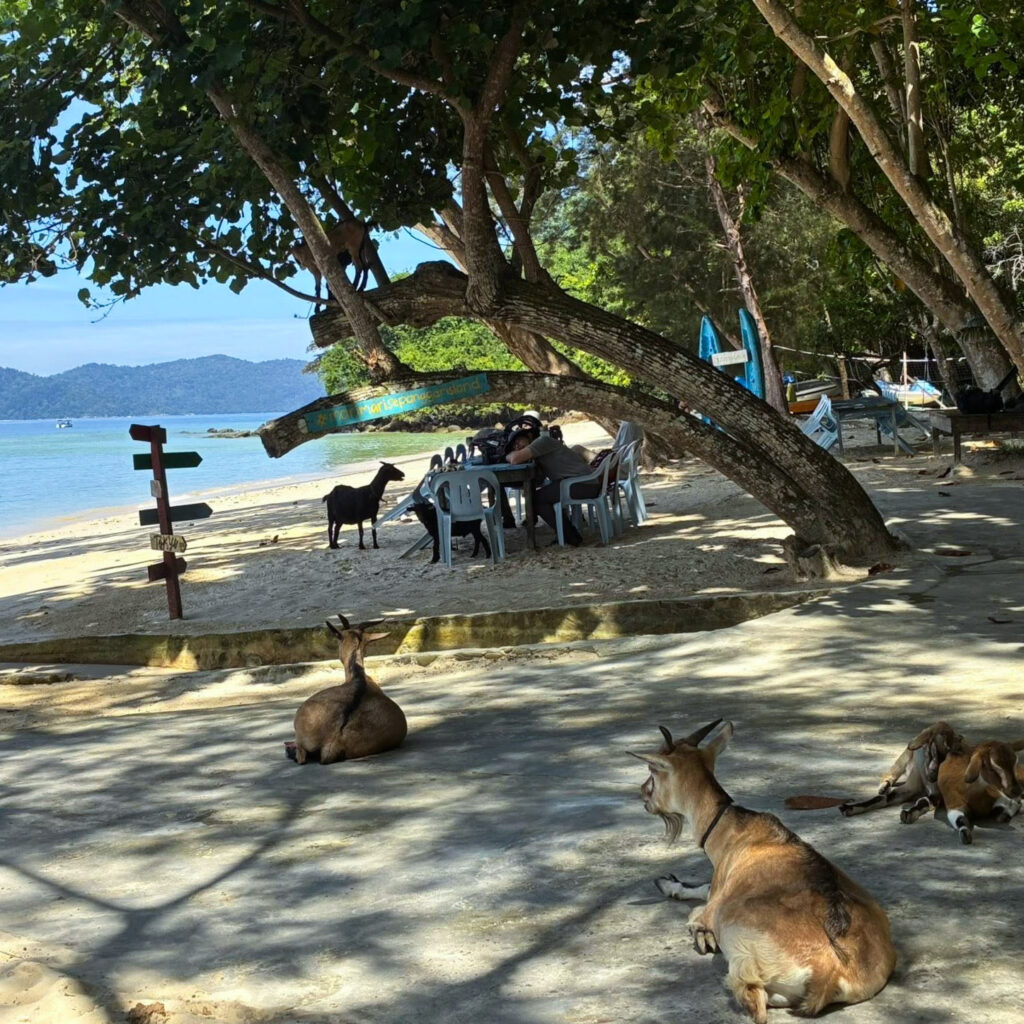
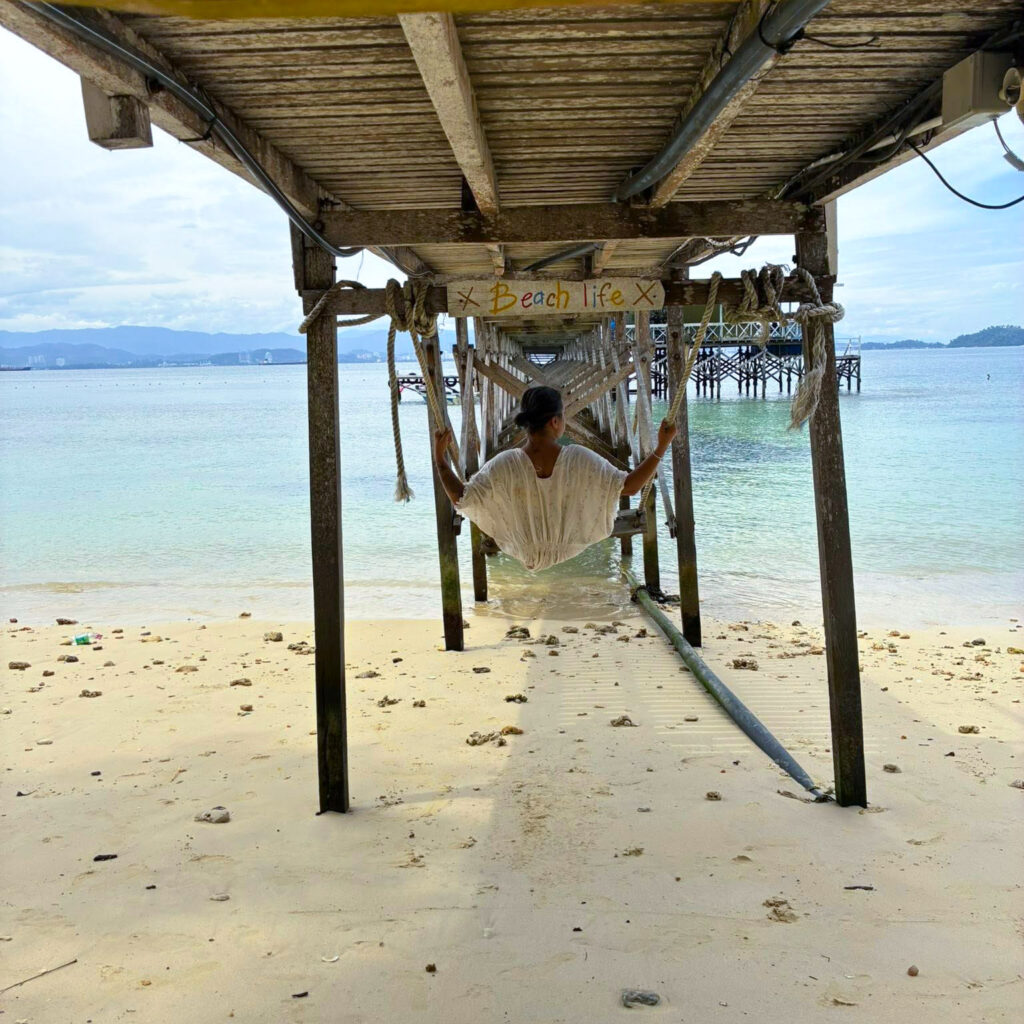
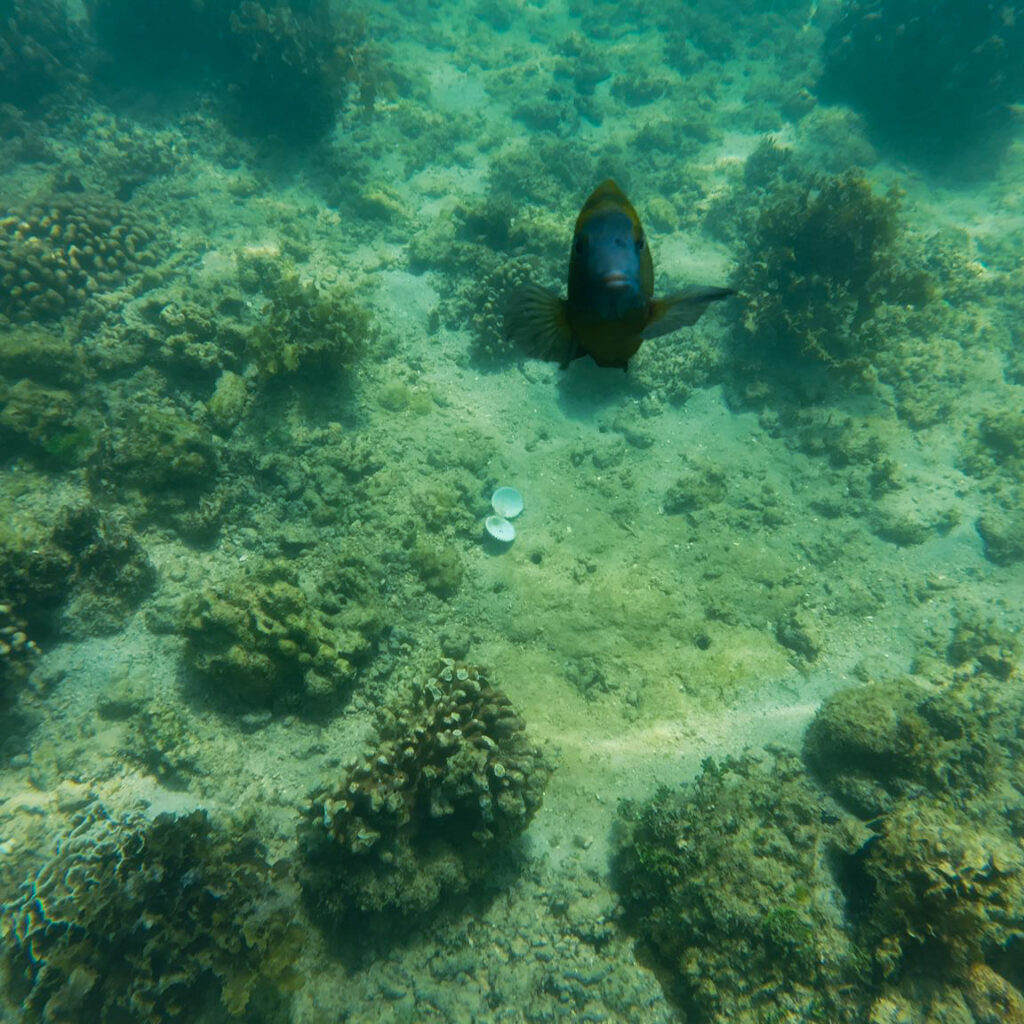
- Go island hopping in Tunku Abdul Rahman National Park – Named after Malaysia´s first Prime Minister, this marine park is very popular among tourists. Consisting of 5 islands, this is one of those very touristy, but ´like to do´ activities in KK, because who doesn´t like to spend a day at the beach. The islands are lovely, but don´t expect paradisiacal islands. They are often crowded, and sometimes waste gets washed up on the beach. Some of these islands have resorts, and you can camp on the beach in Manutik Island. The other islands are Gaya (the largest and the closest), Sulug, Sapi, and Manukan. Just go early to Jesselton Point Jetty and choose from the dozens of boat companies that offer transportation here. You can choose the number of islands you want to visit and whether you want to rent a snorkel set or a diving trip. Prices are standardised. Only the departure timings differ. Life vests and snorkeling gear can be rented here. The longest boat ride is 20 minutes.
- Visit the cultural villages – There are two cultural villages near Kota Kinabalu. The Monsopiad Cultural Village is the older one and is named after a fearsome headhunter. It introduces the visitors to the history and traditions of the Kadazan people. The highlight is Monsopiad’s grisly display of 42 skulls and the guide´s explanation of traditions such as the rituals practised by the bobohizan (priestess). You can also sample lihing (rice wine) and try your hand at blowpipe and sling. The visit ends with a traditional dance show. It is a bit expensive and costs around MYR 250 (54 Euros for a 4-hour visit). The newer alternative is Mari Mari Cultural Village. It has a theme park feel to it, but it is a great way to spend half a day. Activities include a tour of the traditional longhouses, an explanation of the customs of Sabah’s various tribes, rice wine tasting, beekeeping for honey and glue production, starting a fire using bamboo, making sweets, followed by a dance show and a buffet meal.
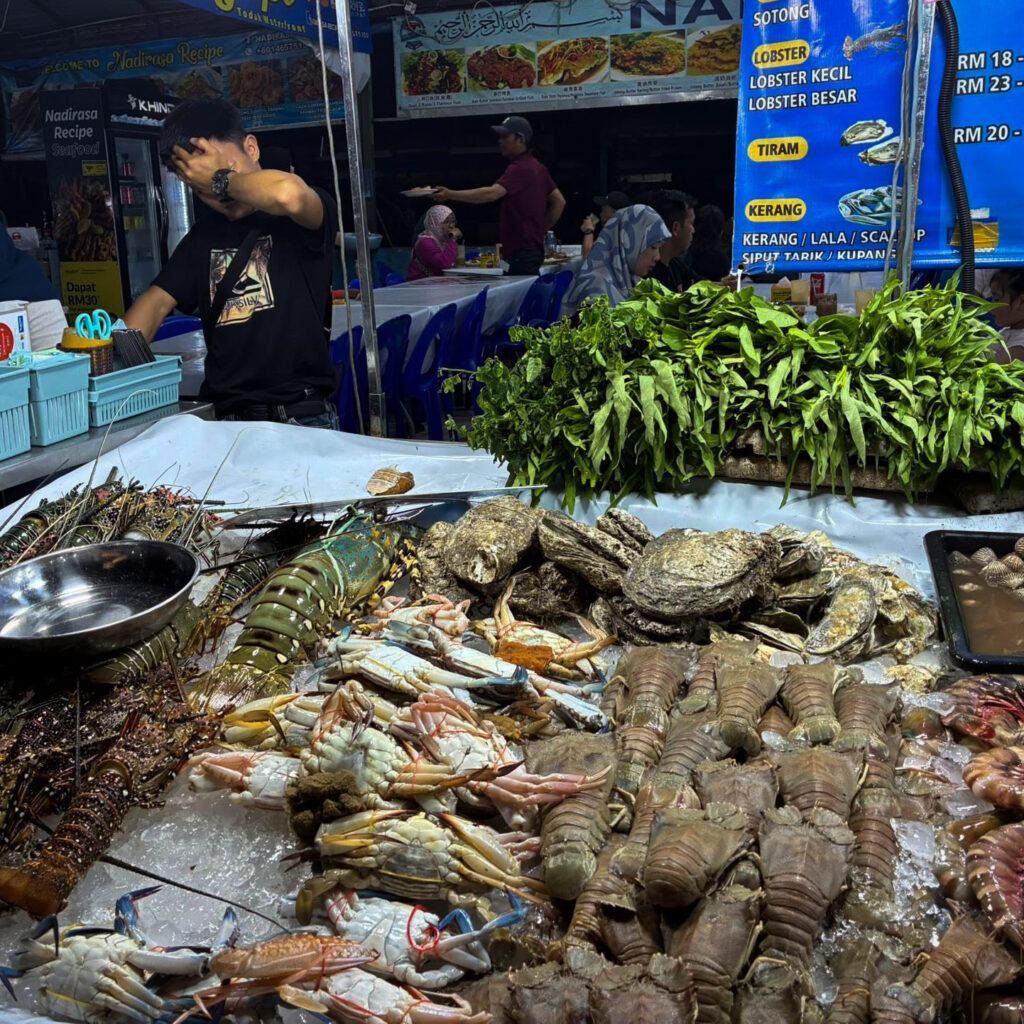
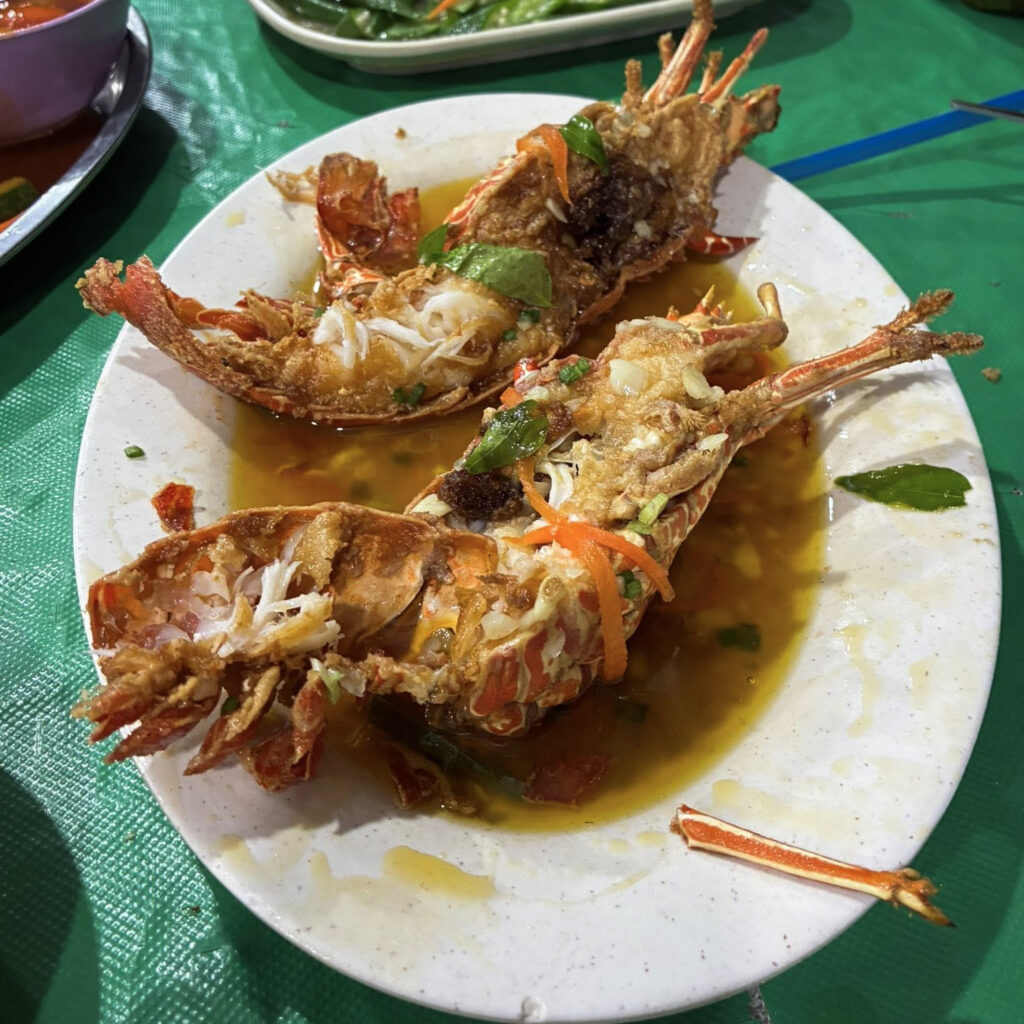
- DIY activities – Go for a self-guided tour. Explore the city´s food scene and visit its vibrant markets. Check out this website for more information. Don´t forget to indulge in some seafood at the Todak Waterfront Hawker Center. Watch truckloads of fresh fish and seafood being unloaded and put on display. Choose what you want, and have it cooked fresh the way you want it. Select some sides, something to drink, and catch some sea breeze while you dine. It is very lively in the evening with occasional live music. Explore a bit further to visit the Filipino Night Market for nearly everything under the sun – fresh fruit and vegetables, cheap meals, and clothing.
- Other activities – Climbing Mount Kinabalu, river kayaking, fireflies, and wetland tours are other things to do in KK.
- Sights to See – The lovely floating City Mosque – Masjid Bandaraya, Atkinson Clock Tower, and the Signal Hill Observatory Platform, Sabah State Museum, and Sabah Islamic Civilization Museum
Where to go next
- Sandakan – a 50-minute flight or a 7-hour bus drive
- Kuching
- Lahad Datu
Follow the rest of the Malaysia series
- KUALA LUMPUR PHOTO ESSAY
- FOOD TOUR IN KUALA LUMPUR
- CHARMING GEORGETOWN
- GEORGETOWN PENANG STREET ART
- GEORGETOWN PENANG STEEL SCULPTURES
- KUALA LUMPUR FOOD TOUR
- Malaysia through the eyes of a child
- OUR 2025 MALAYSIA ITINERARY
- KUALA LUMPUR THINGS TO DO
- RINGLET, OFFBEAT CAMERON HIGHLANDS
- KUCHING THINGS TO DO
- BAKO NATIONAL PARK
RESPONSIBLE TRAVELING-BECAUSE I CARE