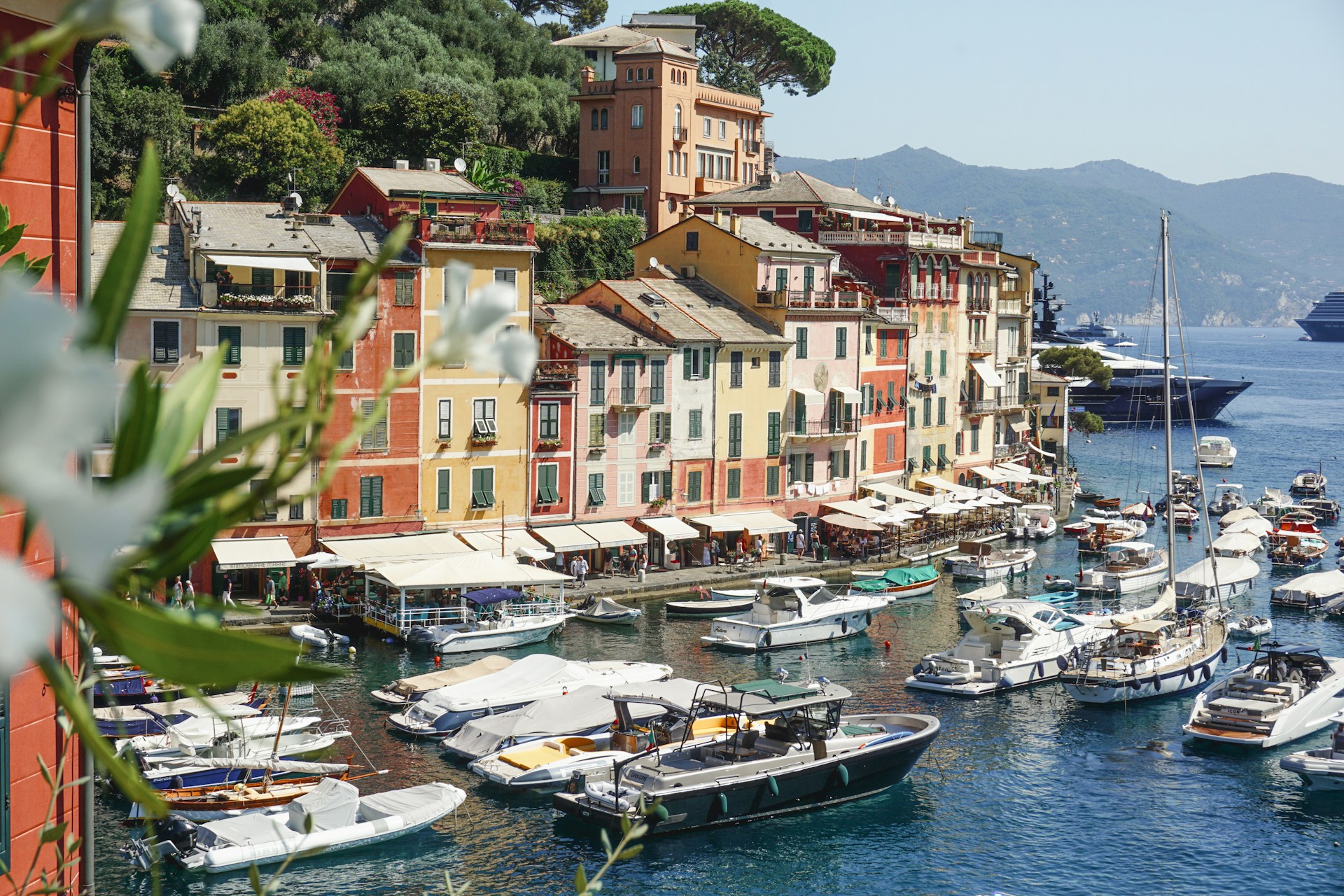
A Slow Travel Guide to Europe: Explore More, Roam Less and Stay Connected
Cobblestone streets, quiet cafés, and a train ride to somewhere unexpected. Here is how to explore Europe slowly, spend more time enjoying each stop and keep your phone working across borders. There is a particular pleasure in arriving somewhere without a long checklist. You leave the station, find a café, and watch the city settle into its ordinary rhythm. Perhaps the best part of a European trip is not the famous monument at all, but the morning you had enough time to get lost on the way there. Europe makes this kind of travel possible. Trains connect historic towns, neighbourhood markets are made for wandering, and a few extra nights in one place can reveal far more than a rushed itinerary. The trick is planning just enough: where to stay, how to move between countries and how to stay connected without spending your holiday troubleshooting your phone.
What Slow Travel Actually Means
Slow travel is not about doing nothing. It is about giving each place room to surprise you. Instead of five capitals in seven days, try two bases and a day trip. Instead of booking every meal, leave an afternoon open for a market, a riverside walk or a small museum you discover by chance. This approach can also reduce transport costs and the exhaustion of constant packing. It works for solo travellers, couples and families alike. You can still see the landmarks; you simply stop making them the only reason to visit.
Choose a Route That Gives You Breathing Space
A sensible route groups destinations with easy connections. The following examples are starting points rather than fixed itineraries. Check current train schedules, entry requirements and seasonal opening hours before booking.
| Route | Suggested pace | Why it works | Good for |
| Cologne → Amsterdam | 3–4 nights each | Walkable neighbourhoods, museums and canals | First-time city travellers |
| Prague → Vienna | 3–4 nights each | Architecture, cafés and rail connections | Culture and history |
| Lisbon → Porto | 4 nights + 3 nights | Food, viewpoints and a gentler city rhythm | Relaxed coastal breaks |
| Kraków → Wrocław | 3–4 nights each | Old towns, markets and varied day trips | Budget-minded explorers |
If you are new to planning an affordable European route, Maverickbird’s existing guide is a useful companion:
Top Budget-Friendly Destinations in Europe for Indians
Spend Longer in Neighbourhoods, Not Just Attractions
The most memorable hours often happen between the headline sights. Browse a local bakery before the queues form. Take a tram to a residential neighbourhood. Return to the same café twice and notice how different the street feels on a weekday. In Cologne, the Rhine promenade and smaller neighbourhood streets reward unhurried walks. In Amsterdam, an early canal stroll can feel very different from the busiest museum district. Wherever you go, try to plan one major activity per day and leave the rest flexible. That one planned activity is worth choosing well. A walking tour on your first morning helps you get your bearings, and a food tour is an easy way to meet locals. FunScanner lets you compare walking tours in Prague, Amsterdam and other cities on this route, with reviews and clear prices, so you can book that one fixed plan and leave the rest to chance. For a more personal view of the region, explore Maverickbird’s writing on life in Germany and the first impressions of Köln.
First impressions of Köln in Germany
The Small Digital Details That Make Travel Easier
Even an unplanned afternoon benefits from a few useful tools. You may need a map to find a quiet guesthouse, a translation app to read a menu, or a railway app when a platform changes. Public Wi-Fi is not always available exactly when you need it, and roaming fees can vary significantly by home operator. Before leaving, download offline maps, save accommodation addresses and store tickets somewhere accessible without mobile data. Check your bank’s overseas authentication method too. Having reliable data is helpful, but the essentials should not depend entirely on a signal.
Travel eSIM vs Roaming vs a Local SIM
For travellers visiting more than one country, choosing how to connect is worth a few minutes before departure. Here is a practical comparison; exact features and prices depend on the provider, destination and plan.
| Option | Setup | Across borders | Best for |
| HelloRoam travel eSIM | Install digitally before departure | Check eligible countries in selected regional plan | Multi-stop trips with compatible phones |
| Home-network roaming | Keep existing SIM and plan | Depends on your home carrier | Short trips with included roaming |
| Local physical SIM | Buy or collect SIM in destination | May need a new SIM outside coverage area | Longer stays in one country |
| Public Wi-Fi | Connect at hotels or cafés | Only where a network is available | Occasional browsing and downloads |
The main appeal of a travel eSIM is convenience: no tiny plastic card to swap and no need to find a mobile shop after arrival. HelloRoam offers destination and regional options, but travellers should confirm that every country on their route is included, along with the data allowance and hotspot conditions, before buying.
Explore HelloRoam travel eSIM options
How to Prepare Your eSIM Before Departure
First, confirm that your phone supports eSIM and is carrier-unlocked. Purchase a suitable plan while you have a stable internet connection and follow the provider’s installation instructions. Some plans begin their validity at installation, while others begin when they first connect, so check the activation terms rather than assuming. Once abroad, select the travel eSIM for mobile data and review the roaming settings on your home line to avoid unintended charges. Keep your regular SIM enabled only if you need calls or verification texts, and remember that those services may still incur fees. A data-only eSIM generally does not replace your normal phone number. A regional plan can simplify a route that crosses several countries, but it is not a substitute for checking coverage. Mountain areas, trains and rural destinations may have weaker signals regardless of provider.
How Much Data Should You Plan For?
If you mostly use maps, messages, tickets and occasional searches, a modest data allowance may be enough. Photo backups, video calls and streaming consume much more. Download films and large files over trusted Wi-Fi, disable automatic cloud uploads on mobile data and check your phone’s usage statistics during the trip. Travelling with a companion? Check whether your specific plan permits hotspot sharing before relying on one phone for everyone. Carry a power bank for long rail days, especially when navigation and photography keep your screen on.
A Simple Pre-Departure Checklist
· Check passport validity, visas and entry rules for every country on the route.
· Book the longer train legs early, but keep at least one free afternoon in each city.
· Download offline maps and save accommodation and transport confirmations.
· Confirm eSIM compatibility, plan coverage, validity and activation instructions.
· Pack a suitable plug adapter, power bank and weather-appropriate layers.
A Different Kind of European Memory
Slow travel gives you permission to notice what a packed itinerary hides: the smell of bread in a side street, the sound of bicycles passing at dusk, or a conversation that lasts longer because you are not rushing to the next station. Keep your essentials organised and your connection ready, then put your phone away when the best moments happen.
For more inspiration on experiencing European cities beyond a checklist, Maverickbird also shares longer destination stories and practical travel guides.
Browse Maverickbird travel guides
Frequently Asked Questions
Is slow travel in Europe practical without a car?
- Yes. Many city-to-city routes are possible by train or bus, though rural areas may require extra planning.
Will one travel eSIM work across several European countries?
- A regional eSIM may cover multiple countries. Check the exact destination list before purchase.
Can I keep my usual phone number with an eSIM?
- On compatible dual-SIM phones, your regular line can remain installed while the travel eSIM supplies data. Calls and texts on the regular line may cost extra.
Is it worth booking any tours on a slow travel trip?
- Yes, as long as you keep it light. One guided walk or food tour per city adds local insight without filling your days.
Do I need mobile data all day when travelling?
- Not necessarily. Offline maps and downloaded tickets reduce data use, while mobile connectivity is useful for live updates and changes of plan.
Follow the rest of the Top Experiences series
- TOP TWENTY THINGS TO DO IN EGYPT
- WHY YOU SHOULD VISIT MALTA
- TOP FUN THINGS TO DO IN HAMPI
- 10 HISTORICAL PLACES TO ROAM ACROSS THE WORLD
- 10 HISTORICAL MARVELS OF ITALY
- 10 BEST SHOWS IN EUROPE YOU MUST SEE
- DUBAI THRILLS: 7 MUST-DO ACTIVITIES
- 10 HISTORICAL MARVELS IN TURKEY TO ENJOY WITH KIDS
- MOST ENCHANTING PALACES IN EUROPE
- IN‑BETWEEN MOMENTS IN ASPEN
RESPONSIBLE TRAVELING-BECAUSE I CARE


