What a first ski trip really teaches you
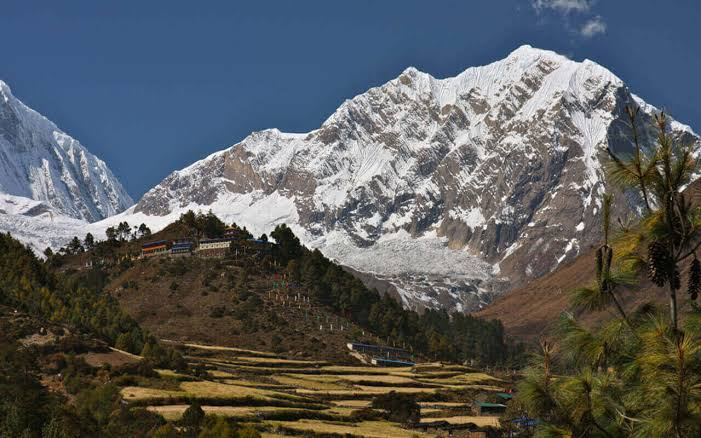
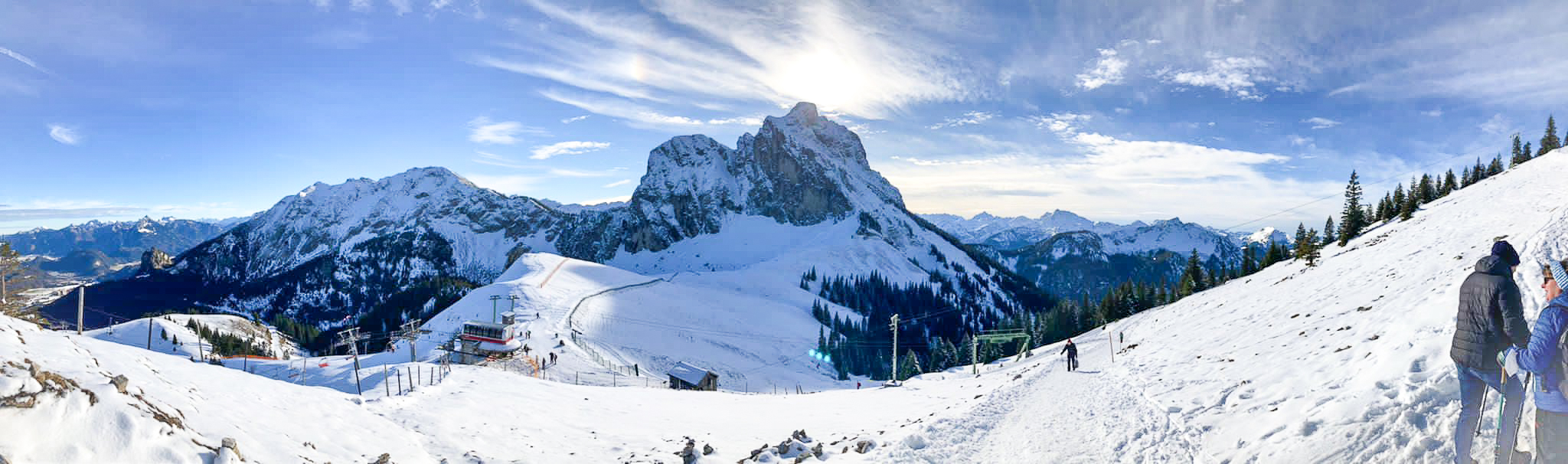
The mountain looked beautifully simple from the window: white slopes, dark pines, and tiny skiers drawing confident lines through the snow. Well, and then I put on ski boots. Suddenly, walking became a negotiation, my gloves swallowed every buckle, and the gentle beginner slope rose before me like a frozen wall. I had arrived imagining speed and powder; instead, my first morning was devoted to standing up, shuffling sideways, and trying not to slide backward into strangers. It was not elegant. It was, however, one of the most honest introductions travel has ever given me.
The first lesson was how to fall
I was shown the basics, pointed my skis downhill, and reminded to relax. Naturally, I did the opposite. I stiffened, gathered speed, and toppled into the snow with all the ceremony of a collapsing deck chair. Thankfully, nothing hurt except my pride. A child skimmed past me; an older beginner got up faster; everyone else seemed far too busy to notice my humiliation. That first fall stripped away the performance I had brought with me. On familiar ground, I like to appear capable. Here, it was obvious that I was very much not. The awkwardness reminded me of my first experience on Gulmarg’s baby slopes, complete with splayed legs and decidedly ungraceful movements. But once I stopped treating every tumble as evidence of failure, falling became information. Snow is a surprisingly patient teacher. It lets you make the same mistake until you finally understand it.
Fear became smaller when I gave it a name
From below, the slope looked manageable. From the top, it appeared to fall off the earth. My fear was not necessarily dramatic; it only arrived as an urgent wish to remove both skis. So I made it specific. I was afraid of gaining speed. I was afraid of crossing someone else’s path. I was afraid I would forget how to stop. Each fear had a practical answer: look ahead, leave space, make one turn, then another. The FIS Code of Conduct says skiers should adjust their speed to their ability, terrain, snow, weather, and surrounding traffic. That sounded less like a warning and more like permission to remain a beginner. I didn’t have to be brave in one magnificent leap. I only had to stay in control of the next few meters.
Progress arrived in embarrassingly small pieces
By the second day, success had shrunk to modest proportions. I celebrated fastening my boots without help and reaching a marker without sitting down unexpectedly. My turns were still wide and apologetic, but they began to connect. For perhaps ten seconds, my body finally understood what it had been told: weight forward, eyes up, trust the edges! The skis curved instead of fleeing, and I felt the clean, improbable pleasure of moving with the slope. And then I fell again. But this time, I laughed before anyone else could! When planning my ski holiday, I wanted the unfamiliar parts – travel, accommodation, and the mountain itself – to fit together sensibly. Yet no amount of preparation could replace patience once I arrived. Learning definitely happened at its own speed, not mine.

The mountain refused my timetable
Travel often rewards momentum, but skiing interrupted that habit: wind delayed a lift, and flat light erased the texture of the snow. Tired legs turned an easy final run into hard work. The latest complete U.S. industry figures offer a much larger reminder of the same truth: skier visits fell from 61.6 million in 2024–25 to 52.6 million in 2025–26 as sharply uneven weather reshaped the season. Those numbers belong to one country, but the lesson travels well: winter does not negotiate with an itinerary. I began checking the conditions, stopping before exhaustion, and accepting that a slow afternoon could be wiser than squeezing value from every minute. It was the same surrender I once found while slow traveling in Bir, where canceled plans made room for a different journey. Patience, I discovered, is not passive! Sometimes, it is the most attentive way to move.
What came home with me
On the last morning, I was still unmistakably a beginner. I didn’t carve perfect turns or descend anything impressive. But I stood at the top without inventing an excuse and reached the bottom upright! The achievement was small enough to be invisible to everyone else. To me, it felt enormous. My first ski trip didn’t teach me fearlessness. It taught me that fear can travel beside curiosity, that humiliation fades faster than we imagine, and that progress rarely looks dramatic while it is happening. But most of all, it taught me to fall without making the fall the end of the story.
Follow the rest of the Top Experiences series
- TOP TWENTY THINGS TO DO IN EGYPT
- WHY YOU SHOULD VISIT MALTA
- TOP FUN THINGS TO DO IN HAMPI
- 10 HISTORICAL PLACES TO ROAM ACROSS THE WORLD
- 10 HISTORICAL MARVELS OF ITALY
- 10 BEST SHOWS IN EUROPE YOU MUST SEE
- DUBAI THRILLS: 7 MUST-DO ACTIVITIES
- 10 HISTORICAL MARVELS IN TURKEY TO ENJOY WITH KIDS
- MOST ENCHANTING PALACES IN EUROPE
- IN‑BETWEEN MOMENTS IN ASPEN
RESPONSIBLE TRAVELING-BECAUSE I CARE