Hauz Khas, Delhi: A Small Travel Guide
Our 21-day offbeat Ladakh itinerary begins and ends in Delhi, with two nights in the capital on arrival and another two nights before the international departure. These additional days are not merely stopovers. They provide time to recover from a long flight, adjust to India and discover a few quieter corners of the capital before travelling towards Srinagar, Sonmarg, Mushkoh Valley, Batalik, Leh and Nubra Valley. One of the best places for an unhurried introduction to Delhi is Hauz Khas. Located in South Delhi, this atmospheric neighbourhood combines medieval ruins, a historic reservoir, green walking areas and the lively lanes of Hauz Khas Village.
A Brief History of Hauz Khas
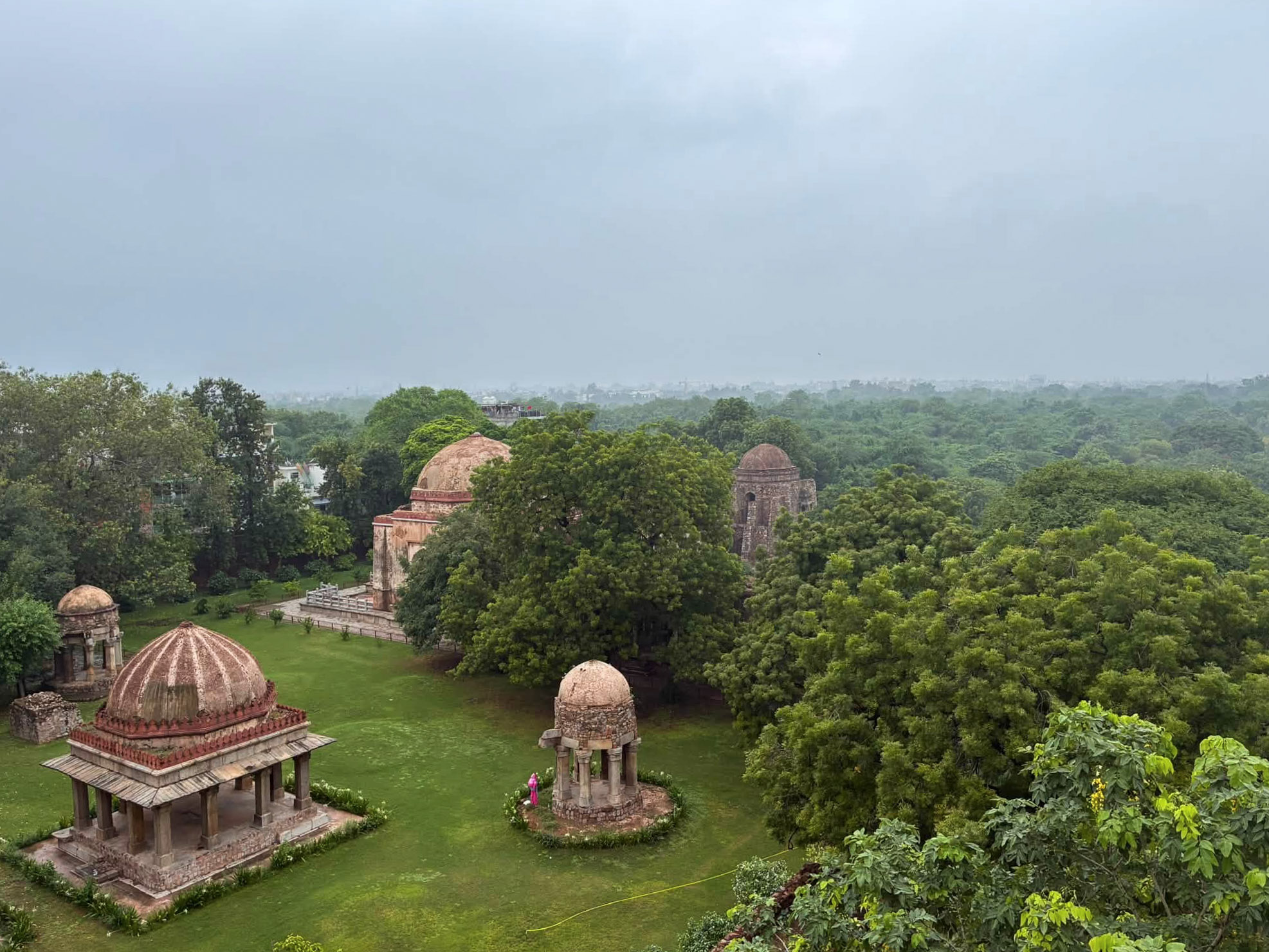
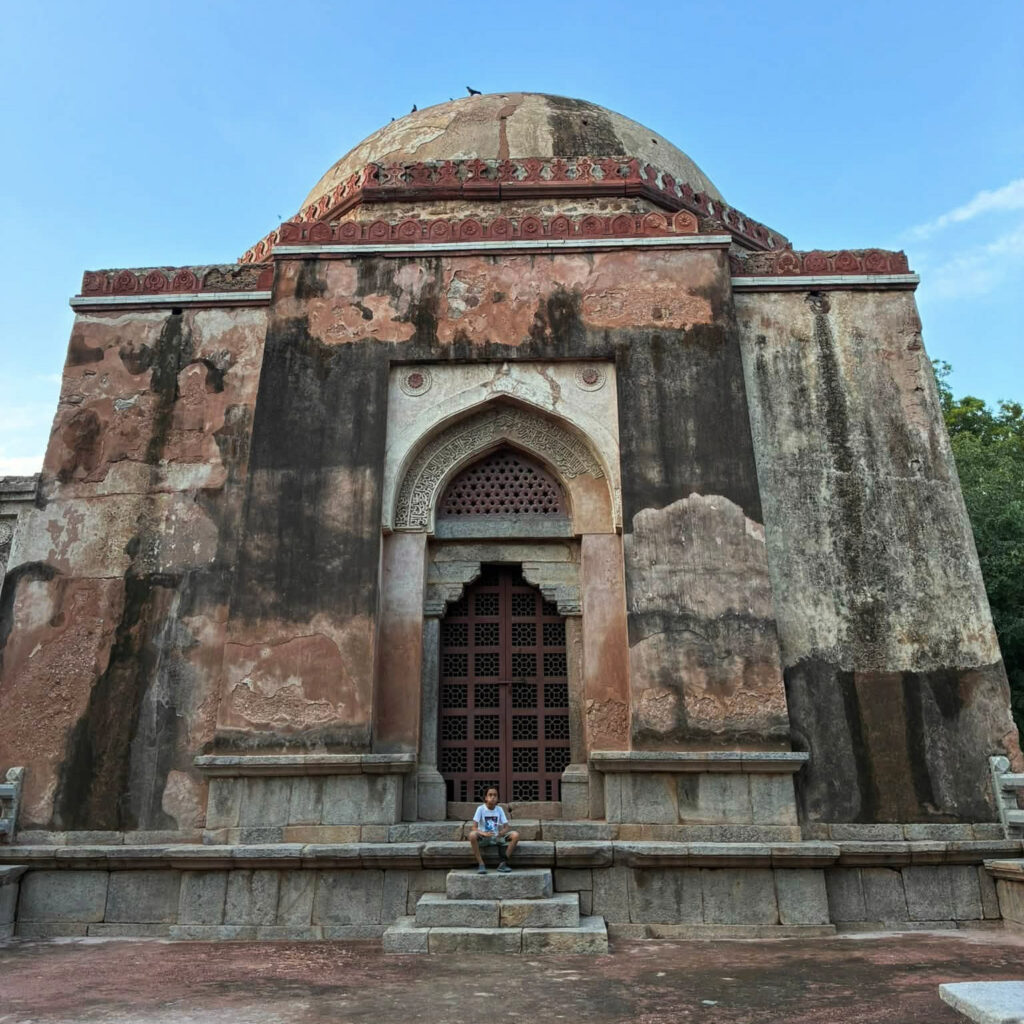
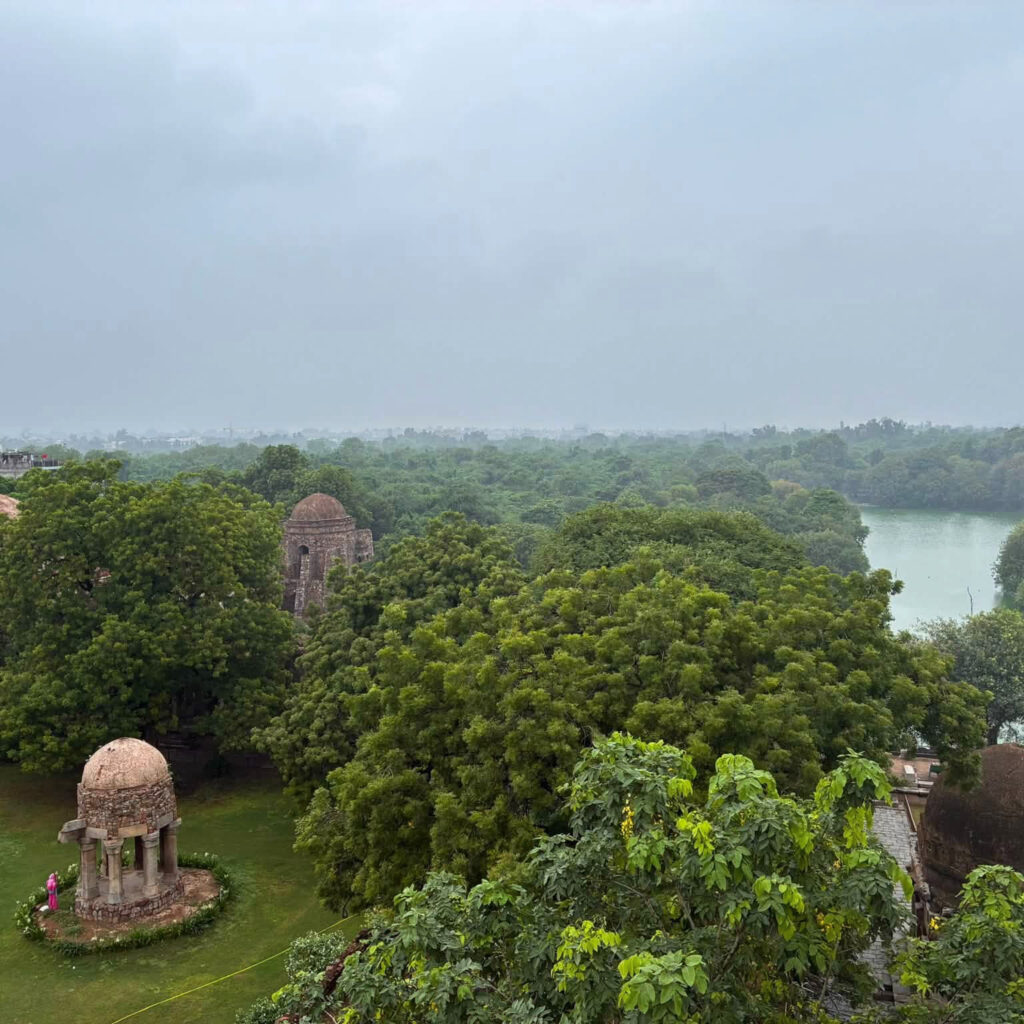
The name Hauz Khas means “royal tank.” The large reservoir was originally constructed during the reign of Alauddin Khalji to supply water to Siri, one of Delhi’s medieval cities. It was later restored by Sultan Firoz Shah Tughlaq, who built an Islamic seminary, mosque, tomb, and several pavilions around it. Today, these weathered structures stand above the water, surrounded by trees and the dense neighbourhoods of modern Delhi. The setting offers a glimpse into the many historical layers that have shaped the city.
Exploring the Hauz Khas Complex
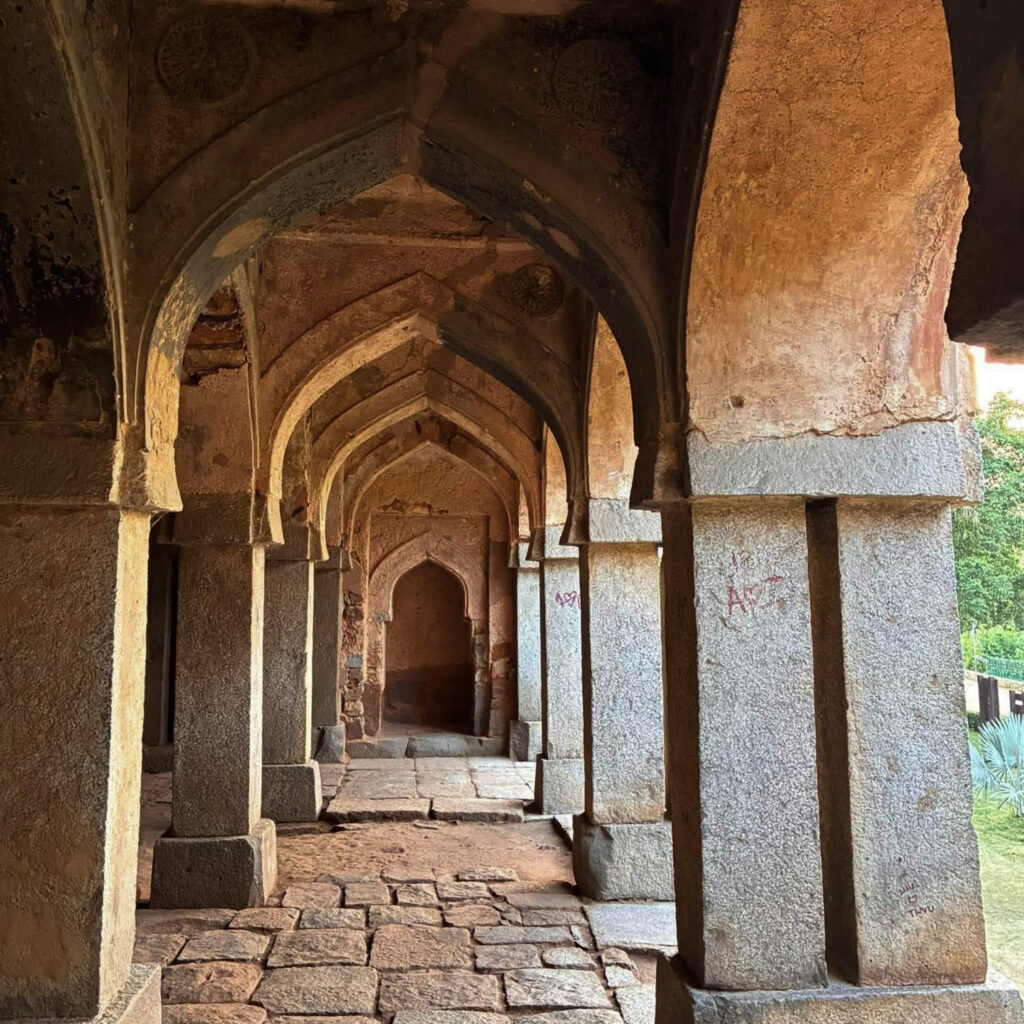
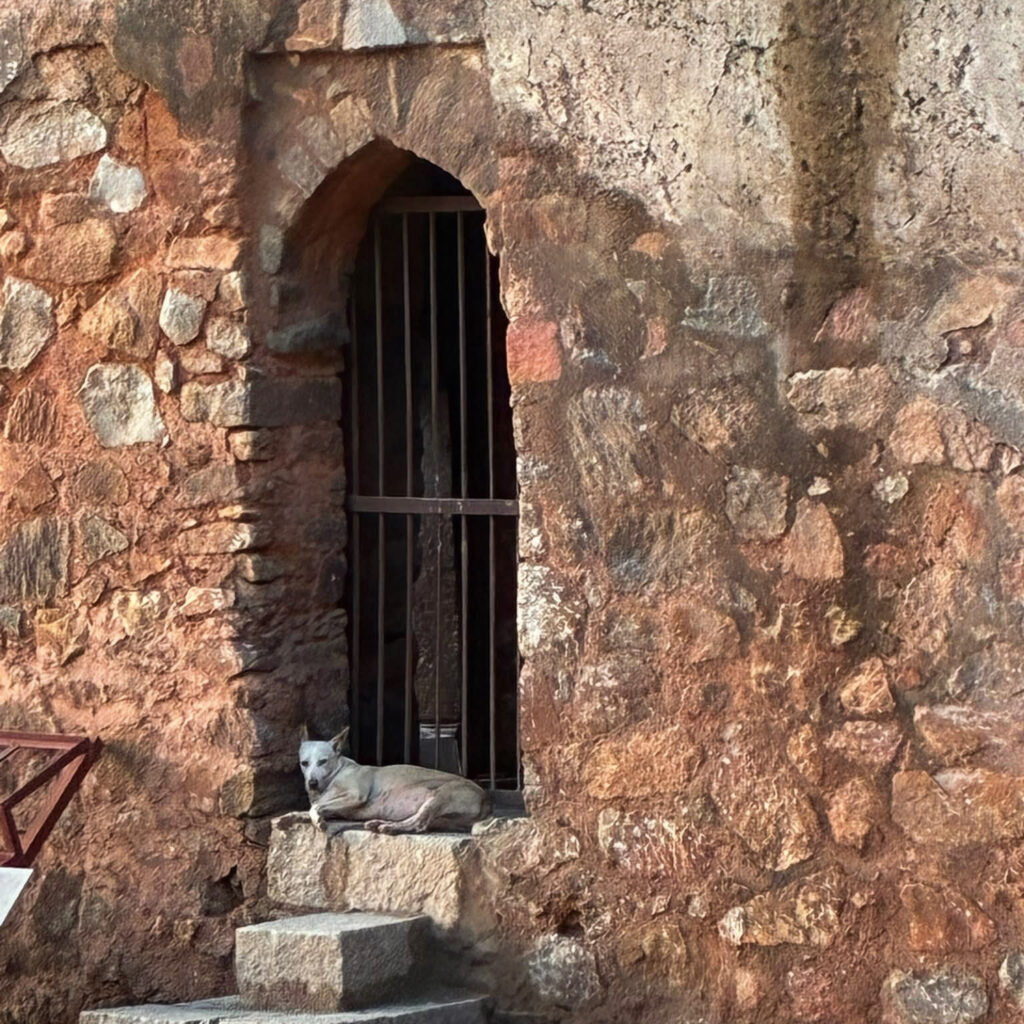
The Hauz Khas Complex is the historic centre of the area. Its stone passages, domed pavilions, arched chambers and crumbling walls are especially beautiful in the warm light of the late afternoon. The most important monument is the tomb of Firoz Shah Tughlaq. Nearby are the remains of the madrasa, once an important centre of Islamic learning. The buildings extend along the edge of the reservoir, offering peaceful views across the water. The complex is relatively compact, but its steps and uneven surfaces make comfortable walking shoes essential.
Hauz Khas Lake and Deer Park
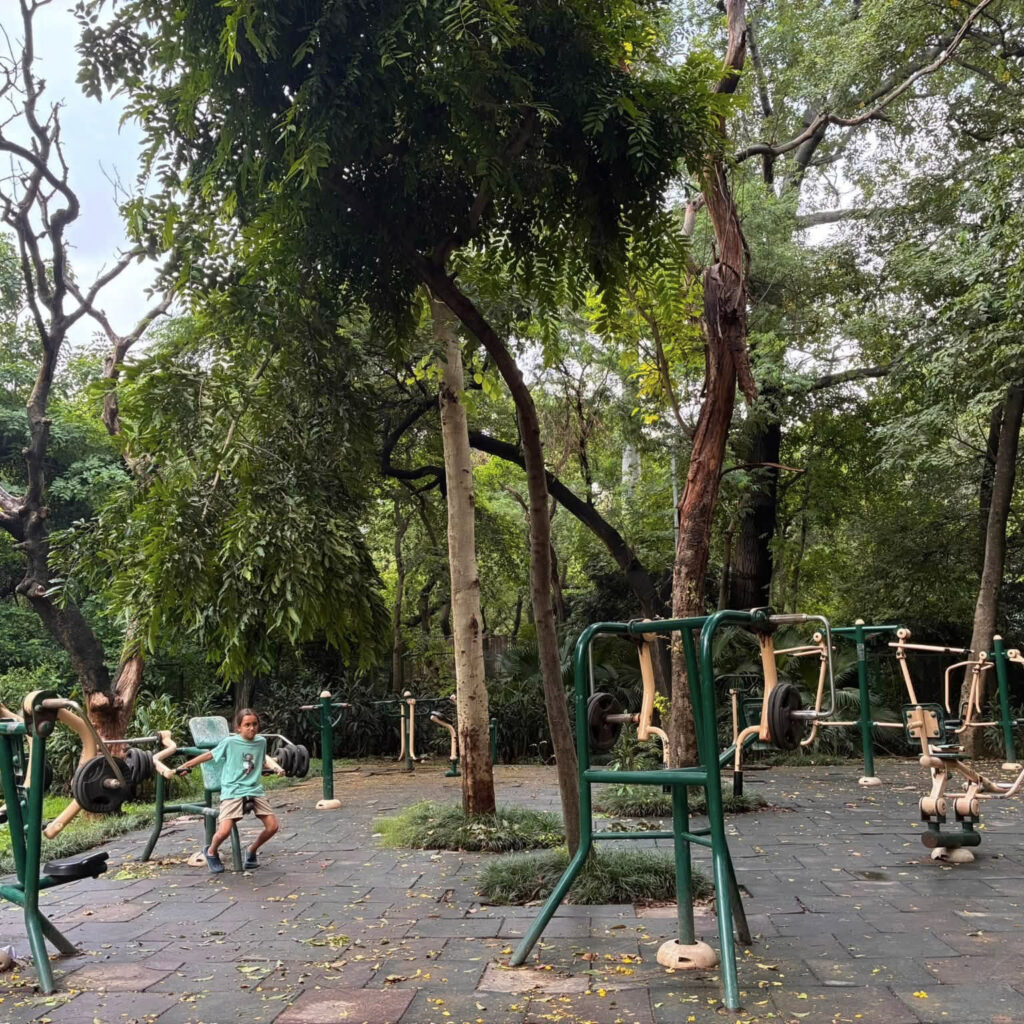
After exploring the monuments, continue towards the adjoining Deer Park. This large green space has shaded paths, woodland, open lawns and views of the reservoir. It offers a welcome break from Delhi’s busy roads and crowded attractions. The lake, trees and historic ruins also make this one of the most photogenic areas of South Delhi. Early morning is peaceful, while the softer late-afternoon light is better for photographing the monuments.
Hauz Khas Village
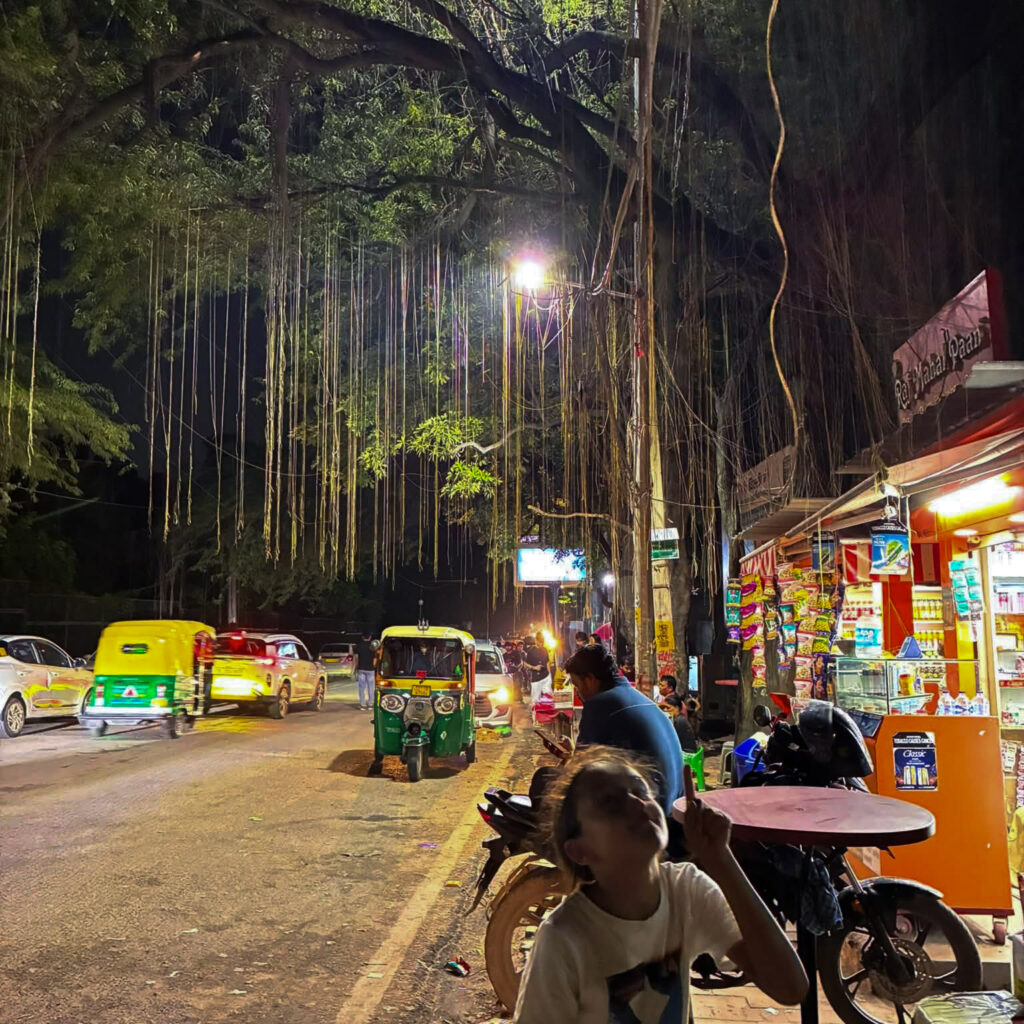
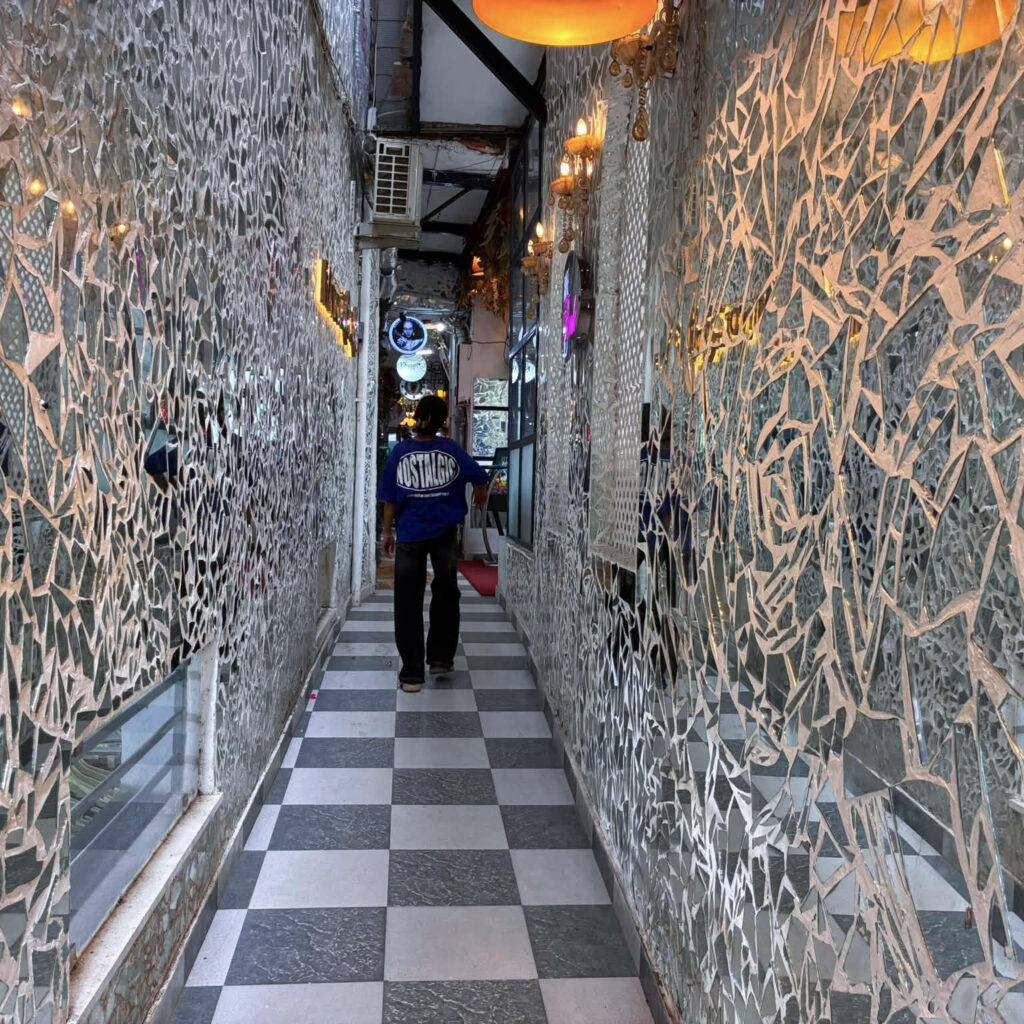
Just outside the historic complex lies Hauz Khas Village, a maze of narrow lanes filled with cafés, restaurants, boutiques, galleries and street art. Its youthful, contemporary atmosphere contrasts sharply with the neighbouring medieval ruins. Spend some time wandering through the lanes before stopping for a meal or drink. Although the village has become more commercial over the years, its combination of history, art and modern city life remains distinctly Delhi.
How Much Time Do You Need?
Allow approximately three to four hours for Hauz Khas. A relaxed visit could include:
- A walk through Deer Park
- Views of the historic reservoir
- The tomb, madrasa and pavilions of the Hauz Khas Complex
- A stroll through Hauz Khas Village
- Lunch, dinner or coffee at one of the local cafés
Hauz Khas can easily be combined with another South Delhi attraction, such as Lodhi Garden, Safdarjung’s Tomb or Qutub Minar.
Best Time to Visit
The most comfortable months are from October to March. During warmer periods, visit in the morning or late afternoon and avoid the intense midday heat. Late afternoon is ideal for a photo walk. Begin in Deer Park, continue through the historic complex and finish your visit with an evening meal in Hauz Khas Village.
Getting to Hauz Khas
Delhi Tourism lists IIT on the Magenta Line as the nearest metro station to the historic complex. Hauz Khas Metro Station, served by both the Yellow and Magenta lines, is another option. From either station, take an auto-rickshaw or taxi to Hauz Khas Village. Delhi Tourism currently lists the monument’s opening hours as 10:30 a.m. to 7:00 p.m. daily, with admission prices of ₹20 for Indian adults and ₹250 for foreign adults. Check the Delhi Tourism website before visiting, as prices and opening times may change.
Where It Fits into the Ladakh Itinerary
Hauz Khas works particularly well during the first two days in Delhi. It is less overwhelming than Old Delhi and allows international visitors to ease gently into the journey before flying to Srinagar. The quieter ruins, shaded park and relaxed cafés provide a pleasant beginning to the much larger Himalayan adventure ahead. After the remote landscapes of Mushkoh Valley, Batalik, Leh and Nubra Valley, the final two days in Delhi can then be used for busier attractions, shopping and last-minute sightseeing before departure. Hauz Khas may be only a small part of Delhi, but it captures the city’s character beautifully: ancient and contemporary, chaotic and peaceful, carefully preserved and constantly changing.


Follow the Delhi series
- AN OPEN LOVE LETTER TO DELHI
- DELHI´S KATHPUTLI COLONY
- THE UNESCO HERITAGE SITE OF QUTUB MINAR
- PHOTOGENIC, CHAOTIC OLD DELHI
- THE BEAUTIFUL SUNDER NURSERY
- KHARI BAOLI SPICE MARKET
- JAMA MASJID IN DELHI
- LODHI GARDENS
- SAFDARJUNG TOMB
- DELHI PARKS
RESPONSIBLE TRAVELING-BECAUSE I CARE