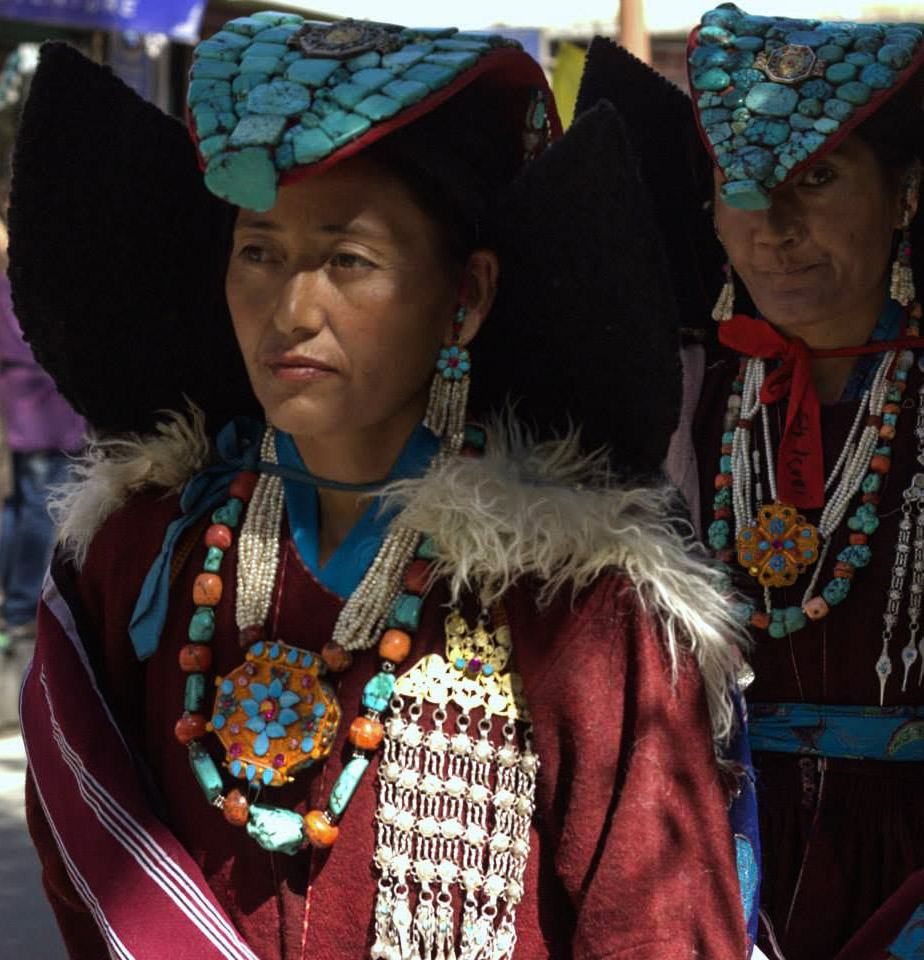
Offbeat Ladakh Itinerary: 21 Days with Mushkoh Valley, Batalik, Leh & Nubra Valley
This 21-day itinerary begins with two days in Delhi before flying to Srinagar and travelling through the spectacular Himalayan landscapes of Sonmarg. From there, the route crosses Zoji La to reach Mushkoh Valley, an important habitat for the endangered Himalayan brown bear. The journey continues to Garkon, a traditional Brokpa village in Ladakh’s remote Aryan Valley, before following the Indus River to Leh. After exploring Leh’s old town, palaces and Buddhist monasteries, travellers cross Khardung La to experience the deserts, villages and dramatic mountain scenery of Nubra Valley. After returning to Leh, the journey ends with a flight to Delhi and two final days in the capital before the international departure. It is the perfect itinerary for travellers seeking rare wildlife, indigenous culture, remote Himalayan villages and extraordinary mountain landscapes. This trip was planned and organised by my friend Shuib Kaw of Versatile Adventure Holidays. He is available at +917678357621 or [email protected]. It should be noted here that I paid for this trip myself, and if I am promoting Versatile Adventure Holidays, it is because they do a great job.
1. Delhi, India’s historic capital
Recommended stay: 4 nights in total
- Two nights on arrival in India
- Two nights before the international departure
Delhi is both the starting and finishing point of this Himalayan journey. Spending two nights here on arrival provides time to recover from the international flight before travelling to Kashmir. The final two nights create a valuable buffer between the domestic flight from Leh and the international departure.
Why visit Delhi?
- Convenient international gateway
- Impressive Mughal and colonial architecture
- Atmospheric markets and historic neighbourhoods
- Outstanding North Indian cuisine
- Regular domestic flights to Srinagar and from Leh
- An important travel buffer before the international flight
Delhi highlights
- Humayun’s Tomb
- Qutub Minar
- India Gate
- Lodhi Garden
- Jama Masjid
- Chandni Chowk
- Red Fort
- Gurudwara Bangla Sahib
- Connaught Place
Unique experience
Explore the narrow lanes and historic food stalls of Old Delhi before visiting Jama Masjid and the colourful markets of Chandni Chowk.
Travel information
Most international visitors arrive at Indira Gandhi International Airport. The city centre can be reached by:
- Airport Metro Express
- Prepaid airport taxi
- App-based taxi service like Uber
- Private hotel transfer
Domestic flights to Srinagar and from Leh may use a different terminal from the international flight. Always check the terminal information in advance.
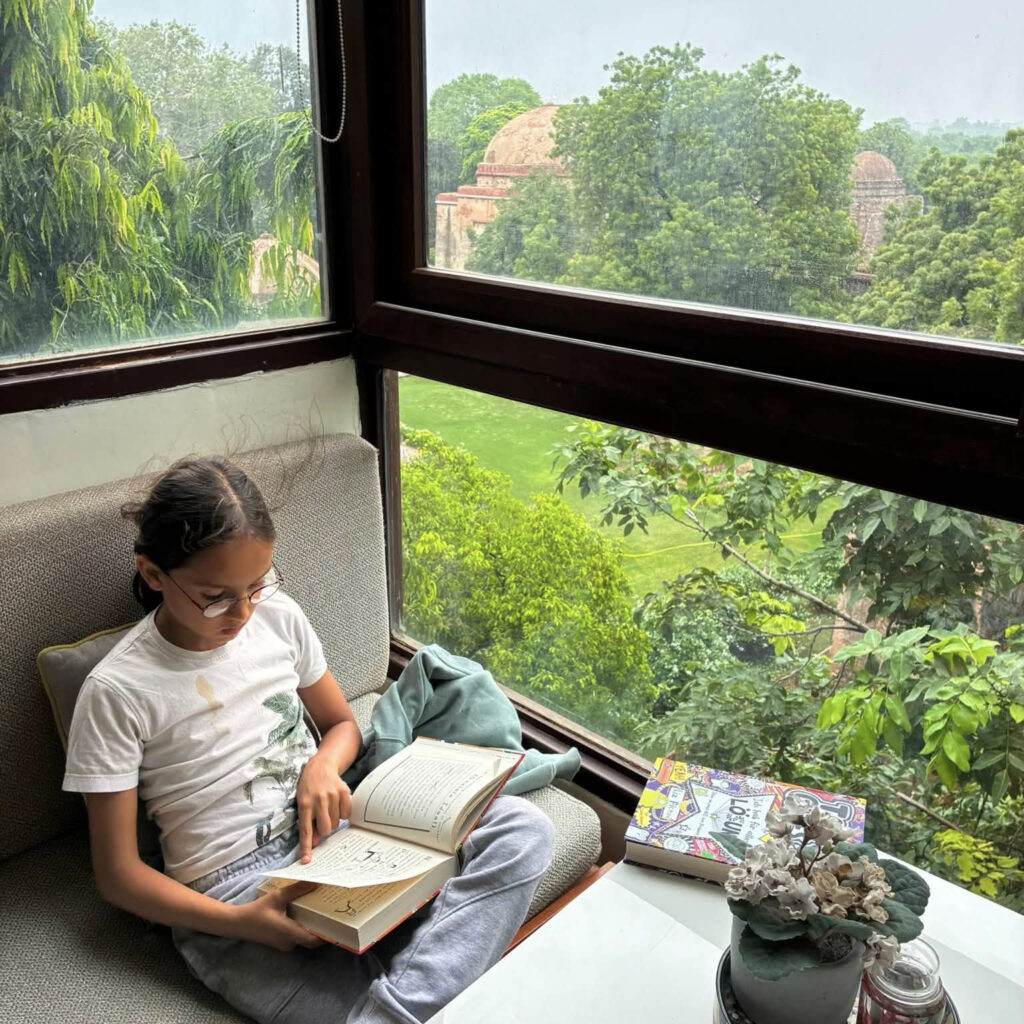
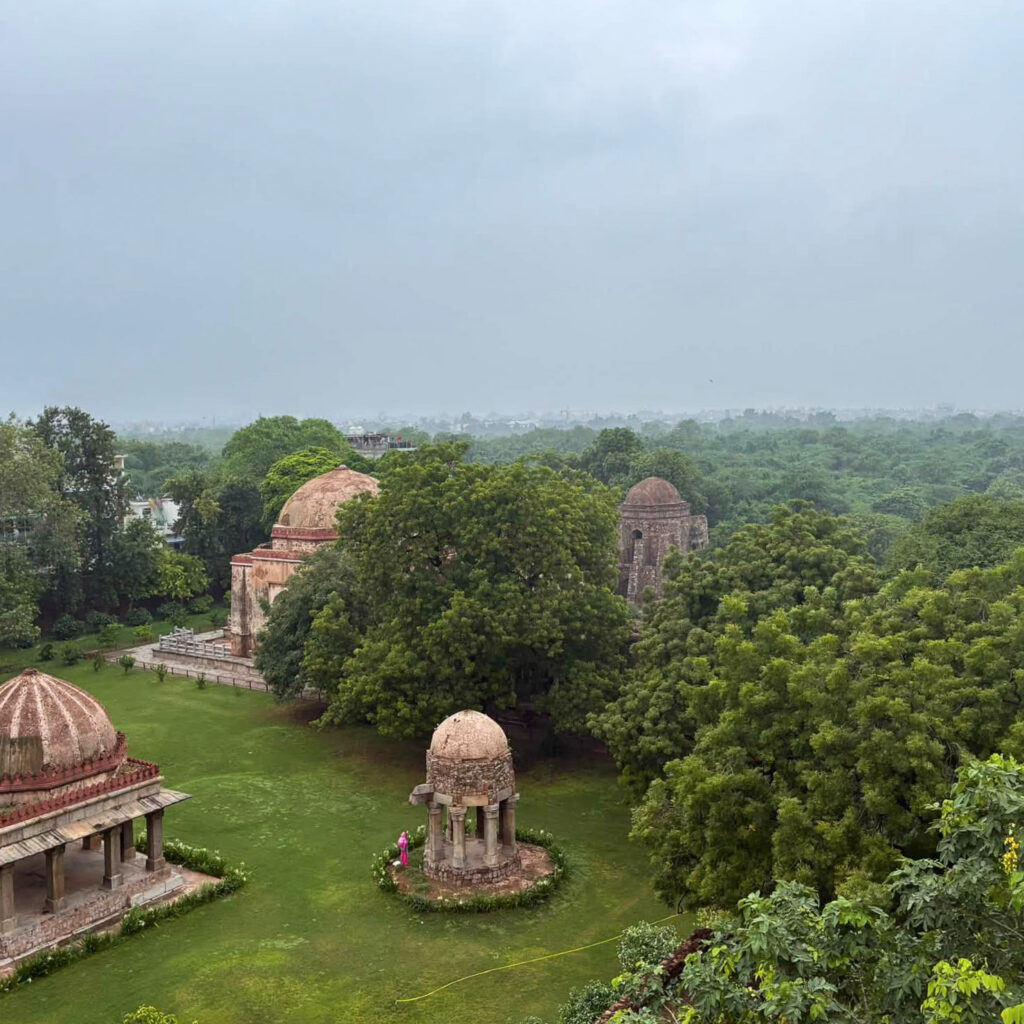
Tip: We stayed in two fantastic Airbnb properties in Delhi. The first and our favourite property was in Haus Khas. Overlooking the Haus Khas village and lake, it was simply beautiful. The second flat was a lovely, green oasis in Saket.
2. Srinagar, the capital of Kashmir
Recommended stay: 2 nights
Travel from Delhi
- Domestic flight: approximately 1 hour 30 minutes
- Airlines: Air India, Spicejet, and Indigo Airlines
- Airport transfer to central Srinagar: approximately 30–60 minutes
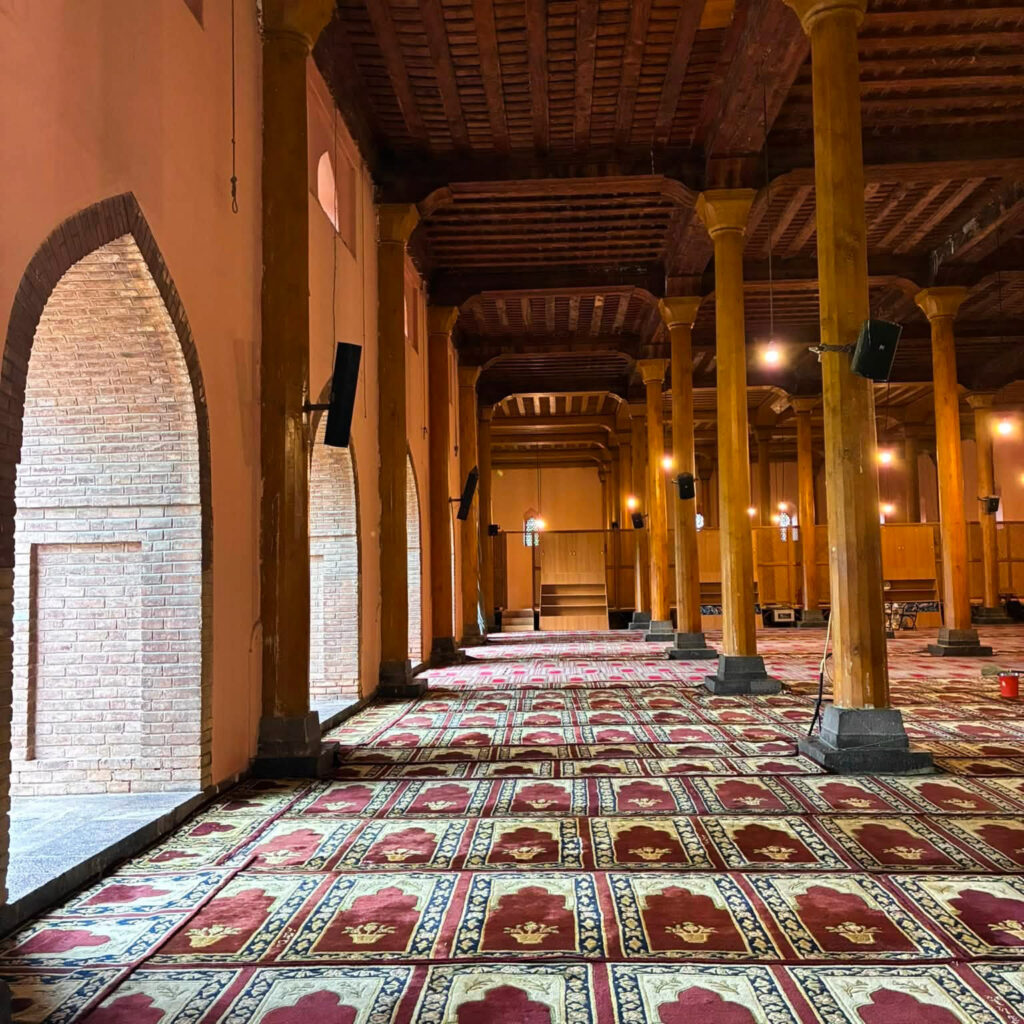
Set around the beautiful Dal Lake and surrounded by the mountains of Kashmir, Srinagar offers a gentle introduction to the western Himalayas. Traditional houseboats, Mughal gardens, wooden mosques and bustling markets make the city an atmospheric beginning to the overland journey towards Ladakh.
Why visit Srinagar?
- Beautiful Dal Lake and traditional houseboats
- Historic Mughal gardens
- Atmospheric old city
- Popular starting point for different treks
- Excellent regional cuisine
- Starting point for the road journey to Sonmarg and Ladakh
Highlights
- Dal Lake
- Early-morning floating market
- Shikara ride
- Nishat Bagh
- Shalimar Bagh
- Pari Mahal
- Hazratbal Shrine
- Jamia Masjid
- Srinagar Old City
What to eat
- Rogan Josh
- Yakhni
- Gushtaba
- Tabak Maaz
- Kashmiri Dum Aloo (vegetarian)
- Nadru Yakhni (vegetarian)
- Girda bread (vegetarian)
- Kashmiri Kahwa (vegetarian)
Travel information
Srinagar is connected to Delhi by several daily flights. Private vehicles are the most convenient option for the onward journey to Sonmarg and Ladakh. Be prepared to see a lot of military presence. Do not take photos of military personnel or military camps, and check local regulations before using a drone.
Tip: Spending two nights in Srinagar allows time to recover from the international journey before beginning the long mountain-road section of the itinerary.
3. Sonmarg, the meadow of gold
Recommended stay: 1 night
Travel from Srinagar
- Distance: approximately 80 kilometres
- Private transfer: approximately 2.5–3.5 hours
- Route: Srinagar–Ganderbal–Kangan–Sonmarg
Surrounded by glaciers, alpine meadows and snow-covered peaks, Sonmarg is one of Kashmir’s most beautiful mountain destinations. It is also the ideal overnight stop before crossing Zoji La and entering Ladakh.
Why visit Sonmarg?
- Spectacular alpine landscapes
- Snow-covered Himalayan peaks
- Glaciers and mountain rivers
- Gateway to Zoji La and Ladakh
- Convenient way to divide the journey to Mushkoh Valley
Travel information
Sonmarg lies directly on the Srinagar–Leh road. The overnight stay breaks up the journey and allows travellers to cross Zoji La earlier in the day.
Tip: Start early for Mushkoh Valley because traffic controls, military convoys, roadworks and weather conditions can cause delays around Zoji La. We used Sonmarg as a transit point. It rained a lot when we were there, and it restricted our excursions.
4. Mushkoh Valley, the land of Himalayan brown bears
Recommended stay: Minimum 2 nights
Travel from Sonmarg
- Cross Zoji La Pass
- Continue through Minamarg and Drass
- Driving time: approximately 4–6 hours, depending on the exact accommodation, traffic and road conditions
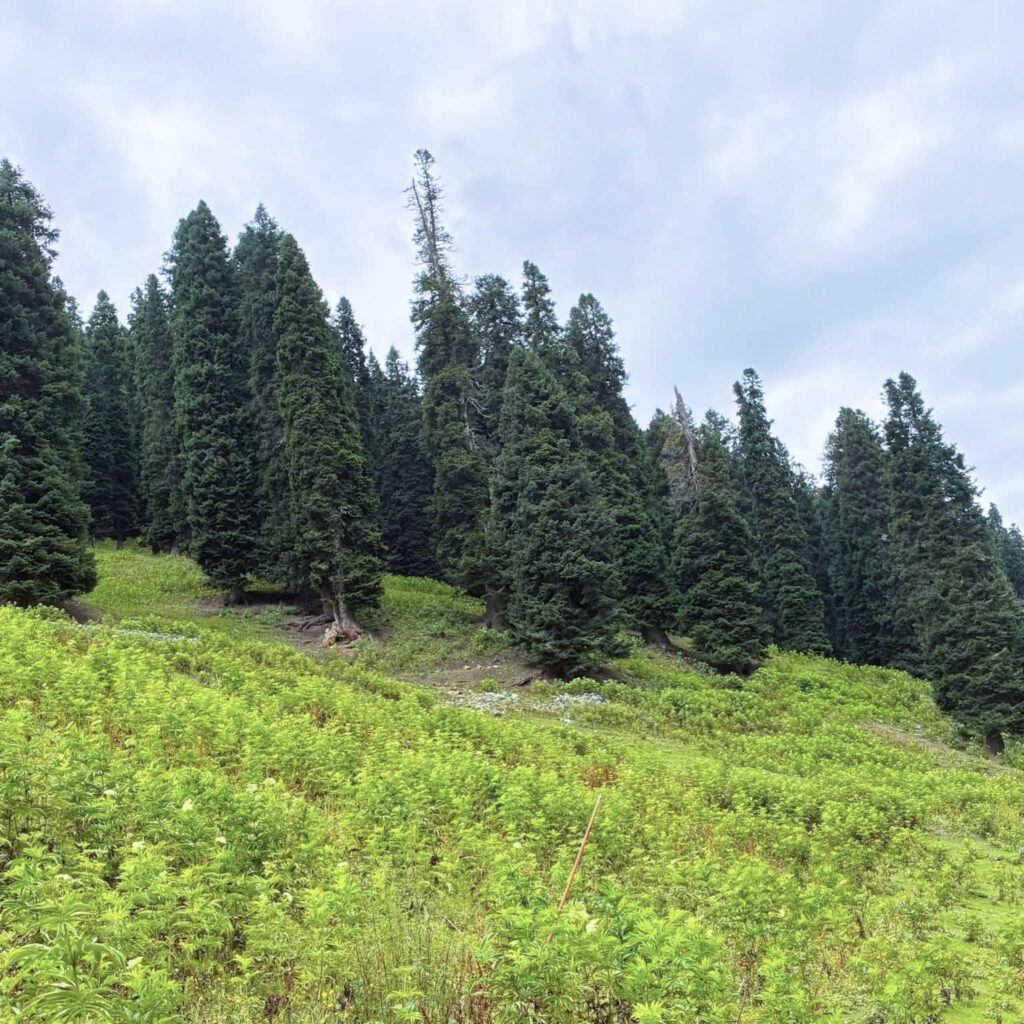
Hidden among the rugged mountains near Drass, Mushkoh Valley is one of Ladakh’s least-visited wildlife destinations. The valley is known for its alpine meadows, seasonal wildflowers, dramatic mountain scenery and population of endangered Himalayan brown bears. Unlike Ladakh’s more established tourist destinations, Mushkoh remains remote and relatively undeveloped. Travelling here provides a rare opportunity to experience both the natural wilderness and the historical landscapes of western Ladakh.
Why visit Mushkoh Valley?
- Important Himalayan brown-bear habitat
- One of Ladakh’s most remote valleys
- Far fewer visitors than central Ladakh
- Alpine meadows and seasonal wildflowers
- Dramatic mountain scenery
- Exceptional wildlife and landscape photography
Highlights
- Guided Himalayan brown-bear tracking
- Mushkoh’s alpine meadows
- Remote mountain settlements
- Wildlife photography
- Birdwatching
- Drass War Memorial
- Tololing viewpoints
- Drass town
Unique experience
Head into Mushkoh Valley with an experienced local wildlife guide at first light to search for signs of Himalayan brown bears. Sightings are never guaranteed, but the experience of exploring their natural habitat among wild meadows and towering peaks is unforgettable.
Travel information
Mushkoh Valley is located near Drass and close to sensitive military and border areas. Access arrangements can change and should be reconfirmed locally shortly before the journey. Brown-bear tracking must only be undertaken with a knowledgeable local guide. Travellers should maintain a safe distance, avoid feeding or approaching the animals and never disturb dens or feeding areas.
Tip: Pack binoculars and a telephoto lens. Responsible observation from a distance protects both visitors and the bears. We stayed at the fantastic Border View Homestay. It belongs to a local wildlife guide, Mr Ghulam Hasan. He is hands-down the most experienced brown bear guide. Mr Hasan is reachable at +919906445517. His guest house is comfortable and clean, and his family is a wonderful host. We extended our stay there because we just loved it. The village life is intrepid, and the food is simple and delicious.
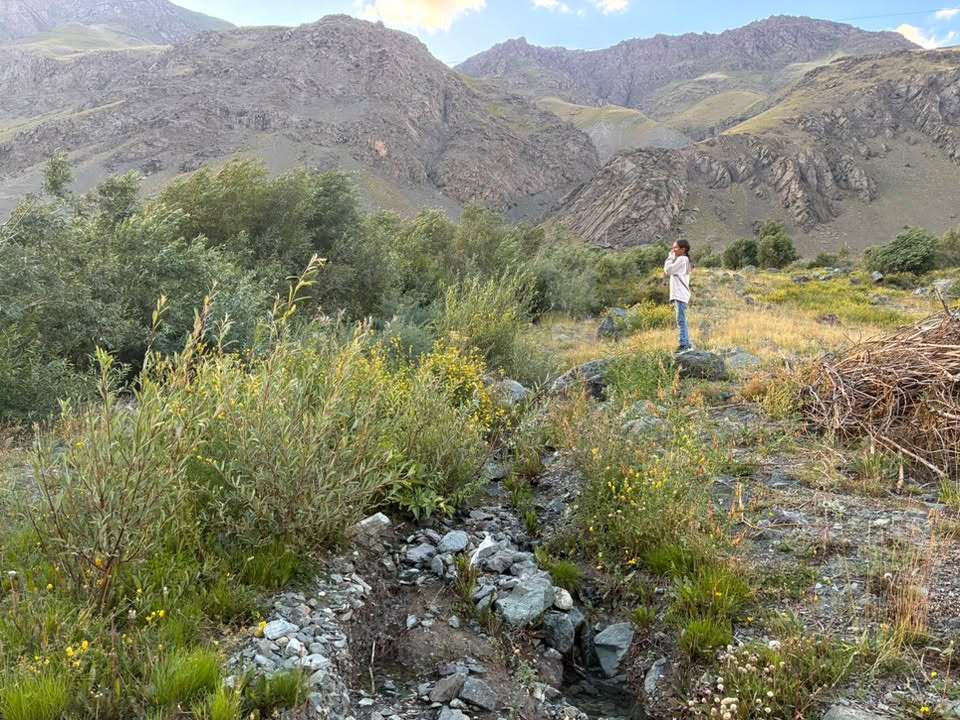
5. Garkon Village, the heart of the Aryan Valley
Recommended stay: 2 nights
Travel from Mushkoh Valley
- Drive through Drass and the Kargil region
- Continue towards Batalik and the Aryan Valley
- Driving time: approximately 6–8 hours, depending on the selected route, checkpoints and road conditions
Located in the remote Aryan Valley, Garkon is one of the principal villages associated with Ladakh’s Brokpa community. The Brokpa have maintained a distinctive language, culture, style of dress and agricultural traditions that differ from those found elsewhere in Ladakh. Surrounded by steep mountains and apricot orchards, Garkon offers an intimate village experience and a fascinating cultural contrast to the Buddhist monasteries and Tibetan-influenced traditions around Leh.
Why visit Garkon Village?
- Traditional Brokpa culture
- Remote Himalayan village atmosphere
- Beautiful apricot orchards
- Distinctive language and customs
- Traditional stone and wooden houses
- Dramatic Indus Valley scenery
- Far from Ladakh’s conventional tourist circuit
Highlights
- Garkon’s village lanes
- Traditional Brokpa houses
- Apricot orchards
- Local agricultural life
- Darchiks village
- Dha and Hanu villages
- Indus River viewpoints
- Traditional clothing and jewellery
- Village homestay experience
What to eat
- Fresh and dried apricots
- Apricot juice and jam
- Khambir bread
- Barley-based dishes
- Seasonal vegetables
- Local lentils
- Butter tea
- Simple home-cooked village meals
Unique experience
Stay in a locally operated homestay and spend time with a Brokpa family. Walk through the village’s narrow lanes and apricot orchards while learning about traditional agriculture, food, clothing and everyday life in the Aryan Valley.
Travel information
Garkon is located in a sensitive border region, and access requirements may depend on nationality and current regulations. The precise route and necessary permits should be confirmed before departure.
Tip: Always ask permission before photographing residents, traditional clothing, religious practices or the interiors of private homes. Although this is a beautiful, remote region, this was our least favourite stop. We stayed at Payupa Guest House in Garkon, and although it was a beautiful property, we left a day earlier. The hospitality was quite poor, and I suffered from bed bugs in that property. The neaighbouring Darchik village is a better option.
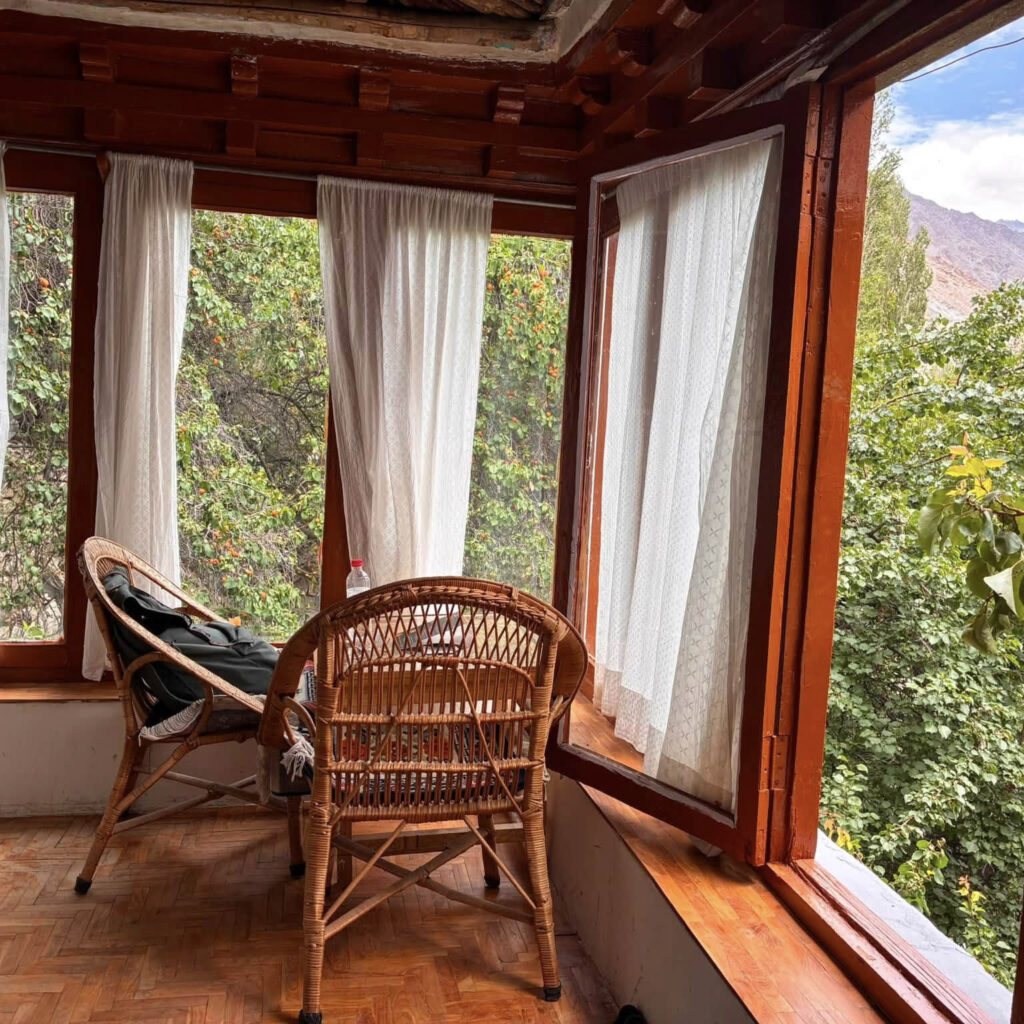
6. Leh, Ladakh’s cultural capital
Recommended stay: 5 nights in total
Travel from Garkon Village
- Drive through the Aryan Valley towards Khalsi
- Continue along the Indus River to Leh
- Driving time: approximately 5–7 hours
Surrounded by barren mountains and overlooked by a historic royal palace, Leh is the cultural and logistical centre of Ladakh. Its old town, monasteries, markets, cafés and museums make it an excellent base for exploring the Indus Valley. The itinerary includes time in Leh both before and after Nubra Valley. The final nights provide an important buffer before the flight to Delhi.
Why visit Leh?
- Historic capital of the former Kingdom of Ladakh
- Atmospheric old town and market
- Impressive Buddhist monasteries
- Traditional Ladakhi architecture
- Excellent museums and cultural centres
- Gateway to Nubra Valley
- Wide choice of accommodation and restaurants
Highlights
- Leh Palace
- Leh Old Town
- Shanti Stupa
- Namgyal Tsemo
- Central Asian Museum
- Sankar Monastery
- Hall of Fame
- Shey Palace
- Thiksey Monastery
- Hemis Monastery
- Stok Palace
- Mangyu Monastery
- Likir Monastery
What to eat
- Momos
- Thukpa
- Skyu
- Chutagi
- Tingmo
- Khambir
- Ladakhi butter tea
- Apricot juice
- Apricot cake
Unique experience
Explore Leh’s old town in the late afternoon before climbing to Shanti Stupa for sunset. From the hilltop, enjoy panoramic views over Leh, the Indus Valley and the surrounding mountain ranges.
Travel information
Leh sits at an altitude of approximately 3,500 metres. Although this itinerary approaches Leh gradually by road, travellers should continue to monitor themselves for symptoms of altitude sickness. The first day should remain relatively relaxed. Strenuous activity and alcohol should be avoided if anyone feels unwell.
Possible excursions from Leh include:
- Shey, Thiksey and Hemis monasteries
- Stok Palace
- Alchi, Mangyu, and Likir monasteries
- Basgo
- Magnetic Hill
- Indus–Zanskar confluence
Tip: Use one of the final Leh days as a travel buffer. Mountain roads and domestic flights can be affected by weather, roadworks and other unexpected delays. We stayed at the fantastic Chandan Guest House. It is a beautiful property set amidst a garden, and the host family is super friendly. They serve delicious meals, are always ready with local tips and helpful advice. We extended our stay at the homestay.
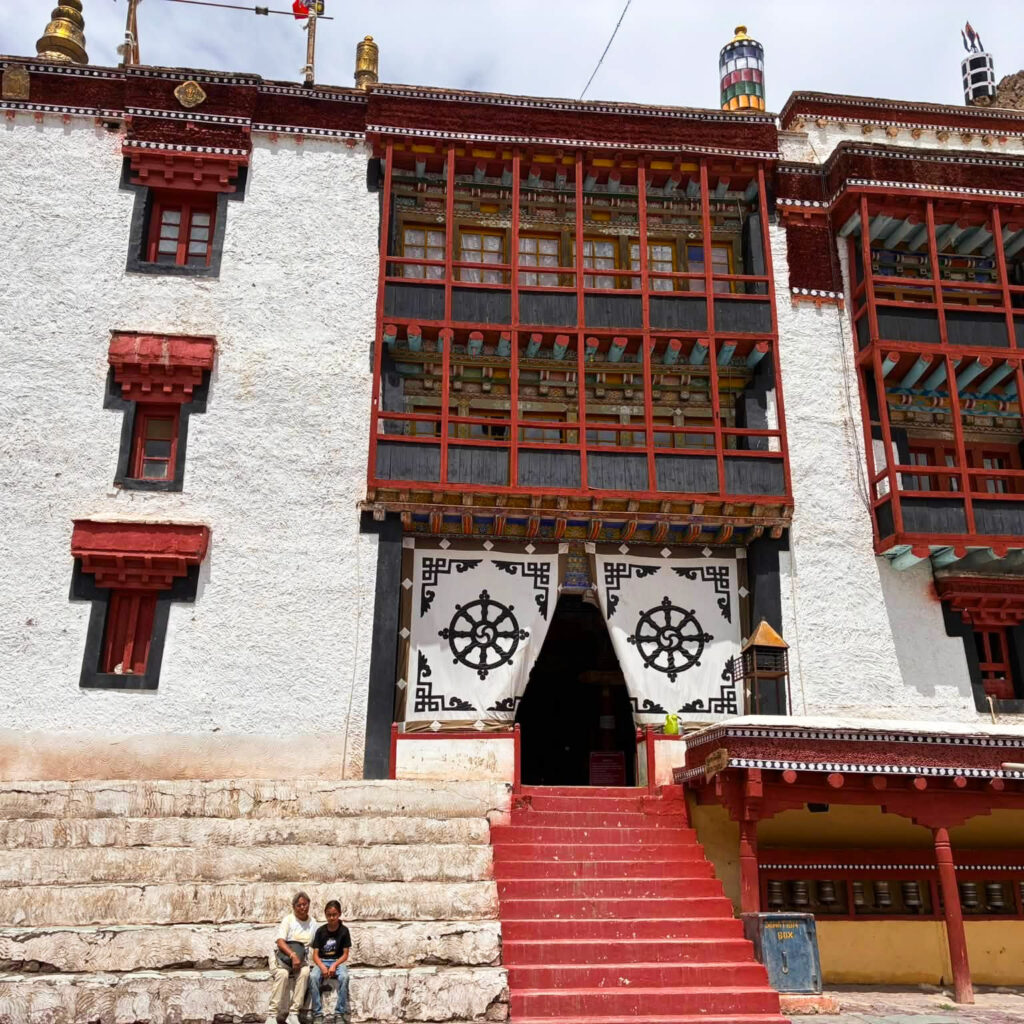
7. Nubra Valley, Ladakh’s high-altitude desert
Recommended stay: 2 nights
Travel from Leh
- Distance to Diskit or Hunder: approximately 120–130 kilometres
- Private transfer: approximately 5–7 hours
- Route: Leh–Khardung La–Diskit–Hunder
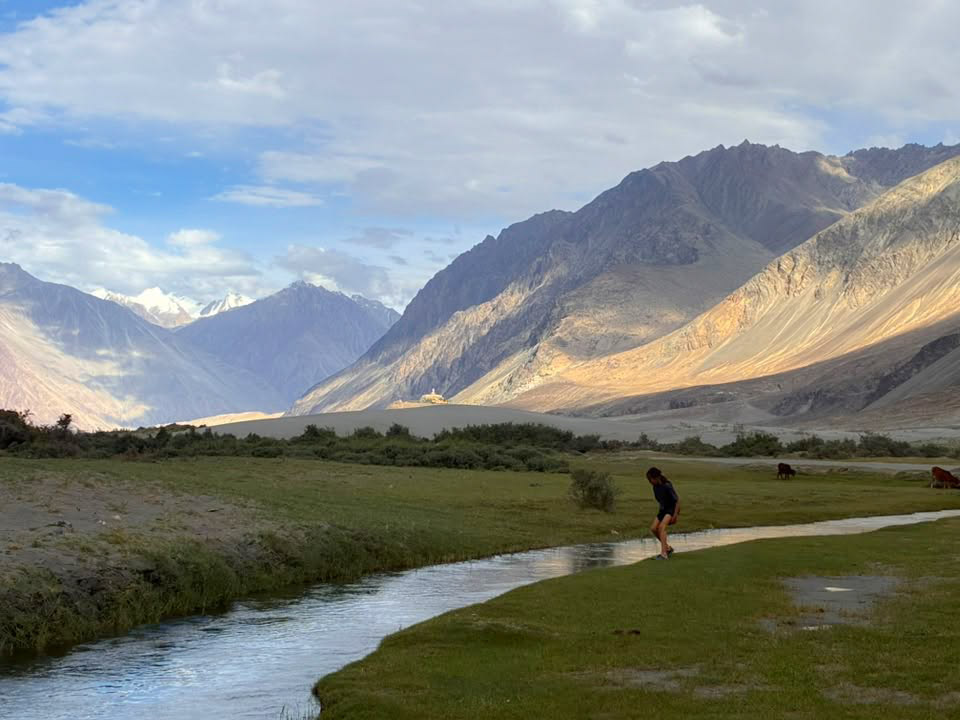
Located north of Leh, Nubra Valley combines snow-covered mountains, green river valleys, Buddhist monasteries, apricot orchards and vast expanses of sand. This extraordinary mixture of desert and mountain scenery makes Nubra one of Ladakh’s most memorable regions.
Why visit Nubra Valley?
- Spectacular high-altitude desert landscapes
- Hunder’s sand dunes
- Double-humped Bactrian camels
- Ancient Buddhist monasteries
- Mountain villages and apricot orchards
- Dramatic drive across Khardung La
- Distinctive Balti and Ladakhi cultures
Highlights
- Khardung La
- Diskit Monastery
- Maitreya Buddha statue
- Hunder sand dunes
- Bactrian camels
- Sumur
- Samstanling Monastery
- Panamik
- Yarab Tso
- Turtuk, if time and permits allow
What to eat
- Momos
- Thukpa
- Khambir
- Buckwheat pancakes
- Local vegetables
- Balti-style bread
- Fresh and dried apricots
- Seabuckthorn juice
Unique experience
Visit Diskit Monastery and its enormous Maitreya Buddha statue before continuing to Hunder. Walk across the sand dunes in the evening as the surrounding mountains change colour in the fading light.
Travel information
Nubra Valley is normally reached from Leh via Khardung La. Road conditions and journey times can change because of weather, construction and traffic. After two nights in Nubra, return to Leh for the final part of the itinerary. Spending the last night in Leh is essential before the morning flight to Delhi.
Tip: Permit requirements differ according to nationality. Confirm the latest rules and carry several printed copies of all permits and identification documents.
Return to Delhi for the international departure
Travel from Leh
- Domestic flight to Delhi: approximately 1 hour 30 minutes
- Most flights depart from Leh in the morning.
- Transfer time between domestic arrival and international departure should be generous.
The journey ends with a flight from Leh to Delhi, followed by the international departure. Flights from Leh can be delayed or cancelled because of weather and operational conditions. A same-day international connection is safest when the international flight leaves late in the evening, and there is a substantial interval between the two flights. Travellers may need to collect their luggage, change terminals and check in again in Delhi.
Tip: If the international flight departs early in the day, spend the previous night in Delhi instead of attempting a same-day connection from Leh.
Suggested Duration
| Destination | Nights | Main highlight |
|---|---|---|
| Delhi | 5 | International arrival and departure |
| Srinagar | 2 | Dal Lake, old city and Kashmiri culture |
| Sonmarg | 1 | Alpine scenery and gateway to Zoji La |
| Mushkoh Valley | 4 | Himalayan brown bears and remote wilderness |
| Garkon Village | 2 | Brokpa culture and Aryan Valley village life |
| Leh | 4 | Old town, monasteries, sightseeing and travel buffer |
| Nubra Valley | 3 | Sand dunes, monasteries and mountain landscapes |
| Total | 21 nights | 21-day Himalayan journey |
Follow the Ladakh series
- AN OFFBEAT LADAKH TRIP
- KASHMIR TO KARGIL ON SRINAGAR LEH ROAD
- KARGIL TO LEH
- LEH (ED) IN LADAKH
- MOUNTAINS AND MONASTERIES
- THE LADAKH FESTIVAL
- THE BEAUTIFUL BLUE PANGONG LAKE
- THE WHITE DESERT AT NUBRA VALLEY
- 2012 LADAKH ITINERARY AND TRIP COSTS
RESPONSIBLE TRAVELING-BECAUSE I CARE

