
From Eight Teams to a $20.6 Billion Machine: How the IPL Rebuilt Cricket
The Indian Premier League became a billion-dollar brand by packaging cricket as a scarce, city-based entertainment product rather than simply shortening the game. Since its 2008 launch, the IPL has combined elite players, prime-time scheduling, franchise ownership, broadcast auctions and year-round digital fandom. Houlihan Lokey valued the league’s business enterprise at $20.6 billion in 2026, up 11.4% in a year, while its standalone brand value reached $4.3 billion. Each match became commercially dense: two teams, national broadcast inventory, live data, social clips and a result in roughly three hours.
The 2008 Auction Sold More Than Cricketers
The first IPL player auction turned team construction into public theatre. Salaries were discussed beside strike rates, overseas slots and captaincy value, exposing economics that traditional cricket had usually kept backstage. City franchises supplied local identity despite multinational squads. Chennai built around continuity; Mumbai invested in scouting; Kolkata paired celebrity ownership with a distinctive playing culture. A closed league created scarcity because entry required buying a franchise rather than earning promotion.
Media Rights Built the Financial Flywheel
Broadcasting converted a two-month tournament into predictable long-term revenue. The 2023–27 media-rights cycle generated ₹48,390 crore, with television and digital packages initially sold separately.
The model works in five steps:
- The league sells central media and sponsorship rights.
- Franchises receive distributions from the central pool.
- Teams add local sponsorship, hospitality and merchandise.
- Audience growth raises the value of the next rights cycle.
- Larger distributions increase demand for franchise ownership.
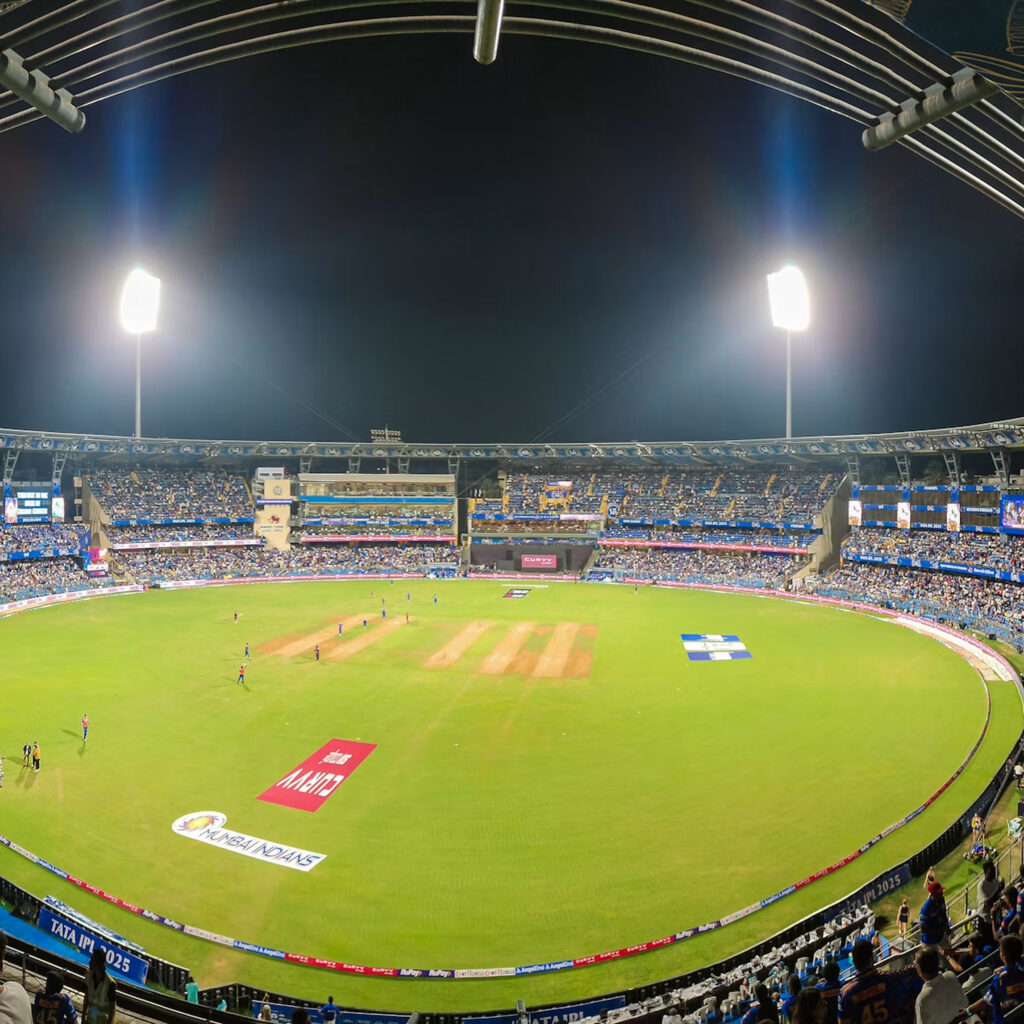
A full stadium matters for atmosphere, but the same match can also be monetized across television, mobile streaming, highlights, advertising and licensed content.
Digital Distribution Turned Every Ball Into Inventory
T20 produces frequent events: boundaries, wickets, reviews and bowling changes. Mobile platforms split those moments into clips, alerts, player graphics and sponsor-backed statistics. The IPL competes with streaming, gaming and social media for evening attention. A supporter who misses the first innings can re-enter through highlights, a live scorecard or over-by-over discussion. That flexibility widened the audience without changing the format.
Live Markets Put a Price on Match Phases
IPL betting is shaped by resource changes rather than the score alone. Powerplay wickets, remaining bowling quotas, dew and the quality of finishers can reprice a match within six deliveries. A user choosing to IPL bet online should separate the innings into powerplay, middle-over and death-over conditions before reading match-winner, total-runs or player markets. A side at 52/1 after six overs holds a different probability profile from one at 60/4, despite the modest scoreboard gap. Live odds reflect new information and market demand, but they cannot remove variance from dropped catches or one exceptional over. Fixed stakes protect the bankroll when a tactically sound reading still produces the wrong result. The betting layer keeps every phase commercially active. A quiet middle-over spell can matter as much as a final-over six because it changes the required rate and the price of later aggression.
Franchise Value Now Lives Beyond the Table
Winning helps, but franchise value also depends on audience loyalty, sponsor demand, ownership credibility and digital reach. Houlihan Lokey’s 2026 study placed Royal Challengers Bengaluru at $312 million, the first IPL franchise to cross the $300 million brand-value mark. That explains why a team can remain commercially strong across uneven seasons. Supporters follow auctions, player retentions, rivalries and training content throughout the year. The franchise becomes a media property with a cricket team at its center.
Trust Infrastructure Supports the Product
A league this valuable depends on verified schedules, official scorecards, clear playing conditions and reliable digital access. Fans comparing fixtures or markets must distinguish authenticated platforms from copied pages that imitate familiar branding. The MelBet official access point is most useful when users verify the domain, review current cricket markets, check settlement rules, and keep account history visible before staking. Odds should be assessed after the toss, confirmed XI and venue conditions are known because those inputs can materially change T20 probabilities. A unique password and account verification completed inside the authenticated area reduce avoidable security problems. The platform provides access; the quality of the decision still depends on price, evidence and bankroll discipline.
The Next Constraint Is Calendar Space
The IPL operates inside a crowded international schedule. Expansion promises more inventory, but additional matches could dilute scarcity, increase player workload and create conflicts with bilateral cricket. The league’s advantage has always been concentration. It gathers leading domestic and overseas players into a short window, gives every evening a clear narrative and connects the auction, regular season and playoffs. Future value will depend less on stretching the calendar than on protecting the quality that made each slot expensive.
Follow the rest of the Top Experiences series
- TOP TWENTY THINGS TO DO IN EGYPT
- WHY YOU SHOULD VISIT MALTA
- TOP FUN THINGS TO DO IN HAMPI
- 10 HISTORICAL PLACES TO ROAM ACROSS THE WORLD
- 10 HISTORICAL MARVELS OF ITALY
- 10 BEST SHOWS IN EUROPE YOU MUST SEE
- DUBAI THRILLS: 7 MUST-DO ACTIVITIES
- 10 HISTORICAL MARVELS IN TURKEY TO ENJOY WITH KIDS
- MOST ENCHANTING PALACES IN EUROPE
- IN‑BETWEEN MOMENTS IN ASPEN
- BRECKENRIDGE SKI ITINERARY
RESPONSIBLE TRAVELING-BECAUSE I CARE


