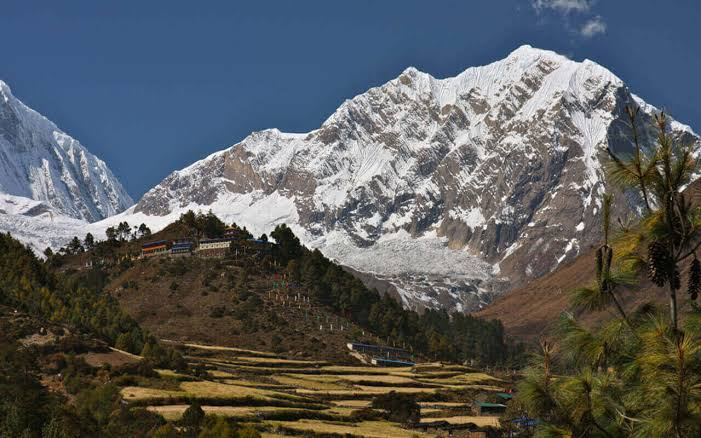
From Beginner Trails to High Pass Adventures: Best Treks in Nepal Explained
A Nepal trek can be a first multi-day hike with mountain views or a demanding expedition across a 17,000-foot pass. You can choose from gentle trails if you are a new trekking enthusiast or opt for more difficult, high-altitude treks if you are an experienced hiker. This guide details you about famous treks in Nepal, their respective features, difficulties, appropriate times to undertake them, and how you should prepare before embarking on them.
How to Choose the Best Treks in Nepal
For most first-time visitors, the best route is not necessarily the most famous one. It is the trek whose altitude, duration, and logistics match your current fitness and comfort with mountain travel. Start with your experience at altitude, not your longest day hike in your area or familiar trails. A fit hiker can still develop acute mountain sickness after ascending too quickly, while a moderately fit walker who follows a well-paced itinerary can go a long way. Nepal trekking is generally non-technical. Ropes and climbing skills are usually not required on standard routes. However, that does not make high-altitude trekking easy. Consider how many consecutive days you can walk for five to seven hours, often uphill and carrying a daypack. Also consider your tolerance for basic lodging, changing weather, and limited access to medical care. Treks below about 10,000 feet are often straightforward, but even lower routes can involve steep stone steps and long descents.
Your travel season affects the choice. Spring, which ranges from March to May, offers warmer conditions and rhododendron blooms. Fall, from late September through November, usually brings clearer skies and stable trekking weather. Winter can work well on lower routes but brings snow and cold at higher elevations. During the summer/monsoon, rain, leeches in lower forests, cloud cover, and flight disruptions make many routes less predictable.
Beginner-Friendly Treks With Serious Himalayan Views
Poon Hill Trek
The Poon Hill Trek is one of Nepal’s best introductions to lodge-based trekking. It is relatively short, usually four to six days, and reaches a high viewpoint on the Annapurna foothills. Sunrise views of the Dhaulagiri and Annapurna are the reward. However, do not underestimate the consecutive days of ascending on the mountainous trails. The stone staircases around Ulleri and Ghorepani can be tough on knees and legs. This trek suits travelers with limited time who want a real Himalayan trekking experience without sleeping at extreme altitude. It is also a practical choice for hikers who are unsure how their bodies will respond in the Nepal Himalaya heights before committing to a longer route.
Mardi Himal Trek
Mardi Himal offers a quieter Annapurna alternative, with forest trails, ridge walking, and close views of Machhapuchhre. Most itineraries take five to seven days. The upper route is steeper and more exposed to the weather than Poon Hill, and accommodation becomes more basic as you climb. It is a good next step for active beginners who can handle sustained uphill hiking. The high camp area can be cold, especially outside peak seasons, so proper layers and a realistic pacing plan matter.
Pikey Peak Trek
Pikey Peak is a valuable option for travelers who want broad Everest-region views without the crowds or duration of the Everest Base Camp route. It commonly takes six to eight days and reaches an altitude where acclimatization needs proper attention. The trail is less developed than the busy Annapurna routes, which appeals to trekkers seeking a more rural experience.
From Beginner Trails to High Pass Adventures in Nepal
Langtang Trek
The Langtang Trek is a logical middle ground between short Annapurna routes and the longer Everest itineraries. A typical trek takes seven to 10 days, combining valley walking, Tamang culture, and higher alpine terrain. Kyanjin Gompa sits above 12,000 feet, so altitude symptoms must be taken seriously even though the route does not cross a major pass. Langtang works well for hikers who have completed multi-day walks or trained consistently with hills, stairs, and a loaded pack. Add an acclimatization day rather than treating it as optional. That extra time improves both safety and enjoyment.
Gokyo Lakes Trek
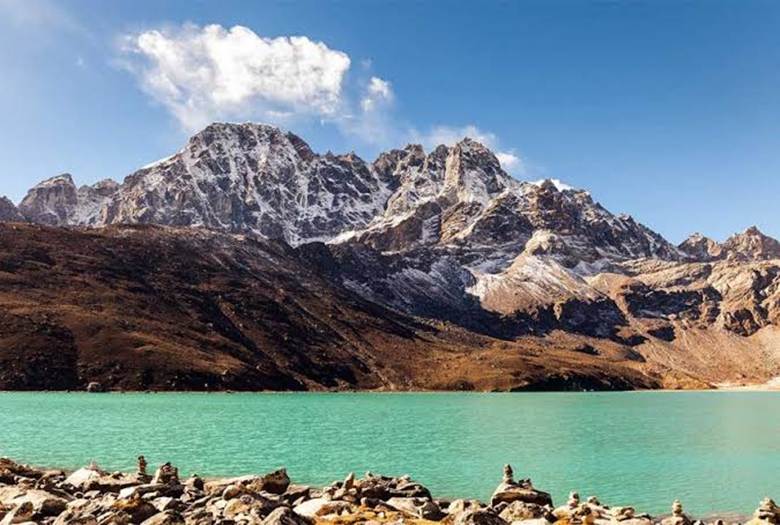
The Gokyo Lakes Trek is one of the best Everest-region routes for trekkers who want major Himalayan scenery without following the standard Base Camp trail the entire way. It typically takes 12 to 15 days and reaches Gokyo Ri at about 17,500 feet. The views include Everest, Cho Oyu, Makalu, and the Ngozumpa Glacier. The challenge here is altitude and itinerary discipline. Flights into the Everest region can be delayed by weather, and the route needs built-in contingency time. Trekkers should be prepared to descend if necessary, regardless of how close they are to a planned viewpoint.
Everest Three Passes Trek
For experienced, well-conditioned trekkers, the Everest Three Passes Trek is a high-pass adventure rather than a casual upgrade from Base Camp. It crosses Kongma La, Cho La, and Renjo La, each above 17,000 feet. Snow, ice, wind, long days, and route-finding complications can raise the difficulty significantly. This route requires more than cardio fitness. Train for back-to-back hiking days, long descents, and steady movement at altitude. A knowledgeable guide can be especially useful when weather affects pass conditions or when itinerary changes are needed. Travel insurance should specifically cover trekking at your planned maximum elevation and emergency evacuation.
Permits, Guides, and the Details That Change a Trek
Permit and guide requirements vary by trekking region and can change. The Annapurna and Langtang treks don’t have special entry criteria that differ from those in the Everest area, and restricted zones like the Manaslu Circuit Trek and the Kanchenjunga Base Camp. Guiding is not just for inexperienced trekkers. The guides allow you to concentrate on your pace and acclimatization, while they will take care of everything else like managing transport, permits, accommodation, language barriers, and changing conditions. Independent trekking can offer flexibility on established routes, but it requires stronger planning skills and a larger margin for logistical disruptions. Choose the route that leaves room to acclimatize, recover, and adjust to the weather. A well-planned and slow-paced itinerary is often the one that gets you to the viewpoint safely and lets you enjoy it.
Follow the rest of the Top Experiences series
- TOP TWENTY THINGS TO DO IN EGYPT
- WHY YOU SHOULD VISIT MALTA
- TOP FUN THINGS TO DO IN HAMPI
- 10 HISTORICAL PLACES TO ROAM ACROSS THE WORLD
- 10 HISTORICAL MARVELS OF ITALY
- 10 BEST SHOWS IN EUROPE YOU MUST SEE
- DUBAI THRILLS: 7 MUST-DO ACTIVITIES
- 10 HISTORICAL MARVELS IN TURKEY TO ENJOY WITH KIDS
- MOST ENCHANTING PALACES IN EUROPE
- IN‑BETWEEN MOMENTS IN ASPEN
- BRECKENRIDGE SKI ITINERARY
RESPONSIBLE TRAVELING-BECAUSE I CARE