Kuala Lumpur things to do
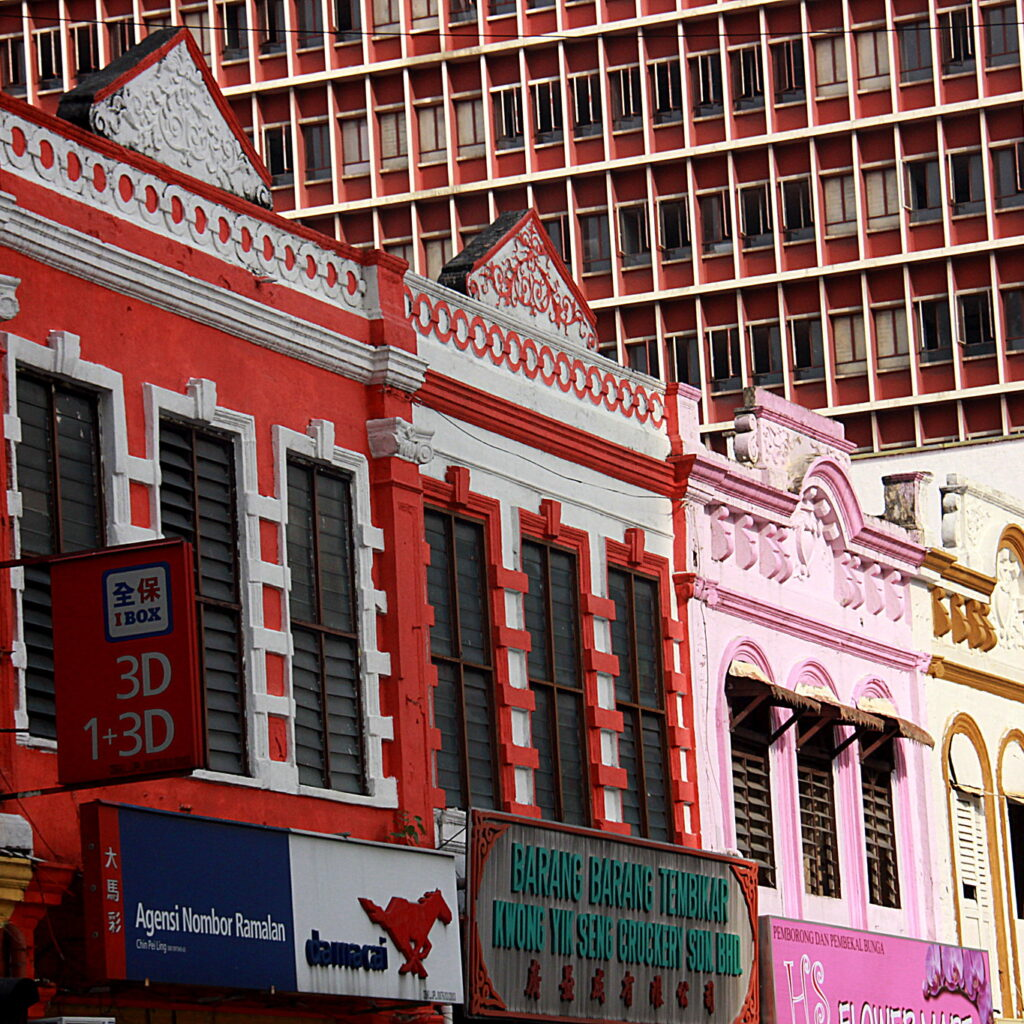
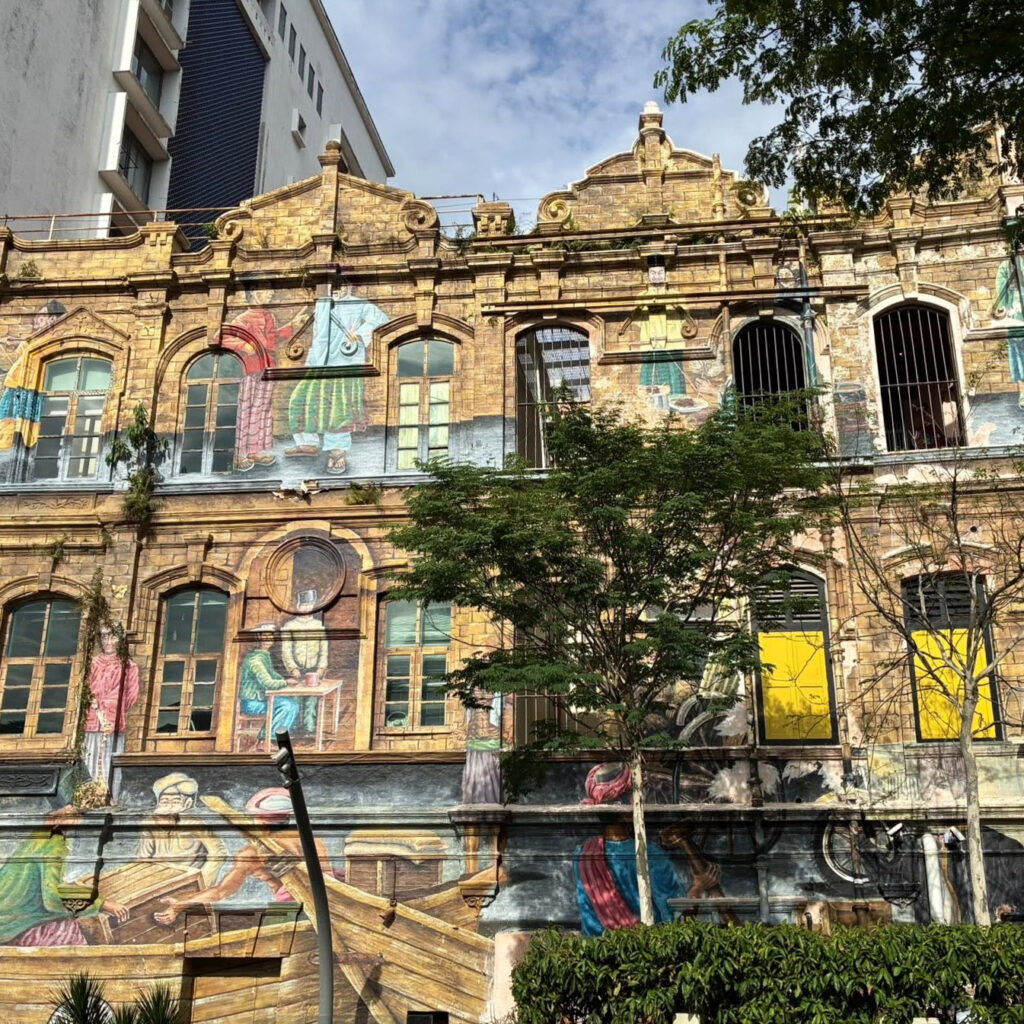
Kuala Lumpur is massive. It´s a huge contrast between the glitzy and the grunge. I am often struck by how parts of it resemble Mumbai and the way the other parts seem straight out of Dubai. It has bedazzling skyscrapers; gorgeous, old colonial mansions; quaint, tiled-roofed Peranakan townhouses, and crumbling buildings that house many of the city´s struggling lower middle-class. Old, gnarly trees give it a lush atmosphere, and Chinese cemeteries dot the rolling hills. In the midst of this human congestion, there are the usual tourist attractions, huge shopping malls, small expats´ oases, lovely mosques, colourful South Indian temples, quirky Chinese temples, swanky bars, and endless restaurants. Kuala Lumpur is a food lover´s city, and every street and lane has umpteen eateries. Add to that the city´s heaving humanity, serpentine metro tracks, and heavy traffic, and you have a megacity that´s guaranteed to overwhelm any first-time visitor.
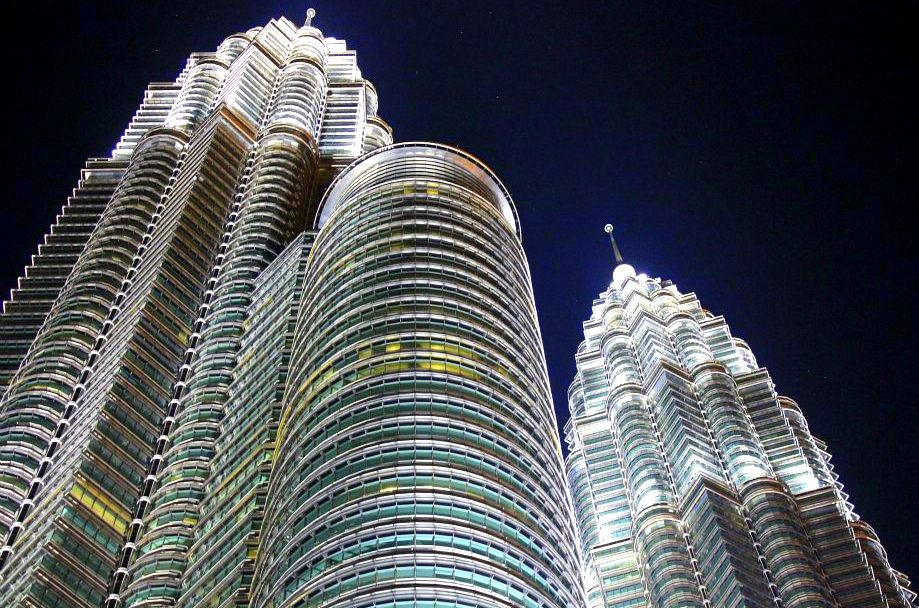
To understand and grasp the enormity of Kuala Lumpur, it´s best to understand its iconic areas. These also have some of the city´s best attractions, and include the colourful Little India with its adjacent gregarious Chinatown, with the lively Golden Triangle towards the east. It is the center of modern Kuala Lumpur, where you have the iconic Petronas Towers, nightlife, shops, 5-star hotels, and restaurants. Then, there are the radiating artery-like areas that are densely packed with daily life, fresh produce markets, and stalls selling cooked food of every kind. The areas around KL also have lots of things to do – from the limestone coccooned Hindu temple in the Batu Caves, the bird-watching hotspot of Fraser´s Hill, to Kuala Selangor with its firefly tours.
A bit of historical background
Kuala Lumpur is originally a prospectors´ town. It was founded in 1857 when a group of Chinese prospectors, commissioned by Rajah Abdullah, the ruler of Selangor State, discovered rich deposits of tin 6km from the confluence near Ampang (close to the present-day city centre). Unusually named Kuala Lumpur (“muddy confluence”), Malaysia´s capital city began as a shantytown for mining labourers. However, its mineral deposits attracted a huge number of settlers, and soon people from all over the world started pouring in. They were British investors, Malay farmers, Chinese towkays (merchants), and Tamil labourers.
The town was under the control of wealthy Chinese miners until the British took over. In the 1800s, the British Resident of Selangor State, Frank Swettenham, brought in British architects from India to design solid, grand edifices suitable for a new capital. By 1887, Kuala Lumpur had five hundred brick buildings, and by the early 1900s, when it became the capital of the Federated Malay States, this number had grown eight times. In the early 20th century, Kuala Lumpur experienced the brutalities of World War II, committed by the Japanese forces. After their surrender, the city was rocked by race riots and the imposition of a state of emergency.
From 1974 onwards, Kuala Lumpur started thriving again, and the city saw the construction of a satellite new town of Petaling Jaya, KL’s international airport, the Petronas Towers and the attendant KLCC shopping development; the various urban rail systems across the city; and Putrajaya, the government’s administrative hub off to the south along with the Klang Valley MRT rail network.
A quick glimpse of its different areas
Central Kuala Lumpur
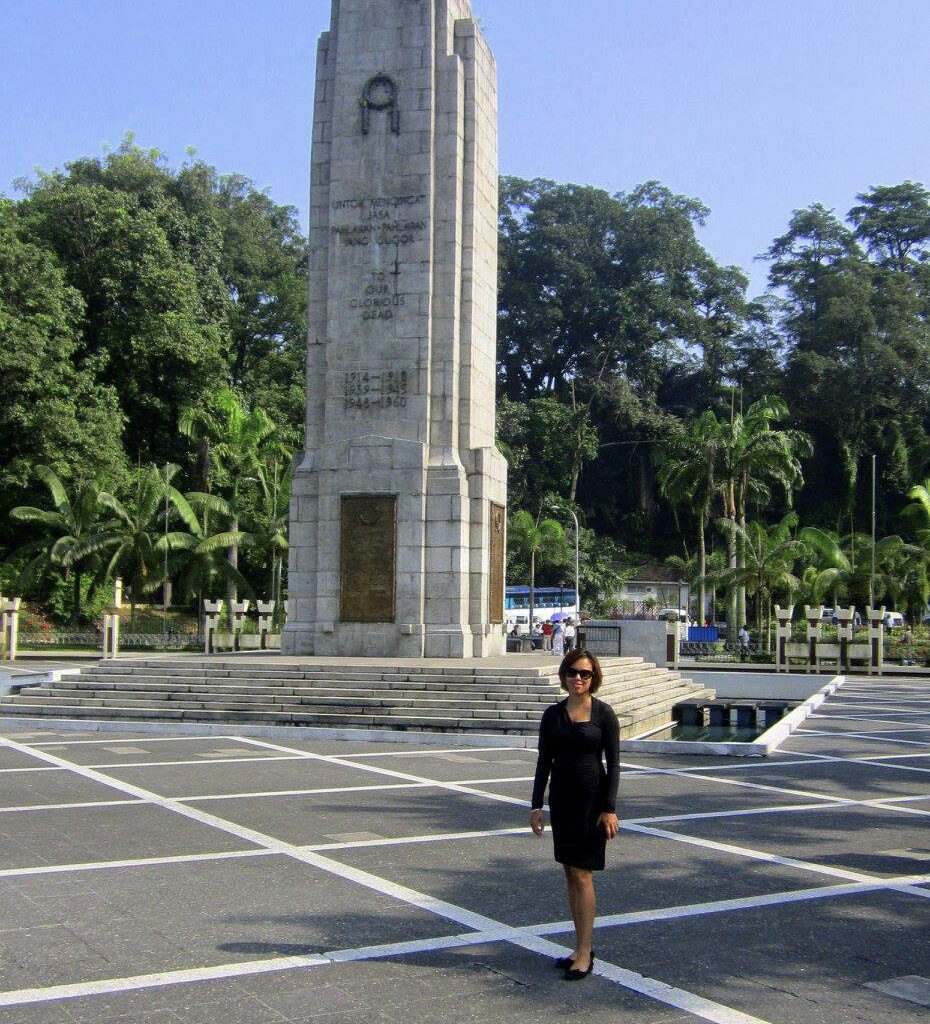
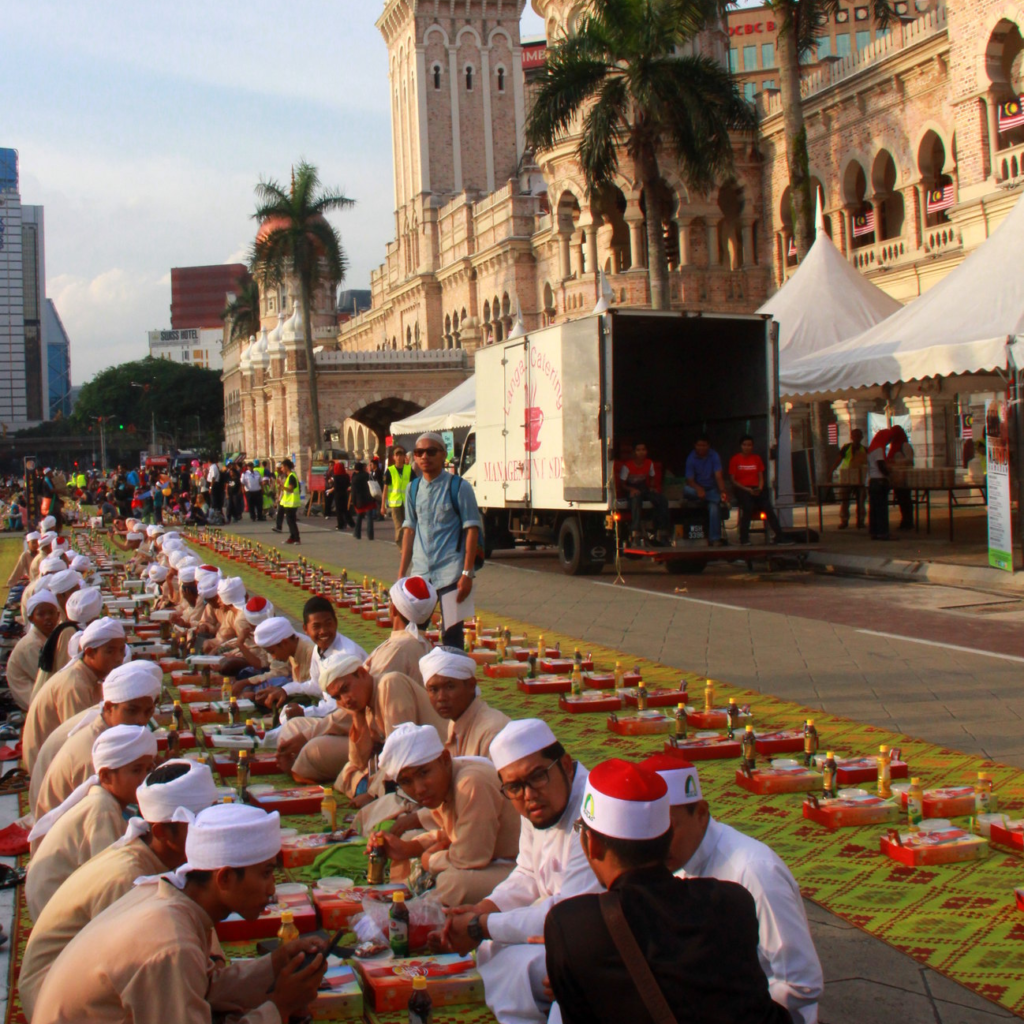
Several areas comprise central Kuala Lumpur. It includes Merdeka Square, Chinatown, Little India, and the Golden Triangle. The Merderka Square, apart from its colonial architecture, boasts a new Textile Museum, and during Ramadan, you can experience a large public Iftar gathering there. The Moorish-style Sultan Abdul Samad Building is also located here, and it’s a great place to catch the sunset. The Jamek Mosque and the bustling Central Market are located between this square and Chinatown.
Chinatown and Brickfields
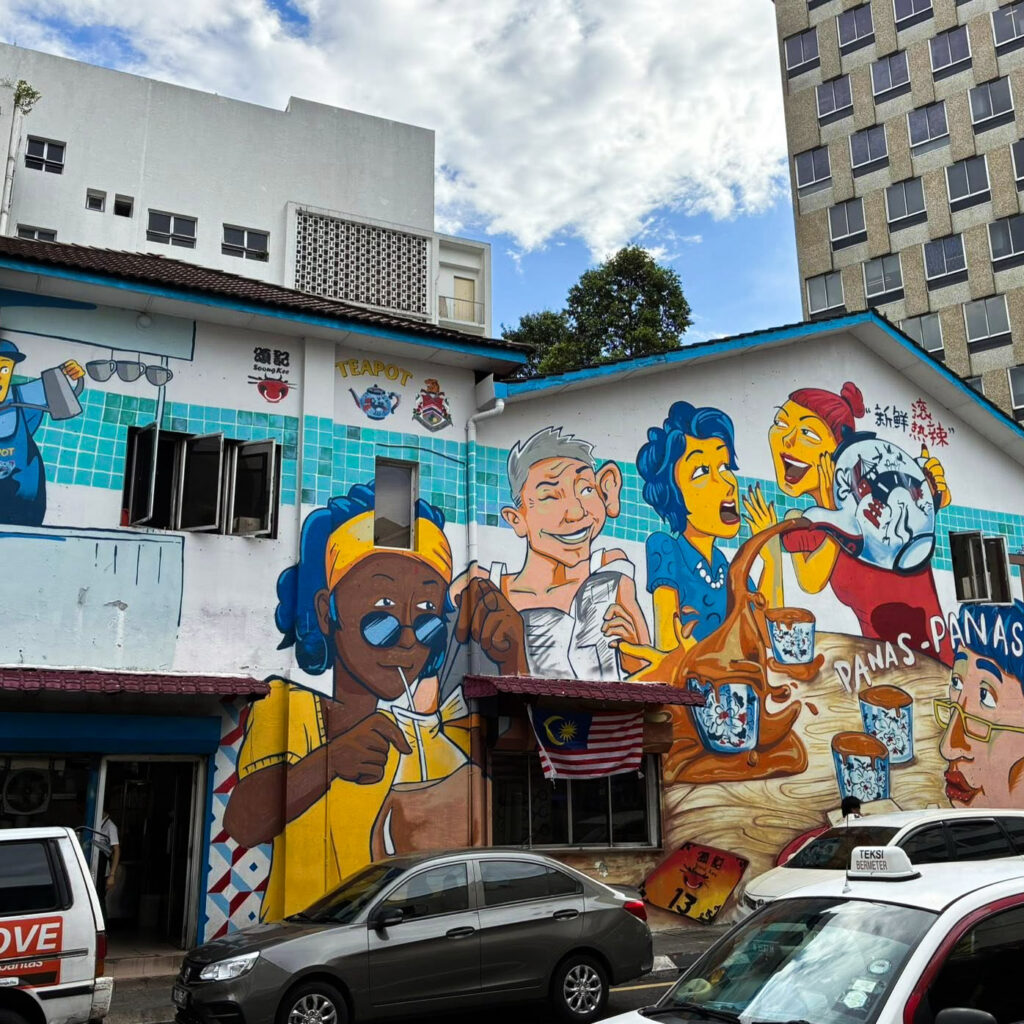
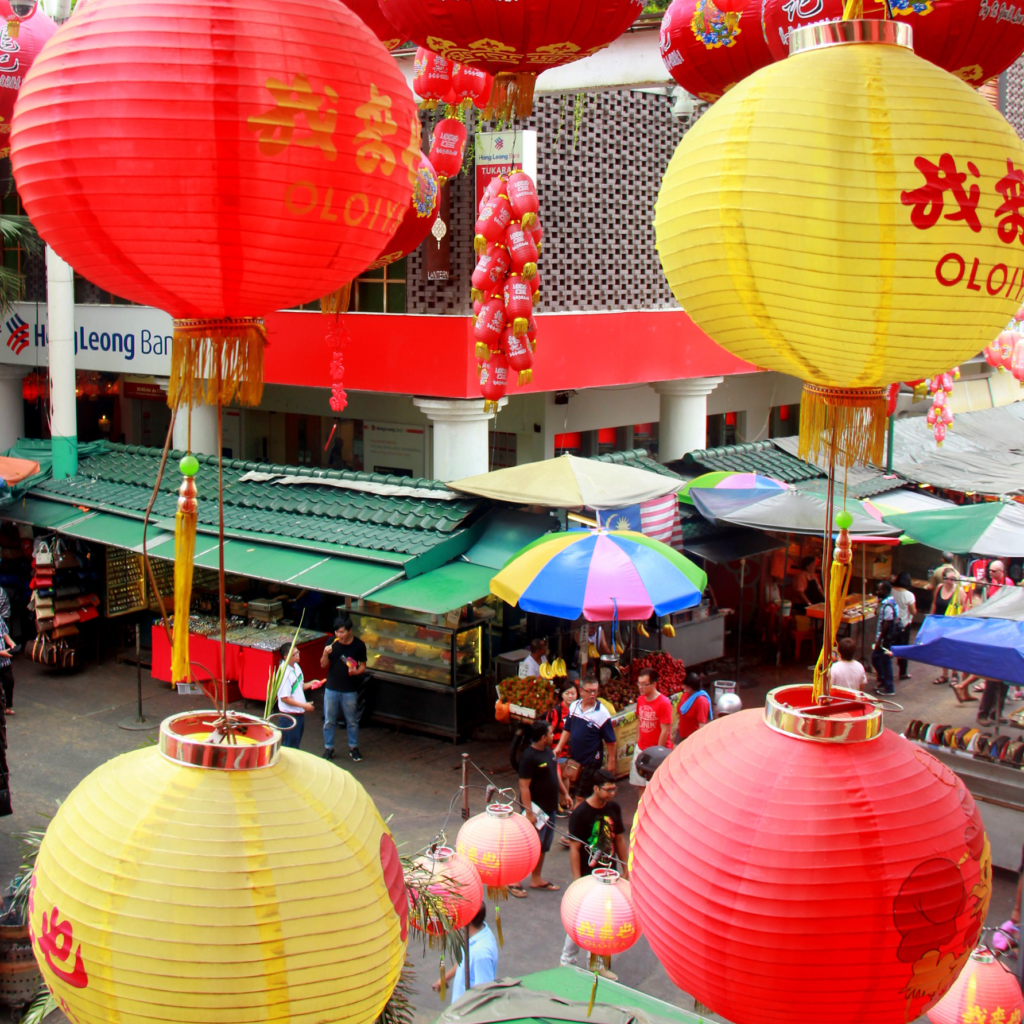
Sprawling southeast from the touristy Central Market, Chinatown is bordered by Jalan Sultan to the east, Jalan Tun Perak to the north, and Jalan Maharajalela to the south. This area dates back to the 1860s and includes interesting narrow streets such as Jalan Tun H.S. Lee and Jalan Petaling. Walk around this area to soak up the atmosphere of rows of old Chinese shophouses, coffee shops, and temples. It is also a place for budget accommodations and inexpensive eateries. Further down lies Little India and the Chow Kit Market. Brickfields near KL Sentral station has a strong South Indian presence, and Jalan Tun Sambanthan is lined with sari shops, jewellers, South Indian eateries, and pastel-coloured buildings.
Little India and Golden Triangle
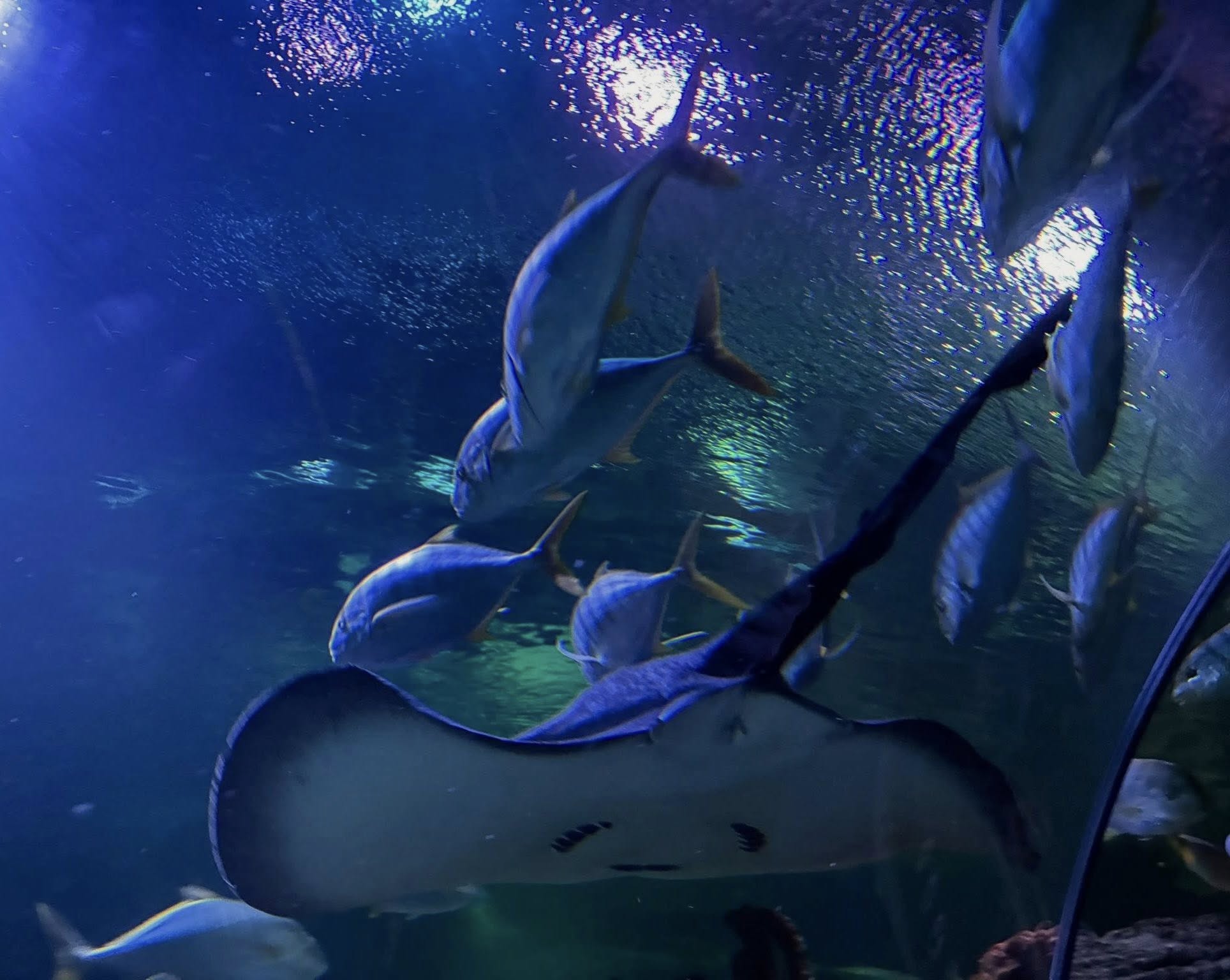
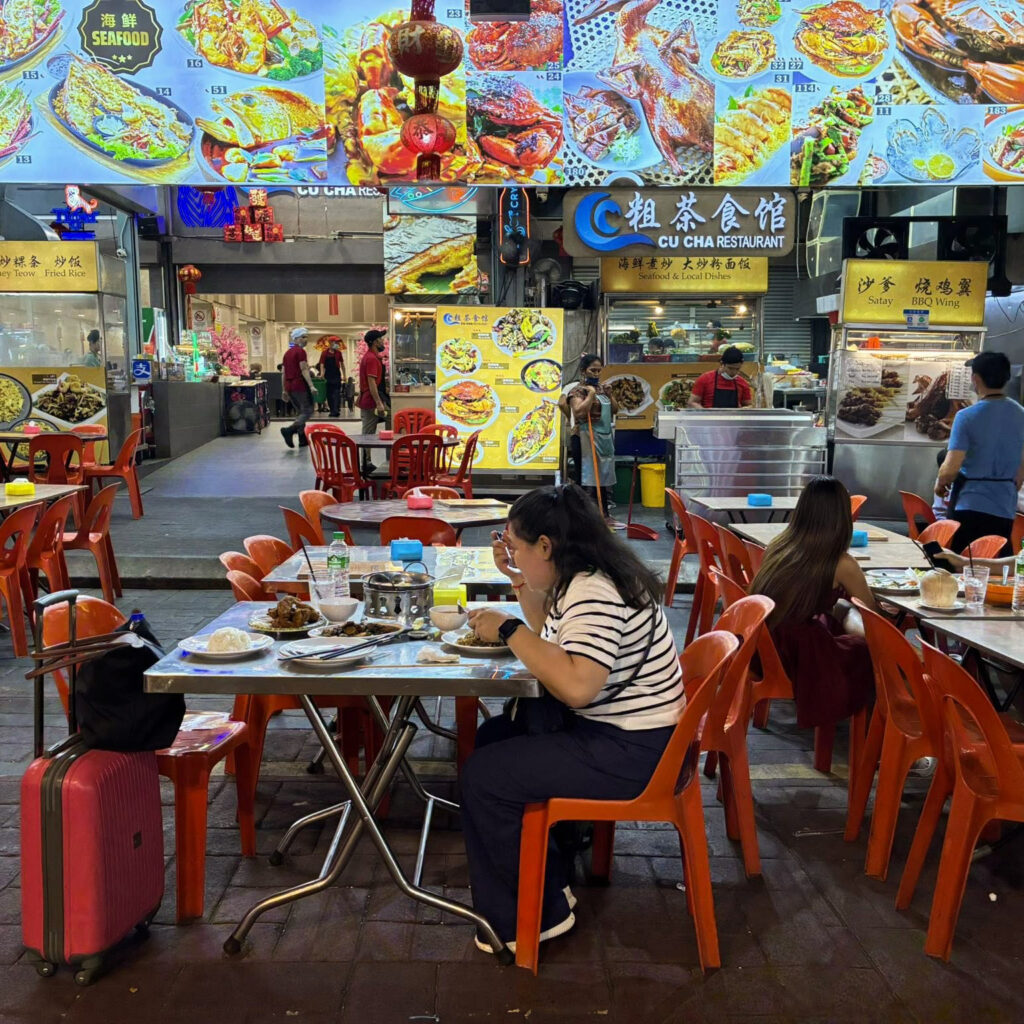
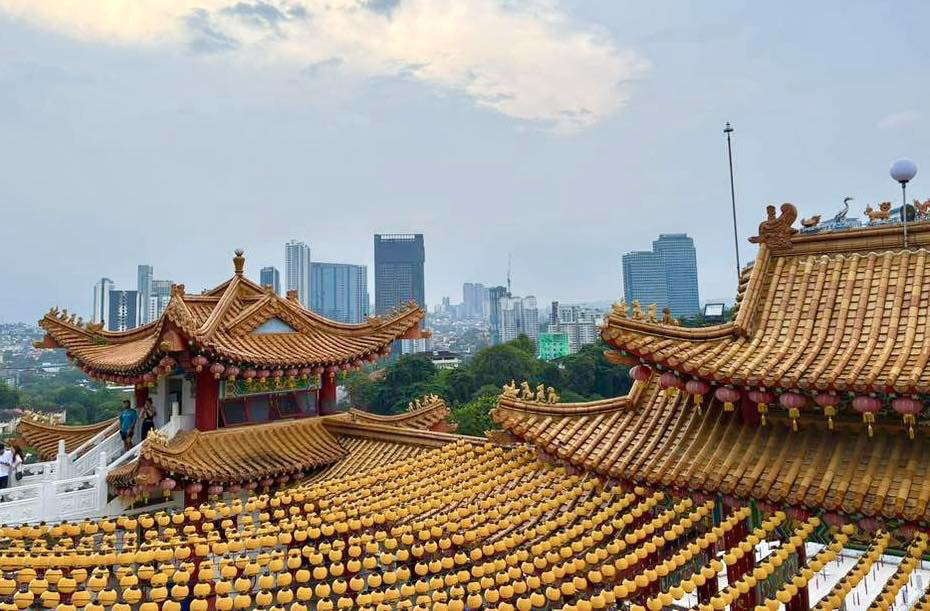
Located near the Masjid Jamek LRT station, Little India has an array of Indian stores, Masjid India, and great street food. Don´t forget to visit the Thean Hou Temple, which is located near Little India. The upmarket Golden Triangle is located around 2 km away towards the east. The famous Bukit Bintang is located here, along with a host of swanky hotels, restaurants, and designer shopping malls. Petronas Towers can be seen from the highrises here, and it´s not too far from this area. Other attractions include the massive shopping mall, Suria KLCC, and the Aquaria. The famous Jalan Alor Food Street is also located in Bukit Bintang. Further down is the Menara KL tower, and west of the colonial quarter, near Merdeka Square, lies the relaxing Lake Gardens.
Lake Gardens
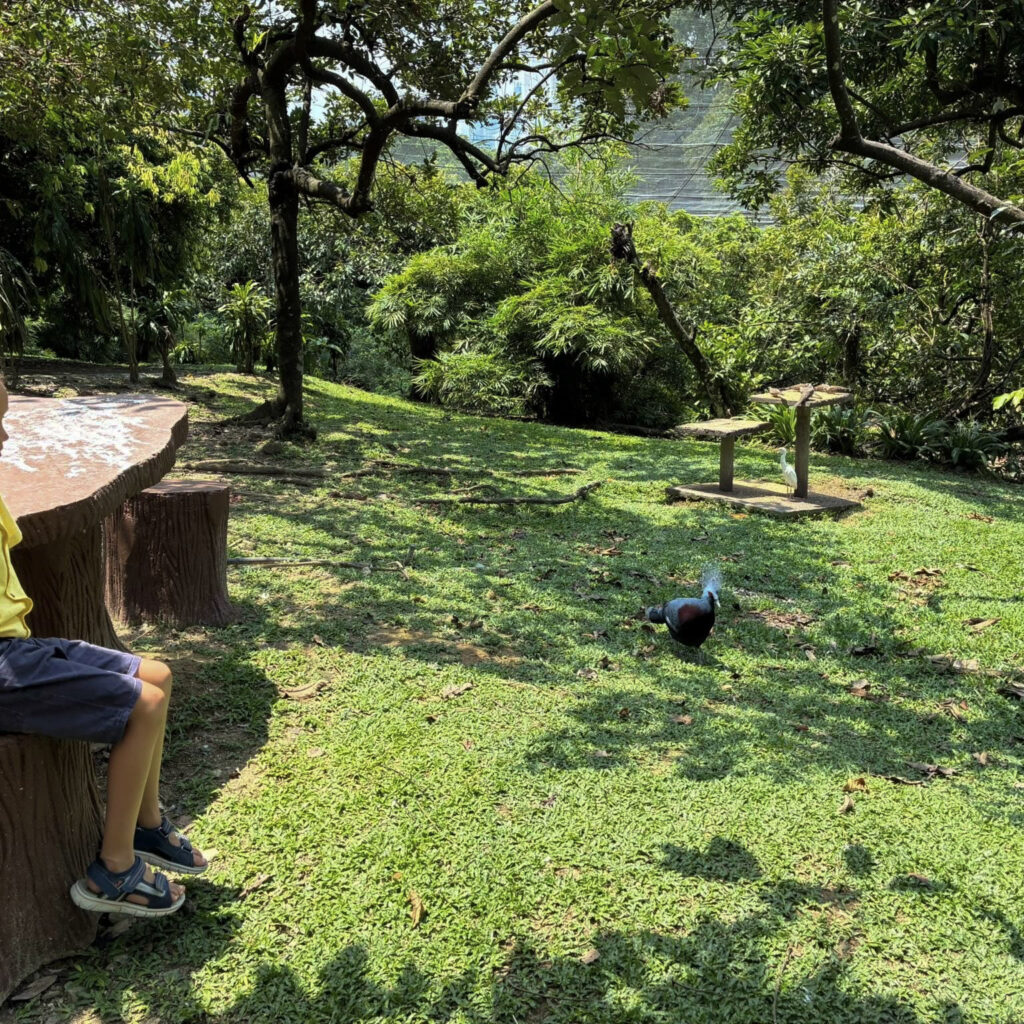
A green oasis in the midst of a frenetic city, the Lake Gardens offer a pleasant getaway. It has the superb Islamic Arts Museum and many child-friendly attractions such as a Butterfly Park, a Bird Park, and the National Planetarium.
Transportation
KLIA to the City Center Transfer
KLIA, KL´s main airport, is about 50 km away from the city center. The KLIA Ekspres train, which goes to KL Sentral Station in the city center in about 30 minutes, is the quickest way to make this journey. Taxis can be expensive, and the drive can take a long time during peak traffic hours. Plenty of public transportation and taxis are available at KL Sentral.
Getting around KL
Kuala Lumpur has a very extensive and affordable public transport network of LRT, MRT, Monorail, and buses. The Go KL City Bus is a free service that plies on certain routes within the city center, and the areas that are not serviced by trains are accessible by Rapid KL Buses. Getting a MyRapid Card makes sense if you want to spend a few days in the city. Alternatively, opt for Grab, a cheap, hassle-free taxi service. Many parts of the city have footpaths and overbridges, but keep in mind that, because of the high humidity, exploring KL on foot is a bit exhausting.
Accommodation in Kuala Lumpur
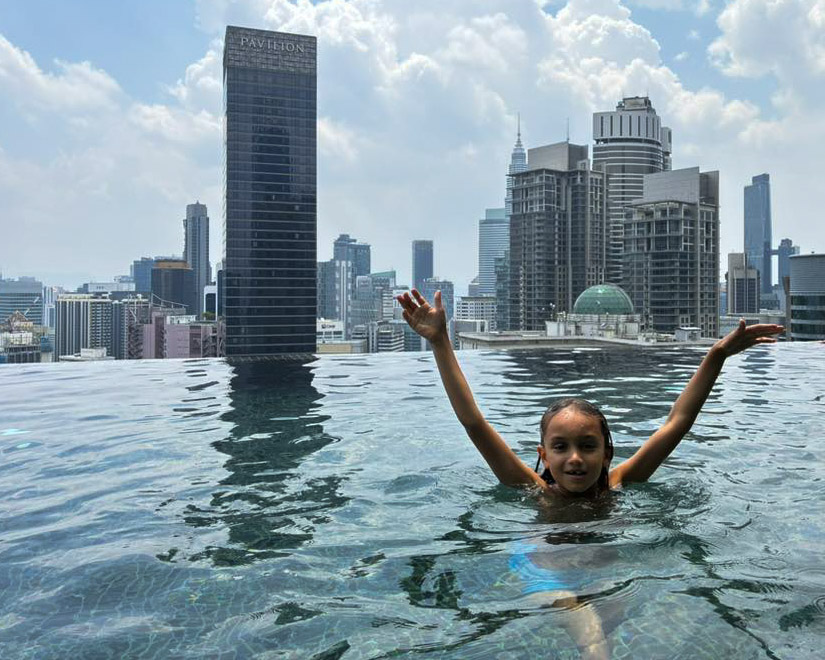
Chinatown is the quintessential budget traveller´s haven. Bukit Bintang draws a more upmarket crowd, while the KLCC park area houses some of the city´s poshest hotels. Bukit Bintang is famous for serviced apartments with rooftop infinity pools.
Eating in Kuala Lumpur
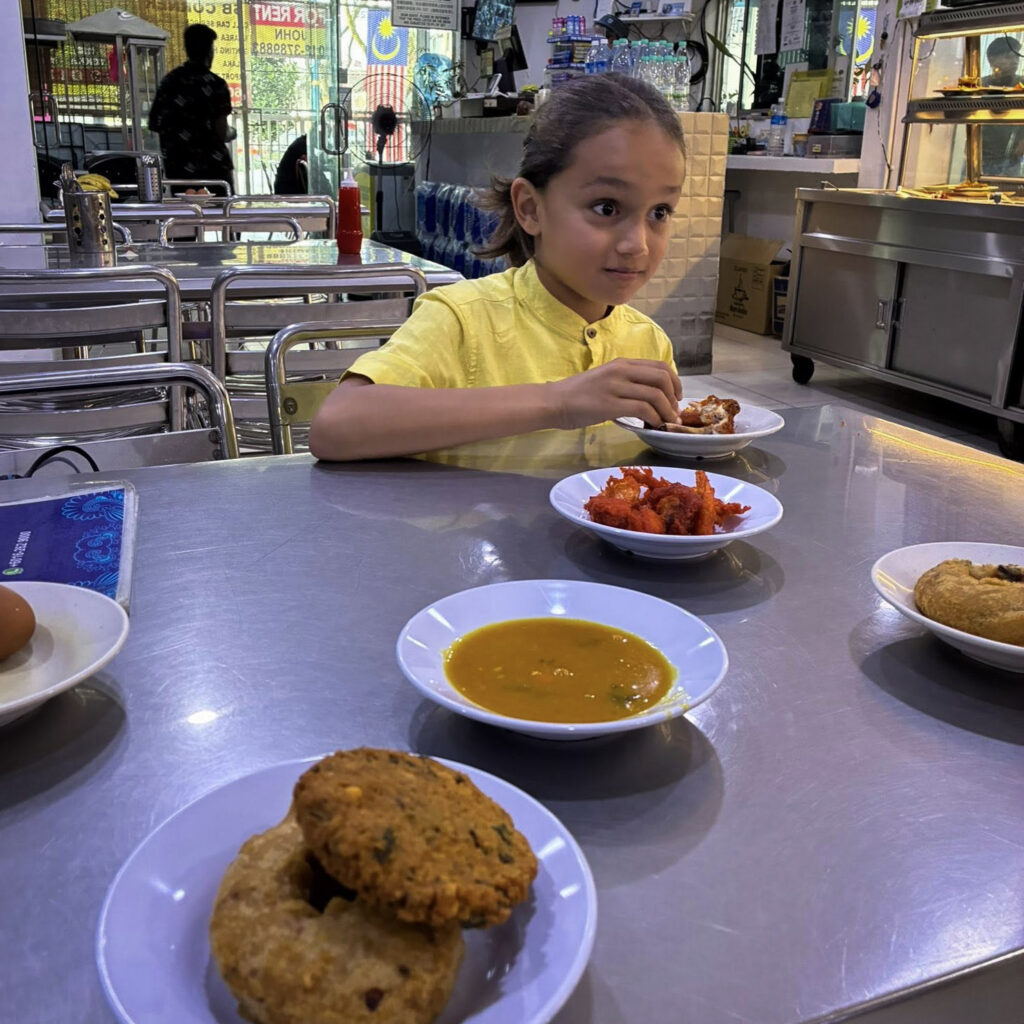
Kuala Lumpur is a food lover´s paradise. The city boasts of some of the most eclectic dining scenes, from upmarket restaurants, hole-in-the-wall canteens, to popular roadside stalls. Excellence in cooking is celebrated here, and the best-known food stalls are as much revered as top-notch restaurants. Most local restaurants start with breakfast and end with dinner. Food is often served in buffets, and the cost depends on your choice.
Things to do around KL
Although I did not venture beyond KL in my last trip, during my previous visits, I went to the Batu Caves, a firefly tour (kelip-kelip) in Kuala Selangor, and Ipoh. Other options include Bukit Fraser for nature walks, the Orang Asli Museum, and the Forest Research Institute of Malaysia for a canopy walk.
Follow the rest of the Malaysia series
- KUALA LUMPUR PHOTO ESSAY
- FOOD TOUR IN KUALA LUMPUR
- CHARMING GEORGETOWN
- GEORGETOWN PENANG STREET ART
- GEORGETOWN PENANG STEEL SCULPTURES
- KUALA LUMPUR FOOD TOUR
- Malaysia through the eyes of a child
- OUR 2025 MALAYSIA ITINERARY
RESPONSIBLE TRAVELING-BECAUSE I CARE


