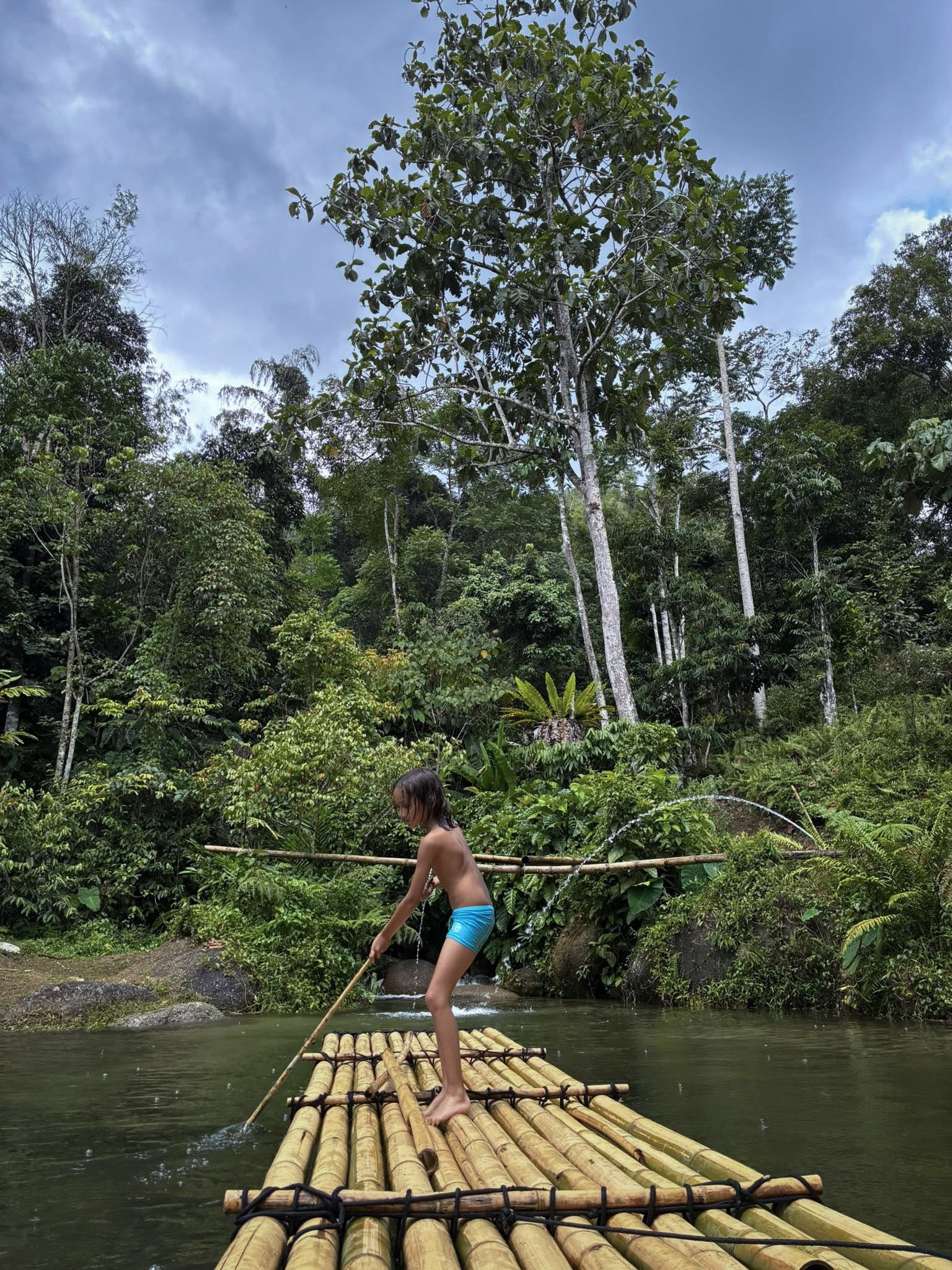
Our 2025 Malaysia itinerary
Our 2025 Malaysia itinerary consists of several places in Malaysia. We stayed in around five places, took umpteen flights, and visited three national parks. It was a lot of fun, but since most of our time was spent in Borneo, the trip was expensive. In this post, I am going to share our itinerary along with the activities we took part in and other details such as the transportation, kind of accommodation we stayed in, etc. The final cost of our trip for 20 days was around 4000 Euros. This includes the domestic tickets (not the international ones). In this post, I am going to share our itinerary, activities, accommodations, costs, and some honest reviews.
Our Malaysia itinerary (day-to-day breakdown)
- 5.8.25 – Düsseldorf (international departure)
- 6.8.25 – Kuala Lumpur (arrival)
- 7.8.25 – Kuala Lumpur
- 8.8.25 – Kuala Lumpur
- 9.8.25 – Ringlet
- 10.8.25 – Ringlet
- 11.8.25 – Ringlet – Kuala Lumpur (overnight in KL)
- 12.8.25 – Kuching, Sarawak
- 13.8.25 – Kuching, Sarawak
- 14.8.25 – Kuching, Sarawak
- 15.8.25 – Kota Kinabalu
- 16.8.25 – Kota Kinabalu
- 17.8.25 – Kota Kinabalu
- 18.8.25 – Kota Kinabalu
- 19.8.25 – Sandakan – Kinabatangan River
- 20.8.25 – Kinabatangan River
- 21.8.25 – Kinabatangan River
- 22.8.25 – Sepilok
- 23.8.25 – back to Kuala Lumpur (overnight in KL)
- 24.8.25 – Kuala Lumpur (international departure)
- 24.8.25 – Dusseldorf (arrival)
Transportation details and costs
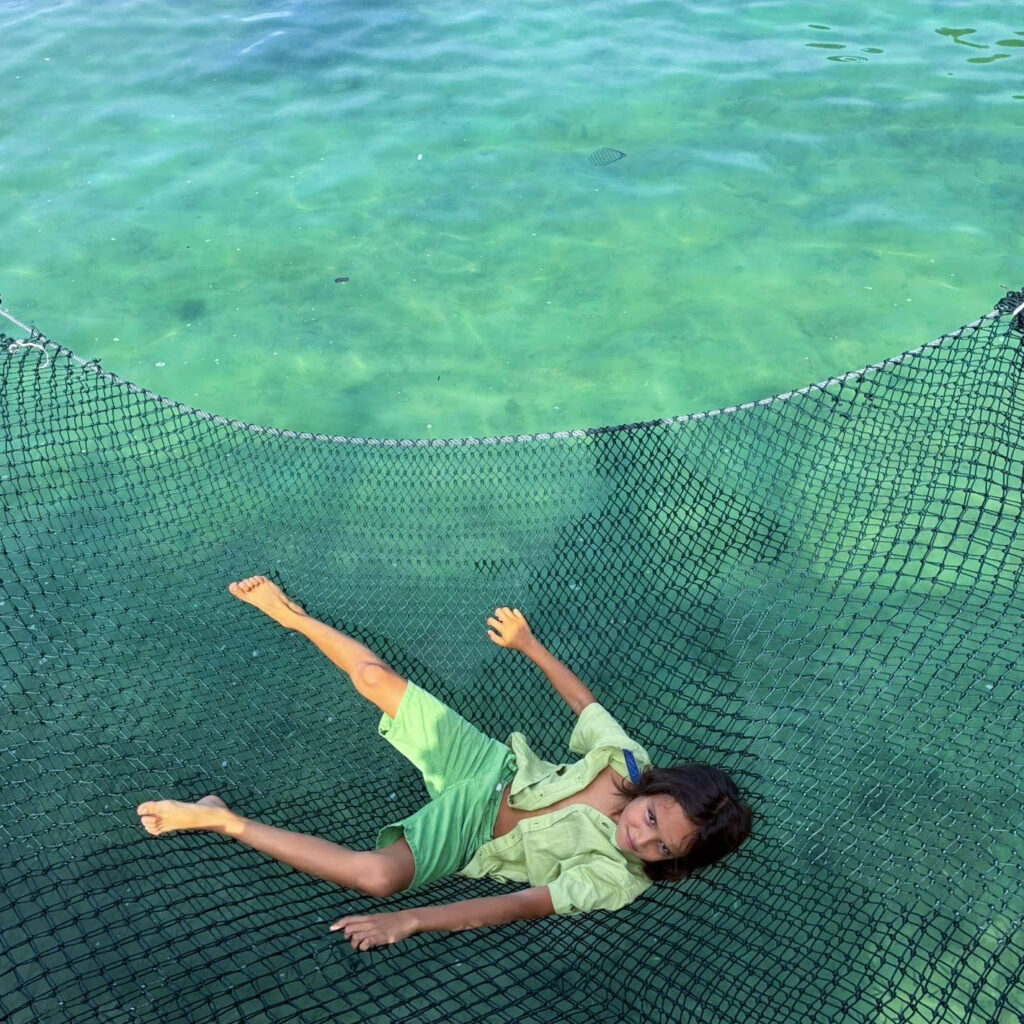
In Kuala Lumpur, we walked around a lot. We also used the city´s excellent metro and train services. For occasional taxis, we used the local app Grab. Download it before you arrive, feed in your details, and use it as required. You need an international credit card for payment. I also downloaded Moovit for public transport routes, and AirAsia MOVE for all our transportation needs. We booked long-distance bus tickets on AirAsia MOVE and it was reliable and easy to use. Domestic flights took up a big portion of our travel costs and if you want to explore Borneo and Malaysia mainland, then this cost is inevitable. Although, buses were available on certain routes, we decided to fly because the journeys are very long and the flight tickets (if bought early) were affordable. A local SIM card is essential to use all these facilities seamlessly and you can buy it at the airport. Here´s a breakdown of our Malaysia transportation costs. These costs are for 2 adults and 1 child.
- KL – Ringlet Bus – 43 €
- Ringlet – KL Bus – 43 €
- KL – Kuching (AirAsia flight) – 183 €
- Kuching – Kota Kinabalu (AirAsia flight) – 133 €
- Kota Kinabalu – Sandakan (Batik Air flight) – 97 €
- Sandakan – KL (Air Asia flight) – 180 €
- Internal transport (city) – Grab, airport taxi, local trams and trains (paid in Malaysian Ringitt – RM)
Here are some details to give you an idea of their costs: KL airport taxi to Bukit Bintang (84 €), monorail tickets from Bukit Bintang to KL Sentral (7.50 RM), Grab from KL Sentral to Bird Park (17 RM), train tickets to KLIA 1 from KL Sentral (160 RM) etc. Grab prices are slightly higher in Borneo owing to the longer distances and less availability of cars. For example, Grab taxi to Kuching homestay in the city center from the airport (approx. 10 minutes drive without traffic – 13 RM), Grab from Kuching riverfront homestay to Semmengoh (approx. 25 minutes drive without traffic – 43 RM), etc.
Accommodations
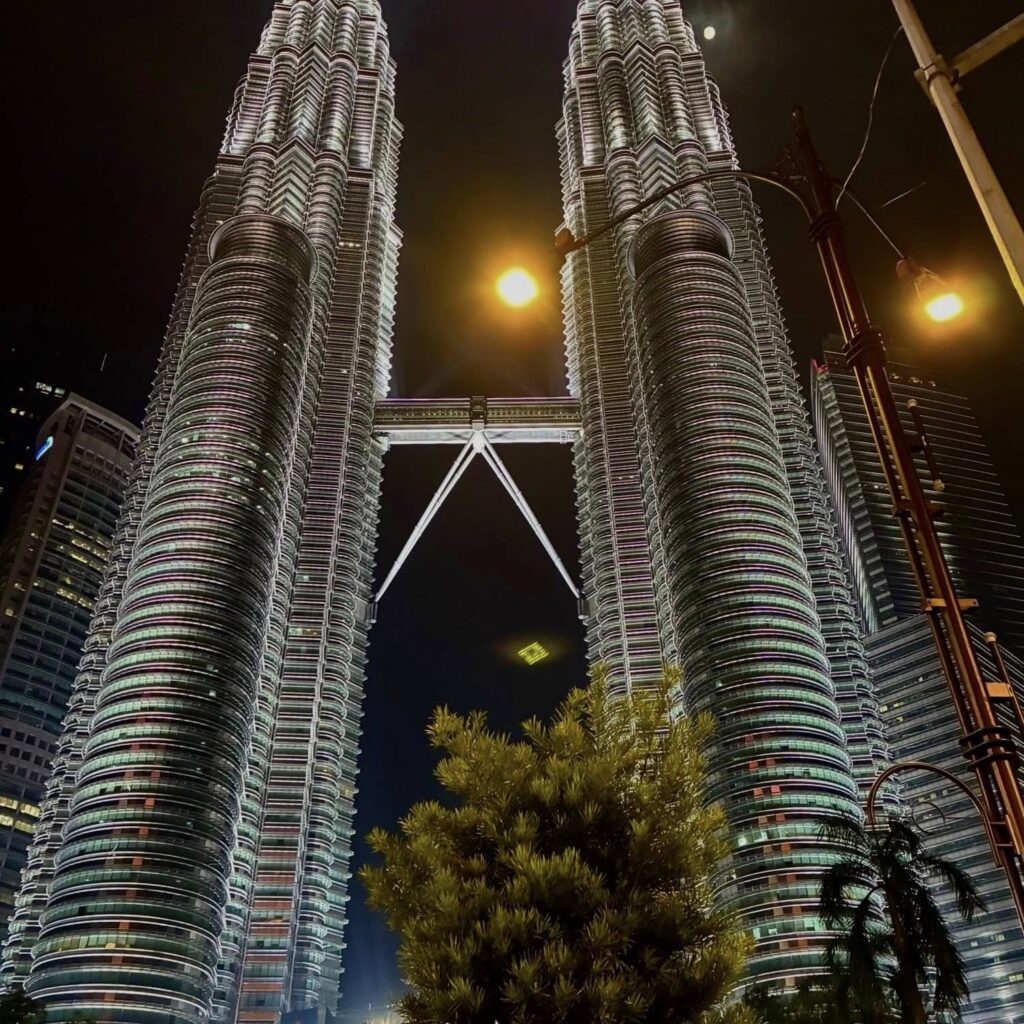
We stayed at different types of accommodations in Malaysia. These include service apartments in their tall highrises, a jungle cottage with basic facilities, beautiful riverfront homestays, and comfortable hotels.
Serviced apartments
We stayed in two serviced apartments – in KL and in Kota Kinabalu. While, the KL apartment was a bad experience, the Kota Kinabalu experience was fantastic. There are several pros and cons in staying at these kinds of apartments in Malaysia. They are mostly located in city centers or other popular areas, have great access to transportation facilities, restaurants and other entertainments. These apartments are also very secure and clean. Some of them may come with swimming pools (like the rooftop swimming pool in KL), while others may have small recreational areas. The difference, however, lies with the companies that maintain them. Our apartment in KL are very badly maintained and there was no in-house maintainence or guest service executive. It was a huge disadvantage, since the room air conditioning stopped working and we had to change apartments at our own cost. On the other hand, @ The Shore CBD in Kota Kinabalu exceeded our expectations and it was a fantastic experience. The biggest drawback is that these apartments due to their advantages are extremely crowded and during peak hours (morning after breakfast and at around 7 pm), you have to wait in long queues to access the elevators. The main lobby is also very crowded, but if you don´t mind people miling around, it should not be a big problem.
Homestays
Some of the best stays of our Malaysia itinerary were at homestays. Owned by and maintained by Malaysian expats, these are actual homes and you immediately feel the difference. More comfortable, and more spacious, these homestays give you a perfect combination of privacy and home comforts. Additionally, most of them are located in residential areas and there are plenty of supermarkets, pharmacies, restaurants, fresh produce markets, and transport facilities around. Cozzzy hut Riverbank Suites Kuching with spectacular River view in Kuching was the best homestay we stayed in Malaysia.
Jungle Stays
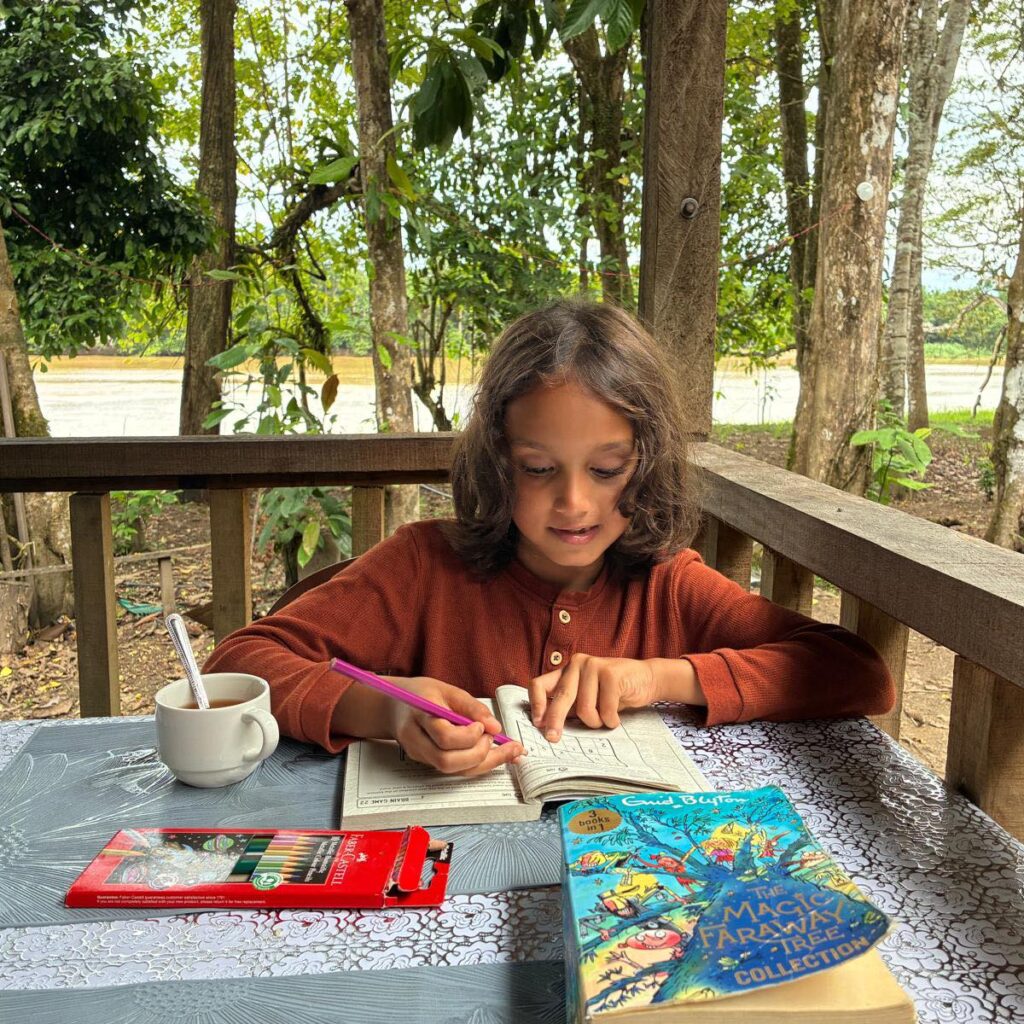
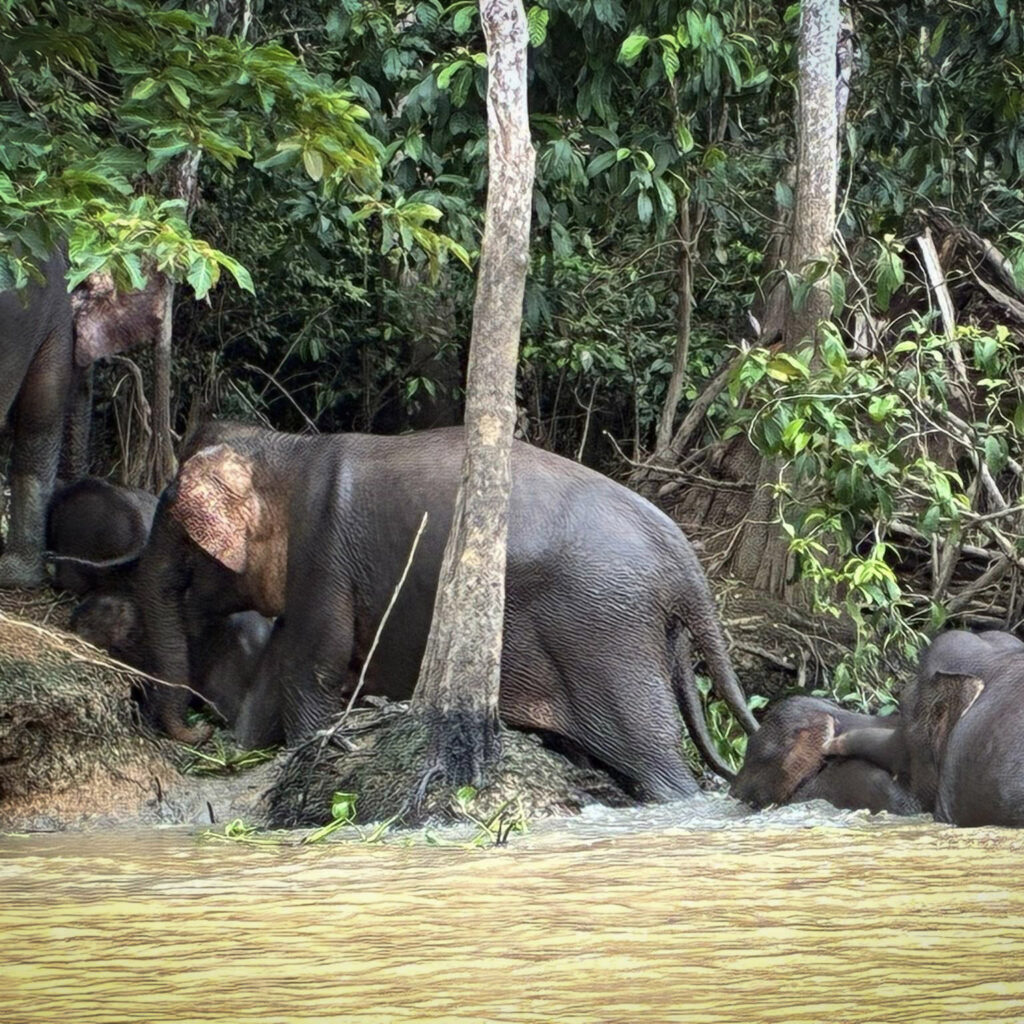
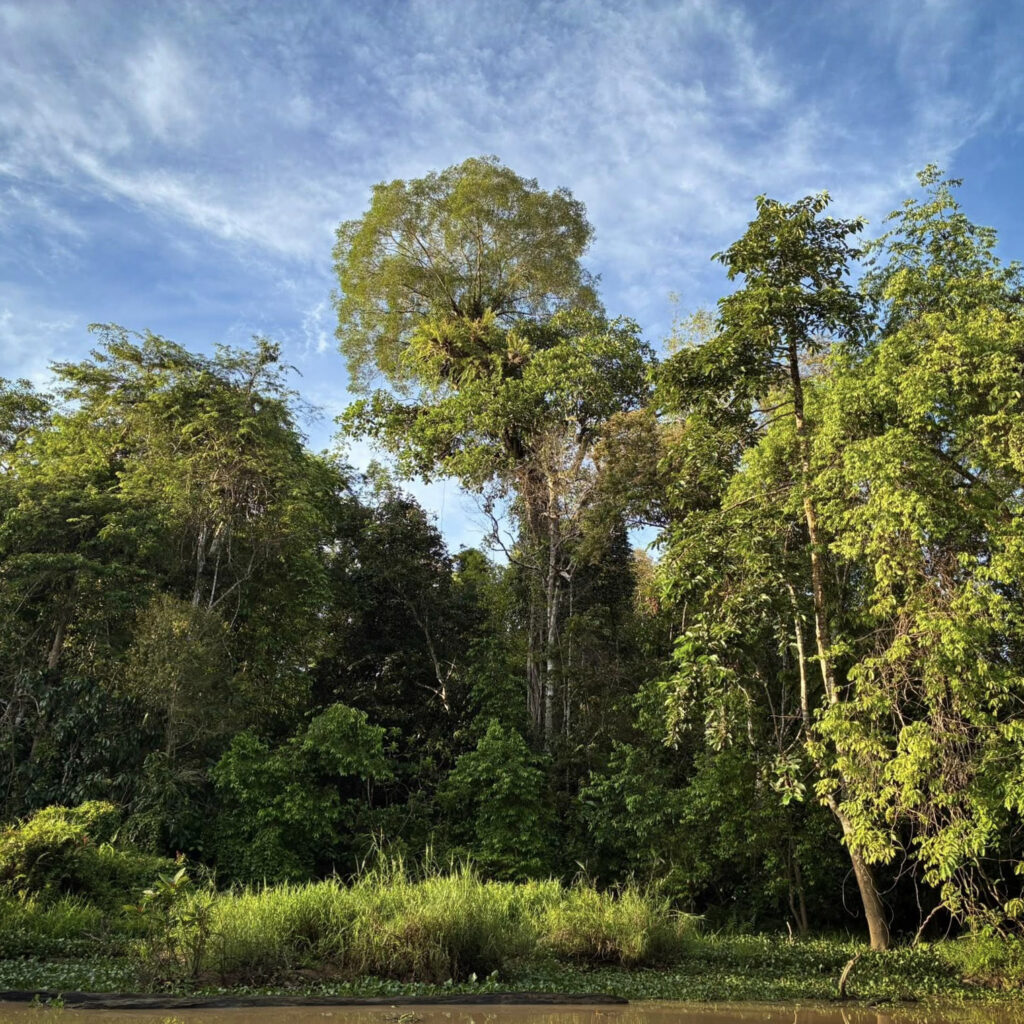
Our most memorable stay was at Wan Die´s homestay at the Kinabatangan River. It was a little wooden hut on stilts in the middle of a jungle. Although the accommodation facilities were very basic, every morning we woke up to the sound of birds and snuffling elephants and once in the evening, we saw the rare Malaysian civet cat rooting underneath our hut. Wifi was erratic there and sometimes the only access was by boat, but it was quiet, peaceful, and absolutely tranquil. Another jungle stay was at Rain Forest Inn in Ringlet, a little mountain hamlet in the Cameroon Highlands. It was secluded, had its own little river, and a fantastic restaurant.
Hotel Stays
Only two hotels featured in our Malaysia itinerary. Both of them were in Kuala Lumpur. They were very comfortable mini suites that came with complimentary breakfasts and were the perfect place to indulge in a bit of luxury after roughing it out. These were the Royale Chulan and the Traders Hotel.
Here´s an idea of the costs of accommodations in Malaysia:
- KL – 189.91 € (3N/4D) KL serviced apartment
- Ringlet – 174 € (2N/3D)
- Kuching – 170 € (3N/4D)
- Kota Kinabalu – 345 € (4N/5D)
- Sepilok – 72 € (1N/1D)
- Wan Die Homestay – 2300 RM (3D/2N)
- KL – 134 € (1N/1D) Royale Chulan
- KL – 162 € (1N/1D) Traders Hotel
Our Malaysia itinerary activities and honest reviews
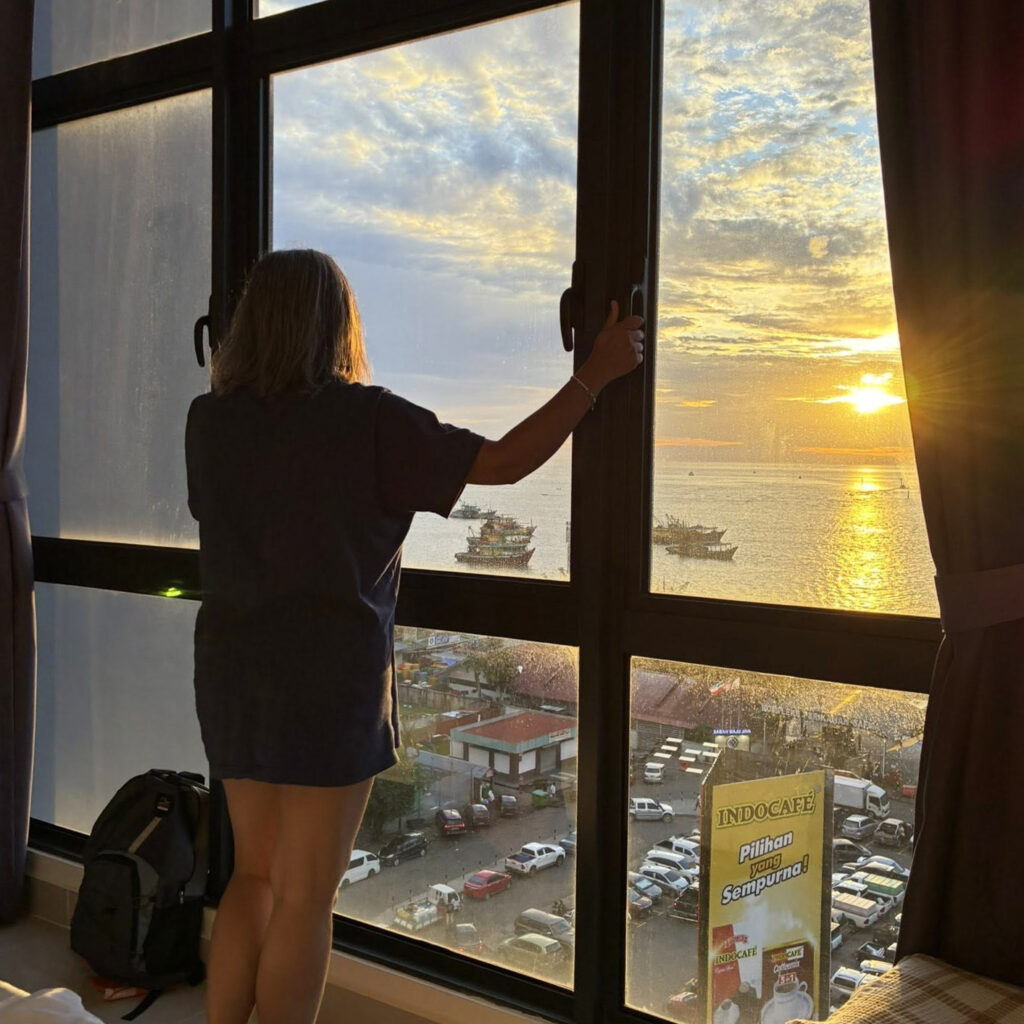
Here´s a list of activities of our entire trip. Some of them were very nice, a few of them avoidable, and only one was regrettable. These are our personal opinion and does not reflect on the activities themselves. We prefer nature and quiet, uncrowded places and find too many people and too much noise very claustrophobic.
Kuala Lumpur
- KL Bird Park (nice outing with kids)
- Aquaria (okay for one time visit, a bit overpriced and crowded)
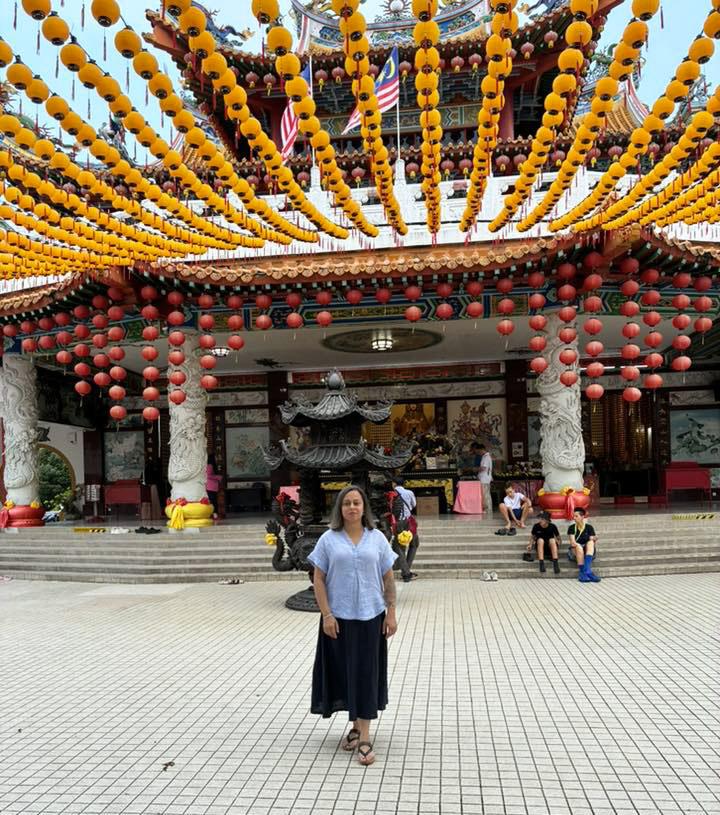
- Thean Hou Temple (a bit kitschy, but a lovely, quiet Chinese temple and the walk up the hill was lovely)
- Central Market (avoidable – very touristy with overpriced souvenirs)
- Jalan Alor Food Street (excellent night time activity – go on an empty stomach to enjoy it to the fullest)
- Mendarka Square (nice for an evening/sunset walk)
Ringlet
- Traditional indigenous community dinner (pricey, but excellent – around 45 €/meal)
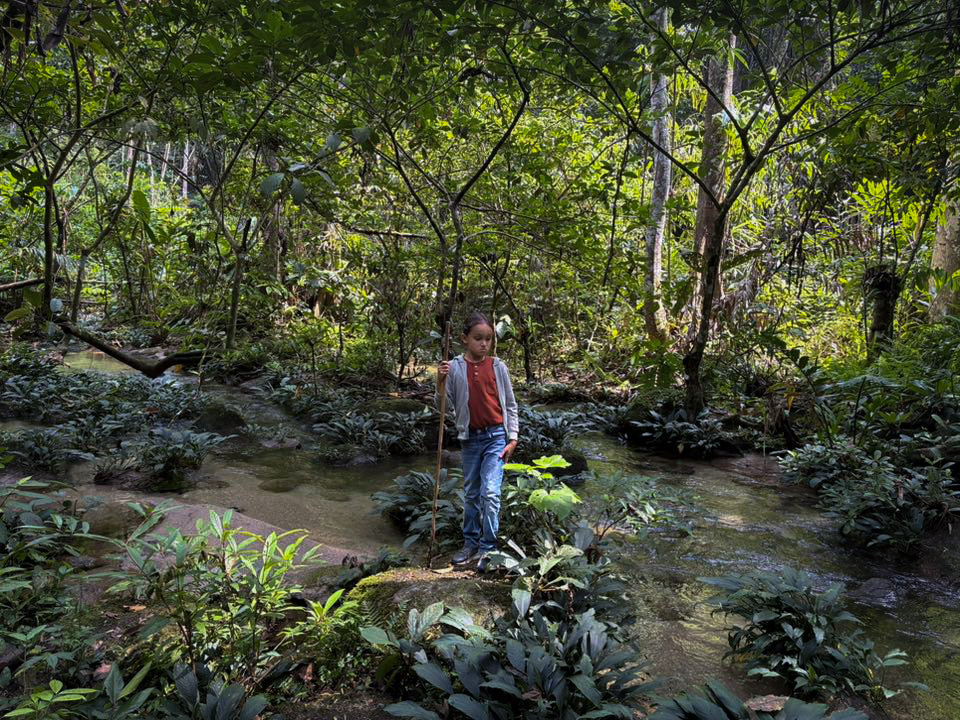
- 2-hr Jungle walk with a small picnic (excellent – 40 €)
- Half-day private tour to a strawberry farm, waterfalls, and Mossy Forest (excellent – 80 €)
Kuching
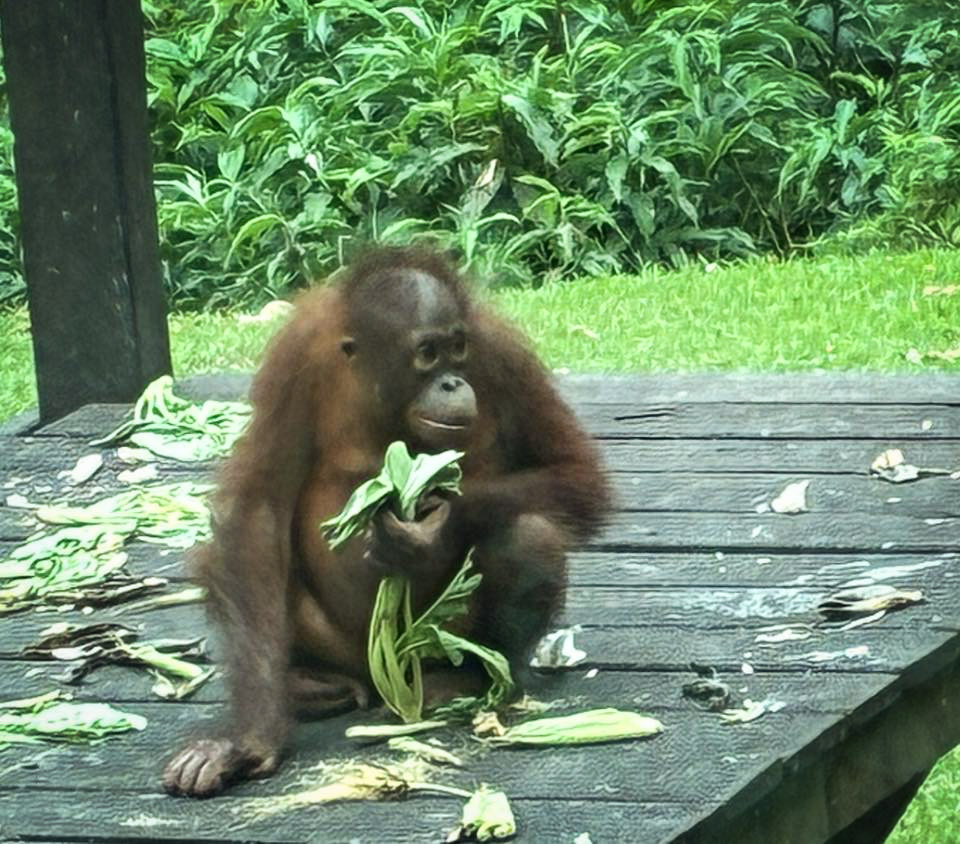
- Semenggoh Wildlife Centre (orangutan feeding – avoidable – too crowded and noisy, we saw orangutans in the wild at the Kinabantangan River)
- Bako National Park (although it took a bit of planning to go there, we loved every moment of it)
Kota Kinabalu
- Klias River Proboscis Monkey & Fireflies Cruise (regrettable – we found it boring, touristy, and not worth the price or the long driving distance)
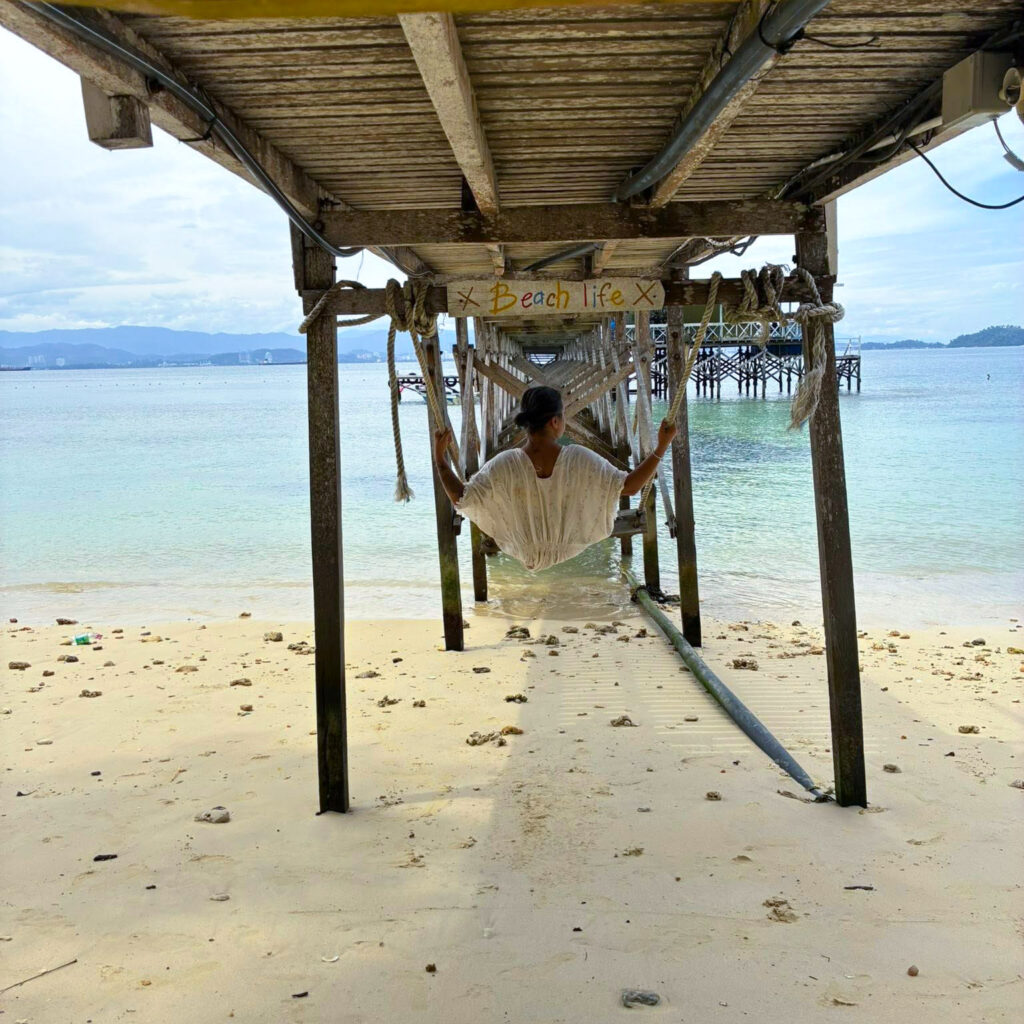
- Island hopping in Abdul Rahman Marine Park (this was one of those day trips that we loved and hated. The amount of plastic trash in the sea is shocking. Moreover, these islands can get very crowded. However, they are great places to spend a day at the beach, swim, snorkel, and dive.
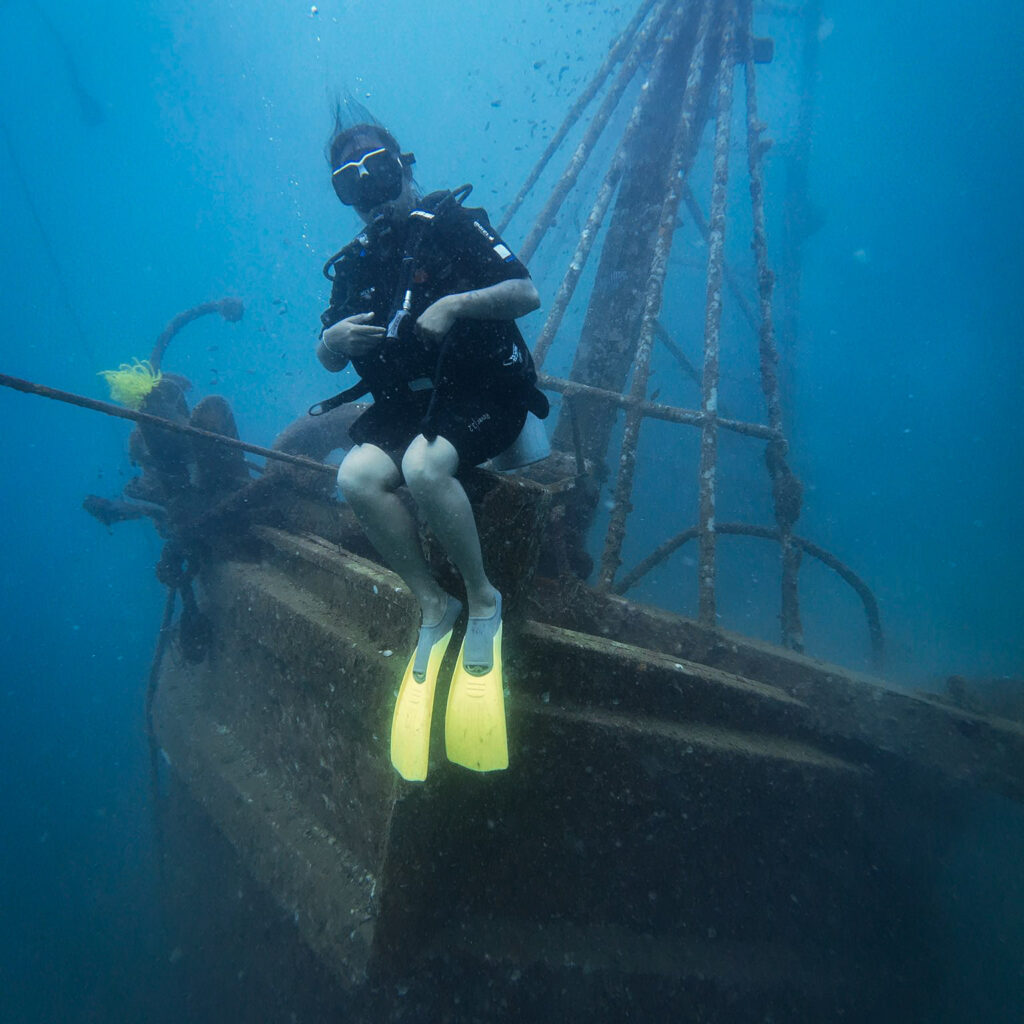
- Gaya Island Diving (nice experience although the visibility was not that great)
- Todak Waterfront Hawker Center (great for a one-time visit – has oodles of atmosphere and it´s nice to select the seafood and have it cooked the way you want)
Kinabatangan River
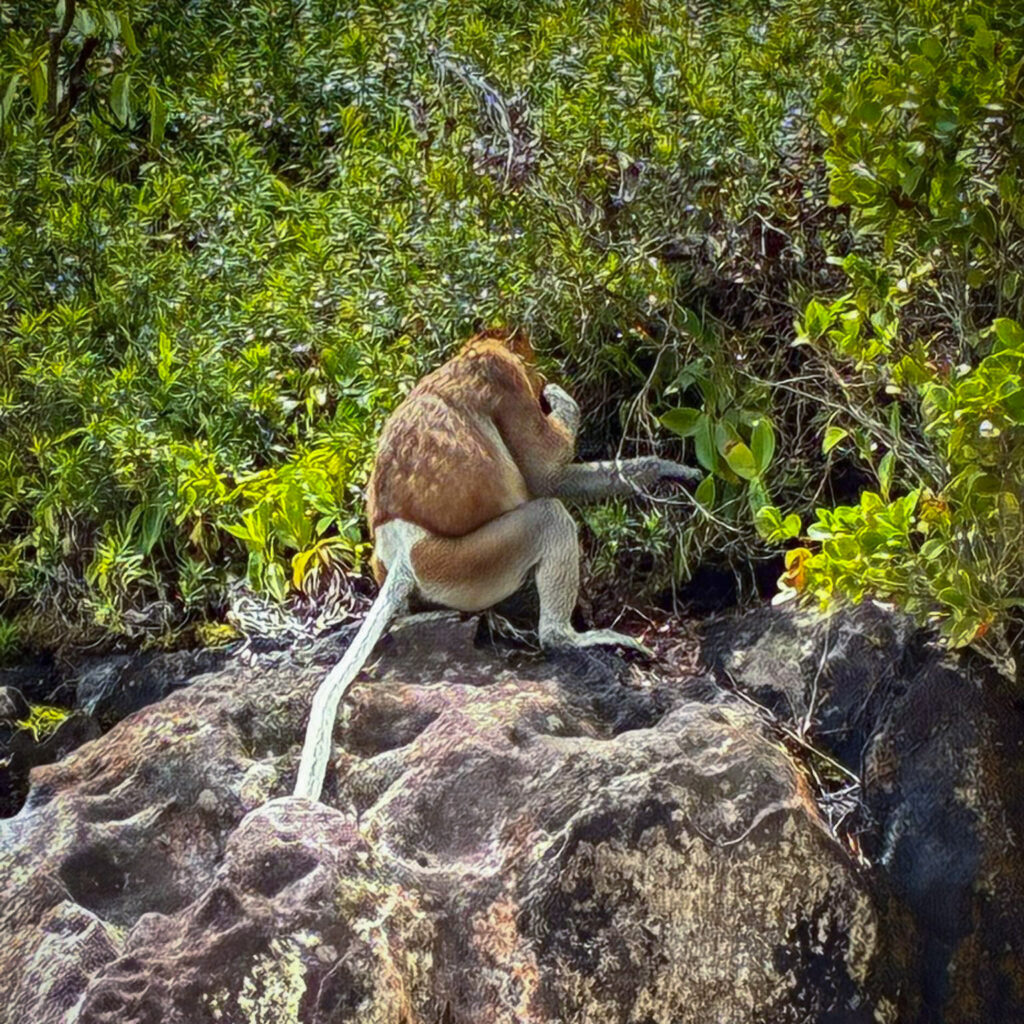
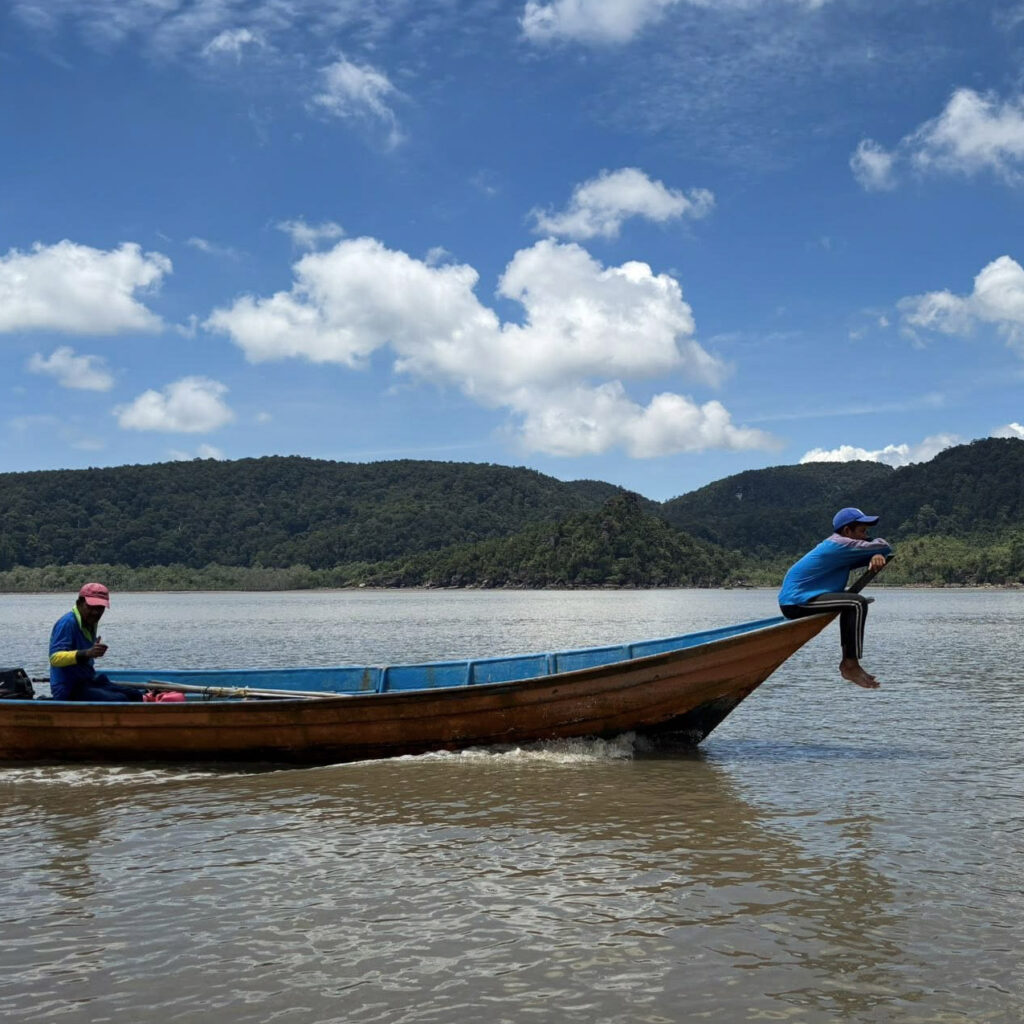
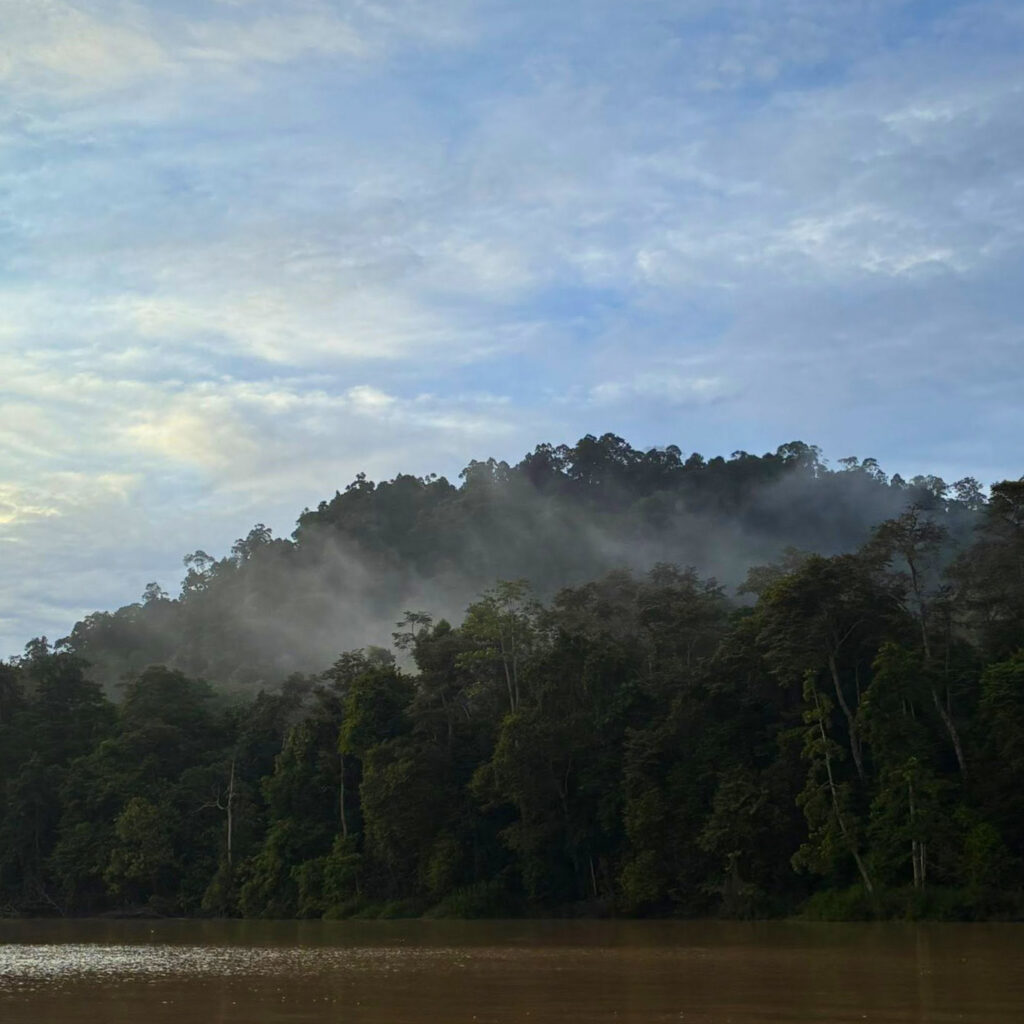
- boat rides (excellent – we loved the morning and the night rides)
- jungle walks (excellent – we loved the morning walk)
Sepilok
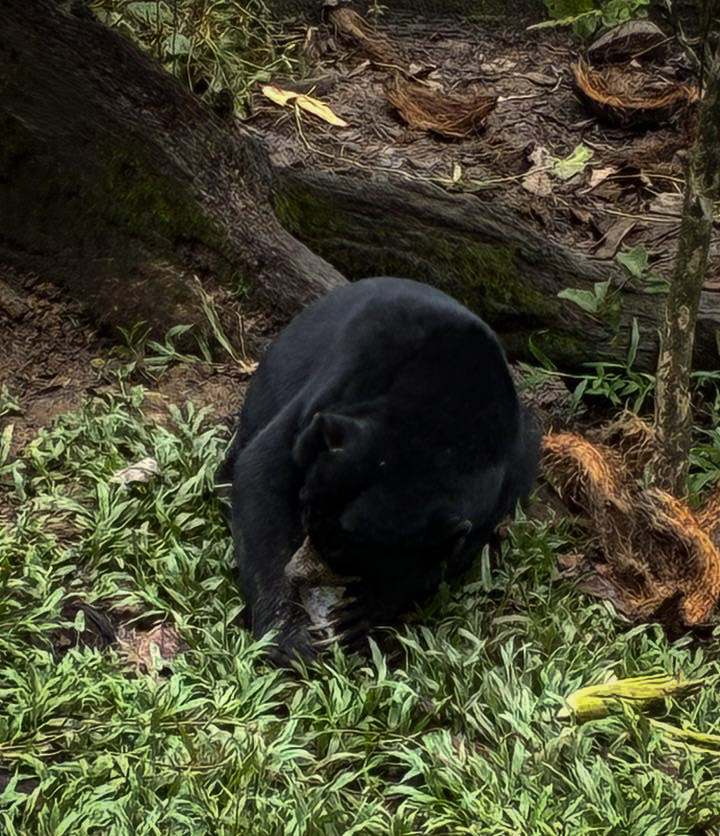
- Sunbear Sanctuary (very informative and great for children – excellent)
- Sepilok Orangutan Rehabilitation Center (excellent – it was nicer than Semenggoh because of the organised walkways and the way glass partitions protect the orangutans from the noisy people)
- Rainforest Discovery Center night walk (excellent – but choose your guide properly and if possible, opt for a private tour)
Follow the rest of the Malaysia series
- KUALA LUMPUR PHOTO ESSAY
- FOOD TOUR IN KUALA LUMPUR
- CHARMING GEORGETOWN
- GEORGETOWN PENANG STREET ART
- GEORGETOWN PENANG STEEL SCULPTURES
RESPONSIBLE TRAVELING-BECAUSE I CARE