
Addis Ababa to Jinka: an Ethiopian road trip in photos
An Ethiopian road trip is similar to the ones we have in the Indian subcontinent. Expect smooth roads, broken roads, no roads, offroad driving, potholes, small hamlets and villages, eateries, beautiful countryside, and lots of all kinds of traffic: various types of modes of transportation ranging from expensive cars, jeeps, vans, long-distance buses, jittery local buses, open trucks, donkey carts, foot traffic, and goats. People walk along highways carrying bundles on their heads, sometimes the road disappears in muddy streams, and donkey carts trundle patiently, raising dust with their plodding hooves.

The Ethiopian road trip down south
I happened to do an Ethiopian road trip twice. Once, it was in the north, and the other time, I went by bus all the way to Jinka from Addis Ababa. While the northern part of the country was more organized with better roads and more vehicles on them, the highway to Jinka via Arba Minch was a pain. It was long, broken, and deserted. We hardly passed any other vehicle on the entire 10-hour drive from Addis to the Salem bus; despite being quite comfortable, it was not fast. The countryside, however, was gorgeous with bunga style huts, streams, greenery, and red earth. It became greener and lovelier as we drew closer to the Great Rift Valley, and vast lakes dotted the scene.

The mid-way town of Arba Minch
The Great Rift Valley of Ethiopia is a branch of the East African Rift that is slowly tearing the continent of Africa apart. The rift developed millions of years back and Africa will break into two continents millions of years later. However, what we have now are some gorgeous Rift Valley Lakes in that region. The Ethiopian Rift Valley lakes, out of which eight are major ones, occupy the floor of the depressed rift valley, and they are located between the two highlands. Since most of them do not have an outlet, they are alkaline and essential for the survival of the local people and fishing. These lakes are also hotbeds of many aquatic animals and migratory birds, and though I only saw the lakes Chamo and Shala, I found them to be oases of peace. Somewhere in the middle of this valley of lakes lies the town of Arba Minch. Used mostly as a break-up point for Ethiopian road trip travelers coming from Addis Ababa, Arba Minch was forgettable. It was a little town full of tourists, touts, tourism service providers, shoeshine boys, beggars, and mango trees. Travelers usually rest here for a day or two before heading off to Jinka for the Omo Valley, enjoy the cooler temperature, and visit the Dorze tribal community in the highlands.

Off to Jinka
My Ethiopian road trip comfort ended at Arba Minch. The journey took around 10 hours, and I traveled slowly but comfortably with Salem Bus. The ticket-buying process was also easy. I had simply gone to Meskel Square in Addis, bought two seats, and hopped on the bus at the long-distance bus ground. Arba Minch was a different story. Touts target you the moment you get off the bus, and in retrospect, I feel that it gave a preview of how Omo Valley would be. Thankfully, my ordeal did not last long since I had befriended an Indian teacher who lived and worked in Arba Minch. He spoke Amharic, knew the local pace, and helped me hire a seat on a shared jeep to Jinka. These jeeps for Jinka, Awasa, and other places in the south wait for passengers outside the Arba Minch Tourist Hotel, and they depart once full. Thankfully, I did not have to wait long, and thus began the second part of my Ethiopian road trip.

An Ethiopian road trip of 14 hours
It became hillier, greener, and wilder as Arba Minch receded in the background, and soon in the distance, I could see the daredevil Lake Chamo fishermen paddling on their reed canoes amidst crocodiles and hippos. Incidentally, this is the area of the famous Crocodile Market, Africa’s largest natural congregation of crocodiles, hippos, fish eagles, and shorebirds. In Addis, it had been one of my travel wishes, but after the long Ethiopian road trip, all I wanted was a clean bed. So, I continued, sitting packed between sacks of produce, clucking hens, teachers, medical nurses, and women nursing babies on their breasts. The rain came in moody splashes throughout the entire journey, often obscuring the road ahead of us. Strange signposts in the beautiful Geez script went past, and it seemed like an endless journey of green hills, goatherds, swollen streams, sunflower patches, and little hamlets. Jinka finally arrived in pouring rain and plunged into a power cut. The whole town was drowned in thick black when the jeep dropped me outside a hotel, and I ran inside helter-skelter to save my backpack from getting wet.

After 15 hours of discomfort, the Omo Valley arrives
It turned out to be the excellent NASA Pension, which came with clean rooms, a comfortable bed, running water, and a lovely patio garden. The promised wifi did not work, but the staff went out of their way to be helpful. NASA did not offer food and beverage services, and it took a few walks around the town to get my meals. While I was there, I found Jinka to be a sheer hellhole, and until today, I cannot find any redeeming quality about that town. Power cuts made it difficult to walk out of the hotel after dark, the local boys eve-teased, and loud music from the street bars made sleep impossible until late hours into the night. The tourism workers of Jinka, too, were unlike the ones I met anywhere in Ethiopia. While in the rest of the country, they were politely pushy to get your business, in Jinka, the local tour operators were unregulated, unprofessional, rude, and mafia-like. They spoiled my Omo Valley experience, which did not come cheap, and while it may be possible that I met the few bad ones who spoiled the image for the rest, I would recommend completely skipping any contact with the local tour operators in Jinka. If you wish to visit the Omo Valley, then hunt online for recommended guides, book their services, and make sure they smooth out all the hassles for you even before you arrive. Omo Valley is not a place where you can just drop in and shop around, and getting someone to prepare the trip for you makes your experience cheaper and stress-free.


Follow the rest of the Ethiopia series here
- 20 PHOTOS THAT WILL WANT TO MAKE YOU VISIT ETHIOPIA
- ETHIOPIA TRIP TIPS
- MY ADDIS ABABA MEMORIES
- PHOTO ESSAY OF ADDIS MERCATO
RESPONSIBLE TRAVELING-BECAUSE I CARE
FAQs
What does Addis Ababa look like?
This particular photo essay isn’t really about Addis Ababa itself — it documents the overland road trip south from Addis to Jinka, near the Omo Valley. Along that route, the countryside looks lush and green with bunga-style huts, streams, and red earth, growing greener still near the Great Rift Valley’s lakes.
What are the best photo spots in Addis Ababa?
Within this article’s actual scope — the road south — the standout spots are the Rift Valley lakes around Arba Minch (including Lake Chamo), the lush green countryside en route, and the varied traffic and village life along the way: donkey carts, roadside markets, and people walking with bundles balanced on their heads.
What is this article about?
It’s a photo essay of an overland Ethiopian road trip from Addis Ababa to Jinka, taken en route to the Omo Valley, covering a comfortable first leg to the midway town of Arba Minch followed by a much rougher final stretch to Jinka.
What makes Addis Ababa visually striking?
Rather than Addis Ababa specifically, this piece captures the visual variety of the Ethiopian countryside south of the capital — smooth and broken roads side by side, mixed traffic ranging from buses to donkey carts, and a landscape that turns increasingly lush and lake-dotted as you approach the Great Rift Valley.
When is the best time to photograph Addis Ababa?
The article doesn’t specify a best time for photography, though it does mention rain obscuring the road for much of the final stretch to Jinka during the writer’s trip.
Can you describe what visiting Addis Ababa actually looks and feels like, through someone’s own eyes?
This account is really about the journey beyond Addis: a roughly 10-hour, comfortable-but-slow bus ride to Arba Minch, followed by a much harder 14-15 hour stretch to Jinka packed into a shared jeep alongside sacks of produce, chickens, and fellow travelers, with rain obscuring the road for much of the way. The writer is candid that by the end, all she wanted was a clean bed.
What visual details make Addis Ababa stand out compared to other destinations?
The article draws its visual contrast from the route itself — Arba Minch’s tourist-town energy (touts, shoeshine boys, mango trees) giving way to the wilder, less-visited landscape approaching Jinka and the Omo Valley, dotted with Rift Valley lakes and traditional villages.
What’s the story behind this photo essay?
The writer made this overland trip twice, documenting the journey from Addis Ababa down to Jinka as a way to reach the Omo Valley — and candidly notes that Arba Minch’s aggressive touts turned out to be a preview of the far more difficult experience she had with local tour operators once she reached Jinka.
If I wanted to capture Addis Ababa well in photos, what should I focus on?
Based on this piece, the more compelling images come from the road itself — the mix of traffic and transport modes, rural villages, the Rift Valley lakes around Arba Minch, and the shifting landscape as green countryside gives way to the drier terrain near Jinka.
What impressions does Addis Ababa tend to leave on first-time visitors?
This article’s impressions are really about the road south rather than Addis Ababa itself, and they’re mixed: scenic and rewarding through Arba Minch, but genuinely difficult by the time the writer reached Jinka, where she experienced street harassment, unreliable power, and unprofessional, ‘mafia-like’ local tour operators — prompting her to recommend booking an Omo Valley guide online in advance rather than arranging one on arrival.


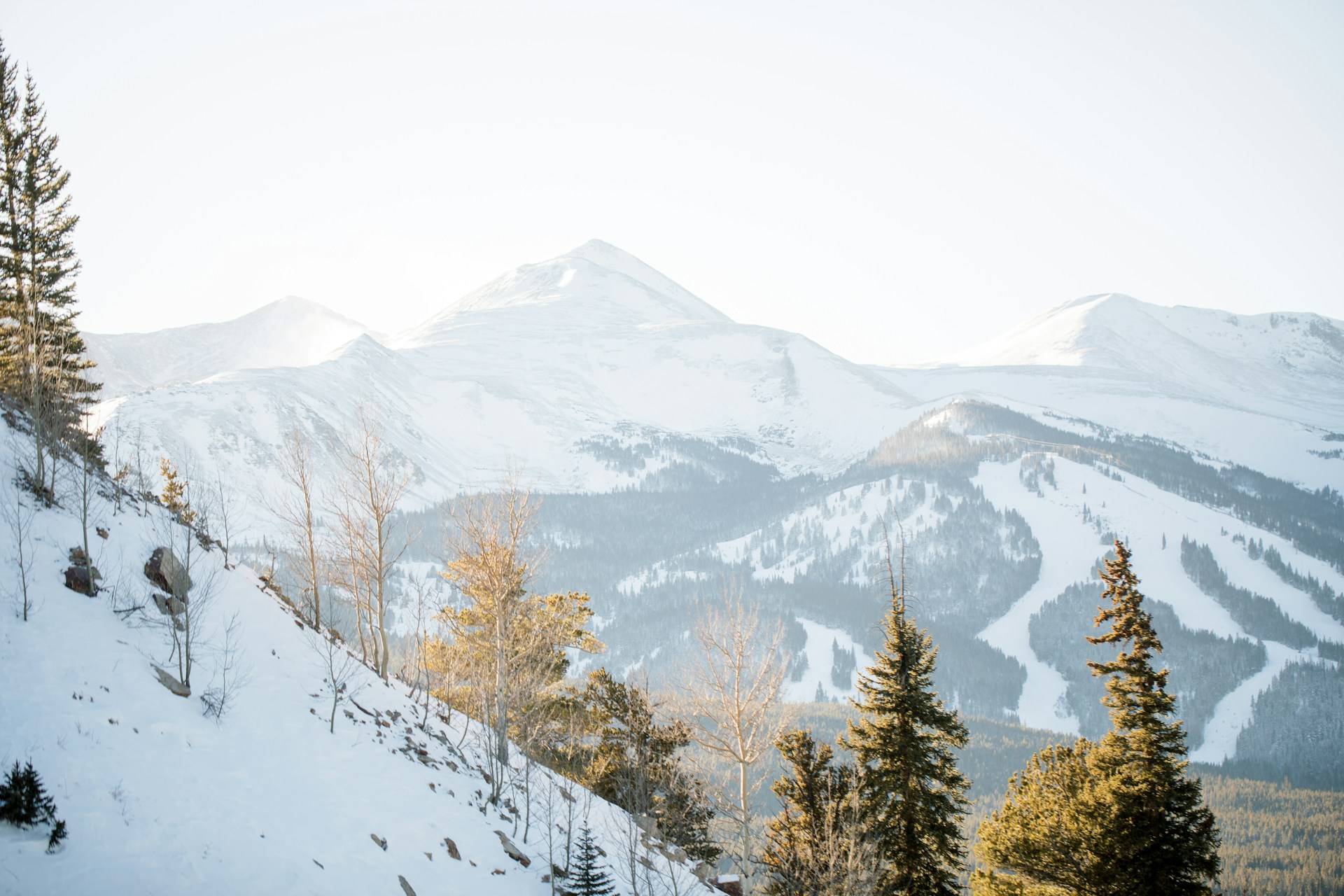
Beautiful frames from the countryside.
Thank you very much.