Food & Travel Guide to Yunnan, Sichuan & Western Tibet
Where mountains meet markets, chilies meet yak butter, and every journey becomes a story.
Why This Region?
Few regions on Earth combine food, landscapes, and culture the way Yunnan, Sichuan, and Western Tibet do. One week here means wandering through Chengdu’s pepper-scented alleys, tasting earthy Yunnan noodles in Lijiang, and sipping yak-butter tea in high-altitude monasteries.
This guide blends slow travel, local markets, and must-eat dishes.
PART 1 — CHENGDU & SICHUAN
The land of chilli, panda philosophy, and slow afternoons in teahouses.
Why Chengdu Feels Like Home
Chengdu has this way of making you linger — maybe it’s the teahouses where old men play cards for hours or the smell of hua jiao (Sichuan pepper) drifting from noodle stalls. It’s a city built on the art of living well.
What to Eat in Chengdu
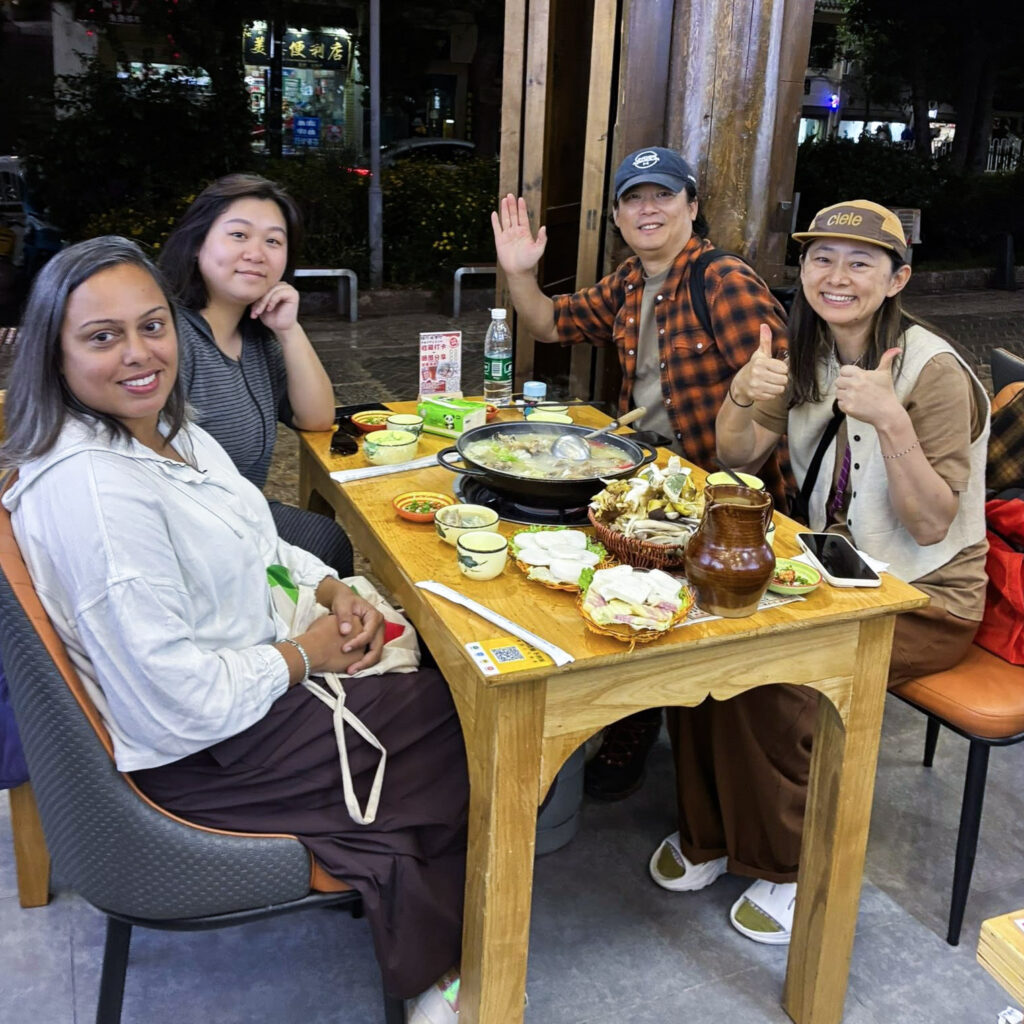
1. Chengdu Hotpot
Not just a meal — a ritual. The broth is a deep scarlet lake of chilies, numbing peppercorns, and beef fat.
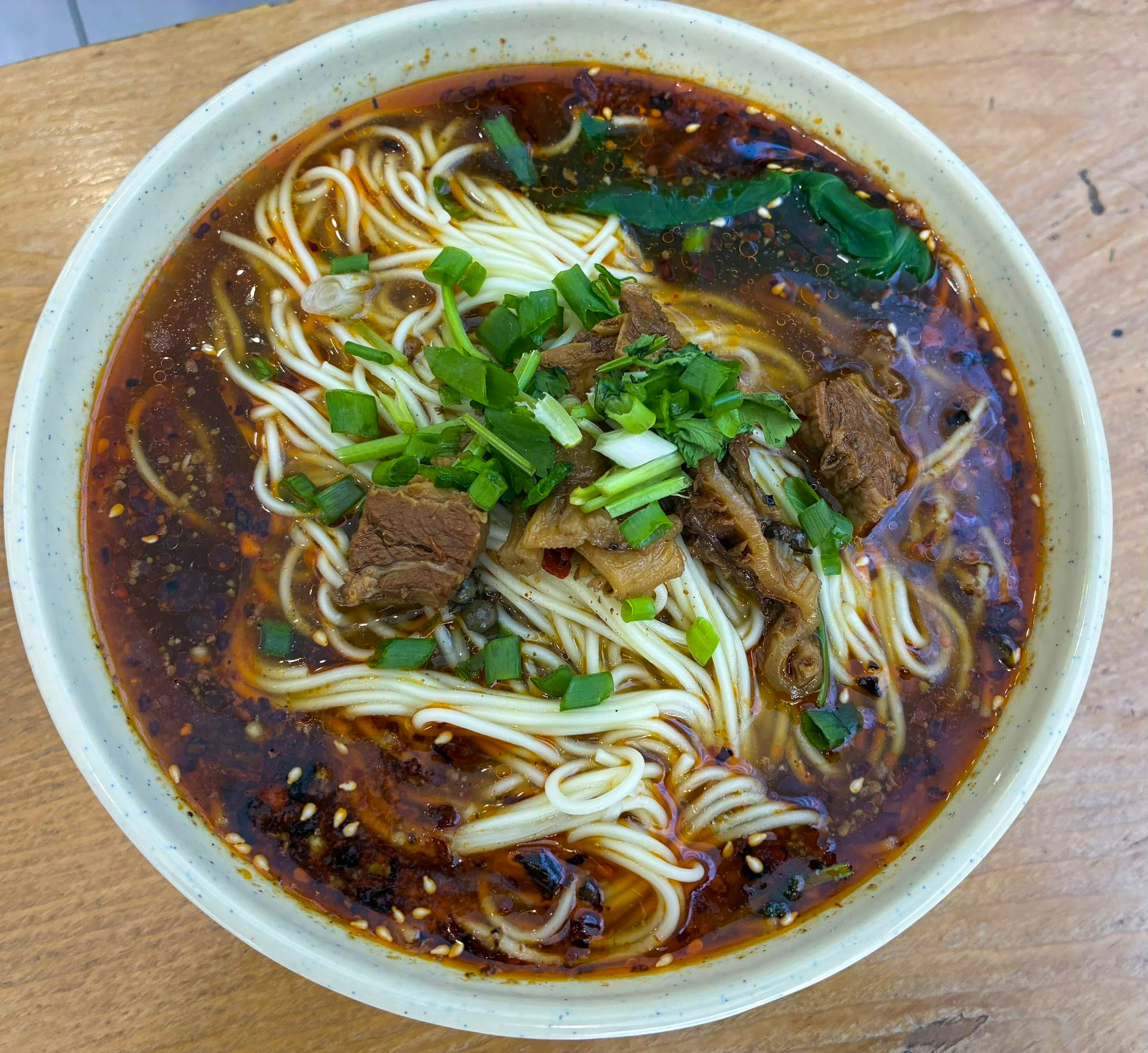
2. Dandan Noodles
Thin noodles coated in oily chili, minced pork, and Sichuan pepper.
A must-try street version near Jinli Street.
3. Zhong Dumplings
Soft, sweet, spicy — a Chengdu classic.
4. Chengdu Snacks:
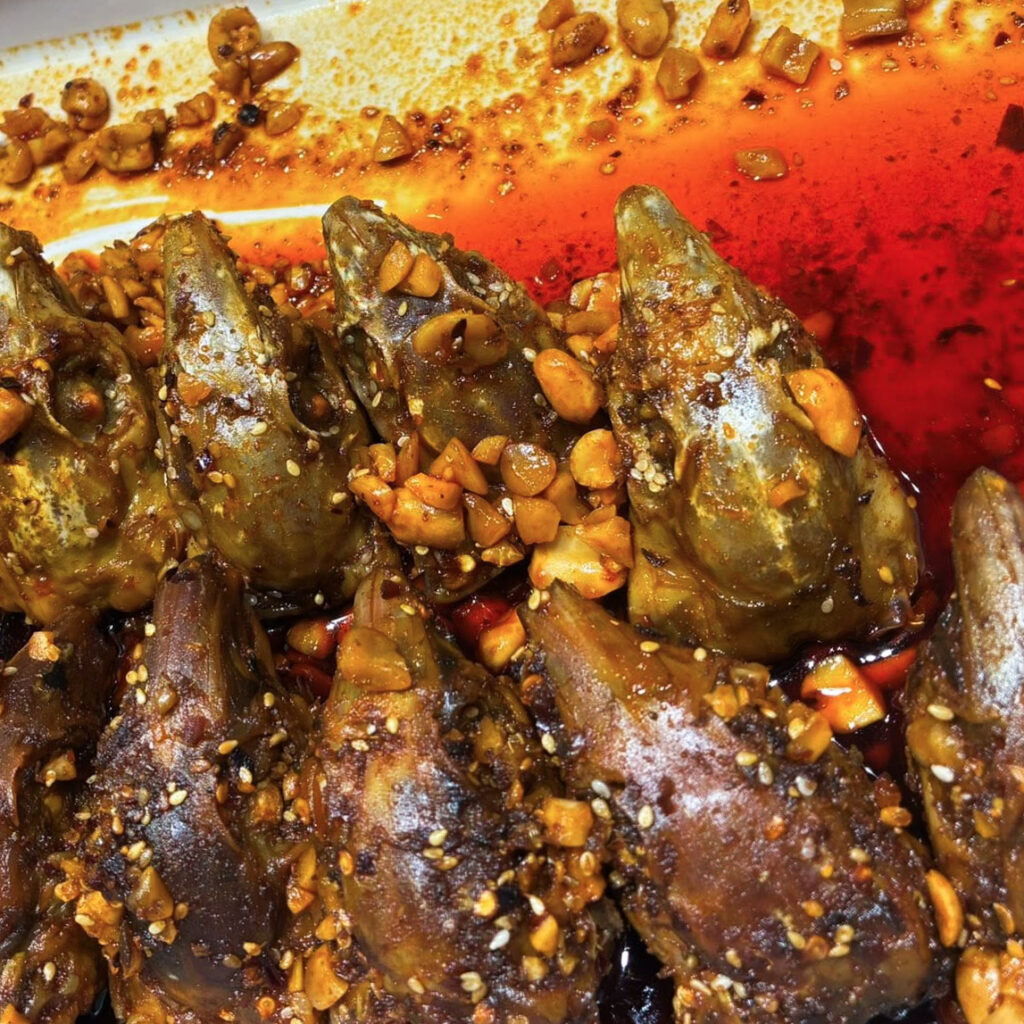
- Rabbit head (only for the brave)
- Liangfen (cool, spicy jelly noodles)
- Laoma Pickles (perfect train snack)
PART 2 — YUNNAN
Mountains, tea forests, ancient towns, and the gentlest food in China.
Yunnan tastes and feels different from Sichuan — milder flavours, fresh herbs, wild mushrooms, and high-altitude sunshine. It’s the perfect antidote to Sichuan’s fiery energy.
What to Eat in Yunnan
1. Crossing-the-Bridge Noodles (过桥米线)
Served with raw ingredients that cook in your hot broth.
The story behind the dish alone is worth the bowl.
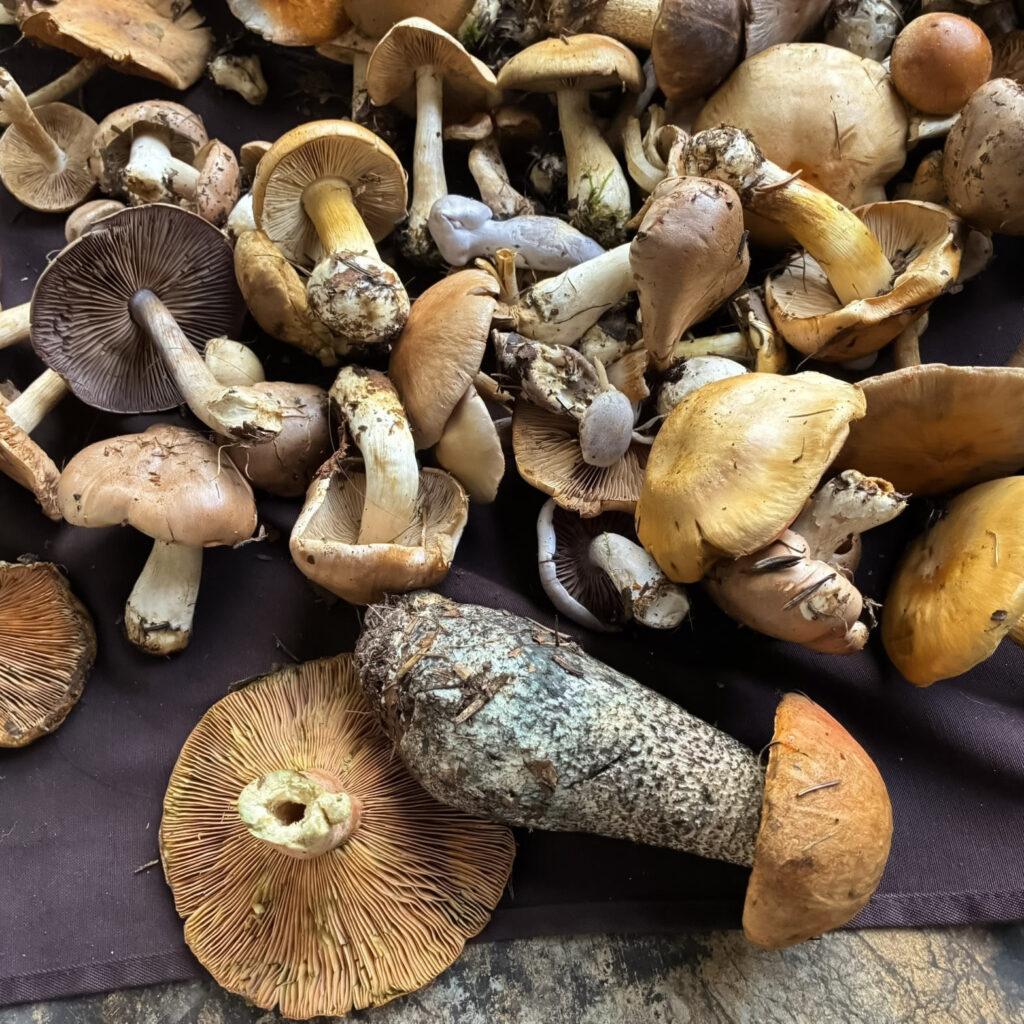
2. Wild Mushroom Hotpot (野生菌火锅)
A rainy season must. The earthiness is unforgettable.
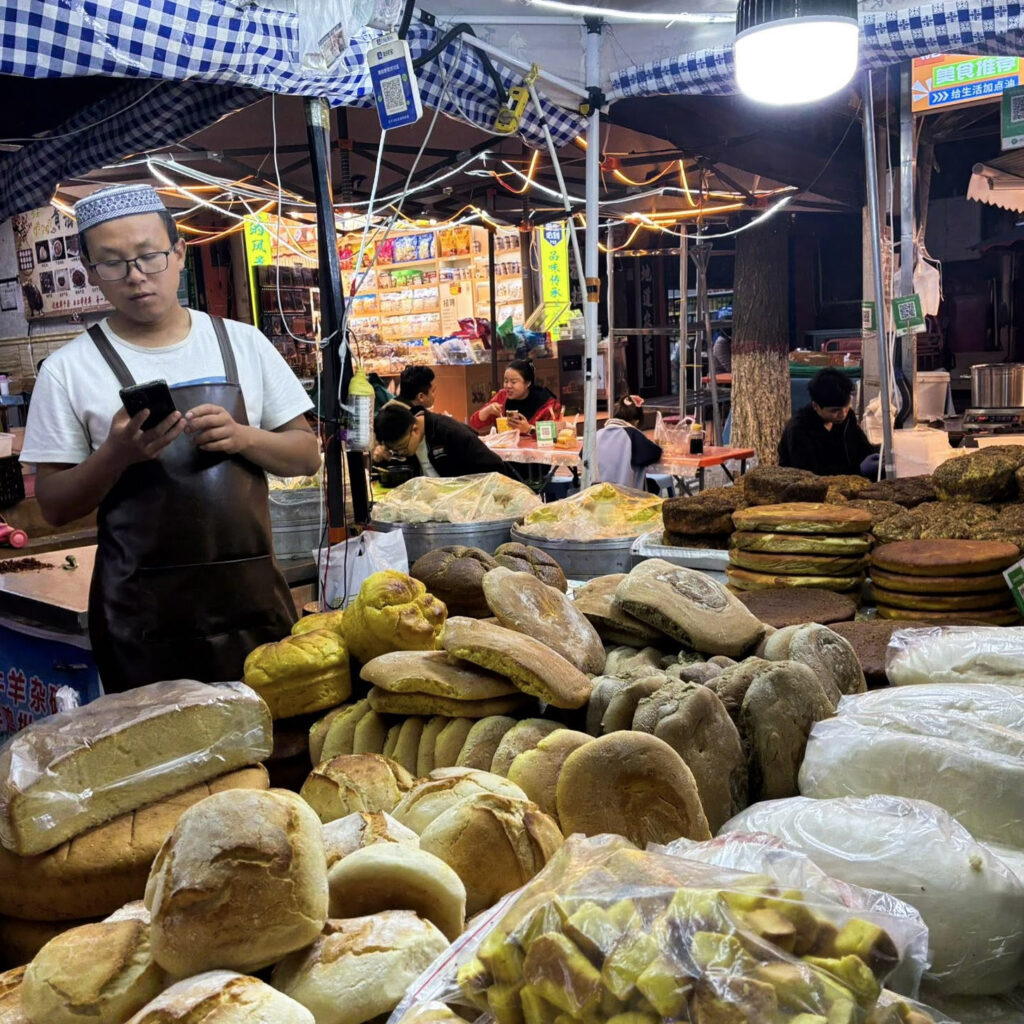
3. Baba (Yunnan Flatbread)
Savoury or sweet — great for breakfast in Lijiang or Shaxi.
4. Yak Butter Tea
Creamy, salty, and a true taste of the Tibetan-influenced north.
5. Rose-flavoured Desserts
A Yunnan specialty — delicate and fragrant.
YUNNAN DESTINATIONS TO SAVOR
Lijiang
A maze of cobblestones, Naxi culture, and slow-dripping coffee houses.
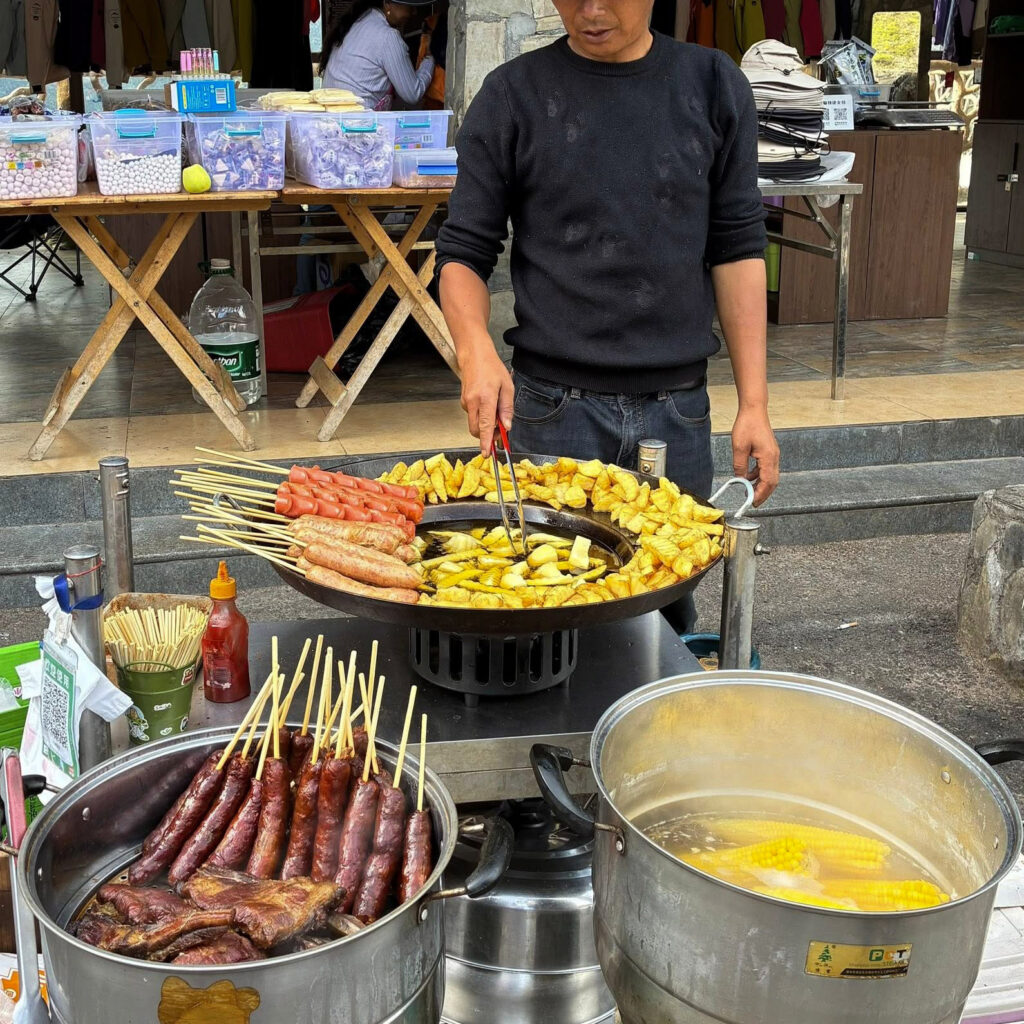
Must Eat: Lijiang baba, grilled yak skewers.
Do: Sunrise photos in Black Dragon Pool, evening strolls along the canals.
Baisha Village
Authentic, calm, and old-world.
Visit the Baisha Mural and ride a bike through the valley.
Eat: Handmade noodles with garden herbs.
Jade Dragon Snow Mountain
Epic, dramatic, almost unreal. Bring layers — temperatures drop fast.
Tip: Acclimatise in Lijiang before ascending.
Shangri-La (Zhongdian)
Where the air is thin, the monasteries glow gold, and yak butter tea warms your soul.
Don’t Miss:
- Songzanlin Monastery
- Old Town butter lamps
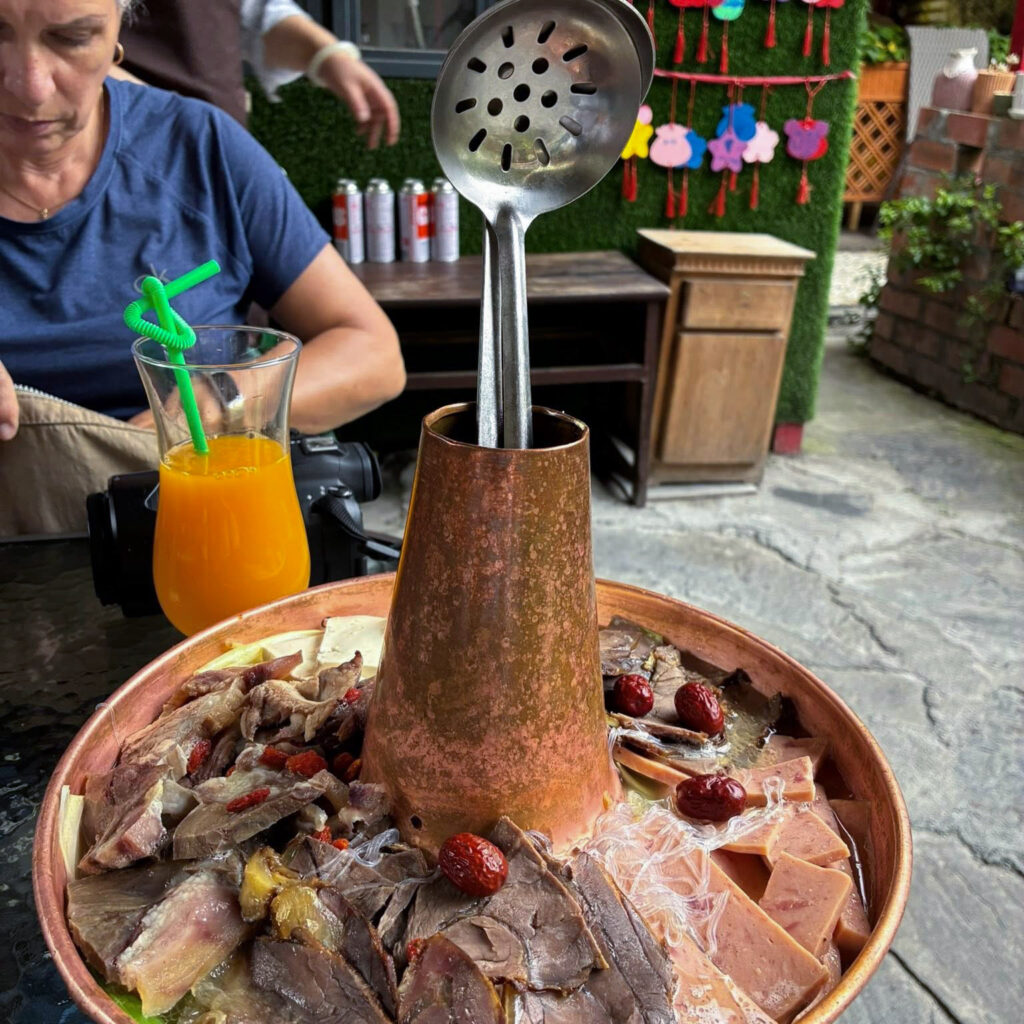
- Tibetan hotpot
PART 3 — WESTERN TIBETAN REGIONS
Spiritual, raw, and visually overwhelming.
This region blends Tibetan culture with Yunnan and Sichuan influences — think Tagong grasslands, Litang monks, Zhonglu Tibetan village, and alpine valleys where yaks graze freely.
What Makes Western Tibet Special
- Sky-high altitudes that paint the landscape a different color
- Prayer flags against the snow mountains
- Nomadic culture
- Warm yak-butter tea offered by strangers
- Monasteries humming with low chants
Food in Western Tibetan Areas
Simple, hearty, altitude-friendly.
1. Tibetan Noodles
Thick, chewy, perfect against the cold.
2. Yak Butter Tea
Yes, it’s salty, and yes, it grows on you.
3. Yak Meat Momos
Steamed or fried with a beautiful depth of flavour.
4. Thukpa
Soup that warms your soul instantly.
5. Tsampa
Roasted barley flour — staple mountain food.
PART 4 — XINING
The roof-of-the-world gateway where Tibetan monasteries meet Muslim markets.
Xining sits at 2,200–2,600m, making it one of the best cities to acclimatise before entering Qinghai, Gansu, or deeper Tibetan regions. It’s raw, windswept, deeply spiritual, and yet full of comforting food.
Xining adds a new dimension to your itinerary:
more altitude, more cultural fusion, and entirely new flavours.
The Food Scene in Xining
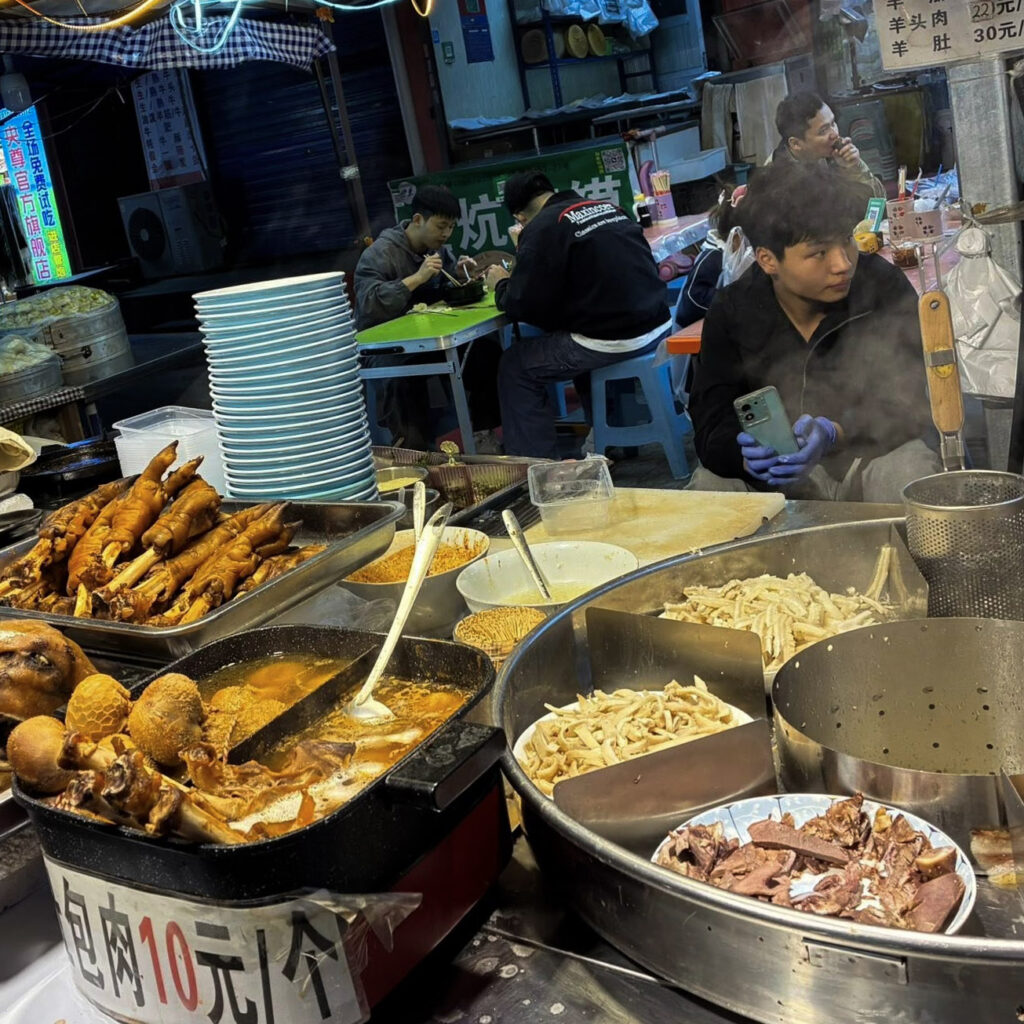
Xining’s food is shaped by Tibetan, Hui Muslim, and northwestern Chinese traditions.
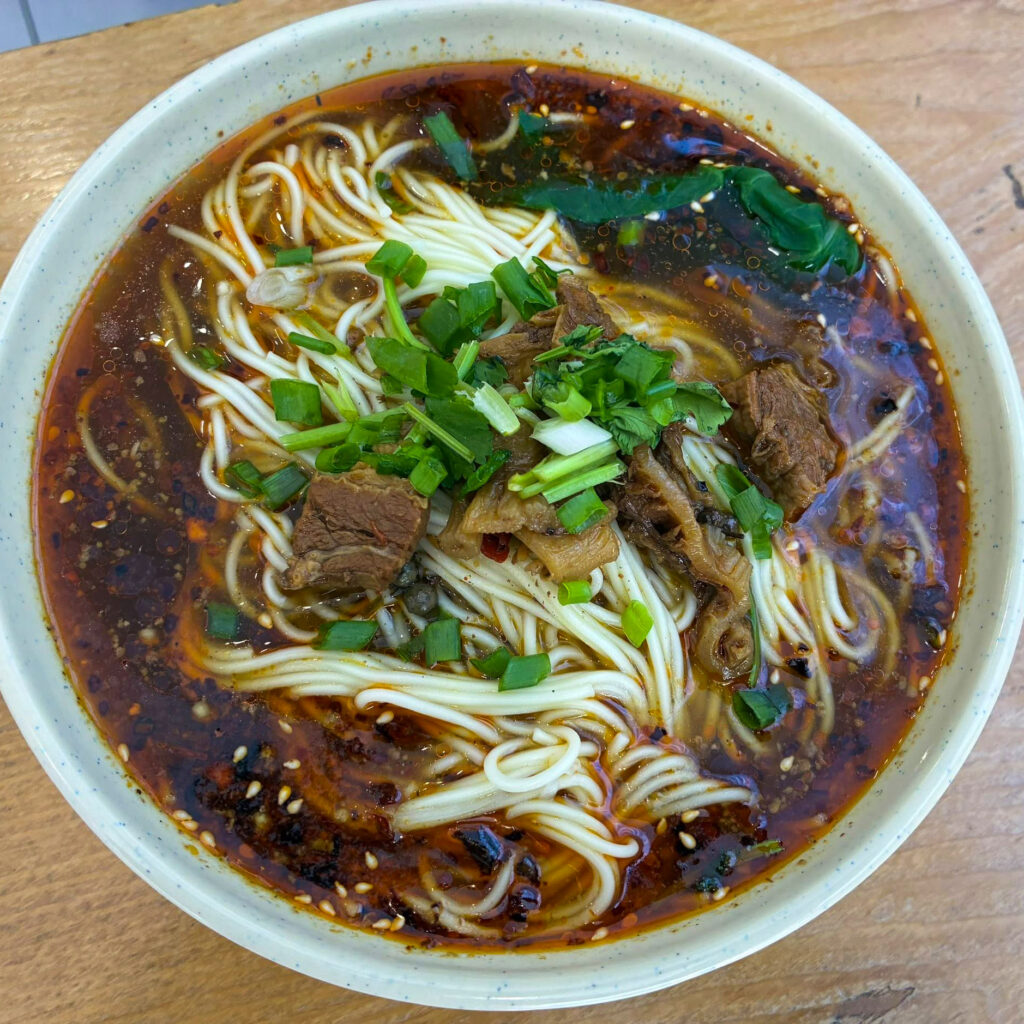
Tibetan Hand-Pulled Noodles
Thick, comforting noodles with yak meat or spicy beef.
Perfect after long monastery visits.
Hui Muslim Lamb Dishes
Don’t miss:
- Lamb skewers (crispy, cumin-heavy)
- Lamb soup with flatbread
- Youmian (oat noodles) is unique to Qinghai
Yak Butter Tea & Yogurt
Creamy, tangy, unforgettable.
Qinghai’s yak dairy is some of the best on the plateau.
Tsampa & Highland Barley Bread
Staple Tibetan carbs — warming and rustic.
Spicy Qinghai-style Hotpot
Milder than Sichuan but richer than Yunnan.
Broth is often made with yak bones.
What to See in Xining
Dongguan Grand Mosque
One of the largest mosques in China — a beautiful intersection of cultures.
Kumbum Monastery (Ta’er Monastery)
One of the most important Tibetan Buddhist monasteries — a living place of chanting monks and golden roofs.
Do not rush it — give yourself 3–4 hours.
Qinghai Lake (Koko Nor)
Salt Lake, the colour of dreams.
Cycling and photography heaven.
Sun & Moon Mountain Pass
A stunning viewpoint separating Tibetan and Chinese cultural spheres.
Amdo Tibetan Culture Everywhere
Prayer flags fluttering above windy roads.
Yak herds are grazing just outside the city.
Suggested Travel Route (10–16 Days)
Day 1–3: Chengdu
Hotpot, pandas, teahouses, markets.
Day 4–6: Lijiang + Baisha
Old town vibes, Naxi culture, Yunnan food.
Day 7: Jade Dragon Snow Mountain
High-altitude day trip.
Day 8–12: Shangri-La
Monastery visits + Tibetan food.
Day 12–15: Xining (Qinghai)
Acclimatise, eat lamb & yak noodles, explore Islamic–Tibetan culture, visit Qinghai Lake.
Optional Extension (3–4 Days): Western Tibet Region
Tagong, Litang, Danba, Zhonglu.
Great for photography, culture, and trekking.
- Travel north to Zhangye Danxia Rainbow Mountains
- Train further into Lanzhou / Dunhuang Desert Silk Road
Final Thoughts
Adding Xining completes this journey by connecting the vibrant food scenes of Sichuan and Yunnan with the wide-open skies of the Tibetan Plateau. It is the perfect end — or beginning — for travellers seeking culture, colour, comfort food, monasteries, and endless unfolding horizons.
Follow the rest of the China series
- CHINA FOR FIRST TIMERS
- Chengdu Local Market Food Tour & Cooking Class
- CHENGDU IN A DAY
- ZHONGLU TIBETAN VILLAGE
- TAGONG GRASSLANDS IN WESTERN SICHUAN
- YUNNAN’S ANCIENT TOWNS
- BAISHA VILLAGE
- SHANGRI-LA in 1 DAY
RESPONSIBLE TRAVELING-BECAUSE I CARE


