
Cannes Helicopter Transfers for Events and Weekends: How to Compare Options Online
Cannes draws film guests, conference visitors, yacht clients, and short-stay travelers all year. That creates demand for fast airport transfers, but it also creates confusion online. It may show a short flight time and still leave out key details about the full trip. In Cannes, that gap matters because Cannes Mandelieu Airport sits close to central Cannes, while Nice Côte d’Azur Airport is another main gateway for the area. A smart comparison should look at the whole journey, not just the air segment.
Why Transfer Planning Matters
Cannes has a travel pattern that changes fast. It hosts over 150 events a year, including about 70 professional events, with more than 300,000 professional accreditations. That means many visitors arrive for fixed meeting times, screenings, launches, dinners, and port visits. During those periods, a transfer option should be judged by accuracy and ease, not only by price.
Event Weeks Change the Transport Picture
The city calendar shows why timing matters. The official film festival site says the 79th Festival de Cannes will run from May 12 to 23, 2026. The Cannes Yachting Festival lists September 8 to 13, 2026, for its next edition. Those dates can pull in large numbers of guests, crews, suppliers, and buyers, which can put more pressure on roads, hotel arrivals, and premium transport.
Weekend Trips Need a Different Pace
A weekend trip has a different goal. The traveler may only have one dinner, one meeting, one boat visit, or one night near La Croisette. In that case, each delay feels larger. A short stay usually works best when the transfer plan is simple and easy to match with hotel check-in or a return flight on the next day. That is why online comparison should start with the reason for the trip.
Start With the Route and Landing Point
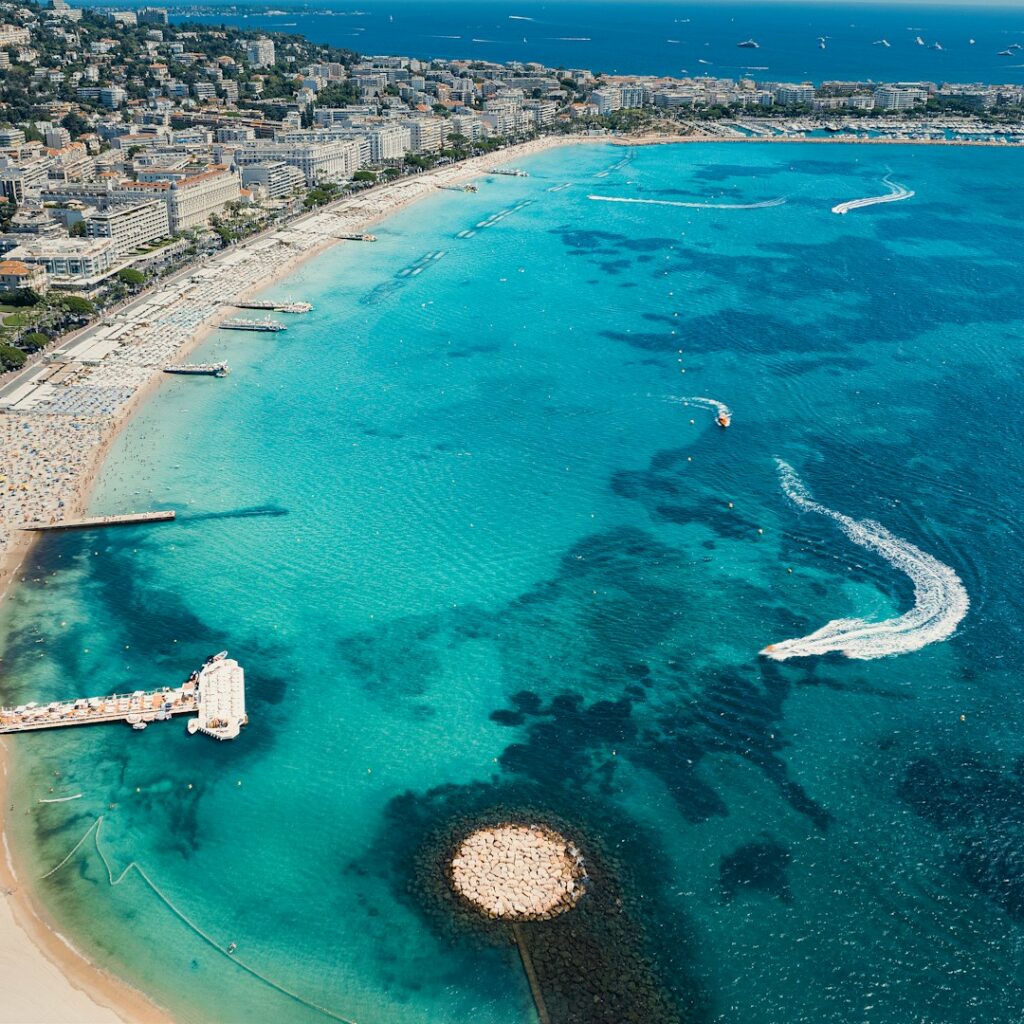
Route comes first because not all Cannes transfers begin from the same place. The Cannes Mandelieu Airport is just five minutes from central Cannes and the Palais des Festivals. And the Nice Côte d’Azur Airport is 25 km from Cannes on the motorway. Those facts show why route clarity matters. A traveler should know the true starting point, the true landing point, and the expected final road leg before making any booking.
Compare the Starting Airport and the Arrival Point
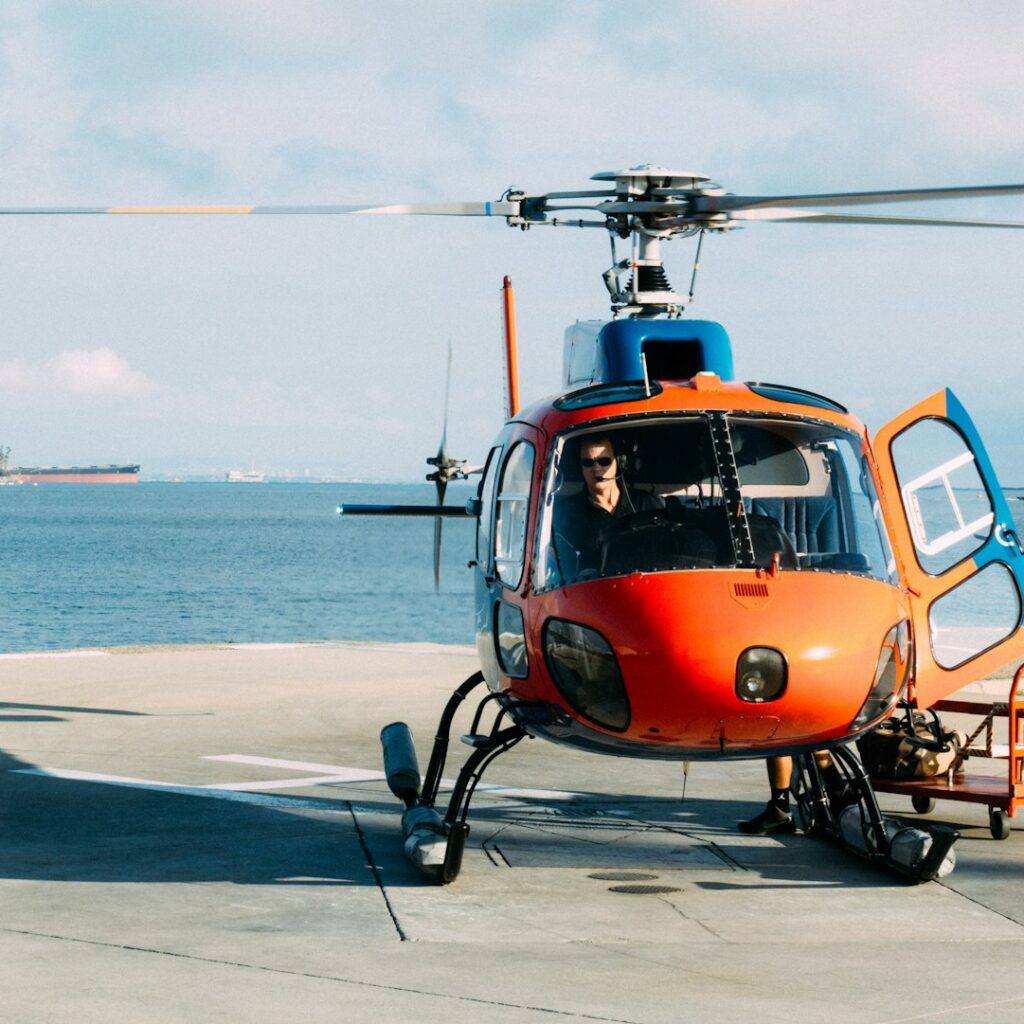
When a guest compares different transportation options, such as a helicopter transfer to Cannes, the listing should make the departure airport and the arrival point clear at once. It should also state whether the service is built for airport pickup, event access, hotel drop off, or yacht access. A route that suits a film guest may not suit a family on a weekend break. The comparison only becomes useful when the transfer is tied to the real destination.
Check the Last Road Link
The flight is only one part of the journey. After landing, the guest still needs a clear path to the hotel, villa, port, or venue. If the final car leg is not explained, the transfer cannot be compared in a fair way. A short air trip can still lead to stress if the last handoff is slow, unclear, or outside the quoted price.
Compare Total Journey Time
A headline flight time can look impressive, but total journey time is what shapes the day. A careful reader should look at the airport arrival time, waiting time, baggage handover, boarding, flight time, landing, and the last road segment. The real value sits in the full chain. For Cannes event travel, this is often more important than the pure minutes in the air because many guests move on a fixed schedule.
Count the Full Transfer Chain
The full chain matters even more during busy city dates. A transfer that seems quick can lose value if the traveler still faces waiting time after landing or a long final drive. This is why a planner should compare what happens before takeoff and after touchdown, not only what happens in the middle. A better listing gives a clear view of the sequence, so a guest can judge whether the service truly saves time on the day that matters.
Use a Clear Booking Platform
The right platform helps reduce guesswork. And operators such as Hoper can be useful when the booking path shows route details, timing, support, and the next steps in one place. The key point is clarity. A guest should be able to see what is included, what still needs a ground transfer, and how support works if a flight changes. A platform that hides those details until the last screen makes comparison harder than it should be.
Read the Booking Terms With Care
The terms matter because helicopter travel is shaped by weather, baggage limits, timing windows, and passenger count. A traveler should check what happens if the inbound airline is late, if luggage is heavier than planned, or if the group size changes. Clear terms reduce stress and also help a traveler compare two similar offers in a fair way. If one option looks cheaper but leaves more risk with the guest, it may not be the better choice.
Focus on Timing Changes and Baggage
Timing changes are common in real travel. A major event can run late. An airline can land behind schedule. A traveler may need to shift the pickup window after a final call from a venue or hotel. Baggage also matters because a short business trip may only need light luggage, while a weekend plan may include more bags or special items. The right platform states these limits early, so the traveler knows the fit before payment.
Read the Final Price With Care
Price should be read as a full movement cost, not as a single number beside a route. One offer may look lower at first, but leave out the final car leg, waiting time, or support for changes. Another may cost more and still save money by cutting down on delays and extra payments later. For an event guest, the real loss may come from missing a screening, a badge collection, a lunch, or a yacht viewing slot.

Match the Transfer to the Trip Purpose
The best choice depends on the reason for travel. Cannes is used for festivals, trade events, meetings, leisure stays, and short breaks. Each use case changes what matters most in a transfer. One guest may care about the speed from the airport to the venue. Another may care about baggage handling. Another may need a calm route to a yacht berth or a villa. Online comparison becomes much easier when the guest starts by defining the real trip goal.
Event Guests Need Precision
Event guests often work on a fixed timetable. They may need to reach the Palais, a marina, or a private meeting at a set hour. The Cannes Yachting Festival includes, in its official VIP program, a helicopter transfer from the airport directly to the show for the Platinum ticket, subject to advance booking. That detail shows that air transfer is already part of the practical transport mix during major event periods in Cannes.
Weekend Guests Need Simplicity
Weekend guests usually want less friction, not more complexity. They need a booking path that is easy to read, with clear arrival logic and a smooth return plan. They may not need many add-ons. They may simply want a fast route that protects time for a meal, a hotel stay, a walk by the sea, or a short business visit. For that type of trip, the best transfer is often the one that feels simple from booking to drop off.
Make the Final Choice With a Full View
The smartest comparison looks at Cannes travel as one connected chain. Route, landing point, total time, booking rules, baggage fit, event timing, and the final road link all deserve equal attention. Cannes gives travelers two important air access points close to the city region, and that creates useful options. Still, choice only becomes valuable when the guest can see the whole journey in plain terms. For events and weekends alike, the better option is usually the one that is most clear and most suited to the real plan.
Follow the rest of the Top Experiences series
- TOP TWENTY THINGS TO DO IN EGYPT
- WHY YOU SHOULD VISIT MALTA
- TOP FUN THINGS TO DO IN HAMPI
- 10 HISTORICAL PLACES TO ROAM ACROSS THE WORLD
- 10 HISTORICAL MARVELS OF ITALY
- 10 BEST SHOWS IN EUROPE YOU MUST SEE
- DUBAI THRILLS: 7 MUST-DO ACTIVITIES
- 10 HISTORICAL MARVELS IN TURKEY TO ENJOY WITH KIDS
- MOST ENCHANTING PALACES IN EUROPE
RESPONSIBLE TRAVELING-BECAUSE I CARE


