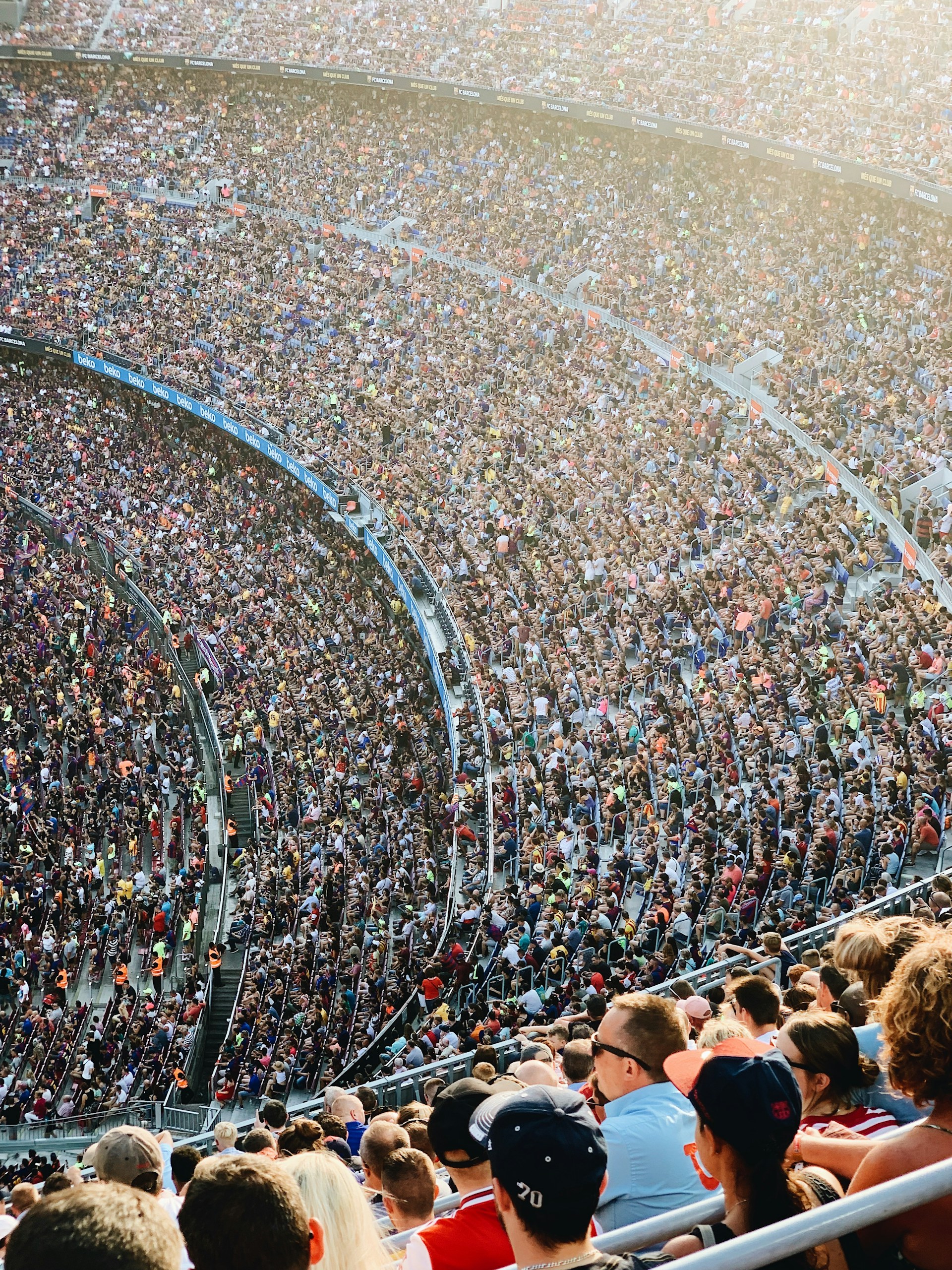
Shared Sports Moments on the Road: Connecting with Local Fans Through Sports Viewing
International tournaments have a direct impact on the economy and tourism of host cities. Among these, the World Baseball Classic garners strong interest, particularly in North America, Central and South America, and East Asia. Japan has won the tournament multiple times in past editions, and its domestic league boasts a long history. For overseas visitors to Japan, the game venues become more than just sporting arenas; they offer a window into a facet of Japanese society.
The experience of attending a sporting event while traveling, whether by chance or by design, possesses a different quality than visiting tourist attractions. Sitting shoulder-to-shoulder with local fans in stadiums or sports bars, cheering together at the same moment, provides an opportunity to directly feel the emotional pulse of the place. In recent years, more travelers have timed their visits to coincide with major tournaments, arranging flights and accommodations around match schedules.
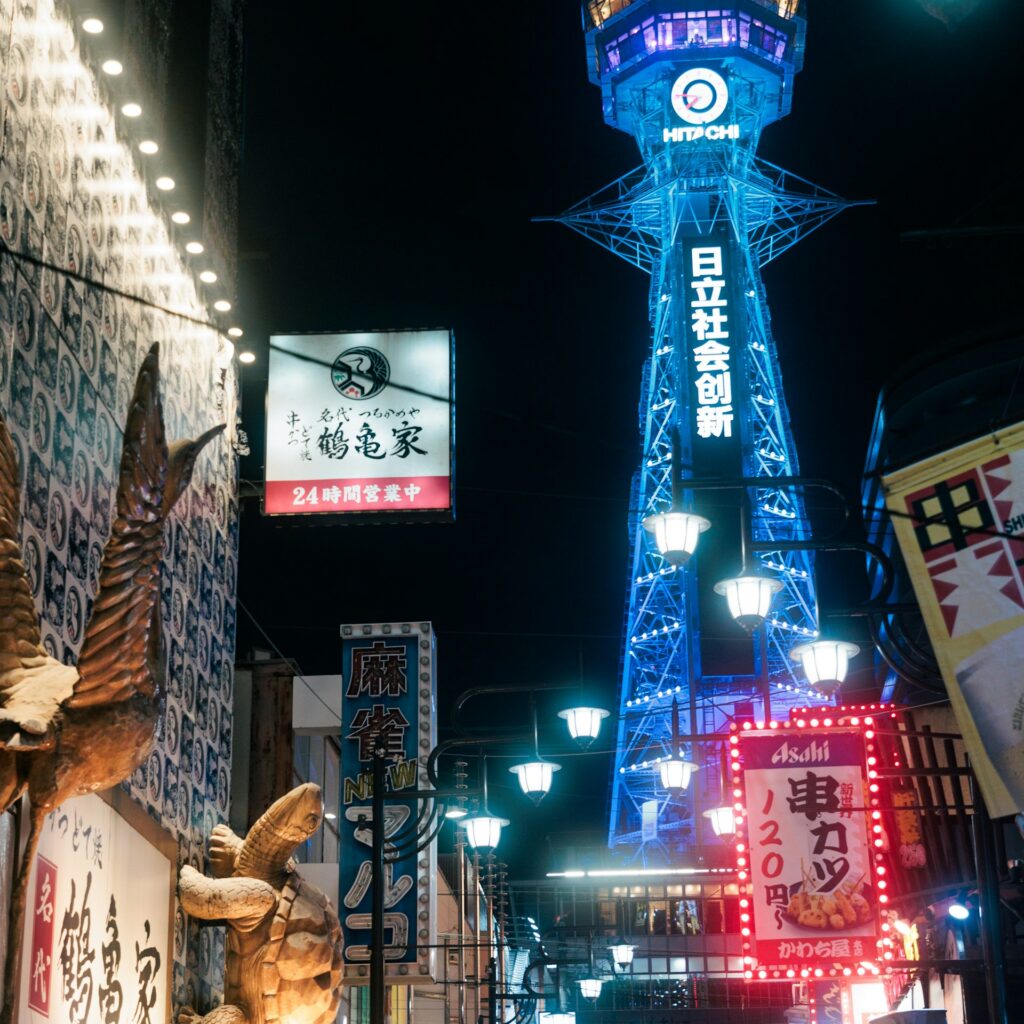
Some travelers, like those attending the 2023 WBC in Japan, proactively researched bookmakers offering WBC betting in Japan beforehand to maximize their on-site experience. These actions demonstrate how sporting events have evolved beyond mere spectating into comprehensive experiences encompassing data analysis and online information gathering.
While gambling activities, excluding state-sanctioned competitions, are strictly regulated in Japan, interest in international tournaments remains high. Travelers focus not only on the games themselves but also on local spectator culture and fan behavior patterns. Sport functions as both part of the itinerary and a gateway into the local society.
Stadium Culture and Local Customs
Each country has its own unique cheering style. At Japanese professional baseball stadiums, it’s common to see organized cheering squads playing coordinated chants using trumpets and drums, while spectators stand and cheer during offensive plays. Audiences tend to applaud even the opposing team’s good plays, and after the game, fans can be seen picking up trash around their seats. This orderly atmosphere is a characteristic often highlighted by international media.
In contrast, chants echo continuously in European soccer stadiums, while South American fans express emotions more directly. For travelers seeking authentic interaction, understanding and respecting local customs is crucial. Japanese ballparks feature a deep-rooted culture of assigned seating, where spectators watch from their designated seats. Another distinctive sight is vendors circulating through the stands selling food and drinks. Experiencing these details provides insights not found in tourist brochures.
Empathy Beyond Words
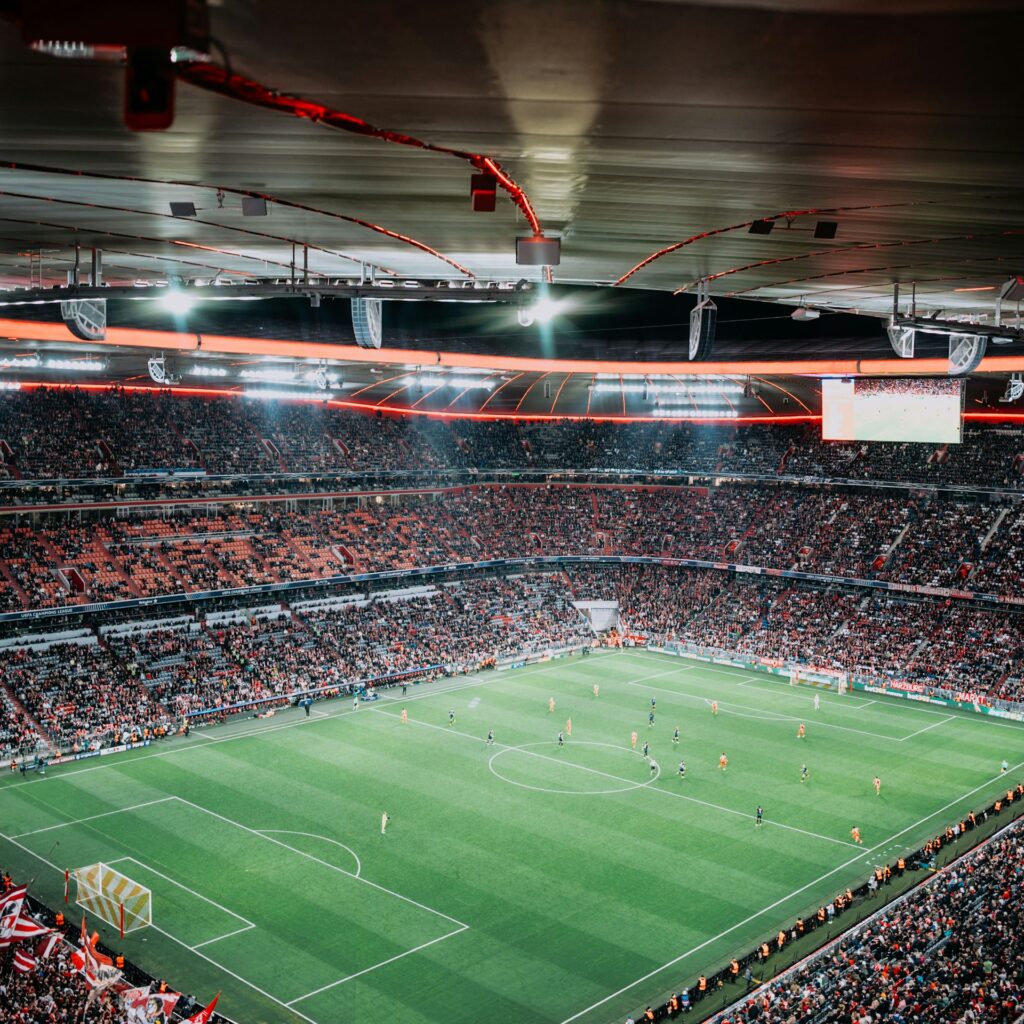
As a visual and physical experience, sports transcend language barriers. The cheers erupting at a goal moment are shared regardless of nationality or native tongue. High-fiving a neighboring spectator, even briefly, bridges psychological distance. It’s common to see fans exchanging photos and sharing impressions after the game using simple English or gestures.
While Japanese fans are sometimes described as relatively reserved, their emotional expression becomes more pronounced during national team matches and international tournaments. When travelers happen to be present, a shared team to cheer for creates conversation opportunities. Sports provide common topics and help ease the tension between strangers.
Sustainable Exchange Centered on Sports
Modern travelers have the means to maintain connections even after returning home. Through social media and messaging apps, they can stay in touch with fans they met at the stadium. Photos and videos shared during the tournament provide ongoing topics for conversation. Watching sports is not merely fleeting entertainment; it can become the starting point for relationships that transcend borders.
Sport is both a competition and a social ritual. When travelers participate in this ritual, tourism transforms from a consumer activity into a cultural exchange. The applause and cheers exchanged in Japanese ballparks are open to visitors from outside. The fleeting joy shared in the stands leaves a stronger memory than the cityscape itself. Sport turns travel into a narrative and becomes a medium connecting people.
Follow the rest of the Top Experiences series
- TOP TWENTY THINGS TO DO IN EGYPT
- WHY YOU SHOULD VISIT MALTA
- TOP FUN THINGS TO DO IN HAMPI
- 10 HISTORICAL PLACES TO ROAM ACROSS THE WORLD
- 10 HISTORICAL MARVELS OF ITALY
- 10 BEST SHOWS IN EUROPE YOU MUST SEE
- DUBAI THRILLS: 7 MUST-DO ACTIVITIES
- 10 HISTORICAL MARVELS IN TURKEY TO ENJOY WITH KIDS
- MOST ENCHANTING PALACES IN EUROPE
RESPONSIBLE TRAVELING-BECAUSE I CARE


