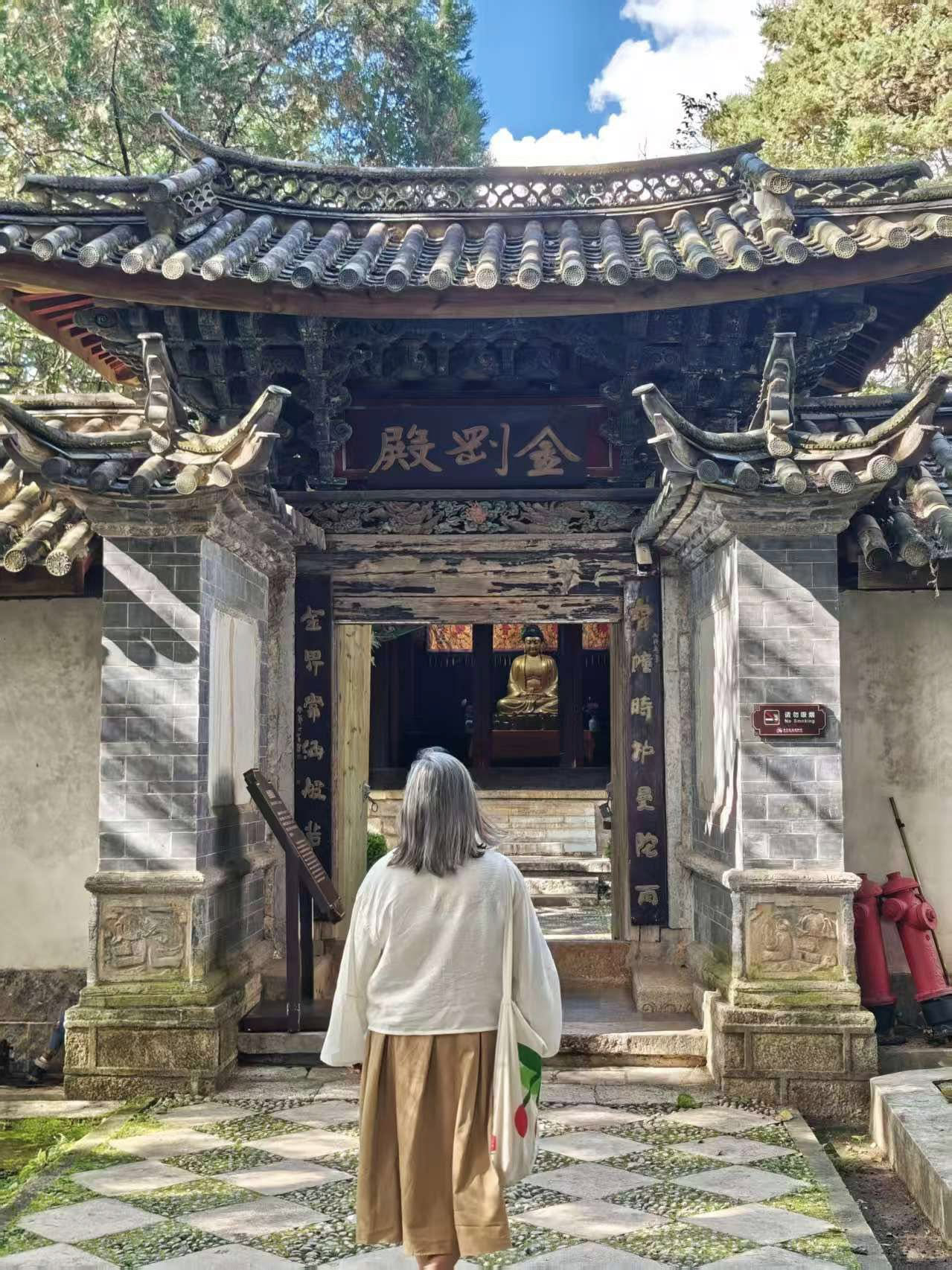
CHINA FOR FIRST-TIMERS: For Indian & Asian Travellers
China is not a country you simply visit — it is a country that unfolds, layer by layer. A land where incense curls around prayer wheels, where grandmothers dance in public squares at sunrise, where glass towers rise beside centuries-old teahouses, and where mountains shimmer in impossible colours. Travelling in China is an incredible experience — but it absolutely helps to be prepared. China is culturally rich, beautifully different, highly efficient, technologically advanced, and deeply rooted in tradition. When you approach it with respect and openness, it becomes one of the most unforgettable journeys you’ll ever take. This guide is designed for first-timers, especially Indian and Asian travellers who may find China both familiar and delightfully foreign. It blends a beginner-friendly route with cultural insights, etiquette notes, and extremely practical tips. Embrace the differences. That is where China’s magic lives.
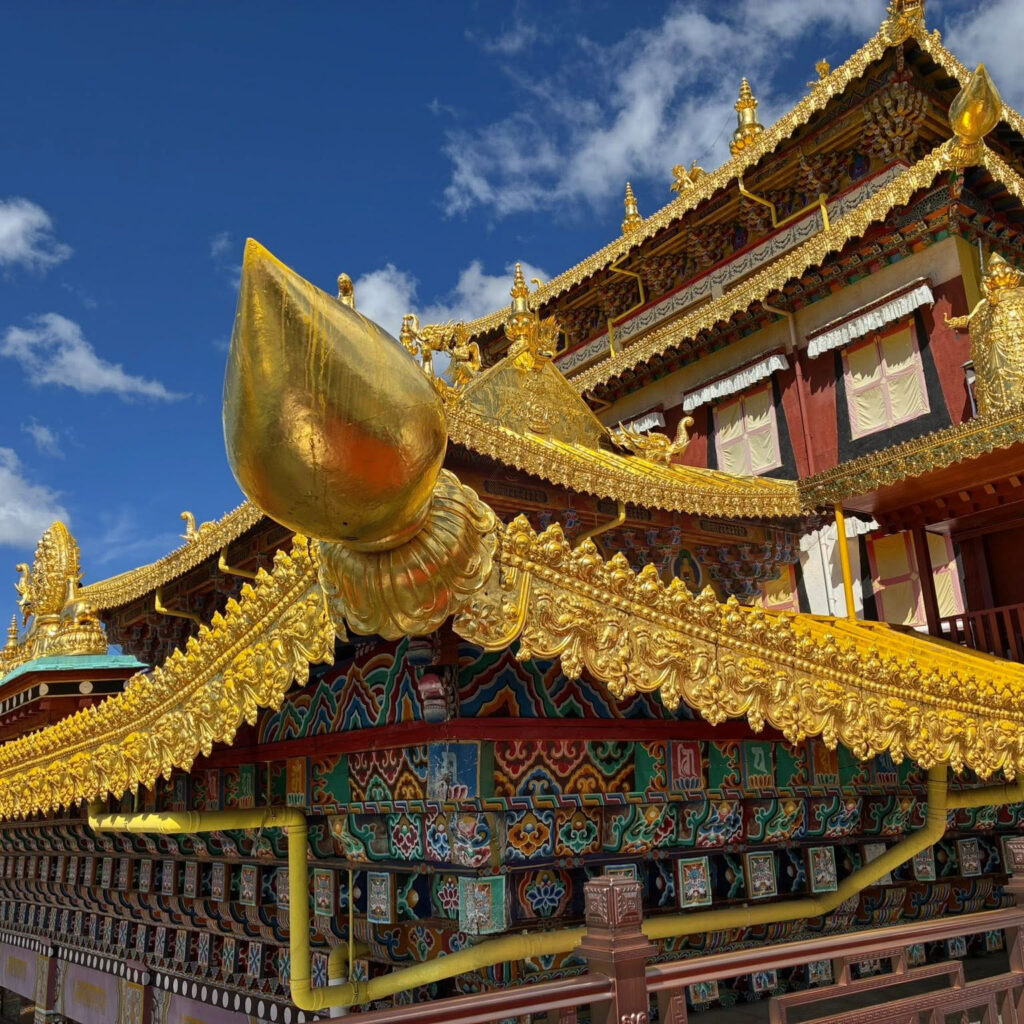
OVERVIEW: THE PERFECT FIRST-TIMER ROUTE
Chengdu → Zhonglu Tibetan Village → Lijiang → Jade Dragon Snow Mountain → Baisha → Shangri-La → Xining
This itinerary is scenic, culturally immersive, and safe — avoiding extreme altitudes while offering Tibetan warmth, Naxi heritage, mountain landscapes, monasteries, and old towns.
Chengdu: Tea Houses, Pandas & Slow Sichuan Days
Chengdu is one of China’s easiest cities for first-time travellers. Life here flows at a soft pace — through bamboo teahouses, old neighbourhoods, and hot bowls of Sichuan noodles.
Cultural Note
People are helpful but may be shy about English.
If they hesitate, use the voice translator feature — it transforms the interaction instantly.
What to Experience
- Visit the Panda Breeding Centre early to see them playful and awake.
- Sit at a People’s Park Teahouse — bamboo chairs, mahjong tiles, and ear-cleaning rituals that are almost theatrical.
- Wander through Jinli Street for folk crafts, masks, and Sichuan snacks.
- In the evening, watch the surreal Sichuan Opera face-changing show.
Eat Here
Try Dan Dan noodles, mild hotpot if you’re sensitive, and Chengdu-style Mapo Tofu — silky, fragrant, addictive.
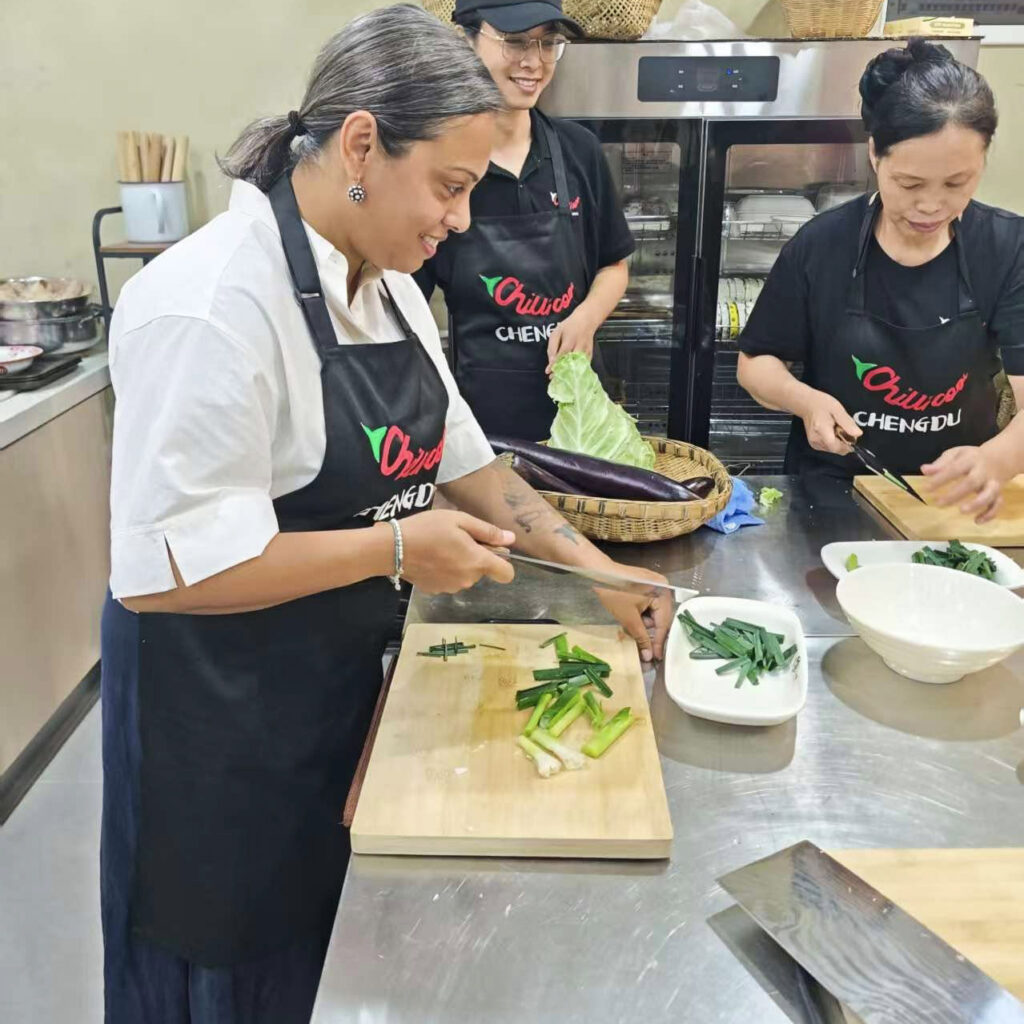
Zhonglu Tibetan Village: A Gentler Alternative to Tagong
Tagong is breathtaking, yes — but its 3,900m altitude can be brutal.
After my own experience with altitude sickness, I recommend Zhonglu, a serene Tibetan village in the Danba region. At around 2,500m, it’s gentle yet atmospheric.
Why Go
- Stone watchtowers rising above terraced fields
- Homestays run by warm Tibetan families
- Prayer flags fluttering above orchards
- A slow, soulful introduction to Tibetan culture
Zhonglu is the Tibet you can breathe in.
Lijiang Old Town: A UNESCO Jewel of Water, Wood & Music
A UNESCO cultural treasure full of cobblestone paths, canals, wooden balconies, and lantern light.
Best Moments
- Sunrise strolls through quiet alleys
- Traditional Naxi Orchestra performance
- Coffee or tea by the canals
- Browsing local textile and wool shops
Beautiful, atmospheric, photogenic — perfect for slow wandering.
Touristy? Yes.
Beautiful? Absolutely.

Jade Dragon Snow Mountain: Luminous Lakes & Glacial Winds
This mountain dominates Lijiang like a guardian deity. The cable car takes you above clouds, and Blue Moon Valley’s turquoise pools are unreal in their clarity. A sacred mountain with glacier winds and turquoise waters.
Must-See
- Blue Moon Valley — unreal glacier-fed lakes
- Cable car ride with dramatic alpine panoramas
Tips
- Go early for clear skies.
- Rent warm jackets (available on-site).
- Carry an oxygen can if you’re sensitive.
No intense hiking needed — just awe.
Baisha Village: Naxi Murals & Slow Village Mornings
A short ride from Lijiang, Baisha is quieter, older, dreamier.
Why It Feels Special
- Ancient murals with fading colours
- Herbal medicine shops with time-worn labels
- Women weaving outside their homes
- Mountains framing every corner
Baisha is where mornings feel like poems.
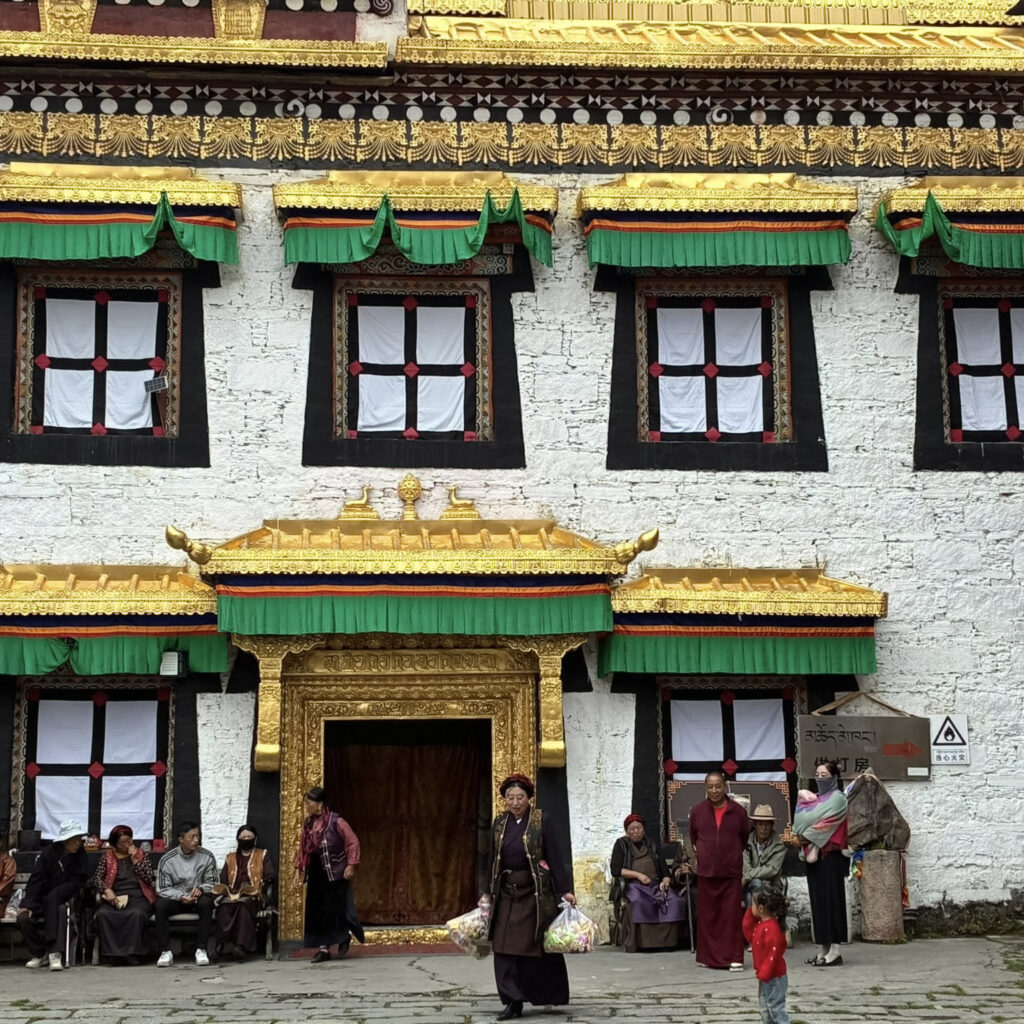
Shangri-La: Monasteries, Lakes & Yak Butter Tea
At 3,200m, Shangri-La is manageable for most travellers. Here, Tibetan culture deepens — monasteries glow with butter lamps, and prayers thrum through the air.
Unmissable Experiences
- Ganden Sumtseling Monastery (mini-Potala Palace vibes)
- Pudacuo National Park — lakes, forests, yak meadows
- Yak hotpot (ask for mild broth)
Old Town is charming after dark with Tibetan dance circles.
Xining: Food, Mosques & the Gateway to the Plateau
Xining is a fascinating mix of Tibetan, Muslim, and Han cultures.
Highlights
- Visit Dongguan Mosque
- Explore the bustling Tibetan markets
- Eat hand-pulled Lanzhou noodles
- Take a day trip to Qinghai Lake, China’s sapphire mirror
A reflective ending to a rich journey.
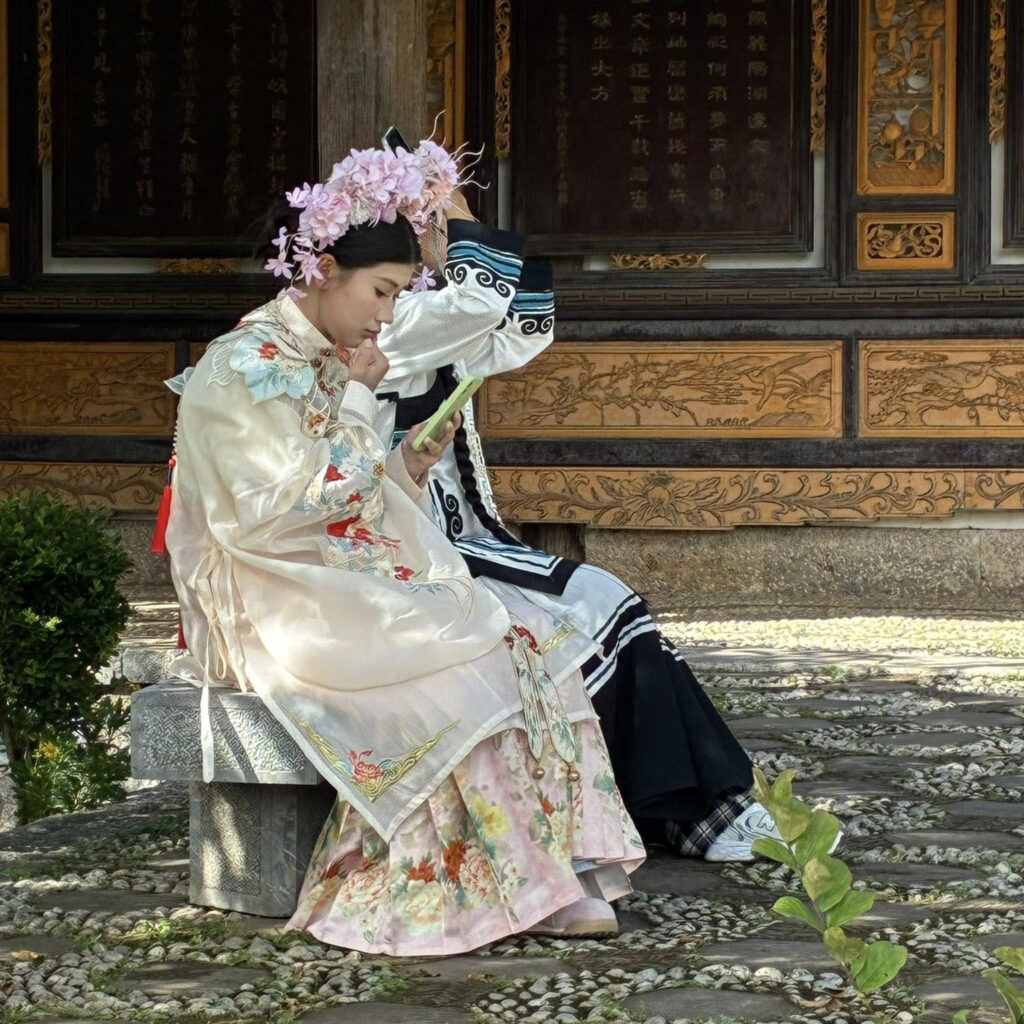
DO’S & DON’TS FOR INDIAN & ASIAN TRAVELLERS
Respect the Culture
Your culture and China’s culture are different — beautifully so.
Don’t expect Western behaviours, communication styles, or service dynamics.
China is a place of tradition and structure.
The best way to honour it:
- Be patient
- Accept local norms
- Don’t complain
- Observe and adapt
You’re privileged to experience a living ancient culture — embrace it.
PEOPLE — KIND, HELPFUL, AND REALLY APPRECIATIVE WHEN YOU ASK
People are generally very helpful, but you must initiate.
If you’re lost or confused, simply ask.
If they don’t understand English:
- Use your voice translator
- Show text in Chinese
- Point or gesture
Almost every time, they will brighten up and help wholeheartedly.
ARRIVAL — A SMOOTHER IMMIGRATION EXPERIENCE
At immigration:
- Keep printed hotel confirmations
- Keep printed domestic + return flight details
- Fill out the arrival card at airport kiosks
- Approach with patience
Printed documents speed up the process tremendously.
INTERNET — USE AN eSIM, AVOID VPN ISSUES
Highly recommended:
Airalo eSIM (20GB/30 days)
Why?
- All Western apps worked without a VPN
- 5G coverage nearly everywhere
- Seamless access to maps, FaceTime, Alipay, and social media
Local SIM = often requires a VPN for these apps.
eSIM = easy.
PAYMENTS — ALIPAY IS EVERYTHING
China is almost completely cashless.
Foreign travellers can now link Visa/Mastercard to:
1. Alipay → Your main payment tool
2. WeChat Pay → Useful for some attractions & mini-programs
I used 0 cash the entire time.
Fees Tip
Alipay adds 3% to transactions over 200 yuan.
Solutions:
- Ask the shopkeeper to split the bill
- Or use WeChat Pay (fee often waived)
TRAINS — CHINA’S SUPERPOWER
The Railway 12306 app is a game-changer:
- No extra fees
- Seat info displayed clearly
- Easy changes/cancellations
- A passport works as your ticket
Important
- Stations are massive → arrive early
- Security checks are standard
- At entry/exit: use manual gates to show your passport
- If you miss a train → customer service will help
SECURITY CHECKPOINTS — EXPECT THEM FREQUENTLY
For metros, big squares, monuments, and high-speed rail stations.
Cooperate, scan your bag, show your passport — it’s routine.
PASSPORT — ALWAYS WITH YOU
It is legally required.
Every hotel, ticket office, and major attraction will ask for it.
NAVIGATION — USE AMAP FOR ACCURACY
Google Maps is outdated.
Better options:
- Amap (Gaode Maps)
- Apple Maps
- Google Translate
Amap also lets you book Didi taxis.
FACE-SCAN ENTRY — NORMAL & CONVENIENT
Some attractions use facial recognition for entry.
Just enroll through the app and walk in.
POWERBANK — ESSENTIAL IN CHINA
Your phone will be your lifeline — payments, maps, tickets.
China has rental power banks everywhere:
- In malls
- In restaurants
- In metros
- In attractions
Rent and return via Alipay.
Flight Rules
- Must be CCC certified
- Under 100Wh
PLUGS — SIMPLE & EASY
China uses Type A, C, and I.
Often, USB ports are available in hotels.
ORDERING FOOD — EVERYTHING IS QR-BASED
Here’s the system:
- Scan the QR code with Alipay
- Translate menu
- Add dishes to cart
- Pay (before or after, depending on place)
If you have allergies, communicate clearly and early.
NAVIGATION ON FOOT — EXPECT DISTANCES
Be ready to walk:
- 10–15 minutes inside stations
- Long corridors at attractions
- Many stairs
Crosswalk Tip
- Walk steadily
- Don’t freeze
- Bikes will weave around you
ENGLISH — NOT COMMON, BUT NOT NECESSARY
Translation apps + gestures are your best tools.
Learn basic Mandarin greetings — they go a long way.
SAFETY — CHINA IS EXTREMELY SAFE
You can walk alone at night without discomfort.
Surveillance exists but is not a concern for law-abiding travellers.
Just avoid scams and follow common sense.
BOOKINGS — ESSENTIAL FOR POPULAR SITES
Many attractions require reservations.
Book in advance, especially during holidays.
HAGGLING — DO IT, BUT KINDLY
Negotiate only where prices aren’t fixed.
Be respectful and don’t overdo it.
WASHROOMS — PLENTIFUL BUT BASIC
Expect:
- Squat toilets
- No soap
- No hand towels
Often, a shared toilet-paper roll is mounted near the entrance.
Take some before entering.
FINAL DO’S & DON’TS FOR INDIAN & ASIAN TRAVELLERS
DO
- Embrace cultural differences
- Be patient
- Use eSIM + Alipay
- Learn basic Mandarin
- Carry your passport
- Respect monasteries and sacred objects
DON’T
- Compare China to India, SE Asia, or the West
- Expect English everywhere
- Bring strong-smelling foods into public transport
- Touch religious items without permission
- Underestimate the altitude in Shangri-La
FINAL THOUGHTS
China is a place of poetry and precision.
A land where monasteries glow beneath LED skylines, where mountain snows melt into turquoise rivers, where strangers help you with quiet kindness, and where ancient rhythms shape modern life.
Travel slowly.
Learn the small words.
Drink tea with strangers.
And let China reveal itself — on its own terms.
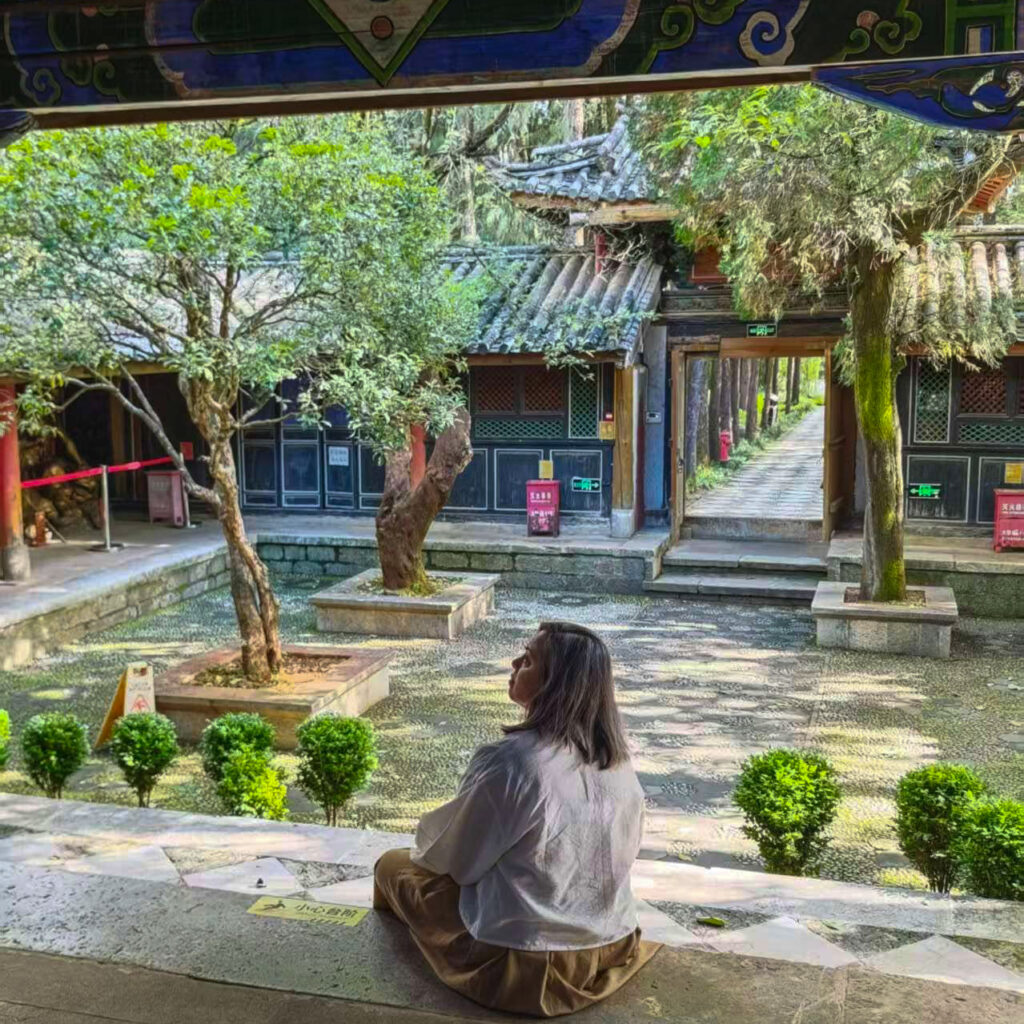
PACKING LIST FOR ASIAN TRAVELLERS
- Thermals (Yunnan nights are cold)
- Lip balm + moisturiser
- Snacks for picky-eaters
- Universal adapter
- eSIM for data
- A light scarf (temples & weather shifts)
BEST SEASONS (only for the areas mentioned)
- March–June
- September–November
Avoid Chinese New Year & Golden Week.
FINAL THOUGHTS
China gives you more than landscapes — it gives you stories, strangers who become family, spiritual whispers, and moments that stay long after you’ve left. This first-timer itinerary is carefully crafted, with ample room to breathe, reflect, wander, and feel. Travel safe. Travel slowly. And let China reveal itself to you in its own quiet, magnificent way.

Follow the rest of the China series
- CHINA FOR FIRST TIMERS
- Chengdu Local Market Food Tour & Cooking Class
- CHENGDU IN A DAY
- ZHONGLU TIBETAN VILLAGE
- TAGONG GRASSLANDS IN WESTERN SICHUAN
- YUNNAN’S ANCIENT TOWNS
- BAISHA VILLAGE
- Shangri-La in 1 Day
RESPONSIBLE TRAVELING-BECAUSE I CARE