Beyond the Scoreboard: How Sports Tourism Turns Travel into an Adventure
Travel is often planned around landmarks, museums, and local cuisine, but sport offers another way to understand a destination. A football stadium can reveal a city’s identity, a marathon can take runners through historic streets, and a cycling route can lead visitors beyond the usual tourist districts. Sports tourism brings these experiences together, combining the excitement of competition with the opportunity to explore unfamiliar places. The appeal goes beyond watching a match. Some travelers build entire holidays around major sporting events, while others seek active experiences such as hiking, surfing, skiing or cycling. Both approaches create opportunities to discover local traditions, meet fellow enthusiasts and experience destinations from a different perspective.
Planning these trips increasingly involves digital tools. Travelers compare event schedules, research transport connections and manage reservations on their phones. A dedicated mobile app download page is one example of how online services provide information about mobile access. Whatever platform travelers choose, they should check its regional availability, privacy practices and security requirements before installing an application. The most rewarding sports trips combine a clear main attraction with enough flexibility to explore the surrounding area. From historic football grounds to mountain trails, the following destinations and activities demonstrate how sport can become the centerpiece of a memorable journey.
1. Iconic Stadiums: Discovering Cities Through Their Sporting Heritage
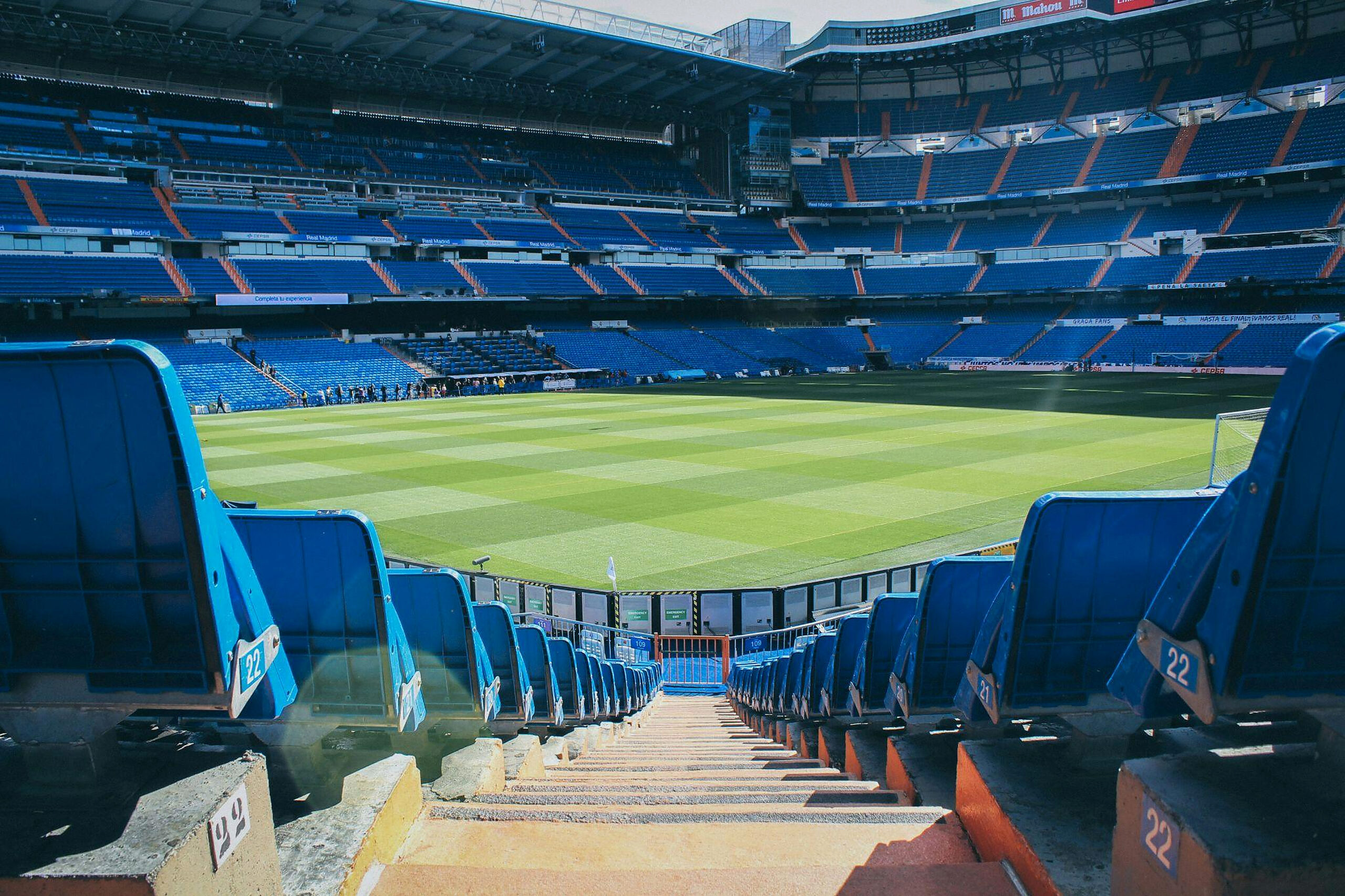
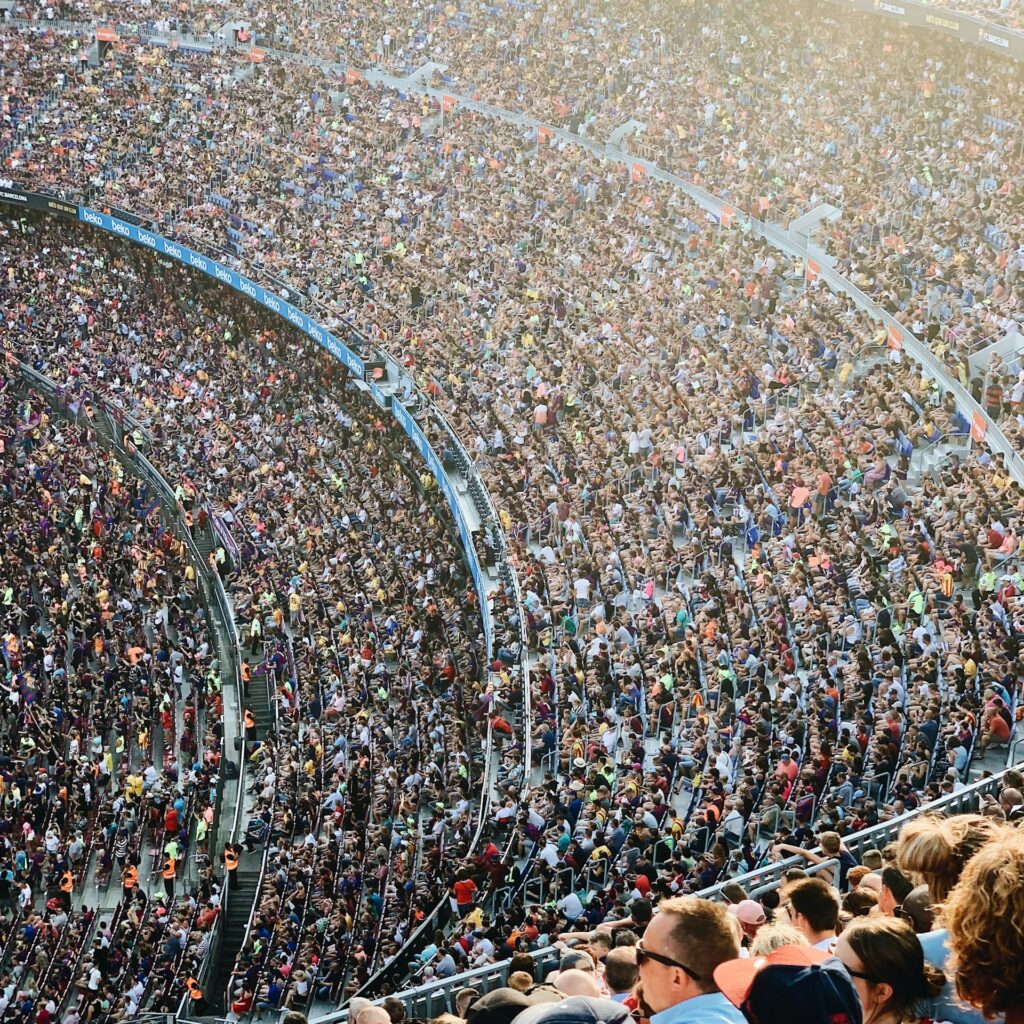
Stadiums are more than venues for competition. They are gathering places where architecture, local identity, and collective memory intersect. For sports fans, visiting a famous ground can be as meaningful as seeing a city’s best-known monument. In Barcelona, Spotify Camp Nou has long been associated with the history and global following of FC Barcelona. In London, Wembley Stadium occupies a central place in English football culture and has hosted major domestic and international finals. Meanwhile, the Maracanã in Rio de Janeiro is closely connected with Brazil’s football heritage and some of the sport’s most memorable occasions. A stadium visit can also fit naturally into a broader city itinerary. Guided tours may include seating areas, players’ facilities, museum exhibitions, and historical displays, depending on the venue and the schedule. Visitors who cannot attend a live match can still learn about the sporting traditions that shaped the surrounding community.
To make a stadium-focused trip more rewarding:
- Check the event calendar first. Match days can affect accommodation prices, public transport and access to nearby streets.
- Book official tours in advance. Availability may change during tournaments, maintenance periods or preparation for major events.
- Explore the neighborhood. Local cafés, supporter shops and sports museums often provide additional context about the club and its community.
- Allow time for transport. Large venues can be some distance from central attractions, and crowds may slow departures after an event.
- Respect supporter traditions. Learn about local match-day customs and follow stadium rules, particularly when photographing other spectators.
For travelers who enjoy architecture, stadiums offer another reason to visit. Their designs reflect different eras and engineering priorities, from vast open bowls to enclosed modern arenas with advanced lighting, acoustics, and accessibility features. The key is to treat a stadium as part of the destination rather than an isolated attraction. A match or guided tour can anchor the itinerary, while nearby neighborhoods reveal the city’s everyday character.
2. Marathons and Cycling Routes: Exploring Destinations at Ground Level
Running and cycling provide a particularly direct way to experience a place. Instead of viewing a destination through a vehicle window, participants move through its streets, parks, coastlines, or countryside at a pace that encourages closer observation. Major marathons attract international visitors who combine race participation with sightseeing. The London Marathon passes notable urban landmarks and draws large crowds, while the Berlin Marathon is known for its fast course and prominent position on the international running calendar. Other races offer different settings, from coastal roads to historic city centers.
Cycling tourism provides a similarly varied experience. Dedicated routes in the Netherlands connect towns through relatively flat landscapes, while Alpine cycling trips challenge experienced riders with sustained climbs and dramatic mountain scenery. Coastal routes can offer gentler alternatives, although wind, road conditions and elevation still require consideration. These trips demand more preparation than a conventional sightseeing holiday because the sporting activity affects accommodation, nutrition, equipment and daily scheduling.
- Match the route to your ability. Review distance, elevation gain, surface type and expected weather before committing to a course.
- Understand registration requirements. Popular races may use lotteries, qualification standards, or limited entry windows.
- Plan recovery time. Avoid scheduling a demanding race immediately before a packed day of walking or another strenuous activity.
- Research equipment rules. Events may impose restrictions on bags, hydration packs, bicycles or personal devices.
- Prepare a backup plan. Heat, heavy rain, injury or transport disruption can require changes to the original itinerary.
Cycling and running can also support more sustainable travel when routes are accessible by public transport, and visitors respect local traffic rules. However, environmental benefits depend on the whole journey, including flights, accommodation and equipment choices. For beginners, guided rides and organized running tours can provide local knowledge and logistical support. Experienced athletes may prefer independent routes, provided they have reliable navigation, suitable equipment and a realistic understanding of local conditions.
3. Legendary Motorsport Circuits and Major International Events
For some travelers, the attraction lies in speed, engineering and the atmosphere surrounding elite competition. Motorsport tourism offers opportunities to experience these elements at dedicated circuits, where track design, safety systems and race strategy become part of the spectacle. The Circuit de Monaco is closely associated with the Formula One Grand Prix that winds through the streets of Monte Carlo. Silverstone in the United Kingdom is another important destination for motorsport enthusiasts, with a long history in Formula One. In Italy, the Autodromo Nazionale Monza is renowned for its high-speed character and strong connection with racing culture.
Attending a major race involves more than buying a ticket. Large events can place considerable pressure on local accommodation and transport, particularly on qualifying days and race day itself. Some circuits are outside city centers, so visitors should establish how they will reach the venue before choosing where to stay. Digital planning tools can help travelers compare event dates, accommodation options and transport arrangements. If using an online service such as download 1xBet, first verify that the service is legally available in your location and that the page is an official destination. It is important to distinguish general travel planning from gambling-related services and to use only platforms that meet applicable local requirements.
A few practical steps can improve the overall race weekend:
- Study the full event schedule. Practice sessions, qualifying and support races can make different days worthwhile for different visitors.
- Check ticket categories carefully. Grandstand seating, general admission and hospitality packages offer different views, facilities and prices.
- Arrange transport early. Shuttle services, trains and park-and-ride systems may operate differently during major events.
- Bring suitable clothing.
Follow the rest of the Top Experiences series
- TOP TWENTY THINGS TO DO IN EGYPT
- WHY YOU SHOULD VISIT MALTA
- TOP FUN THINGS TO DO IN HAMPI
- 10 HISTORICAL PLACES TO ROAM ACROSS THE WORLD
- 10 HISTORICAL MARVELS OF ITALY
- 10 BEST SHOWS IN EUROPE YOU MUST SEE
- DUBAI THRILLS: 7 MUST-DO ACTIVITIES
- 10 HISTORICAL MARVELS IN TURKEY TO ENJOY WITH KIDS
- MOST ENCHANTING PALACES IN EUROPE
- IN‑BETWEEN MOMENTS IN ASPEN
RESPONSIBLE TRAVELING-BECAUSE I CARE


