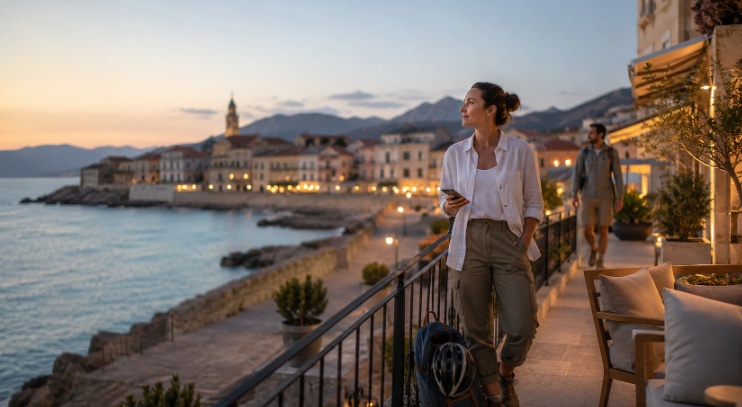
The Evolution of Leisure Tourism: From Passive Relaxation to Active Engagement
Leisure tourism is no longer built only around a beach chair, a breakfast buffet, and a late checkout. Travelers still want rest, but more of them now plan trips around hiking routes, food walks, local sports, wellness classes, festivals, and digital downtime after dark. UN Tourism reported that international arrivals in the first half of 2025 were 5% higher than the same period in 2024. The suitcase has become more active.
The Poolside Week Got Competition
A classic resort week once asked very little from the traveler: sun, room service, and a slow walk to dinner. That still sells, but it now competes with eight-night adventure itineraries, city cycling tours, night markets, cooking classes, and matchday travel around clubs or national teams. The Adventure Travel Trade Association’s 2025 industry report put the median price of a popular adventure itinerary at $3,000, with 76% spent locally. That number says plenty about the new leisure trip: people want movement, but they also want the place to keep part of the value.
Downtime Moved Onto the Phone
Active travel does not erase quiet hours; it changes where they happen. A traveler who kayaks in Dubrovnik before lunch may spend the evening checking highlights, reading restaurant reviews, or playing short mobile sessions from a hotel balcony. A well-run online casino belongs to that latter rhythm when users can see RTP notes, game rules, payment status, KYC checks, and bankroll limits before any session starts. The better habit is to keep digital play separate from sightseeing money, airport transfers, and the next morning’s train ticket. Leisure feels better when the budget has borders.
Sport Turned Trips Into Timetables
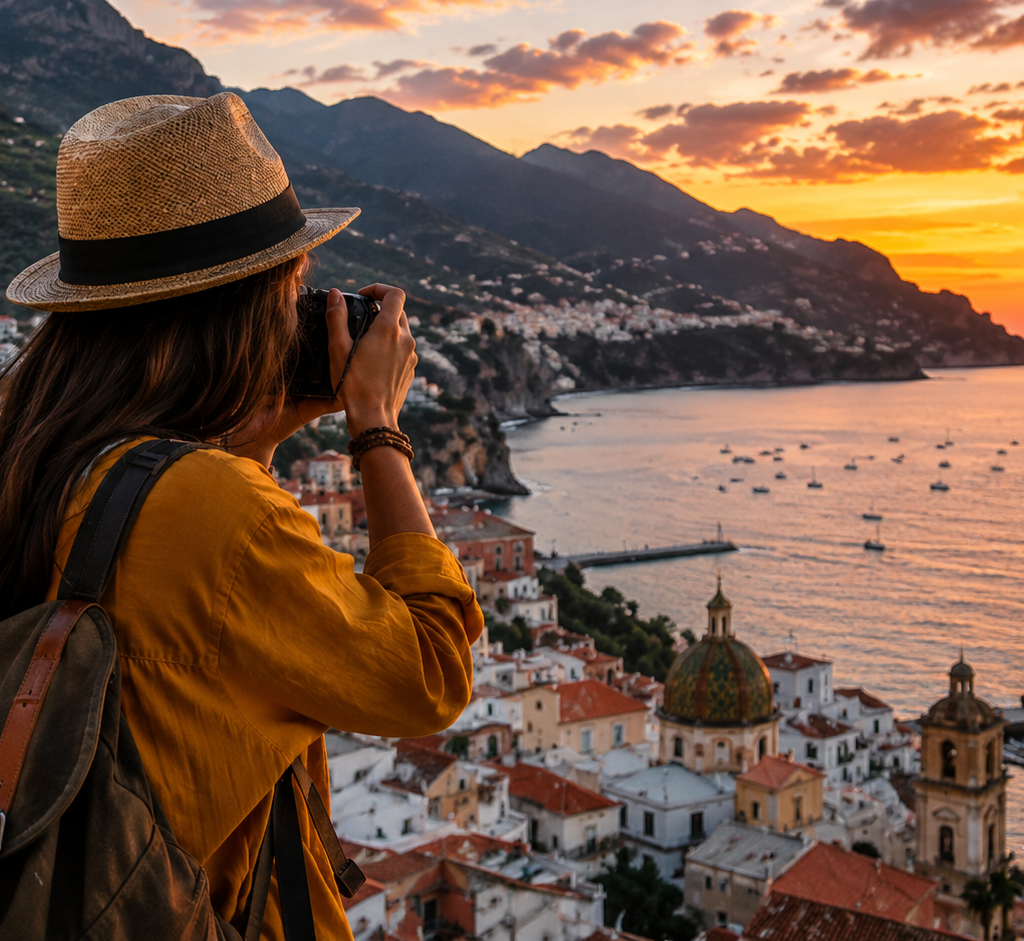
Sports tourism has made leisure more scheduled. Fans build weekends around Wimbledon, the Monaco Grand Prix, the Tour de France, the NBA Global Games, or a derby at San Siro, then fill the gaps with museums and late dinners. The small observation is familiar at a station after full time: scarves stay on, phones come out, and half the carriage replays one missed chance. Travel becomes a moving post-match show.
Betting Became Part of Matchday Literacy
The growth of sports travel has also made odds part of the pre-match conversation. A fan flying to Milan for Inter at San Siro or to London for Arsenal at Emirates Stadium may already know injuries, kickoff time, market movement, and the likely pressing shape before reaching the turnstile. A measured online betting routine should check team news, price changes, stake size, cash-out status, and bankroll limits before emotion takes over. That discipline matters because the away-end noise after an early goal can turn one sensible forecast into a poor decision. The fixture is not the whole model.
Wellness Got Less Silent
Wellness travel used to sound soft: spa menus, scented rooms, and long robes. Now it often means a 6:45 a.m. run club in Lisbon, a guided climb outside Cape Town, a yoga class in Ubud, or a cold-water swim on the English coast. The shift is practical rather than mystical. Travelers want proof that a trip changed the body, not only the camera roll.
Live Screens Follow the Traveler Home
Hotels and apartments have also changed because evening leisure now depends on latency, payments, and clear screens. A traveler returning after a walking tour of Barcelona may not want a two-hour film; a quick check of MPBL odds today can fit the gap before dinner. This kind of platform should show dealer pace, table minimums, stream delay, betting windows, and settlement status before the next hand or spin begins. That information keeps the experience readable on a phone or tablet when hotel Wi-Fi drops from strong to shaky. Bad timing can sour a quiet night faster than a bad view.
The Active Trip Still Needs Empty Space
The best leisure trips now mix effort with margins. A five-hour hike in Madeira needs a loose dinner plan, a tennis weekend in Paris needs recovery time, and a food tour in Istanbul needs a free morning after it. WTTC’s latest Economic Impact Research put Travel & Tourism’s 2025 global GDP contribution at $11.6 trillion, but the human measure is smaller: a traveler who comes home tired in the right way. The best itinerary leaves one page blank.
Follow the rest of the Top Experiences series
- TOP TWENTY THINGS TO DO IN EGYPT
- WHY YOU SHOULD VISIT MALTA
- TOP FUN THINGS TO DO IN HAMPI
- 10 HISTORICAL PLACES TO ROAM ACROSS THE WORLD
- 10 HISTORICAL MARVELS OF ITALY
- 10 BEST SHOWS IN EUROPE YOU MUST SEE
- DUBAI THRILLS: 7 MUST-DO ACTIVITIES
- 10 HISTORICAL MARVELS IN TURKEY TO ENJOY WITH KIDS
- MOST ENCHANTING PALACES IN EUROPE
- IN‑BETWEEN MOMENTS IN ASPEN
RESPONSIBLE TRAVELING-BECAUSE I CARE


