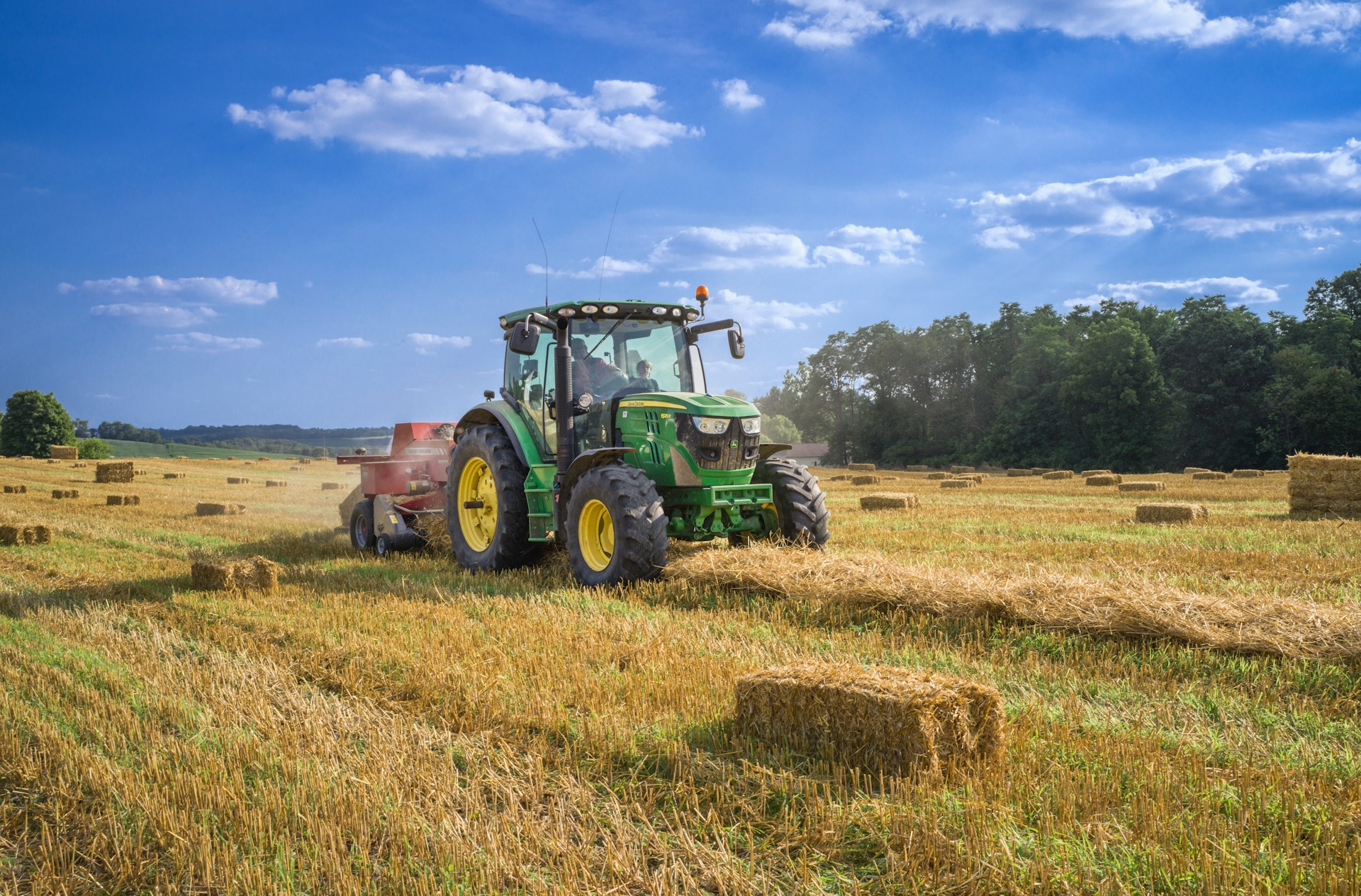
The Importance of Choosing the Right John Deere Dealership: Key Factors to Consider
Most farmers spend three weekends comparing horsepower specs and PTO ratings, then sign dealer paperwork in under an hour. That imbalance costs people badly. A 2024 Ag Equipment Intelligence survey found that 43% of farmers switched planter or drill brands over the past five years, and the culprit was usually dealership failure, not the machine itself. When choosing John Deere dealer relationships, the stakes go well beyond the sale; you’re selecting the team responsible for your uptime, your investment, and your sanity when things inevitably go sideways mid-season.
Why Your Dealership Choice Echoes Through Every Season
Think of your dealer less as a vendor and more as an operational partner. Because when a critical component fails during planting week, paperwork won’t fix it, your dealer will.
Productivity Doesn’t Stop on Purchase Day
Ask any farmer what they actually need from a dealer when something breaks at the worst possible hour. Spoiler: it’s not a brochure. A solid John Deere dealership near me should have parts on hand, a service schedule that respects your time, and the ability to get a technician on your property when hauling equipment simply isn’t an option. That responsiveness is what separates a true partner from a glorified showroom. If you’re evaluating a john deere dealership in Texas, there are region-specific factors worth weighing: local terrain demands, drought conditions, hay tool expertise, and whether the dealer’s parts supply chain is equipped for West Texas ranch operations specifically.
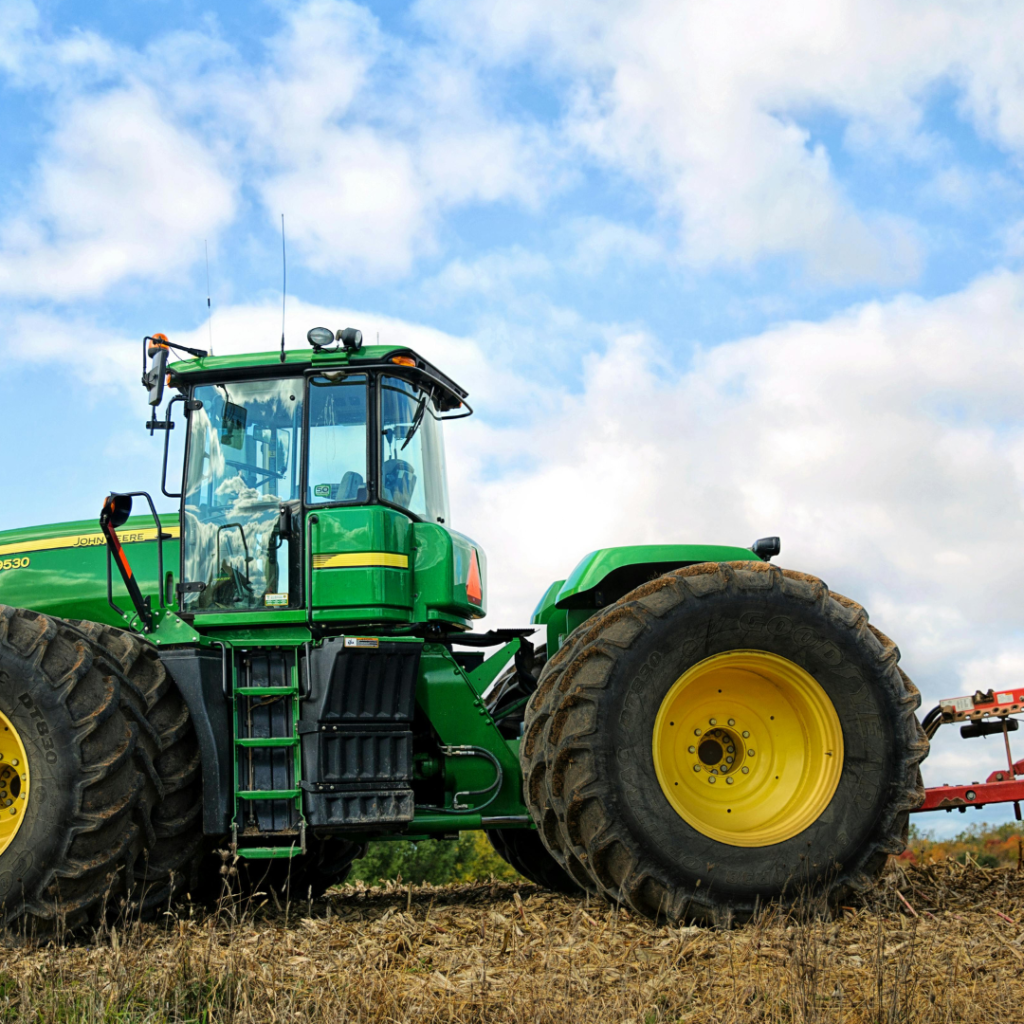
Resale Value and Real Ownership Costs
Skipped calibrations and poor pre-delivery setup don’t announce themselves immediately. They quietly compound repair costs across seasons. On the flip side, documented service records from an authorized John Deere dealership can meaningfully increase resale value; buyers pay more when there’s a clean, verifiable maintenance trail. When someone searches for the best John Deere dealership, what they’re really asking is: who will protect what I’m investing in long after I drive off the lot?
Technology Demands a Tech-Savvy Dealer
Today’s John Deere equipment is as much software as steel. GPS guidance, variable-rate application systems, and telematics all of it requires a dealer who can configure it correctly and actually train your team. Your dealer should feel like a technology partner, not someone who hands you a manual and wishes you luck. Now that the long-term picture is clear, let’s get specific about what separates a great dealer from an average one.
Financing, Packages, and Programs Offered by John Deere Dealers
Generic bundles benefit the dealer. Customized financing benefits you.
Comparing Financing Scenarios
Don’t just accept a 0% rate at face value; compare it carefully against available cash discounts relative to your tax situation and cash flow needs. Ask each dealer to run the same machine through multiple term scenarios. Seasonal payment structures or balloon payments can make meaningful differences for agricultural operations with variable revenue cycles.
Package Deals and Protection Plans
Look past the lot size. Prioritize dealers with concrete answers about coverage terms on extended protection plans, and make sure those terms are written down before you commit. Forward-thinking farmers are also beginning to evaluate dealers on a dimension that’s becoming increasingly relevant: sustainability.
Key Factors When Choosing John Deere Dealer Support
Inventory size is easy to see. Service culture isn’t. Here’s where to look harder.
Community Reputation, Start Here
Before you ever set foot on a lot, talk to farmers nearby. Check local ag Facebook groups and community forums. The most reliable signal? Service techs who actually show up during breakdowns, and dealers who give transparent quotes without burying fees. Watch for recurring complaints: warranty disputes, unreturned calls, and parts delays. Those patterns matter.
Service Department Depth and Technician Quality
The equipment industry is facing a projected shortage of up to 73,500 heavy equipment technicians over the next five years. That gap means technician capacity varies sharply between dealers. Ask directly: What certifications do your techs hold? What’s your average in-season turnaround? Do you offer on-farm service within a reasonable radius, and can someone reach me after hours in an emergency? These aren’t difficult questions, but the answers reveal everything.
Parts Availability, The Real Test
A dealership with thin parts inventory will cost you days you can’t afford. Talk directly to the parts manager. What wear items do you stock on the shelf right now? How quickly can you pull overnight shipments through John Deere’s network when something obscure fails? This conversation will tell you more than any sales pitch. Technical depth matters enormously, but how a dealership treats you from the very first interaction often predicts how they’ll behave when your equipment is down.
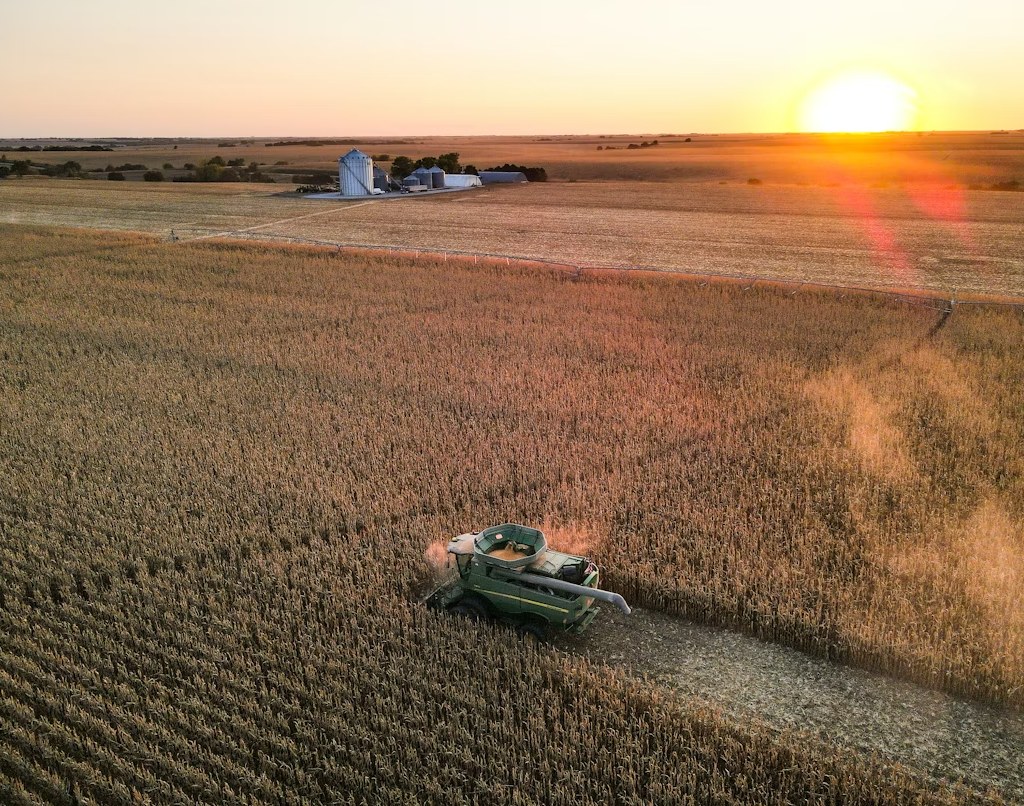
Evaluating Customer Experience at an Authorized John Deere Dealership
Customer experience isn’t just about politeness. It’s about whether the dealership’s culture puts your operational needs first.
First Impressions Genuinely Matter
Walk in. Is the showroom organized? Does staff acknowledge you quickly? Are equipment models clearly labeled? These aren’t cosmetic details; they’re signals about how a business operates. Dealers who ask about your operation before recommending equipment are the ones worth your time.
Pricing Transparency Protects You
Always request written quotes that separate equipment price, attachment costs, setup fees, and applicable taxes. If a number looks bundled, ask them to break it apart. Comparing offers from multiple dealerships isn’t just smart; it gives you real negotiating leverage and clarity you wouldn’t otherwise have.
Communication Quality as a Predictor
Research shows dealers who respond quickly, personally, and completely to online inquiries sell 50% more units than those who don’t. Try this: send the same question to two dealerships and compare responses. Response quality today is a reliable preview of how they’ll communicate when your tractor is in the shop and every hour counts. Once you’ve identified a strong customer-experience fit, it’s worth understanding how the right dealer can structure your purchase around your actual operation.
Sustainability and Future-Ready Dealership Practices
Supporting Eco-Conscious Operations
A dealership worth partnering with should carry green farming equipment designed to reduce fuel consumption and offer options for precision application that minimize input waste. Ask specifically about sustainable farming tools and what eco-friendly farming solutions are available, think advanced reduced-pass tillage equipment, precision spraying systems, and any eco-conscious farming supplies that support best practices benefiting both your yields and your environmental footprint.
Supporting Smaller-Scale Producers
Not every operation runs thousands of acres. For smaller acreages, finding small-scale farming equipment that actually fits your scale and workflow matters. Whether you run a homestead or a specialty niche farm, confirm the dealership stocks appropriate equipment and has hands-on experience with organic farming tools, mechanical weeders, specialty cultivators, and the like. The right dealer serves producers at every scale without making smaller customers feel like an afterthought.
Practical Checklist: Scoring Your Dealership Options
| Factor | What to Ask | Rating (1–5) |
| Reputation | Farmer reviews, forum mentions | |
| Service Depth | Certified techs, turnaround time | |
| Parts Availability | On-hand stock, overnight access | |
| Financing Flexibility | Scenarios, seasonal options | |
| Technology Support | Precision ag team, remote diagnostics | |
| Communication Quality | Response speed and clarity | |
| Distance/Coverage | On-farm radius, mobile service |
Rate every John Deere dealership near me on your shortlist using this table. Then choose based on overall fit, not the lowest sticker number on the lot.
Frequently Asked Questions
How close should my dealership be to my farm?
For compact tractors, you can trailer yourself; distance is less critical. For large ag equipment, prioritize dealers offering on-farm service within a 30–60 mile radius, depending on your region and what you’re running.
Can I negotiate prices at an authorized John Deere dealership?
Yes, though manufacturer programs often set price floors. Timing matters. Seasonal rebates, model-year transitions, and financing promotions all create negotiating room. Package discussions often yield more flexibility than pushing hard on base unit price alone.
How do I find the best John Deere dealership near me?
Start with John Deere’s official dealer locator. Then dig into Google and Facebook reviews, shortlist two or three candidates, and visit each in person. Websites don’t capture how a dealership actually operates. Your own experience on the lot will.
Your Dealership Is a Long-Term Partner, Choose Accordingly
The tractor earns the headlines. The dealership keeps it running. From parts pipelines to precision ag training, a great dealer shapes your entire ownership experience in ways most buyers never anticipate until something breaks. Whether you manage five acres or five thousand, John Deere dealer factors like technician depth, parts availability, and communication quality deserve the same scrutiny you give equipment specs. Build your shortlist, visit each candidate with a prepared checklist, and weigh the relationship heavily against small price differences. The right dealer doesn’t just sell you equipment; they show up for you, season after season, when it matters most.
Follow the rest of the Top Experiences series
- TOP TWENTY THINGS TO DO IN EGYPT
- WHY YOU SHOULD VISIT MALTA
- TOP FUN THINGS TO DO IN HAMPI
- 10 HISTORICAL PLACES TO ROAM ACROSS THE WORLD
- 10 HISTORICAL MARVELS OF ITALY
- 10 BEST SHOWS IN EUROPE YOU MUST SEE
- DUBAI THRILLS: 7 MUST-DO ACTIVITIES
- 10 HISTORICAL MARVELS IN TURKEY TO ENJOY WITH KIDS
- MOST ENCHANTING PALACES IN EUROPE
RESPONSIBLE TRAVELING-BECAUSE I CARE