
Do People Still Date While Traveling? What Problems Can This Cause?
People leave home and become someone slightly different. The routine falls away, the calendar empties, and the person sitting across from you at a cafe in Porto or a night market in Bangkok seems more interesting than anyone you matched with back home last month. This is not a new observation, but the frequency with which people act on it has become measurable. Roughly 1 in 4 travelers report having fallen in love on a trip, according to a 2025 survey by MEININGER Hotels. That number tells you something honest about human behavior when the usual constraints disappear, and it also sets up everything that goes wrong afterward.
Why Trips Make People Romantic
Vacation removes the ordinary parts of life that normally anchor how you feel about another person. You are not thinking about rent, your commute, or the coworker who keeps scheduling 4 PM meetings. Your brain has room, and another person can fill it quickly. The MEININGER Hotels survey, conducted through the Appinio Panel with 1,000 respondents, found that nearly 40% of travelers said they find it easier to fall in love while away from home. That tracks with what most people already suspect. A shared sunset over a place you have never been before creates an emotional response that has less to do with the other person and more to do with the context surrounding both of you. The trouble is that context expires. A trip is 5 days, or 10, or maybe 3 weeks if you are lucky. Whatever develops between 2 people during that window is shaped by the temporary nature of the whole thing, and when the trip ends, so does the environment that made the connection feel so effortless.
Prohibitive Travel Costs
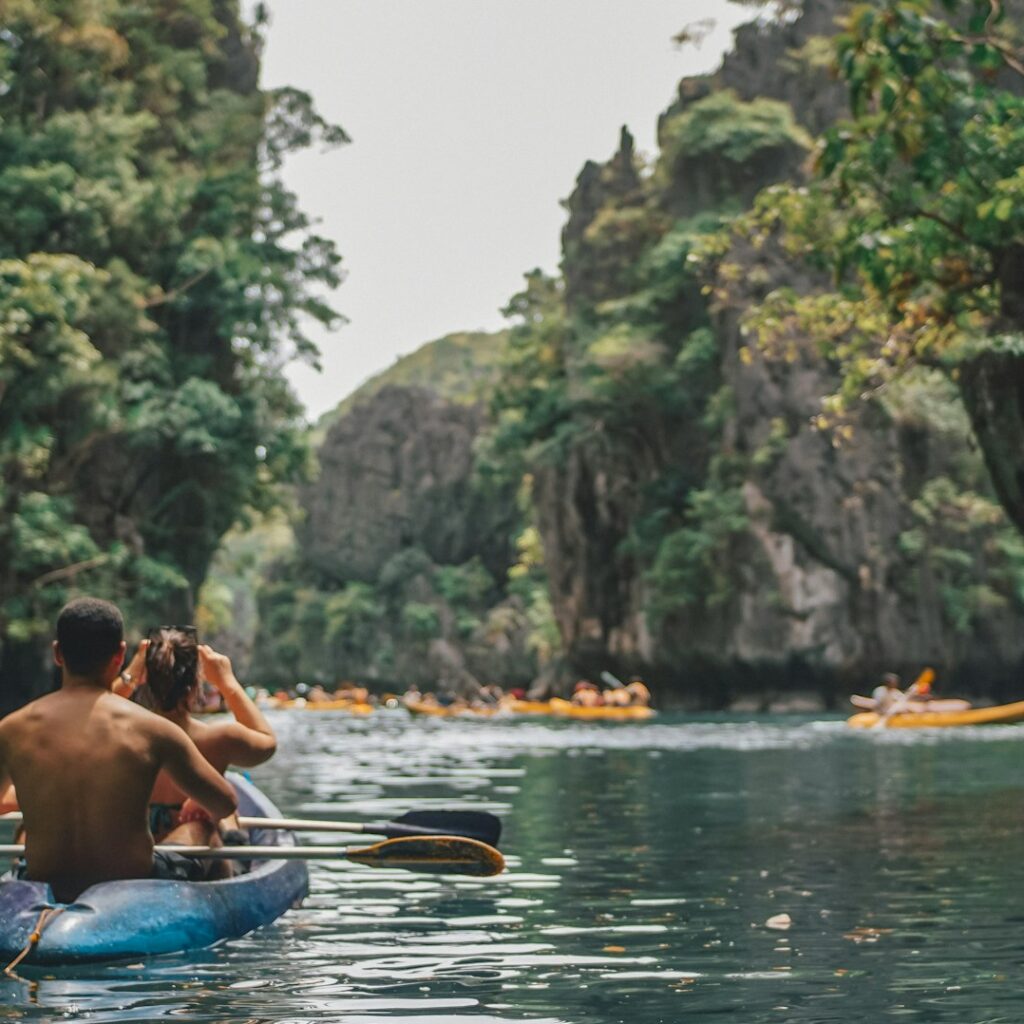
Travel dating is still very much alive, but the high cost of getting away makes many people wonder if it’s even realistic anymore. A week-long international trip can easily run three thousand to five thousand dollars or more once you add up flights, hotels, meals, and activities. For a lot of travelers, that price tag feels completely out of reach and makes them think they need someone else to help pay for it. But the truth is those costs aren’t actually prohibitive if you’re smart about it. You can find cheaper flights, book affordable places to stay, use points, and plan things efficiently. You don’t have to travel with a sugar daddy to enjoy dating on the road and still keep your independence. A January 2025 survey by MEININGER Hotels, conducted through the Appinio Panel with 1,000 participants, found that 26.2% of travelers have fallen in love while on vacation, and nearly 40% said they find it easier to fall in love away from home. The numbers sound romantic until you see the reality. Only 16.4% of those vacation romances turned into long-term relationships, while 45.8% stayed short flings. People meet someone in a hostel bar in Lisbon or on a group tour in Kyoto, and the compressed timeline of a trip makes everything feel more intense than it probably is. When the flight home lands, the feeling often does too.
The Long-Distance Problem Nobody Plans For
Say it works out. You meet someone in Buenos Aires, and neither of you is running a scam, and the feelings carry past the airport. Now what? One of you lives in Ohio and the other lives in Argentina. The time zone difference alone makes a weeknight phone call an act of scheduling gymnastics, and the cost of visiting each other adds up fast. Flights, lodging, and taking time off work. Most people do not budget for a relationship that requires international travel every few months. The 16.4% figure from the MEININGER Hotels data tells this story pretty well. The vast majority of travel romances do not survive re-entry into normal life. That does not mean they were meaningless, but it does mean that people consistently underestimate how much of their attraction was tied to the place and the timing rather than the person.
Safety When You Are Far from Home
Meeting a stranger abroad carries practical risks that go beyond heartbreak. You are in an unfamiliar city, possibly without fluency in the local language, and your usual friends and family are not around to check on you. If a date goes badly, your options for getting out of the situation are more limited than they would be at home. You may not know which neighborhoods to avoid. You may not have reliable cell service. The FTC’s romance scam data is worth taking seriously here. Over $1.16 billion in losses in 9 months is a lot of money taken from people who thought they were connecting with someone real. Travelers are a specific target because they are already in a heightened emotional state, and their guard is lower than usual.
What This Comes Down To
People still date while traveling, and they will continue to. The impulse is strong, the opportunity is everywhere, and dating apps have made it absurdly easy to find someone in a new city within minutes of landing. The problems that follow are predictable and well-documented. Most of these connections end when the trip does. Some of them cost money in ways that have nothing to do with dinner. And the ones that survive face a geographic problem that requires serious commitment from both sides to solve. None of this means you should avoid meeting people while abroad. It means you should know what you are walking into before you do.
Follow the rest of the Top Experiences series
- TOP TWENTY THINGS TO DO IN EGYPT
- WHY YOU SHOULD VISIT MALTA
- TOP FUN THINGS TO DO IN HAMPI
- 10 HISTORICAL PLACES TO ROAM ACROSS THE WORLD
- 10 HISTORICAL MARVELS OF ITALY
- 10 BEST SHOWS IN EUROPE YOU MUST SEE
- DUBAI THRILLS: 7 MUST-DO ACTIVITIES
- 10 HISTORICAL MARVELS IN TURKEY TO ENJOY WITH KIDS
- MOST ENCHANTING PALACES IN EUROPE
RESPONSIBLE TRAVELING-BECAUSE I CARE