Literary Journeys: Visiting Places From Your Favorite Books
Books do something strange to places: they make streets, rooms, and fields feel alive even before you arrive. For many readers, the map in a novel is an invitation. These journeys — short pilgrimages or long, slow trips — are among the most satisfying ways to travel. They are great destinations for book lovers because a story adds another layer to the view: memory, character, and mood. The market for literary tourism is growing; the global sector was estimated at around USD 2.4 billion in 2025 and is forecast to keep expanding.
Why literary travel matters
Simple reasons first. Books give you a reason to go. They tell you where to look and what to listen for. They slow you down, too. Many people like to read books online, which means mentally immersing themselves in the places described in novels. It’s quite an interesting experience after reading your favorite alpha stories to find yourself in a real place that intersects with a fictional world. You can also take a different approach and start reading novellas on FictionMe about the city or country you’re planning to visit. Instead of rushing from photo spot to photo spot, you linger on a bench because that bench means something in the novel.
Top stops for a page-turning trip
Below are travel destinations for book lovers that reward curiosity. I vary lengths and rhythms in description—short lines, long sentences—so the text breathes. Read slowly. Or not.
Stratford-upon-Avon: where the stage began
Shakespeare’s Birthplace
Walk the street where a boy named William grew up. The house is timbered and small; a stage sometimes rises in the garden. Millions of visitors have been welcomed to Shakespeare’s family homes, and in recent years, those sites have reported big rebounds in attendance as travel returned.
Haworth: moors, manuscripts, and the Brontës
Brontë Parsonage Museum
A stone parsonage, peat smoke in the air, the moors rolling out like an argument. The museum keeps diaries, drafts, and that odd intimacy that comes from seeing the room where a novel was written. It attracts tens of thousands each year, and the village around it lives off that literary heartbeat.
Paris: cafés, exiles, and new chapters
Paris
Hemingway and Sartre and Simone de Beauvoir left the city dense with pages. Walk the Latin Quarter, sit where a narrator once watched rain smear the Seine, and finish the day in a used-book shop. The city feeds the reader’s imagination and offers museums, plaques, and guided walks that connect the place to prose.
Bath: Jane Austen’s neat social maps
Bath
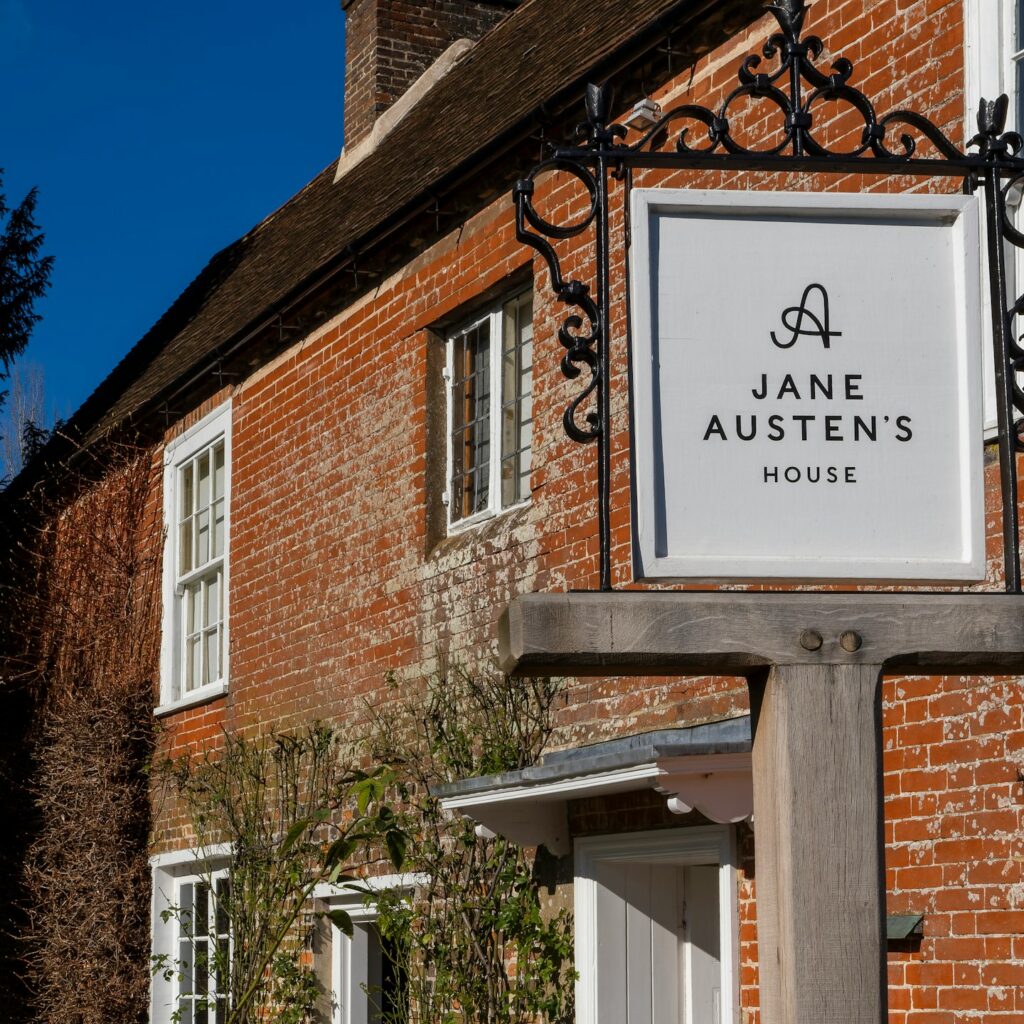
Water, Georgian terraces, and drawing rooms where manners mattered more than money. Austen set scenes here; Austen festivals and the Jane Austen Centre make it a friendly stop for lovers of plots shaped by propriety.
Dublin: Joyce, lyric city
Dublin
If you love language, Dublin is a laboratory. Walk the streets that appear in modern classics and stop for a pint while thinking about sentences. The city stages literary tours that read the map like a book.
Prince Edward Island: Anne’s green world
Prince Edward Island
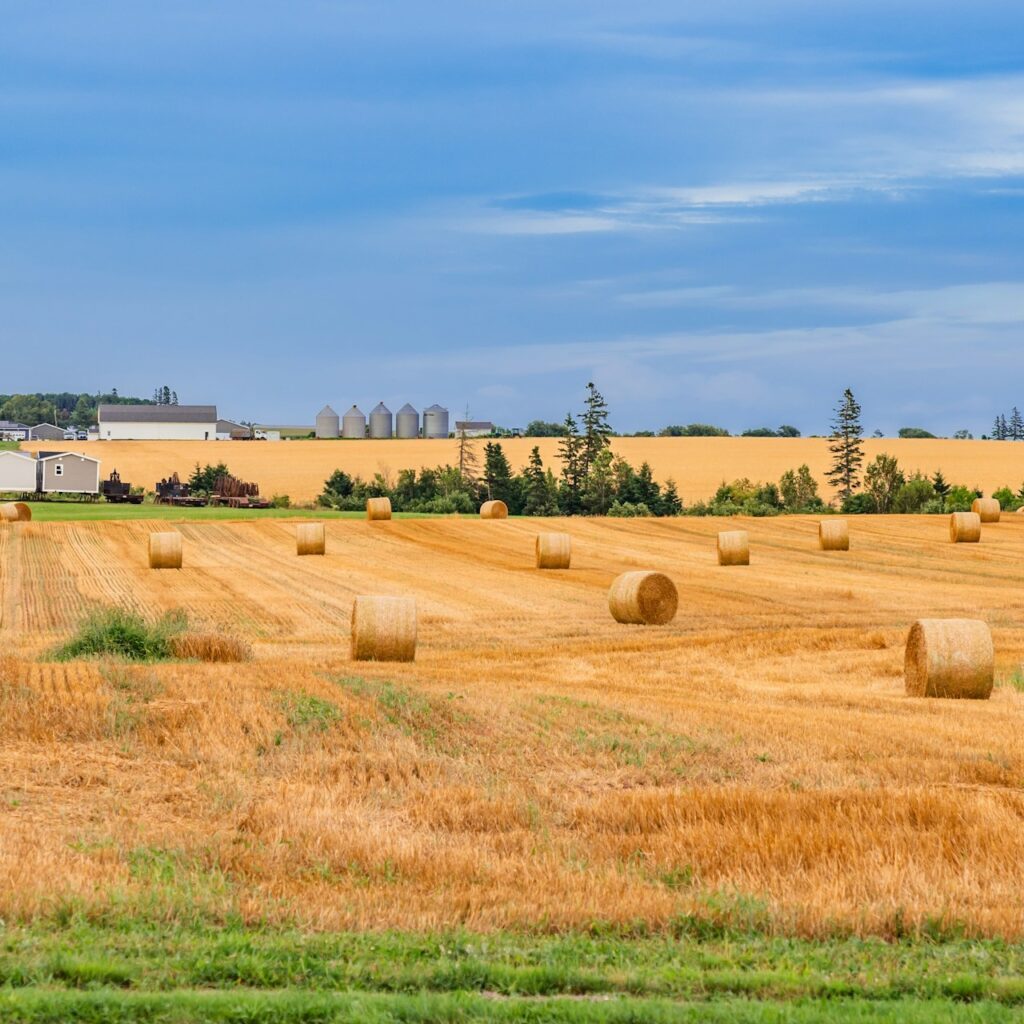
Red soil; green gables; bright, buoyant prose. Fans of a certain red-haired heroine still come to the island to visit sites that feel like scenes from the book. It’s brighter and quieter than you expect.
New York: novels of the city
New York City
A mosaic. From stoops in Brooklyn to diners in Manhattan, New York is the setting for a thousand small narratives. Literary maps here lean toward diversity: immigrant voices, street poets, novels that stretch across boroughs.
How to plan a literary trip
Start with a book, not a brochure. Read it first—or reread it. Mark the places you want to see. Not with you? Just open the FictionMe app on your smartphone. Then do three practical things: check opening times, book ahead for popular house-museums, and pick one guided walk to begin with. Guides often add context that your imagination alone might miss. For example, some heritage trusts publish annual reports and visitor figures that help you time a visit for festivals or quieter months.
Practical tips that matter
- The off-season is magical. Fewer crowds; more room to sit and think.
- Bring a notebook. You will want to write.
- Mix stops. Combine a museum visit with a walk through the landscape that inspired the writing.
- Local events matter. Book fairs, author talks, and even drama festivals often appear in the calendar and change the mood of a place. Recent trends show rising attendance at book events, which means you might find a live reading or panel when you visit.
A few quick statistics (to satisfy the numbers reader)
The literary tourism market was valued at roughly USD 2.4 billion in 2024. Eventbrite and other platforms have recorded year-on-year growth in book events and attendance, reflecting stronger demand for book-related travel and experiences. Meanwhile, iconic sites—Shakespeare family homes and national literary museums—report visitor rebounds as international travel recovers.
Final thoughts
A good book and a good city do the same thing: they make you look twice. Travel and reading together multiply that effect. Whether you choose house museums, the moors, a café table in Paris, or a quiet island lane, you will find that place intensifies the page. These travel destinations for book lovers are invitations: take one, and read the world with more attention. Pack light. Bring a book. Leave room to wander.
Follow the rest of the Top Experiences series
- TOP TWENTY THINGS TO DO IN EGYPT
- WHY YOU SHOULD VISIT MALTA
- TOP FUN THINGS TO DO IN HAMPI
- 10 HISTORICAL PLACES TO ROAM ACROSS THE WORLD
- 10 HISTORICAL MARVELS OF ITALY
- 10 BEST SHOWS IN EUROPE YOU MUST SEE
- DUBAI THRILLS: 7 MUST-DO ACTIVITIES
- 10 HISTORICAL MARVELS IN TURKEY TO ENJOY WITH KIDS
- MOST ENCHANTING PALACES IN EUROPE
RESPONSIBLE TRAVELING-BECAUSE I CARE