Stargazing In Spiti Valley 2026: Best Locations And Seasons
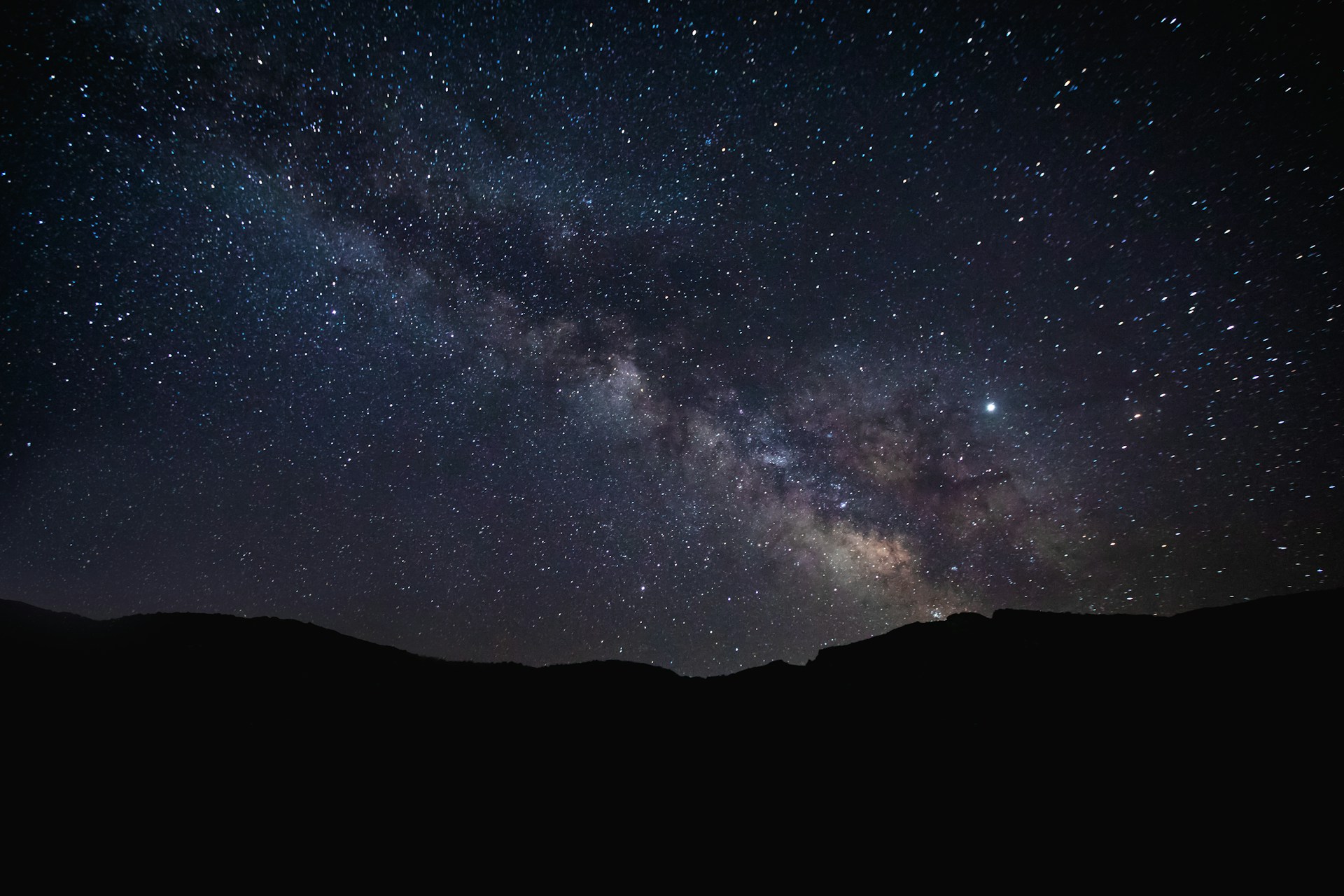
Spiti sits at an average altitude of 12,500 ft and holds some of the best night skies on the planet. The lack of haze, pollution, and humidity makes stargazing in Spiti Valley a high-definition experience that is nearly impossible to find elsewhere.
Its terrain is bone-dry and barren and lies in the Bortle Class 1 zone, the darkest rating possible. In spots like Langza or Kibber, the Milky Way is actually bright enough to cast a visible shadow on the ground. The Spiti Valley night sky is the gold standard for astrophotographers or anyone chasing a naked-eye view of the Andromeda Galaxy.
While winter air is technically the crispest, most Spiti tour packages are for the post-monsoon months to get the best balance of clear horizons and survivable, sub-zero temperatures.
Top 4 Spots For Stargazing In Spiti Valley
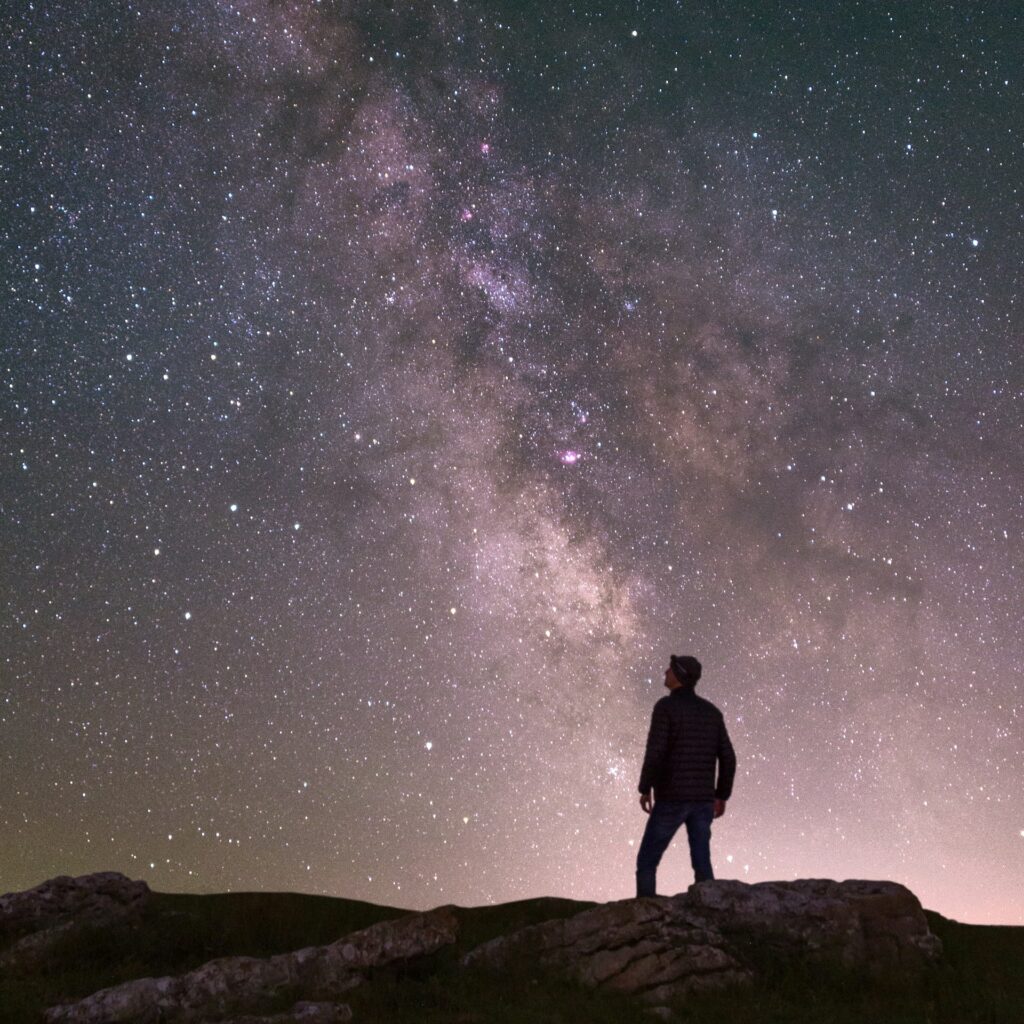
Spiti is dark everywhere, but some villages are just on another level. Honestly, if you want those incredible photos with high mountains and the clearest sky imaginable, you need to head to these specific vantage points.
1. Langza (4,400 m)
Langza is one of the best places for stargazing in India. There’s a giant, ancient Buddha statue sitting on a high hill. It stays perfectly still while the Milky Way seems to spin right behind its head, offering an unbeatable Spiti Valley Milky Way shot.
Between May and July, the bright center of the galaxy rises right behind the statue, which is a pretty wild sight. The ground here is almost flat, so you can walk around at night easily. But watch out for the small water trenches in the grass. You can’t see them at all in the dark, and it’s so easy to trip and ruin your mood.
2. Komic (4,587 m)
Komic is actually the highest village in the world you can drive to. At this altitude, the mountains don’t block the view as they do in the lower valleys. So, you get a full 360-degree view of the stars, perfect for stargazing in the Spiti Valley.
You can watch constellations as they pop over the horizon. But remember that the air is really thin here, so you’ll feel difficulty moving around. Even just moving your camera tripod will leave you gasping for air. You can try standing near the big monastery walls to hide from the freezing wind.
3. Kibber (4,270 m)
Kibber is surrounded by bright limestone cliffs and white rocks, which actually act like natural mirrors. Even when there is no moon out, the rocks catch the starlight and glow. It’s a unique Spiti Valley night view; you might not even need a flashlight to see the path.
If you’re on a Spiti backpacking adventure, this is usually the highlight of the trip. The air here is bone-dry, so the stars don’t really twinkle or look blurry. They just look like sharp, unblinking points of light. If the wind gets too cold (and it definitely will), just head to a homestay balcony. You can see everything from there without freezing your nose off.
4. Chandratal (4,300 m)
There are no buildings at Chandratal. Nobody lives there. That means zero streetlights, making it probably the darkest spot in all of Spiti. On a still night, the lake becomes a “black mirror.” It reflects the stars so well that you kind of lose track of where the ground ends and the sky starts.
You have to walk about 2 km from the parking area to reach the water, but Chandratal stargazing is worth every step. It’s the best place to see the Andromeda Galaxy reflecting in the water. Just remember, it gets way colder by the lake than in the villages, so you need to bring your heaviest jacket!
When is the Best Time for Stargazing in Spiti Valley?
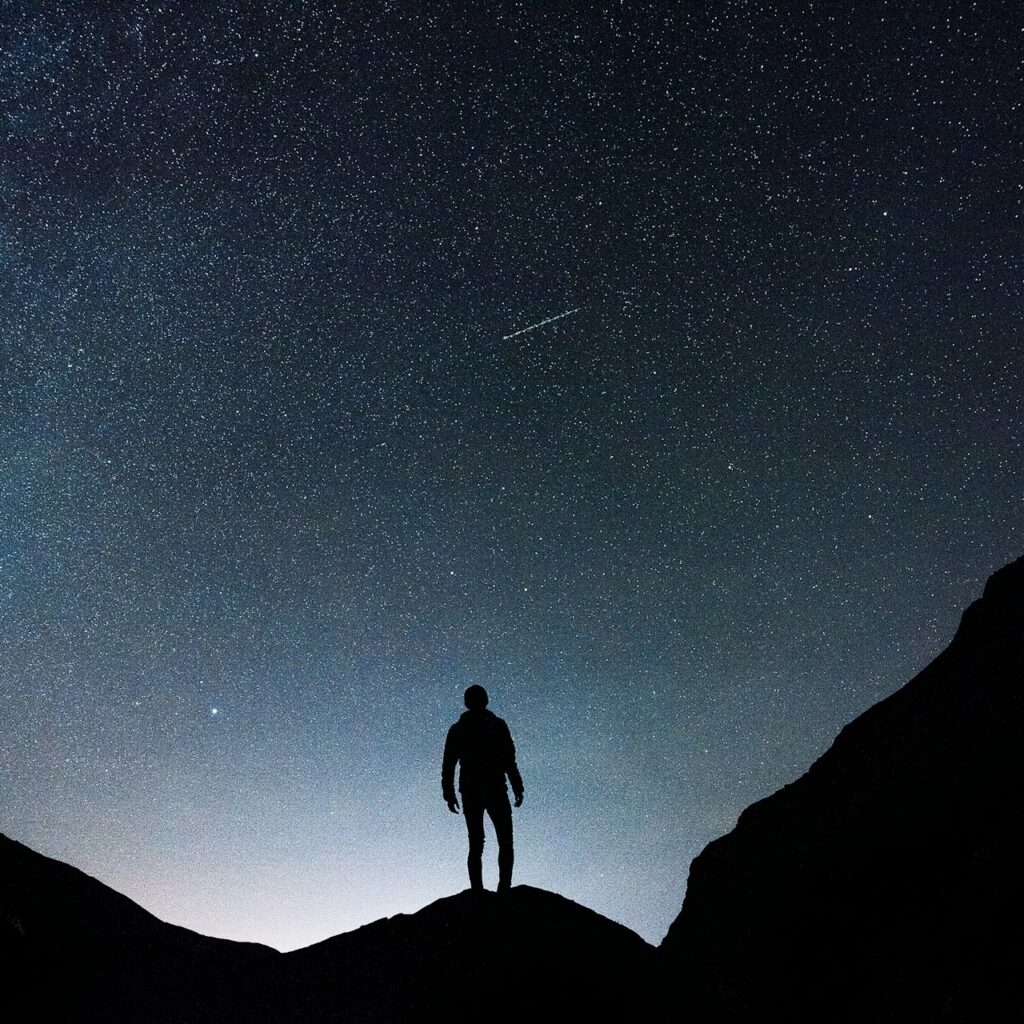
The best time for stargazing in Spiti Valley is the New Moon week in September or October. This is when the air is the clearest because all the summer dust and rain are gone.
Don’t visit during a Full Moon, as its brightness washes everything out, and you’re going to be disappointed. Always plan for the “Amavasya” (New Moon) days. Also, if you want to see the “Galactic Core”, the super bright, colorful part of the Milky Way, you have to go between April and September. By October, that bright center sets way too early to catch it.
- Check the Moon: Aim for 3 days before or after a New Moon.
- The Best Skies: September and October have the least dust.
- The Milky Way Core: Visit in May or June if you want to see the brightest part of the sky high up.
Essential Gear for Spiti Valley Stargazing
The high-altitude cold of Spiti Valley at night is a dry chill that drains electronics instantly. A camera battery that lasts hours in the city can die in minutes at -10°C. You also need to protect your night vision; your eyes take 20 minutes to adjust to the dark, and one second of white light from a phone resets that clock to zero.
That’s why you need to carry these essential items, specifically if you’re going for stargazing in Spiti Valley:
- Red Light Torch: Essential for navigating without ruining your dark adaptation.
- Battery Care: Keep spare batteries in your inner jacket pockets to maintain body heat.
- Offline Maps: Since there is no signal in the high villages, download star-map apps (like Stellarium) before leaving Kaza.
- Tripod: A heavy, stable tripod is non-negotiable for long exposures in the high-altitude winds.
Standing under a sky bright enough to light up the ground in Spiti is something you’ll never forget. The thin air is tough, and the sub-zero wind will probably make your nose go numb. But none of that matters the second you look up.
When you see the Milky Way in high definition, all this struggle just disappears. So, pack your gear, plan around the New Moon, and get ready for stargazing in Spiti Valley. You won’t believe it’s real until you see it for yourself!
Follow the rest of the Top Experiences series
- TOP TWENTY THINGS TO DO IN EGYPT
- WHY YOU SHOULD VISIT MALTA
- TOP FUN THINGS TO DO IN HAMPI
- 10 HISTORICAL PLACES TO ROAM ACROSS THE WORLD
- 10 HISTORICAL MARVELS OF ITALY
- 10 BEST SHOWS IN EUROPE YOU MUST SEE
- DUBAI THRILLS: 7 MUST-DO ACTIVITIES
- 10 HISTORICAL MARVELS IN TURKEY TO ENJOY WITH KIDS
- MOST ENCHANTING PALACES IN EUROPE
RESPONSIBLE TRAVELING-BECAUSE I CARE


This beautifully captures the magic of Spiti’s night skies felt like I was right there under the stars while reading it.
Really helpful insights on the best spots and seasons, which makes planning a stargazing trip so much easier
This beautifully captures the magic of Spiti’s night skies felt like I was right there under the stars while reading it.
Really helpful insights on the best spots and seasons, which makes planning a stargazing trip so much easier